

Kruger National Park – A Living Tapestry of Wilderness
Kruger National Park is not only South Africa’s most famous safari destination, but also one of the largest and most biologically diverse protected areas on the continent. Stretching across nearly two million hectares, the park is a living, breathing landscape where every turn of the road tells a story of survival, adaptation, and the fragile balance of ecosystems. Visitors who come to Kruger are often drawn by the promise of seeing the “Big Five” – lion, leopard, elephant, buffalo, and rhinoceros – but what makes this place remarkable extends far beyond the pursuit of animal sightings.
The park is, at its heart, a sanctuary where conservation and tourism converge. It offers travellers a chance to immerse themselves in an environment where age-old rhythms of nature play out daily, while simultaneously showcasing South Africa’s commitment to preserving its wild heritage. Whether you’re on a self-drive adventure through the winding tar and gravel roads or joining a guided game drive led by seasoned rangers, the experience is layered with meaning: the thrill of discovery, the awe of vast landscapes, and the recognition that this land is deeply intertwined with the country’s history and identity.
Eco-tourism plays a central role in sustaining Kruger’s future. The park has long been a testing ground for conservation models, with ongoing efforts to combat poaching, manage elephant populations, and restore habitats. Anti-poaching units, equipped with advanced surveillance technology and supported by community-driven initiatives, stand as the park’s frontline defenders. Tourists who choose responsible operators contribute directly to these programs, as a portion of park fees and lodge revenues fund conservation work and local development projects.
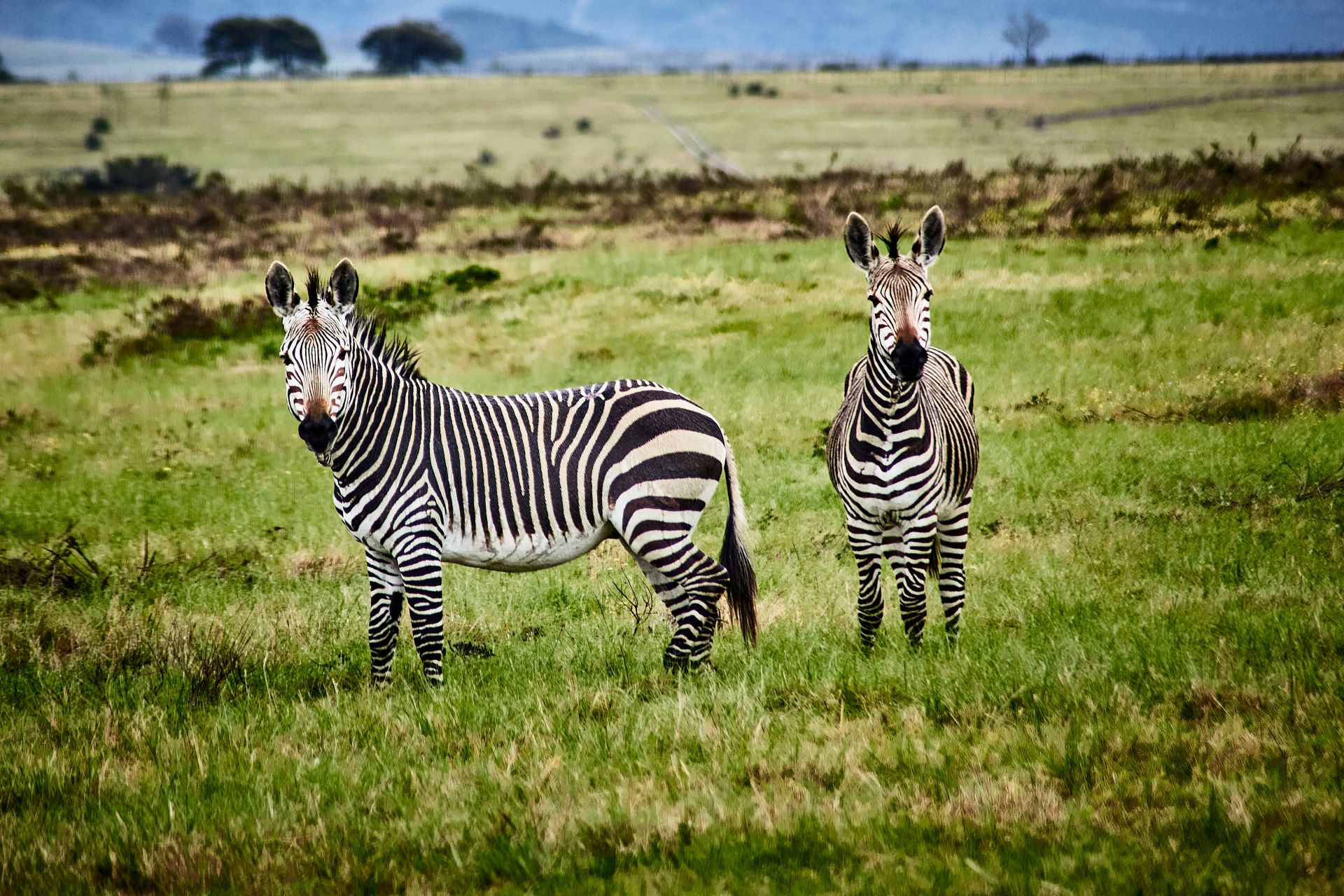
Visitors also play a role in shaping the park’s sustainability. Responsible travel in Kruger means respecting speed limits to reduce roadkill, avoiding off-road driving to protect fragile vegetation, and refraining from crowding animals during sightings. It is about understanding that safaris are not performances for tourists, but glimpses into wild lives unfolding on their own terms. Those who enter Kruger with patience and respect are often rewarded with moments that transcend spectacle – an elephant calf testing its trunk against the wind, a martial eagle circling high above the savannah, or the hushed anticipation of dusk settling across the bushveld.
The park’s network of rest camps adds another dimension to its experience. Skukuza, the largest of them, serves as a bustling hub, offering everything from museums to riverside viewpoints. Yet smaller camps such as Letaba, Lower Sabie, or Punda Maria provide quieter, more intimate encounters with the wilderness. Each camp embodies a balance between accessibility and immersion, giving travellers the sense of belonging to the wild while still preserving the environment.
Equally vital are Kruger’s community partnerships. The park’s existence is deeply tied to neighbouring communities, many of whom were historically displaced during its establishment. Today, numerous initiatives focus on ensuring that local residents benefit from conservation and tourism. Craft markets, cultural tours, and employment opportunities create avenues for sustainable livelihoods, reinforcing the principle that protected areas thrive when surrounding communities thrive too.
To explore Kruger is to step into a living tapestry, where wildlife, people, and landscapes are woven together. It is both a destination and a journey – a reminder that conservation is not a fixed achievement but an ongoing process, carried forward by every choice made, whether by park managers, rangers, or the tourists who tread its roads.
Addo Elephant National Park – A Sanctuary of Giants
Addo Elephant National Park, situated in the Eastern Cape, offers a very different safari experience compared to Kruger. While smaller in size, it carries immense significance, particularly as a haven for one of the most iconic and threatened species in Africa: the elephant. Once on the brink of disappearance in the region, elephants have found safe refuge here, and their story is one of conservation success that continues to inspire.
The park’s origins date back to the 1930s, when only a handful of elephants remained in the area, relentlessly targeted by hunters. Today, Addo is home to over 600 elephants, alongside lions, buffalo, black rhinos, and a diverse array of antelope. It has expanded dramatically over the decades, encompassing coastal dunes, marine reserves, and offshore islands. This makes Addo unique as one of the few parks in the world that protects the “Big Seven” – the traditional Big Five, plus whales and great white sharks found off the adjacent coastline.
Driving through Addo offers travellers intimate encounters with elephants, often only metres away from vehicles. Herds wander freely between waterholes, mothers shelter calves beneath their immense frames, and young bulls test their strength in playful sparring matches. To witness these moments is to understand the park’s central role in ensuring that elephants are not only preserved but allowed to thrive as social, complex beings.
Like Kruger, Addo has embraced eco-tourism as a cornerstone of its operations. The park offers guided drives, horse-riding safaris, and hiking trails, each designed to immerse travellers while maintaining minimal ecological impact. Conservation fees directly fund ongoing projects, including habitat restoration, anti-poaching patrols, and marine protection.
Visitors are encouraged to travel responsibly by adhering to simple but impactful guidelines: keeping noise levels low to avoid disturbing wildlife, refraining from feeding animals, and choosing eco-conscious accommodations. Lodges within and around Addo are increasingly adopting renewable energy solutions, water-saving technologies, and community empowerment programs. By selecting these options, tourists become active participants in the conservation narrative.
Equally important are the park’s community initiatives. The surrounding Eastern Cape communities play a vital role in its success, with many locals employed as rangers, guides, and hospitality staff. Cultural exchanges, such as visits to nearby villages, create mutual understanding and appreciation between visitors and residents, while also ensuring that tourism revenue contributes to local prosperity.
Addo also offers travellers a chance to reflect on the broader scope of conservation. The park demonstrates that protecting one species can serve as a catalyst for safeguarding entire ecosystems. By securing elephants, the park has also preserved the habitats of countless other species, from flightless dung beetles to apex predators. It is a living example of how conservation ripples outward, generating benefits that extend beyond a single focus.
To walk away from Addo is to carry with you the profound impression of elephants – their size, their silence, and their enduring presence. Yet beyond the awe of these giants lies a deeper truth: the park embodies the resilience of nature and the potential for humanity to correct its past mistakes when vision and commitment align.
Private Game Reserves – Where Conservation Meets Exclusivity
While South Africa’s national parks like Kruger and Addo remain the cornerstones of safari tourism, the country’s private game reserves have carved out a unique niche that blends conservation with exclusivity. Often bordering larger parks or existing within restored farmland, these reserves are defined not just by their wildlife, but by the immersive, high-touch experiences they offer. They are places where luxury and environmental stewardship intertwine, creating a model of tourism that is as much about preservation as it is about indulgence.
Sabi Sand Game Reserve, adjoining Kruger, is perhaps the most famous example. Known for its extraordinary leopard sightings, it has become synonymous with photographic safaris where guests are treated to close-up encounters guided by expert trackers. Here, conservation is not a background detail; it is central to the reserve’s identity. Many private reserves invest heavily in anti-poaching operations, habitat rehabilitation, and research partnerships with universities and NGOs. Guests often have the chance to engage directly with these efforts, whether through talks with conservationists, behind-the-scenes tours of monitoring projects, or opportunities to witness the tagging of rhinos and big cats.
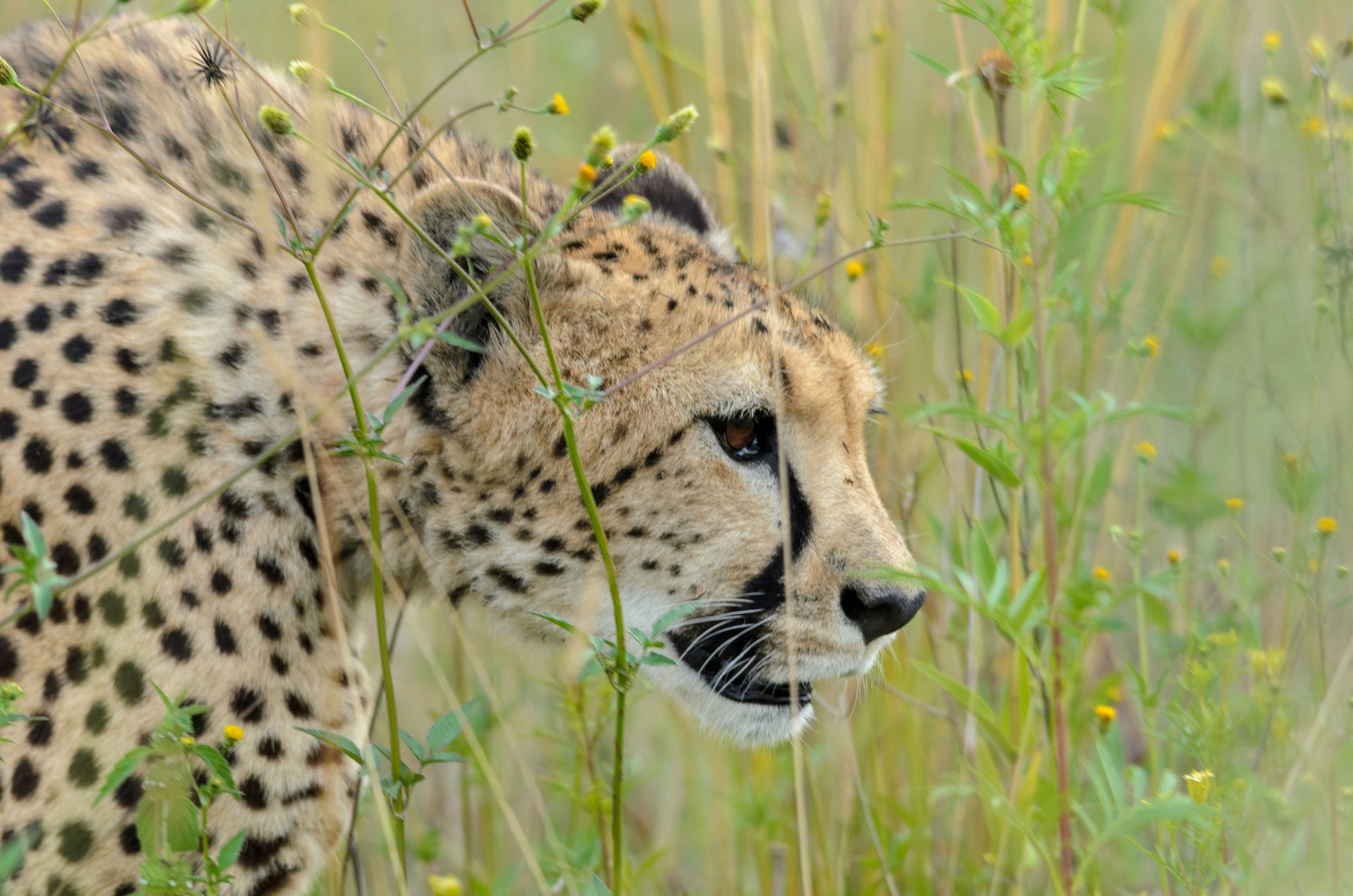
What distinguishes private reserves from national parks is their ability to limit visitor numbers, ensuring a more intimate and less intrusive safari. Vehicles can go off-road to follow elusive predators, night drives reveal the secretive nocturnal life of the bush, and guided bush walks bring travellers into visceral proximity with the land. The lower volume of tourists reduces ecological stress, while the higher revenue per guest sustains conservation programs that often exceed what public funds can provide.
Yet exclusivity does not mean isolation from the surrounding communities. Many private lodges have pioneered community engagement models that reinvest tourism income into schools, healthcare, and enterprise development. In the Greater Kruger area, for instance, reserves collaborate with local villages to provide skills training, empowering residents to find long-term livelihoods in guiding, hospitality, or conservation science. This integration acknowledges that true sustainability cannot exist in a vacuum: wildlife protection and human wellbeing must advance together.
Eco-tourism in these reserves is also about innovation. Solar power grids, greywater recycling systems, and plastic-free operations are becoming industry norms. Some lodges go further, incorporating permaculture gardens that supply kitchens, thereby reducing reliance on external supply chains. Travellers who choose such accommodations are not only indulging in world-class comfort but are also directly supporting a blueprint for future-ready tourism.
The guest experience in private reserves often extends beyond the safari vehicle. Storytelling plays a vital role, with rangers and trackers weaving narratives that contextualise every sighting. A pride of lions resting beneath acacia trees is not just a spectacle, but part of a larger tale of territory, survival, and interdependence. This narrative-rich approach transforms passive viewing into active learning, deepening travellers’ appreciation of the bush as a complex system rather than a mere backdrop for photography.
Private reserves highlight an important truth about South African tourism: conservation need not be at odds with comfort. In fact, when carefully managed, luxury tourism can be a powerful ally of preservation, generating revenue streams that keep ecosystems intact and species protected. Guests leave not only with memories of extraordinary encounters but also with the knowledge that their presence has contributed to safeguarding a fragile, irreplaceable heritage.
Eco-Tourism Initiatives and Conservation Success Stories
Across South Africa, eco-tourism initiatives are demonstrating how responsible travel can fuel meaningful conservation outcomes. From grassroots projects to nationally coordinated programs, these efforts reveal a country committed to finding innovative solutions to the challenges of preserving biodiversity while welcoming millions of visitors each year.
One of the most celebrated conservation success stories has been the resurgence of the white rhinoceros. Once on the brink of extinction, targeted protection efforts – including relocation to secure reserves and the establishment of anti-poaching units – have seen populations stabilise in certain regions. Tourists, through park fees and donations, have been instrumental in funding these initiatives. Similarly, cheetah conservation programs across private reserves have worked to reintroduce the world’s fastest land animal into safe habitats, using tourism revenue to fund monitoring and genetic diversity projects.
Marine conservation also plays a growing role in South Africa’s eco-tourism landscape. In coastal areas like Gansbaai, shark cage diving has evolved into a platform for education and advocacy. Operators adhering to strict guidelines ensure that encounters are safe for both sharks and humans, while simultaneously raising awareness about threats facing marine ecosystems. Whale watching along the Garden Route follows similar principles, offering visitors awe-inspiring experiences while promoting respect for migratory patterns and habitats.
Eco-tourism is also reshaping how travellers experience parks and reserves. Trails like the Wolhuter Wilderness Trail in Kruger allow guests to explore on foot, guided by rangers who interpret the finer details of the bush. These low-impact experiences reduce vehicle emissions and encourage deeper engagement with the environment. Community-led eco-lodges, such as those operated under the Madikwe and KwaZulu-Natal conservation models, demonstrate how local ownership can drive both conservation and socio-economic upliftment.
What unites these initiatives is a recognition of interconnectedness. Conservation is not just about saving animals, but about preserving ecosystems that sustain life in all its forms. For instance, the preservation of wetlands in iSimangaliso Wetland Park ensures not only bird and aquatic life thrive, but also secures water supplies for local communities. The reforestation projects in the Baviaanskloof provide similar dual benefits, restoring biodiversity while combating soil erosion and climate vulnerability.
Eco-tourism also fosters a powerful educational impact. Visitors leave South Africa with more than photographs; they carry new perspectives on the fragility of ecosystems and the urgency of conservation. Schools and volunteer programs further extend this impact by offering hands-on opportunities for young people, both local and international, to engage with restoration and wildlife management. This blending of travel and education seeds future generations of advocates, ensuring that the conservation message travels far beyond the borders of the reserves.
The country’s eco-tourism sector reflects a broader philosophy: that tourism must not simply consume resources, but actively regenerate them. In South Africa, conservation is not presented as a sacrifice but as an enriching dimension of travel, adding layers of meaning and purpose to the safari adventure.
Section Five: Responsible Travel – Shaping the Future of South African Tourism
As South Africa continues to position itself as a premier destination for wildlife and conservation adventures, the future of its tourism industry hinges on one crucial element: responsibility. The choices that travellers make – from the operators they support to the behaviours they adopt – will determine whether the country’s biodiversity flourishes or falters.
Responsible travel begins with awareness. It means recognising that a safari is not entertainment staged for human pleasure, but an invitation into an ecosystem where every action has consequences. Travellers who respect speed limits, maintain quiet at sightings, and avoid littering or feeding wildlife are contributing in small yet profound ways to the park’s integrity. Similarly, choosing lodges that invest in renewable energy, employ local staff, and support conservation programs ensures that each holiday leaves a positive legacy.
Education is central to this transformation. Tourists must be encouraged to understand the challenges faced by South Africa’s wildlife – from poaching and habitat loss to climate change – and to see themselves as part of the solution. Many lodges and parks have begun incorporating conservation talks into their itineraries, inviting rangers and scientists to share insights. This narrative-driven approach transforms passive tourism into participatory conservation, instilling a sense of responsibility that endures long after the journey ends.
Equally significant is the role of inclusivity. For decades, South Africa’s wildlife tourism was an elite pursuit, often inaccessible to local populations. Today, there is a growing emphasis on creating opportunities for all South Africans to engage with their natural heritage. Discounted rates for domestic travellers, community-owned lodges, and school outreach programs are gradually broadening access. Responsible tourism must be inclusive, ensuring that conservation is valued and supported across all sectors of society.
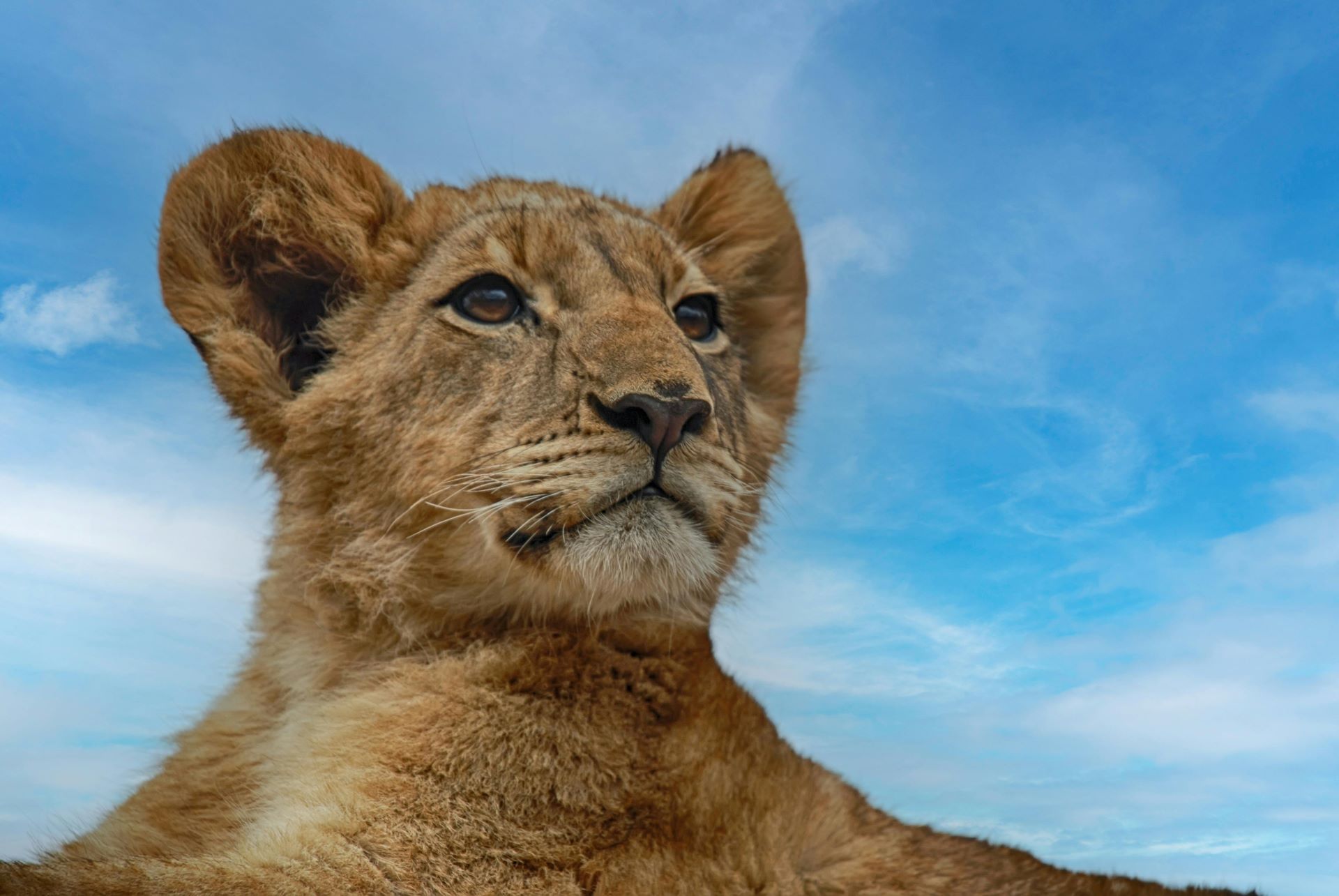
Travellers also have the power to influence industry standards. By choosing operators that adhere to eco-certifications or prioritise conservation transparency, tourists can drive demand for ethical practices. In turn, this pushes the broader sector toward sustainability, ensuring that profit is balanced with preservation. Social media amplifies this impact, as stories of responsible travel inspire others to adopt similar choices.
Looking forward, South Africa faces both immense challenges and extraordinary opportunities. Climate change threatens to alter rainfall patterns, impacting habitats and species distribution. Poaching syndicates remain a formidable foe, adapting with alarming sophistication. Yet alongside these threats are innovations: drone surveillance aiding anti-poaching units, wildlife corridors reconnecting fragmented ecosystems, and carbon-offset programs aligning travel with global sustainability goals.
In this evolving landscape, the role of the traveller becomes ever more critical. To visit South Africa is to step into a narrative that is still being written – a story of struggle, resilience, and hope. The decision to travel responsibly is a contribution to that story, ensuring that the roar of lions, the rumble of elephants, and the flight of eagles endure for generations to come.
Ultimately, responsible travel is not about limiting joy or curbing adventure. It is about enriching both. It allows travellers to return home not only with cherished memories but also with the knowledge that their journey mattered – that it left the world slightly better than they found it. In South Africa, where wildlife and conservation define the essence of tourism, that is perhaps the most meaningful souvenir of all.
Gerald Ferreira
Reporting from the frontlines of the South African tourism renaissance. Bridging the gap between regional stories and global audiences through elite narrative strategy.