

A Tourism Industry Built on Adrenaline
South Africa’s coastline has long carried a reputation for wild beauty. Towering cliffs, rolling surf, icy Atlantic currents, and deep ocean trenches create an environment that feels untamed in a way few destinations still do. Along certain stretches of the Western Cape, that atmosphere has become a major tourism product. Shark cage diving now attracts thousands of international visitors every year, turning marine predators into one of the country’s most recognisable adventure tourism experiences.
For many tourists, the appeal is immediate. Entering a steel cage suspended in open water while massive sharks glide nearby offers a combination of fear, fascination, and spectacle that few activities can match. It is not merely sightseeing. It is immersion into a marine ecosystem that feels ancient and unpredictable.
What began as a niche activity decades ago has evolved into a sophisticated tourism sector involving tour operators, accommodation providers, transport companies, conservation organisations, photographers, and hospitality businesses. Entire coastal towns have benefited from the economic ripple effects of shark tourism.
At the same time, the industry exists inside an increasingly complicated debate. Critics question the ethics of attracting sharks toward boats. Conservationists disagree over the impact on shark behaviour. Environmental pressure groups argue over whether tourism helps or harms fragile marine ecosystems. Safety regulations continue evolving as operators face growing scrutiny from both government and international travellers.
The shark cage diving industry therefore occupies an unusual position within South African tourism. It is both a commercial success story and a conservation battleground. It generates revenue through fear and fascination, while simultaneously depending on the protection of the very animals that make the business possible.
Why South Africa Became a Global Shark Diving Destination
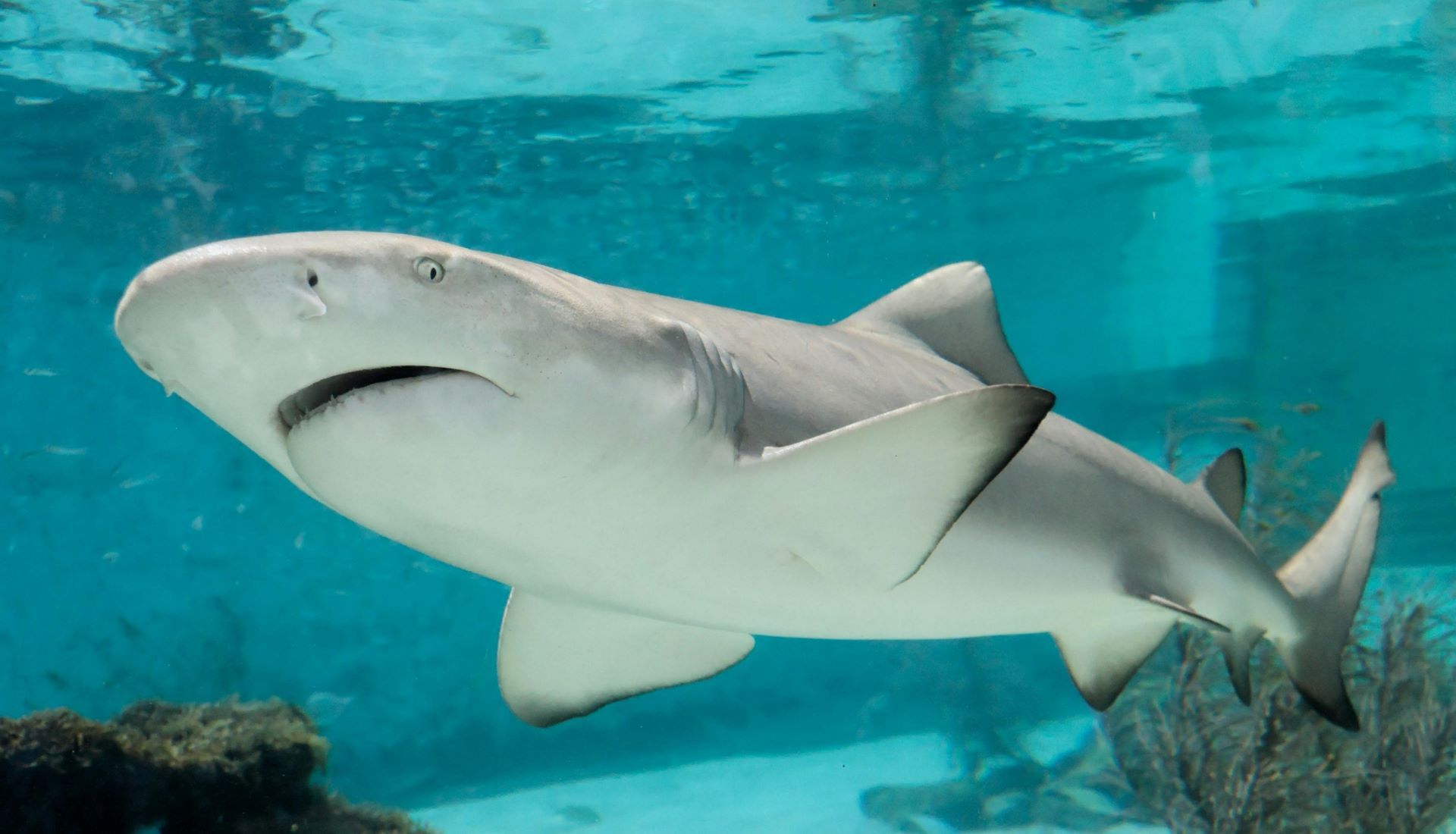
South Africa’s geography plays a major role in the success of the industry. The meeting point between the cold Atlantic Ocean and warmer Indian Ocean currents creates nutrient-rich waters that support abundant marine life. Large seal colonies, dense fish populations, and deep coastal channels provide ideal hunting conditions for sharks.
For years, areas such as Gansbaai, False Bay, and Mossel Bay became internationally associated with great white sharks. Documentary filmmakers, marine researchers, and photographers helped elevate these locations into iconic wildlife destinations. Footage of breaching sharks launching themselves from the water near Seal Island transformed the Western Cape into a bucket-list destination for adventure travellers.
Tourism operators capitalised on this attention quickly. Purpose-built boats, specialised dive cages, underwater viewing systems, and guided marine experiences began appearing across coastal towns. International visitors increasingly added shark diving to broader South African travel itineraries alongside safaris, wine tourism, and cultural attractions.
Unlike many forms of tourism that depend heavily on seasonal demand, shark diving also benefited from relatively stable year-round interest. International travellers seeking wildlife experiences often planned trips months in advance, creating consistent demand for accommodation and tour packages.
The growth of social media accelerated the industry even further. Underwater shark footage became powerful marketing material. Images of enormous dorsal fins cutting through dark water spread rapidly online, transforming shark diving into an aspirational adventure product. For many travellers, the experience represented something deeper than tourism. It symbolised confronting fear in a controlled environment.
That emotional component became commercially valuable.
The Economic Impact on Coastal Communities
Shark cage diving contributes far more to local economies than many visitors realise. While the tour itself may only last a few hours, the surrounding tourism ecosystem generates spending across multiple sectors.
Visitors require accommodation, meals, transport, fuel, equipment rentals, and often extended travel itineraries. In towns such as Gansbaai, tourism linked to sharks supports restaurants, guesthouses, tour guides, souvenir shops, and local transport services. Employment opportunities range from marine biologists and skippers to hospitality workers and dive instructors.
For smaller coastal communities, this type of tourism can become economically transformative. Traditional industries such as commercial fishing have faced increasing pressure from regulation, environmental decline, and fluctuating markets. Tourism provides an alternative revenue stream that relies on preserving marine wildlife rather than extracting it.
This shift carries major significance within modern conservation economics. Wildlife becomes more valuable alive than dead.
A single shark capable of attracting tourists repeatedly over several years may generate substantially greater economic value than one harvested through fishing. This argument has become central to marine conservation campaigns globally.
South Africa’s broader tourism economy also benefits from the international visibility generated by shark diving. Adventure tourism remains one of the strongest drivers of long-haul travel, especially among younger international visitors seeking experiential travel rather than traditional sightseeing.
For many travellers, shark diving functions as a headline attraction that encourages broader exploration of the country. A visitor arriving for marine tourism may also spend money on wine routes, national parks, road trips, restaurants, and domestic flights. The economic chain extends well beyond the coastline.
The Rise of Ethical Tourism Questions
Despite its economic benefits, shark cage diving has attracted increasing ethical scrutiny over the past decade.
The largest debate centres around chumming and baiting practices. Operators commonly use fish-based attractants to increase the likelihood of shark sightings. Although methods vary between companies, critics argue that conditioning sharks to associate boats with food may alter natural behaviour patterns.
Supporters of the industry often counter that sharks are highly migratory animals whose movements are influenced by complex ecological factors rather than short-term feeding stimuli. They also argue that regulated tourism creates opportunities for research, education, and conservation funding.
The scientific community itself remains divided on certain aspects of the debate. Some studies suggest minimal long-term behavioural changes, while others raise concerns about ecosystem disruption and altered hunting patterns near tourism hotspots.
Ethical concerns also extend beyond shark behaviour alone. Questions arise regarding overcrowding, excessive boat traffic, marine pollution, and stress placed on wildlife through constant human interaction.
Modern tourists have become increasingly conscious of these issues. International travellers now frequently research whether operators follow environmentally responsible practices before booking excursions. Sustainability has evolved from a marketing bonus into a commercial necessity.
As a result, many South African operators have shifted their branding toward eco-tourism and conservation education. Marine briefings, wildlife awareness sessions, and environmental messaging now form a central part of many tours.
The industry increasingly understands that tourists no longer want only adrenaline. They want justification for the experience.
The Conservation Paradox
One of the most fascinating aspects of shark tourism is the paradox at its centre. The industry depends on animals that humans historically feared, hunted, and misunderstood.
For decades, sharks suffered from deeply negative public perception. Films, sensational media coverage, and fear-driven reporting portrayed them as mindless killers rather than vital apex predators. Shark tourism helped reshape that narrative for many travellers.
Visitors who enter the water expecting monsters often emerge describing sharks as graceful, intelligent, and ecologically important. This emotional shift matters enormously for conservation awareness.
Marine conservation groups have leveraged tourism experiences to educate visitors about overfishing, finning, habitat destruction, and declining shark populations worldwide. In this sense, tourism acts as a gateway into broader environmental advocacy.
Yet conservationists also face a difficult reality. Tourism commercialises wildlife. Once an animal becomes profitable, pressure grows to maximise tourist exposure and increase visitor numbers.
That creates tension between ecological preservation and business expansion.
South Africa’s shark populations themselves face growing environmental pressure. Great white shark sightings in some regions have reportedly declined over recent years, influenced by changing ocean conditions, prey movement, commercial fishing pressure, and the arrival of orcas that prey on sharks.
These ecological shifts have affected tourism operators directly. Some companies have adapted by broadening tours to include bronze whaler sharks, seals, whales, dolphins, and other marine species. Others have invested more heavily in educational tourism rather than relying exclusively on guaranteed shark encounters.
The future of the industry may therefore depend less on spectacle and more on ecological adaptability.
Safety as a Commercial Imperative
Safety remains one of the defining pillars of the shark cage diving industry. Without public trust, the sector cannot survive.
Operators face strict expectations regarding vessel maintenance, emergency procedures, equipment quality, and staff training. International visitors often arrive with significant anxiety, meaning professionalism becomes essential not only for physical safety but also for customer confidence.
Modern shark diving operations typically involve detailed safety briefings before entering the water. Guests are instructed on breathing techniques, cage positioning, hand placement, and emergency protocols. Crew members monitor shark behaviour continuously while maintaining communication between divers and vessel staff.
Weather conditions also play a major role. South Africa’s oceans can become unpredictable rapidly, especially around the Cape coastline where strong winds and cold currents create volatile marine conditions. Reputable operators frequently cancel trips when sea states become unsafe.
Although shark cage diving has generally maintained a strong safety record, isolated incidents attract enormous international attention due to the dramatic nature of the activity. Viral videos and sensational headlines can affect public perception quickly, placing additional pressure on operators to maintain exceptionally high standards.
The industry also faces the challenge of balancing safety with authenticity. Tourists expect a thrilling experience, but operators must ensure excitement never overrides responsible decision-making.
This balancing act shapes nearly every aspect of the business.
Government Regulation and Industry Oversight
South Africa’s shark cage diving industry operates within a regulatory framework designed to protect both tourists and marine ecosystems. Government departments oversee permits, environmental compliance, vessel operation standards, and wildlife interaction protocols.
Permit allocation remains a particularly sensitive issue. Coastal regions can only support a limited number of tourism operators before ecological pressure becomes excessive. Competition for licences therefore carries significant commercial stakes.
Authorities must balance economic opportunity with environmental sustainability, often under intense scrutiny from tourism businesses and conservation groups alike.
Industry associations have also emerged to establish voluntary standards and encourage responsible practices among operators. Certification systems, environmental guidelines, and tourism codes of conduct increasingly shape how businesses market themselves internationally.
For foreign tourists, accreditation matters. Many travellers actively seek operators associated with recognised conservation or tourism bodies before booking experiences.
Regulation also affects international reputation. South Africa markets itself heavily as a destination for responsible wildlife tourism. Poorly managed shark tourism could damage broader perceptions of the country’s conservation credibility.
As global tourism becomes increasingly sustainability-focused, environmental governance may become just as important as marketing itself.
Media, Mythology, and Marketing
Few tourism industries rely on storytelling as heavily as shark cage diving.
The experience is marketed through emotion, suspense, and primal fear. Promotional videos often emphasise massive teeth, dramatic underwater encounters, and the thrill of entering predator territory. The imagery taps into something deeply psychological.
At the same time, operators must carefully avoid reinforcing harmful stereotypes about sharks.
This creates a fascinating marketing contradiction. The industry depends on sharks appearing dangerous enough to feel exciting, yet not so dangerous that tourists become unwilling to participate.
Documentaries have played a major role in shaping public perception. International productions filmed along the South African coastline transformed local marine environments into globally recognised wildlife theatres. Television networks and streaming platforms helped create a cinematic identity around the country’s oceans.
Social media intensified this effect dramatically. Tourists now arrive seeking footage capable of generating online engagement. Underwater GoPro clips, dramatic shark passes, and viral travel videos have become part of the tourism economy itself.
Experiences are no longer consumed privately. They are performed publicly online.
This visibility creates both opportunities and pressures. Operators capable of delivering visually compelling encounters gain marketing advantages, but they also face greater scrutiny regarding ethics and animal treatment.
Modern shark tourism therefore exists at the intersection of conservation, entertainment, and digital culture.
Climate Change and the Future of Marine Tourism
Climate change represents one of the largest long-term threats to South Africa’s marine tourism sector.
Ocean warming affects migration patterns, prey distribution, breeding cycles, and ecosystem stability. Changes in water temperature can shift where sharks hunt and travel, altering the predictability that tourism businesses rely upon.
Extreme weather patterns also increase operational risks. Rough seas, storms, and changing current systems may reduce the number of safe operating days available to tourism companies each year.
Marine biodiversity loss creates additional uncertainty. Shark populations depend on healthy food chains, and disruptions at lower ecological levels eventually affect apex predators as well.
For tourism operators, environmental instability translates directly into economic instability.
Some businesses are already diversifying their offerings in response. Whale watching, eco-cruises, marine photography tours, and broader educational experiences provide alternative revenue streams when shark activity becomes inconsistent.
This diversification may prove essential for long-term survival.
Future marine tourism businesses will likely need to operate with greater ecological flexibility, integrating conservation science more deeply into tourism planning and marketing strategies.
The Human Fascination With Sharks
Part of the industry’s enduring strength comes from something difficult to quantify: humans remain endlessly fascinated by sharks.
Few animals command such intense emotional reactions. Sharks represent fear, mystery, survival, and power all at once. Encountering one in the wild triggers an instinctive response that modern life rarely provides.
In an increasingly digital world, authentic encounters with untamed nature have become commercially valuable experiences. Travellers seek moments that feel real, immediate, and emotionally charged.
Shark cage diving delivers exactly that.
The experience also forces people to reconsider assumptions. Many visitors arrive carrying years of cultural conditioning shaped by films and media narratives. Seeing sharks behave calmly in their natural environment often disrupts those expectations profoundly.
This educational aspect may ultimately become the industry’s most important contribution.
Conservation rarely succeeds through statistics alone. Emotional connection drives behavioural change more effectively than information ever can. When tourists feel awe rather than fear, they become more likely to support marine protection initiatives long after returning home.
In that sense, the shark cage itself functions as more than a tourism attraction. It becomes a window into an ecosystem most people would otherwise never encounter.
South Africa’s Position in the Global Tourism Market
South Africa occupies a unique position within global adventure tourism. Few destinations offer the same combination of wildlife diversity, developed tourism infrastructure, scenic coastlines, and relative accessibility.
A visitor can experience safaris, wine tourism, urban culture, mountain landscapes, and marine adventures within a single itinerary. Shark cage diving strengthens this broader tourism portfolio by adding a globally recognisable adrenaline experience.
International competition does exist. Countries such as Australia, Mexico, and the United States also operate shark tourism industries. However, South Africa’s dramatic coastal scenery and established tourism networks continue providing strong competitive advantages.
The country’s reputation for wildlife experiences remains one of its strongest global tourism assets.
Maintaining that reputation will require continued investment in sustainability, safety, conservation science, and responsible tourism management. International travellers increasingly evaluate destinations based not only on excitement, but also on environmental credibility.
Tourism businesses that ignore this shift risk losing relevance in a changing global market.
A Delicate Balance Between Profit and Preservation
The business of shark cage diving in South Africa sits on a fragile line between opportunity and responsibility.
The industry generates employment, supports coastal economies, attracts international visitors, and helps fund conservation awareness. It transforms marine ecosystems into economic assets capable of supporting communities through non-consumptive tourism.
Yet its success also depends on restraint.
Too much commercial pressure risks damaging the ecosystems that sustain the industry itself. Poor regulation, irresponsible operators, or ecological neglect could undermine both conservation goals and tourism credibility.
The future of shark tourism will likely depend on how effectively South Africa balances these competing pressures. Conservation science, ethical tourism practices, community involvement, and environmental accountability must remain central to the industry’s evolution.
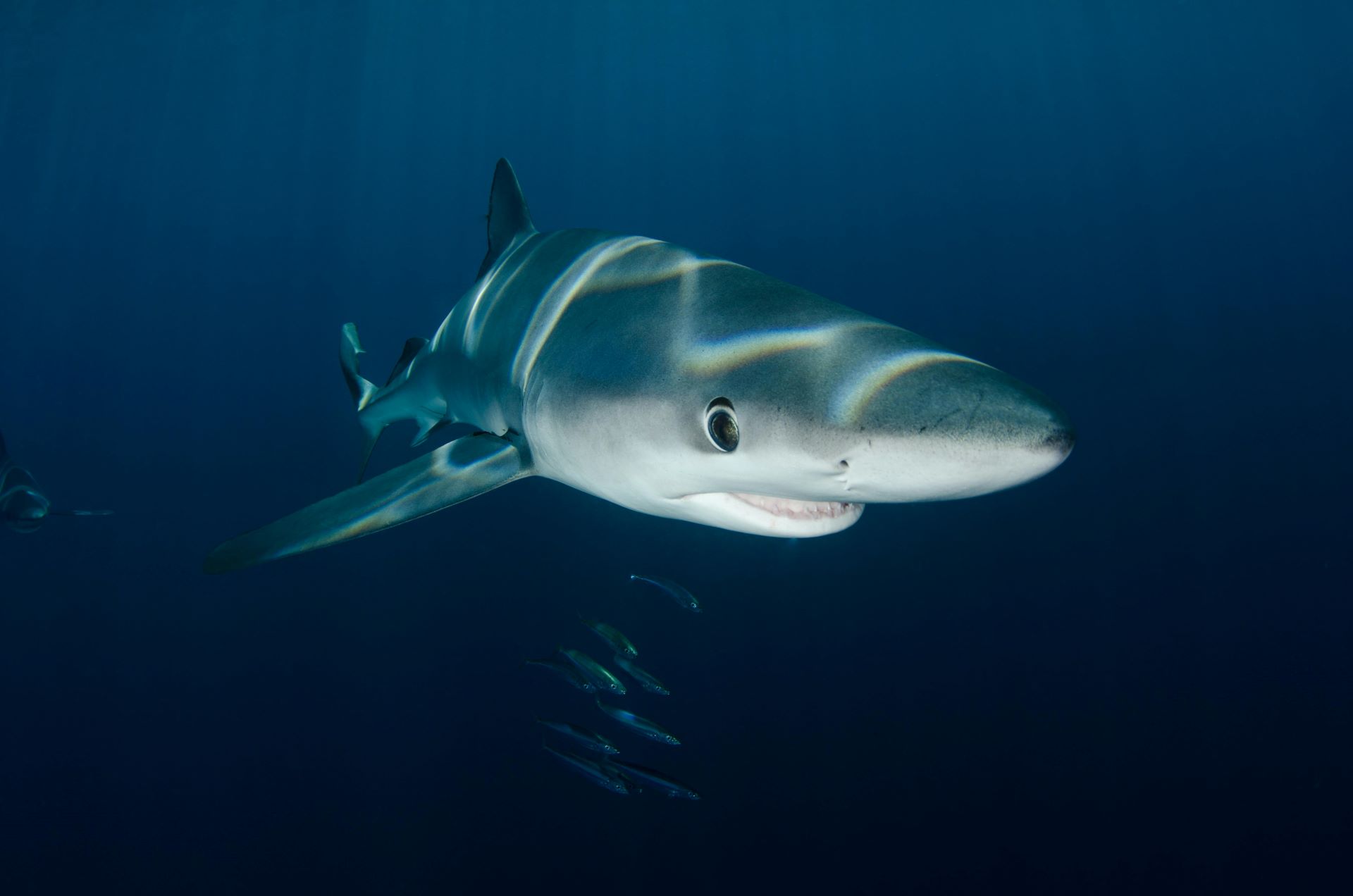
The irony is impossible to ignore. One of the world’s most feared predators has become an ambassador for marine conservation and a cornerstone of coastal tourism economies.
Steel cages, camera lenses, and tourist boats now orbit creatures that once inspired little more than panic. Somewhere beneath the cold Atlantic swells, sharks continue moving through waters older than human memory, indifferent to the industries built around them.
Meanwhile, above the surface, South Africa continues transforming fear into fascination, and fascination into tourism.
Elisha Roodt
Reporting from the frontlines of the South African tourism renaissance. Bridging the gap between regional stories and global audiences through elite narrative strategy.