

Exploring the Panorama Route: A Scenic Mpumalanga Road Trip for South African Travellers
The Panorama Route is one of South Africa’s best-known scenic road trips, and for good reason. It brings together high escarpment views, deep valleys, waterfalls, forest roads and small towns in a part of Mpumalanga that feels very different from the country’s major cities. For many visitors, it is also the natural scenic companion to a safari holiday in the Kruger National Park.
The route is not a single road with one official starting point and finish line. It is a collection of attractions and towns spread across the Mpumalanga escarpment, usually explored from bases such as Graskop, Hazyview, Sabie or Ohrigstad. This flexibility makes it suitable for different types of travellers. Some visitors spend one full day seeing the major viewpoints, while others stay for several nights and explore at a slower pace.
A successful Panorama Route trip is less about trying to tick off every stop and more about allowing enough time for the scenery. The roads climb and curve through mountain landscapes, and many of the best views require a short walk from a parking area. Weather can also change quickly, with clear mornings sometimes giving way to mist or afternoon rain.
Why the Panorama Route Belongs on a South African Travel Itinerary
South Africa has many beautiful driving routes, but the Panorama Route stands out because of the variety packed into a relatively compact area. Visitors can move from lush forest and waterfalls to open viewpoints over the Blyde River Canyon within the same day.
The route is especially appealing to travellers who enjoy nature without needing a demanding hiking itinerary. Many major attractions are accessible by car, followed by short paths to viewpoints. This makes the area suitable for couples, families, groups of friends and international visitors who want to see more of the country beyond a city or beach holiday.
It also works well as part of a longer Mpumalanga trip. Travellers heading to Kruger can spend time on the Panorama Route before or after their safari, adding a different kind of landscape to the holiday. Wildlife viewing and canyon scenery offer two distinct experiences, and combining them can make a trip feel more complete.
A Landscape Shaped by Water and Time
The escarpment landscape has been shaped over millions of years by rivers, weather and erosion. The result is a region of steep cliffs, deep ravines, rock formations and waterfalls that change character with the season.
During the wetter months, waterfalls are often at their most dramatic and the surrounding vegetation is green and dense. During drier periods, the views may be clearer and travel conditions can feel easier, although water levels at some falls may be lower.
The changing conditions are part of what makes the route interesting. A viewpoint visited on a clear morning can feel completely different when clouds move through the valley later in the day.
Plan for a Slower Pace
Distances between attractions may look short on a map, but travel can take longer than expected. Roads are winding, viewpoints can be busy during school holidays, and visitors often want more time than planned once they arrive.
For a first visit, it is usually better to choose a few key stops and enjoy them properly. Trying to fit every waterfall, viewpoint and town into one day can turn a scenic trip into a rushed drive.
A practical approach is to group attractions by area. One day can focus on Graskop and the nearby waterfalls, while another can be dedicated to the canyon viewpoints further north. This creates more room for meals, photography, short walks and unplanned stops along the way.
The Major Stops Along the Route
The Panorama Route has several famous attractions, but each offers a different kind of experience. Some are about wide views across the landscape, while others bring visitors close to water, rock and forest.
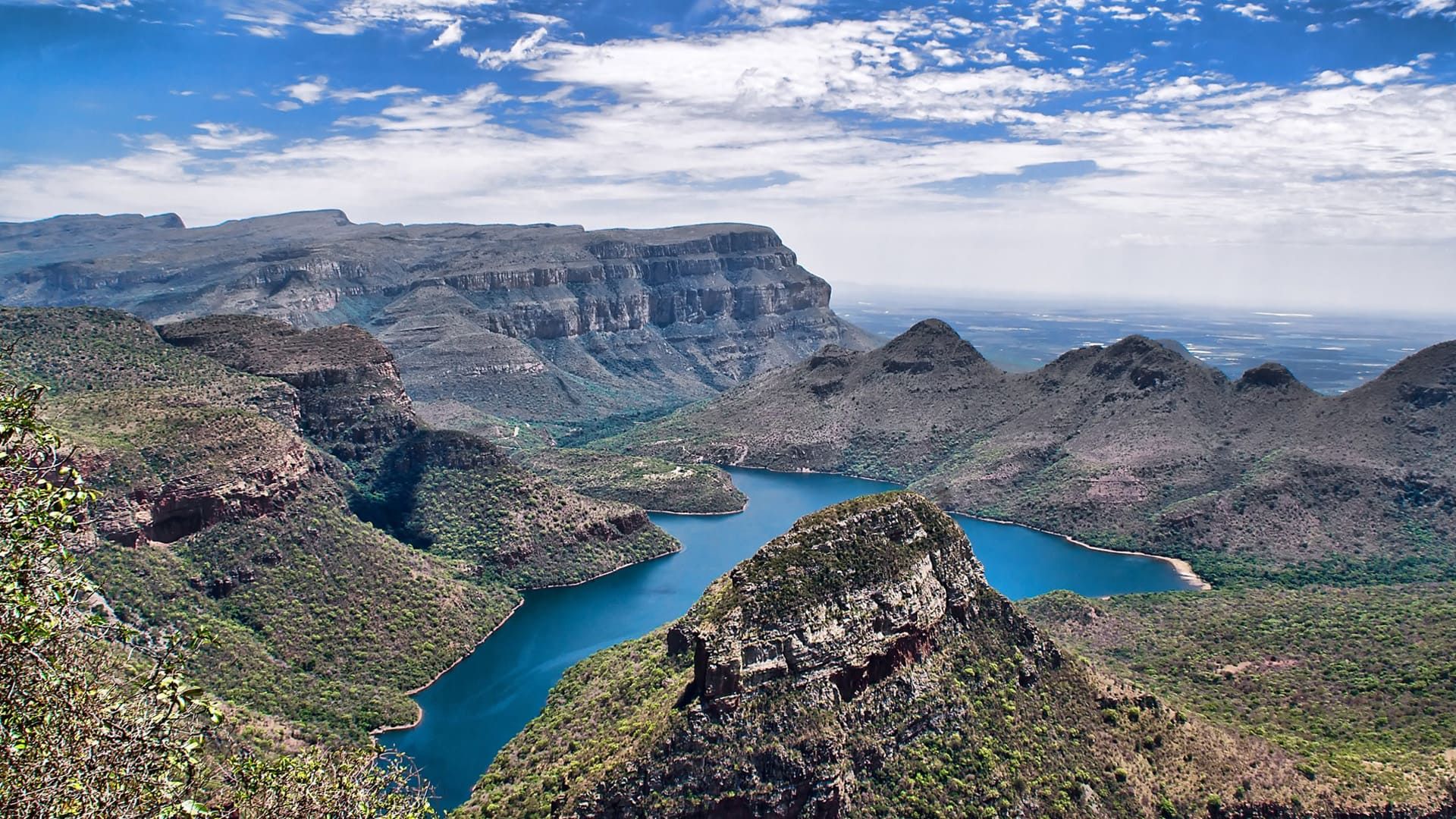
The Blyde River Canyon is one of the largest green canyons in the world and is the centrepiece of the route for many travellers. Its scale is best appreciated from viewpoints along the canyon edge, where the landscape opens out into long ridges and valleys.
Nearby, God's Window is known for its elevated views over the Lowveld. On a clear day, visitors can see far across the landscape, but mist can sometimes cover the view. Even when visibility is limited, the forest walk and escarpment setting can still make the stop worthwhile.
Three Rondavels and Bourke’s Luck Potholes
The Three Rondavels are among the route’s most recognisable rock formations. Their rounded shapes resemble traditional rondavel huts, and the viewpoint looks across the canyon toward the formations. It is a popular photography stop, particularly in the morning or later afternoon when the light is softer.
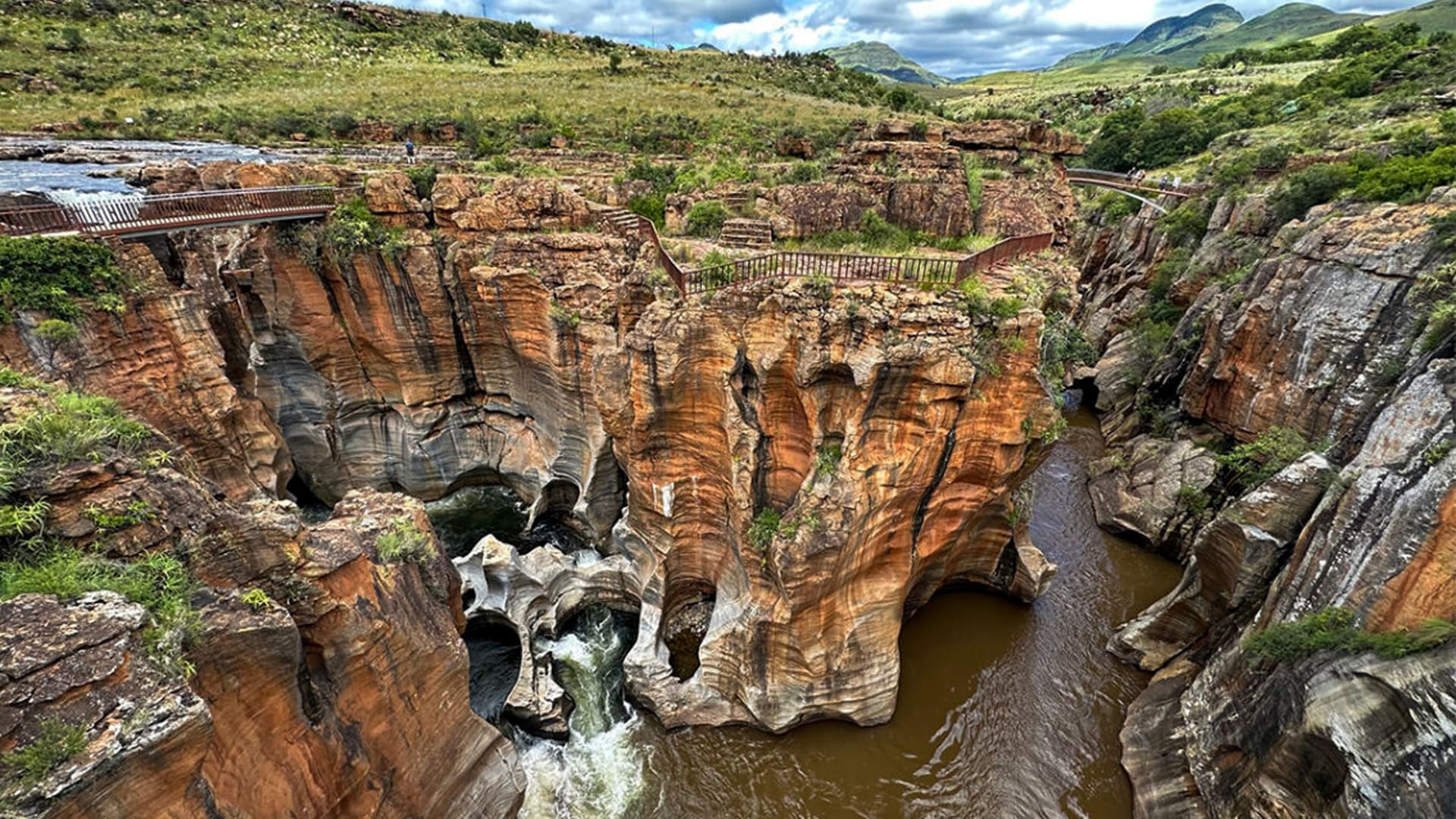
Bourke's Luck Potholes offers a different view of the region’s geology. Here, flowing water has carved smooth cylindrical formations into the rock at the meeting point of the Treur and Blyde rivers. Walkways and bridges allow visitors to look down into the formations and see how water continues to shape the landscape.
Both stops are easy to combine in a day, but it is worth allowing time to walk the paths rather than only stopping for a quick photograph. The details of the rock, water and changing colours are part of what makes these places memorable.
Waterfalls Around Sabie and Graskop
The towns of Sabie and Graskop are surrounded by waterfalls, many of which are accessible with short walks from nearby parking areas. Lisbon Falls is one of the better-known stops, with water dropping in multiple streams into a deep gorge. Berlin Falls is another popular option, known for its tall drop and pool below.
Mac-Mac Falls is a convenient stop for travellers moving between Sabie and Graskop. It has a viewing area and is often included in a day of waterfall sightseeing.
The best waterfall choices depend on time, weather and where you are staying. Rather than visiting every one, choose two or three that fit naturally into your route. This leaves time to enjoy the surrounding scenery and avoid spending the entire day getting in and out of the car.
Where to Stay and How to Build Your Route
Choosing the right base can make the trip much easier. Graskop is popular because it is close to several major viewpoints and waterfalls. It has accommodation, restaurants and a central position for travellers who want to explore the route over one or two days.
Sabie is another useful base, especially for visitors who want to spend more time around forests and waterfalls. Hazyview is often chosen by travellers combining the Panorama Route with Kruger National Park, as it provides access to both scenic drives and safari areas.
The best option depends on the rest of your itinerary. If your main focus is canyon viewpoints, staying near Graskop can reduce driving time. If you are moving on to Kruger, Hazyview or the southern access areas may be more practical.
A One-Day Panorama Route Plan
A one-day route can work well if you start early and focus on the main attractions. Begin near Graskop with God’s Window or a nearby waterfall, then continue north toward Bourke’s Luck Potholes and the Three Rondavels.
Build in time for a relaxed lunch, fuel stops and short walks. The route is not only about the major landmarks; the drive itself includes changing scenery, roadside viewpoints and small towns where you may want to pause.
If you only have one day, avoid trying to add too many distant stops. It is better to see fewer places well than to arrive at every viewpoint with only a few minutes to spare.
A Two- or Three-Day Stay
With two or three days, travellers can explore more comfortably. One day can focus on canyon viewpoints, another on waterfalls and forest areas, and a third can be used for a scenic drive, local activity or travel onward to Kruger.
This slower schedule is particularly useful for photographers, families with young children and visitors who want to enjoy meals at their accommodation rather than returning after dark. It also provides flexibility if weather affects visibility at a key viewpoint.
Misty conditions are common in parts of the escarpment. If God’s Window is covered in cloud on one day, you may have another chance to return when the weather improves.
Practical Tips for a More Enjoyable Trip
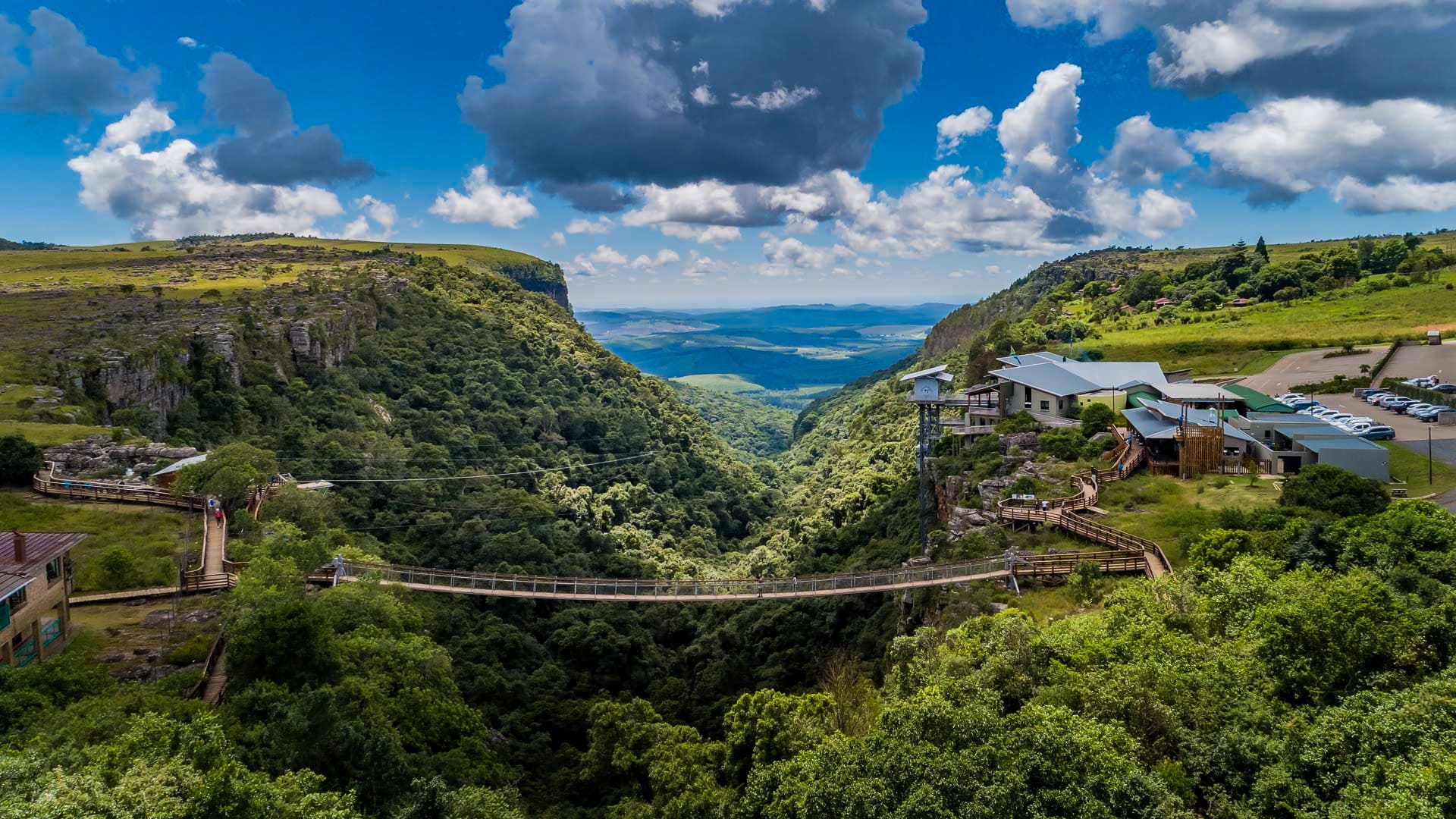
The Panorama Route is accessible to many travellers, but a little preparation helps. Check road conditions before setting out, especially during heavy rain. Fill up with fuel before longer drives, keep water in the vehicle and carry a light jacket because temperatures can be cooler at higher viewpoints.
Comfortable shoes are useful even if you are not planning a long hike. Many viewpoints involve uneven paths, steps or short walks over natural ground. A hat, sunscreen and rain layer can also be helpful, as the weather may change during the day.
Mobile signal can be inconsistent in some areas, so downloading maps before travelling is a sensible idea. It is also worth keeping cash or a card available for entrance fees, parking and small local purchases.
Travel Responsibly in Natural Areas
The views and waterfalls are part of a sensitive natural environment. Visitors should stay on marked paths, avoid climbing over barriers and take litter away with them. These rules protect both people and the landscape.
Photography is one of the highlights of the route, but it is important not to take risks for a better angle. Cliffs, wet rocks and steep drop-offs can be dangerous, especially after rain.
Supporting local businesses can also add value to the trip. Small cafés, craft shops, guides and accommodation providers are part of the region’s tourism economy. Stopping for a meal or buying locally made products can make the journey feel more connected to the places you are visiting.
Combine Scenery With a Kruger Safari
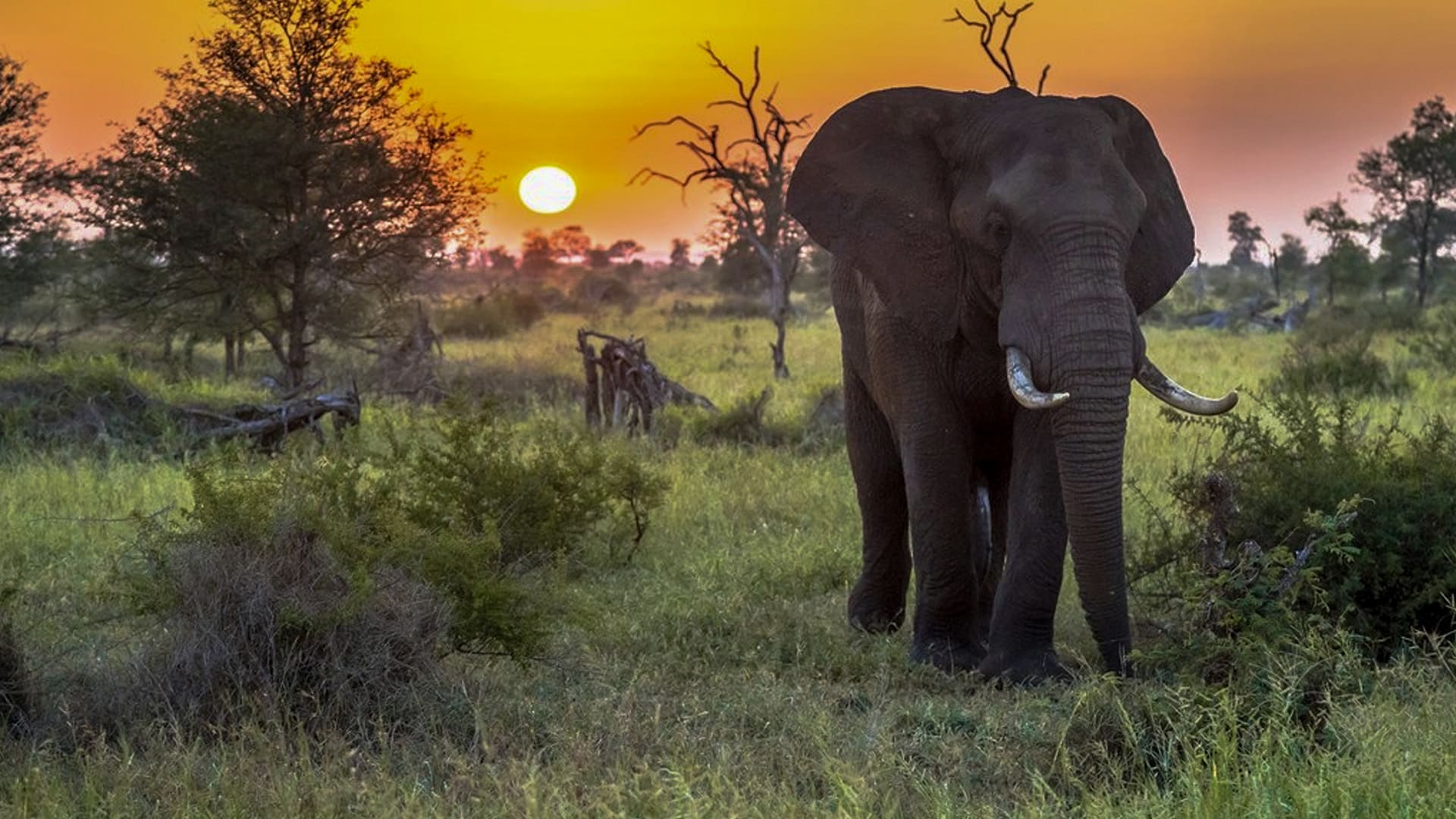
For many travellers, the Panorama Route is the ideal lead-in or follow-up to a Kruger visit. The route offers dramatic landscapes, while Kruger provides the chance to see wildlife in one of Africa’s best-known national parks.
Combining both experiences creates variety. After early mornings looking for animals in Kruger, the waterfalls and viewpoints of Mpumalanga offer a different rhythm. It is a practical way to experience more of the province without needing to travel across the country.
When planning, allow enough travel time between accommodation and park gates. A scenic drive can take longer than expected, and arriving before dark is generally more comfortable when travelling in unfamiliar areas.
A Route That Rewards Curiosity
The Panorama Route is not only about its most famous viewpoints. It is also about the quiet moments between them: mist moving through the trees, a roadside stall, the sound of water below a waterfall or a view that appears unexpectedly around a bend in the road.
Travellers who give themselves time to explore will often find that the route feels less like a list of attractions and more like a journey through one of South Africa’s most distinctive landscapes. Whether you are adding it to a Kruger holiday, planning a weekend road trip or introducing overseas visitors to the country, the Panorama Route offers a memorable way to see Mpumalanga from a different perspective.
Elisha Roodt
Reporting from the frontlines of the South African tourism renaissance. Bridging the gap between regional stories and global audiences through elite narrative strategy.