

The Garden Route has long been one of South Africa’s most celebrated tourism corridors, attracting local and international travellers with its dramatic coastline, indigenous forests, mountain passes, lagoons, and seaside towns. Stretching through parts of the Western and Eastern Cape, the route connects destinations such as Mossel Bay, George, Wilderness, Knysna, Plettenberg Bay, Nature’s Valley, and Tsitsikamma. Under ideal conditions, it delivers one of the country’s most scenic road-trip experiences.
Yet beneath that beauty sits a far less predictable reality. Coastal weather along the Garden Route can change rapidly, especially during winter and transitional seasons. Heavy rainfall, gale-force winds, flooding, storm surges, and landslides can disrupt movement across the region with little warning. Roads become dangerous, outdoor attractions close temporarily, and tourism operators are forced to adapt in real time.
For the tourism industry, these disruptions are not rare anomalies. They are operational realities that require preparation, communication, and backup planning systems capable of responding quickly when conditions deteriorate.
The Garden Route’s growing tourism economy depends not only on attracting visitors, but also on maintaining resilience when weather events interrupt normal activity. As climate patterns become increasingly unpredictable, the ability to manage disruption effectively has become just as important as the destination itself.
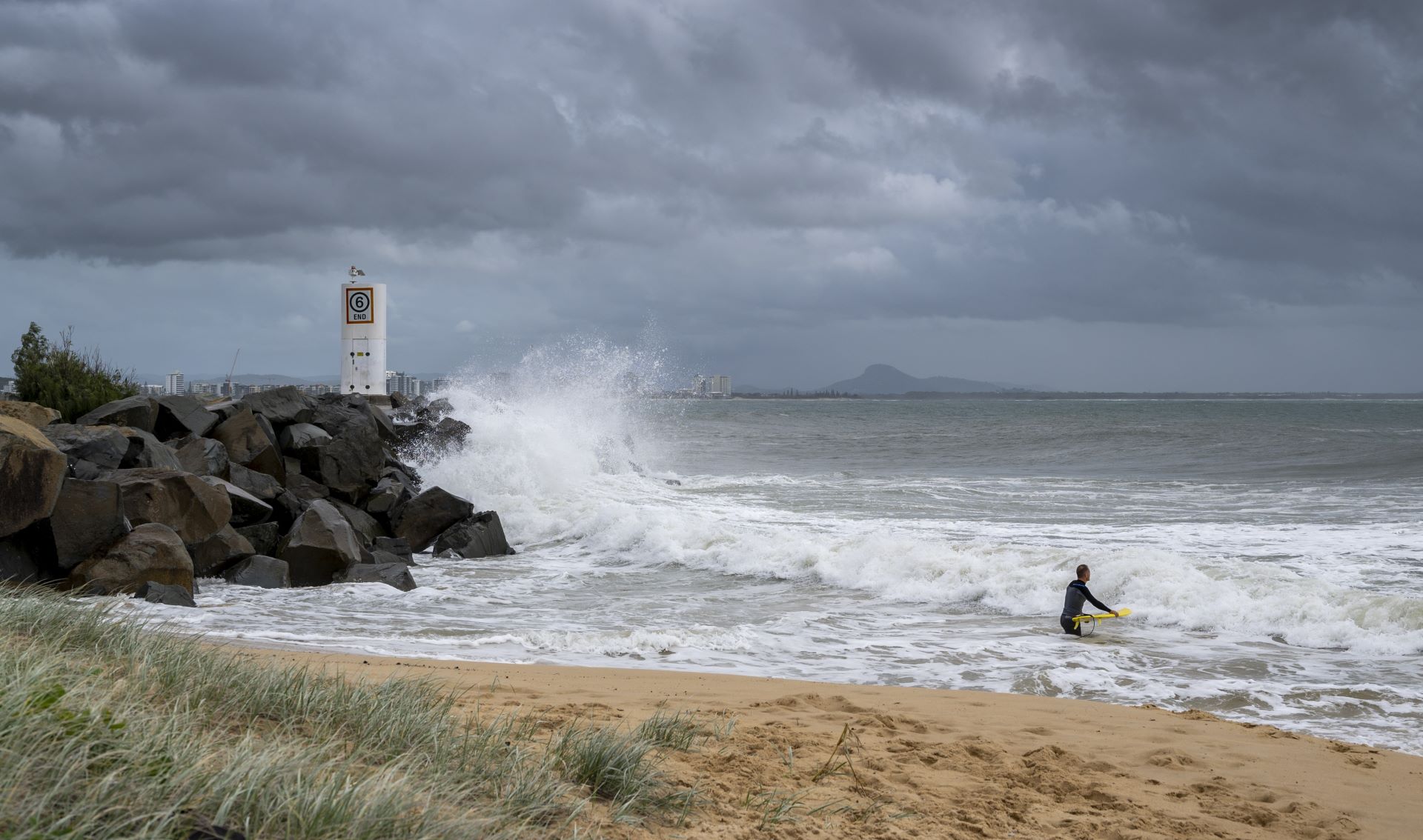
Why Coastal Weather Along the Garden Route Is So Unpredictable
The Garden Route occupies a geographically complex section of South Africa’s southern coastline. Weather systems moving in from the Atlantic and Indian Oceans frequently interact with mountain ranges, river systems, and coastal pressure zones, creating conditions that can shift dramatically within hours.
Cold fronts moving across the Cape region are often intensified by moisture-rich ocean air. This combination can produce heavy rainfall over short periods, particularly in mountainous catchment areas surrounding George, Wilderness, and Knysna. Rivers rise quickly, stormwater systems become overwhelmed, and low-lying areas are exposed to flash flooding.
Strong coastal winds add another layer of risk. During severe storm events, wind damage can affect power infrastructure, trees, signage, and tourism facilities. In exposed coastal areas, rough seas and storm surges can also threaten beachfront infrastructure and ocean-facing roads.
Unlike inland regions where weather systems may weaken gradually, coastal conditions along the Garden Route often intensify suddenly. A calm morning can become a dangerous travel environment by late afternoon.
This unpredictability creates unique challenges for tourism businesses that depend heavily on mobility, outdoor experiences, and tightly planned travel schedules.
The Impact on Major Tourism Routes
The N2 highway serves as the backbone of Garden Route tourism. It connects key towns and attractions while supporting transport for tour operators, logistics companies, hospitality providers, and self-drive travellers.
When storms hit the region, this route becomes vulnerable to several forms of disruption.
Flooding is among the most common issues. Sections of road near rivers, wetlands, and drainage crossings can become submerged during periods of sustained rainfall. Even when roads remain technically open, reduced visibility and standing water create hazardous driving conditions.
Landslides and rockfalls also become major concerns in mountainous areas and along steep embankments. Saturated soil weakens slopes, increasing the likelihood of debris entering roadways. Secondary roads are particularly vulnerable because they often have narrower shoulders, weaker drainage systems, and limited maintenance access during emergencies.
Bridges represent another critical pressure point. If a bridge becomes unsafe or inaccessible, entire sections of the tourism corridor can be temporarily isolated.
For tourists travelling on fixed schedules, even minor closures can create major disruptions. Accommodation bookings, activity reservations, transport transfers, and guided tours are all affected when travel times suddenly increase or routes become inaccessible.
Tourism Businesses Under Pressure During Storm Events
Tourism operators along the Garden Route operate in a highly interconnected ecosystem. Accommodation providers depend on predictable arrivals. Adventure operators rely on weather windows. Restaurants prepare for fluctuating visitor volumes. Shuttle services coordinate tight travel schedules between destinations.
When severe weather interrupts one part of the system, the effects spread rapidly.
Hotels and guesthouses often deal with late arrivals, unexpected cancellations, and stranded guests unable to continue their journeys. Tour operators must reroute activities, modify itineraries, or cancel outdoor excursions entirely.
Adventure tourism businesses face particularly difficult conditions during storms. Activities such as kayaking, hiking, whale watching, ziplining, and coastal exploration all carry increased risk when weather conditions deteriorate.
Safety becomes the immediate priority.
Operators are forced to balance customer expectations with responsible decision-making. In some cases, this means sacrificing revenue in favour of protecting guests and staff.
Transport providers face similar challenges. Shuttle services and guided road tours depend heavily on route accessibility and timing. Delays caused by weather disruptions can create scheduling bottlenecks that affect multiple groups simultaneously.
Without effective contingency planning, even a short-term storm system can create operational chaos.
How Backup Planning Systems Reduce Tourism Disruption
In regions where weather volatility is common, backup planning systems are no longer optional. They are essential operational tools that help tourism businesses maintain continuity during disruptions.
The most effective systems are proactive rather than reactive.
Tourism operators increasingly monitor weather forecasts several days in advance, particularly during storm-prone seasons. This allows businesses to prepare staff, adjust schedules, and communicate with travellers before conditions become dangerous.
Flexible itinerary planning is one of the most important strategies. Instead of building rigid schedules around fixed outdoor activities, experienced operators create adaptable travel plans that allow alternatives when weather affects specific attractions.
An outdoor hiking activity, for example, may be replaced with an inland cultural experience, wine tasting route, museum visit, or local food tour if heavy rainfall makes trails unsafe.
Accommodation flexibility is another key component of effective backup planning. Some tourism businesses maintain partnerships with alternative lodges or guesthouses in nearby towns, allowing them to relocate travellers if road access becomes compromised.
Transport contingency planning is equally important. Operators often identify secondary routes and inland detours ahead of time so that drivers can adapt quickly when closures occur.
Communication systems tie all these elements together.
Real-time messaging through WhatsApp groups, booking platforms, email alerts, and tourism coordination networks allows businesses to update travellers quickly when conditions change.
The speed and clarity of communication often determine whether a disruption remains manageable or escalates into a larger operational problem.
The Role of Local Authorities and Emergency Services
Municipal disaster management teams play a critical role during severe weather events along the Garden Route. Their responsibilities include monitoring flood risks, coordinating emergency responses, managing road closures, and issuing public safety warnings.
Traffic authorities work closely with road agencies to assess dangerous areas and redirect motorists when necessary.
Tourism businesses rely heavily on these updates to make operational decisions. Accurate information regarding road conditions, weather forecasts, and emergency access routes helps operators avoid unnecessary risk.
National parks and conservation areas also implement temporary restrictions during dangerous conditions. Hiking trails may close due to flooding or unstable terrain, while marine activities can be suspended when ocean conditions become unsafe.
These measures are not simply precautionary. Coastal environments can become extremely hazardous during storms, particularly in areas with cliffs, swollen rivers, or strong wave activity.
Tourism operators that maintain strong relationships with local authorities are generally better positioned to adapt quickly during emergencies.
Climate Change and Increasing Weather Volatility
The tourism sector is becoming increasingly aware of the relationship between climate change and extreme weather events.
While storms have always affected the Garden Route, many industry observers believe that rainfall intensity, flooding frequency, and weather unpredictability are becoming more severe over time.
This creates long-term planning challenges for infrastructure development and tourism operations.
Road networks designed decades ago may struggle to cope with modern stormwater volumes. Coastal erosion threatens certain beachfront areas, while drainage systems in growing towns can become overwhelmed during major rainfall events.
For tourism businesses, resilience planning is becoming a permanent part of operational strategy rather than a seasonal concern.
Investment in stronger infrastructure, better forecasting systems, emergency communication tools, and flexible booking policies will likely become increasingly important across the sector.
Sustainable tourism planning now includes not only environmental protection, but also climate adaptation and disaster preparedness.
How Travellers Can Prepare for Weather Disruptions
While tourism businesses carry much of the operational responsibility during storm events, travellers also play an important role in reducing risk.
Visitors travelling along the Garden Route during storm-prone periods should allow flexibility in their schedules. Tight travel timelines leave little room for delays caused by road closures or weather-related cancellations.
Monitoring weather forecasts regularly is essential, particularly for self-drive travellers covering long distances between towns.
Travellers should also avoid underestimating coastal weather conditions. Heavy rainfall, poor visibility, and strong winds can make unfamiliar roads significantly more dangerous.
Keeping emergency supplies, charging mobile devices, and maintaining updated navigation information can make a substantial difference during unexpected disruptions.
Most importantly, travellers should follow official warnings and avoid attempting to bypass road closures or safety barriers.
Storm conditions along the Garden Route can escalate rapidly, and risky decisions often place additional pressure on emergency services already managing difficult situations.
The Importance of Resilient Tourism Infrastructure
As the Garden Route continues to grow as a tourism destination, infrastructure resilience will become increasingly important.
Road maintenance, drainage upgrades, bridge reinforcement, and emergency response systems all contribute to the long-term sustainability of the tourism economy.
Digital infrastructure also plays a growing role. Reliable communication networks allow businesses and travellers to access real-time information during disruptions.
Tourism hubs that invest in resilience planning are more likely to recover quickly after severe weather events.
This includes not only physical infrastructure, but also operational systems, staff training, crisis communication strategies, and regional cooperation between tourism stakeholders.
Resilient tourism is not simply about surviving storms. It is about maintaining trust among travellers while protecting communities, businesses, and employees during periods of disruption.
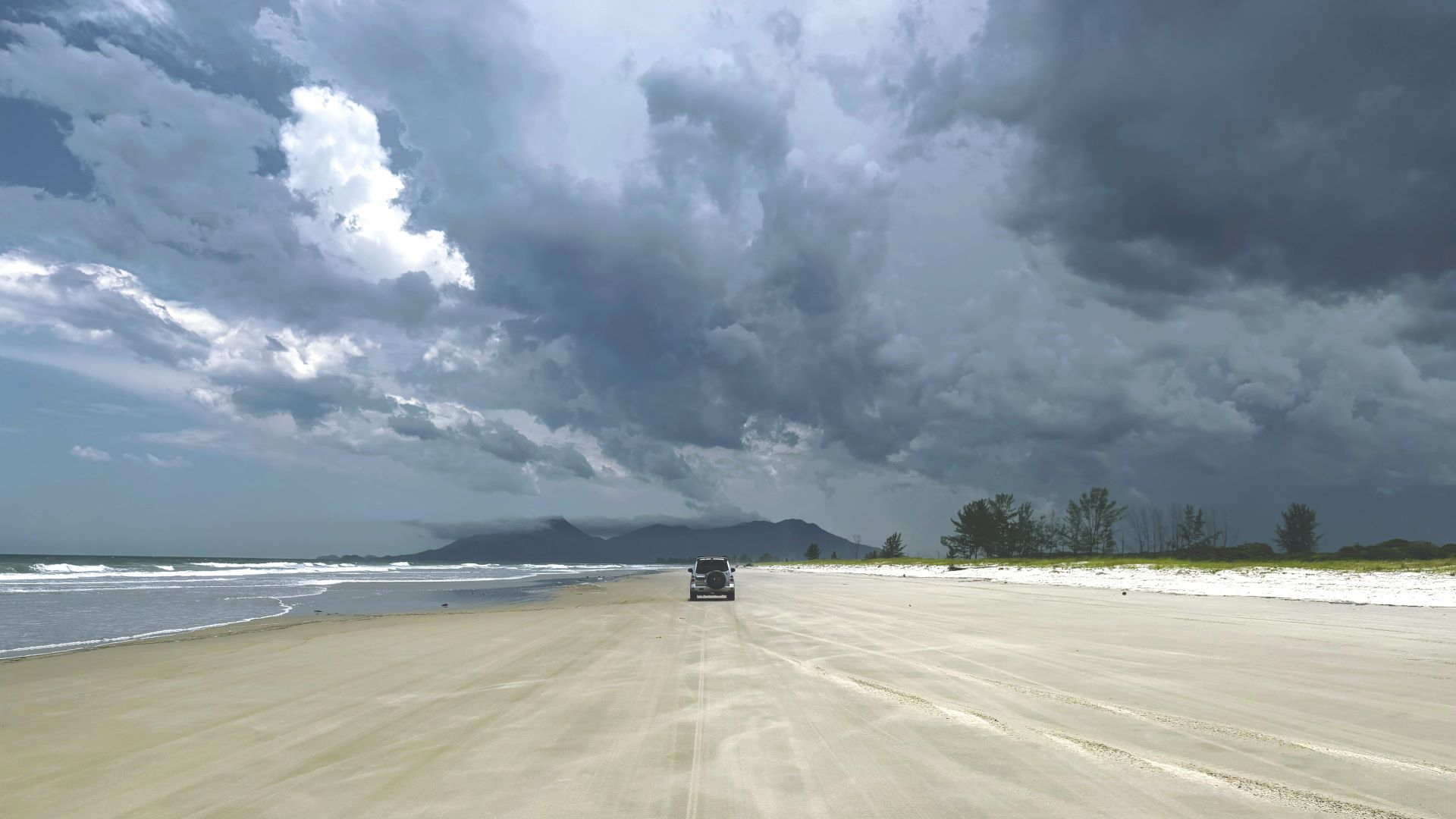
The Garden Route remains one of South Africa’s most remarkable tourism regions, offering visitors an unforgettable combination of coastline, forests, wildlife, and small-town hospitality. Its beauty, however, exists alongside a highly dynamic coastal weather system capable of disrupting travel with little warning.
Storms affect far more than road conditions. They influence tourism schedules, business operations, visitor safety, and regional economic activity.
As weather volatility continues to shape the tourism landscape, backup planning systems have become critical components of successful tourism management. Flexible itineraries, emergency communication networks, alternative transport planning, and coordinated disaster response strategies all help reduce the impact of severe weather events.
For tourism operators, resilience is now part of the product itself.
For travellers, preparation and flexibility are increasingly necessary when exploring one of South Africa’s most weather-sensitive coastal regions.
The Garden Route will always remain a destination defined by dramatic natural beauty. That same natural power, however, demands careful planning, operational adaptability, and respect for the unpredictable conditions that shape life along the coast.
Gerald Ferreira
Reporting from the frontlines of the South African tourism renaissance. Bridging the gap between regional stories and global audiences through elite narrative strategy.