

A Culinary Journey Beyond the Familiar
South Africa’s townships are more than residential clusters often reduced to statistics or stereotypes—they are vibrant hubs of culture, creativity, and resilience. Beneath the hum of minibus taxis, the chatter of neighbours, and the rhythm of everyday life, a culinary landscape thrives that is as diverse as it is authentic. Township street food, born from necessity, ingenuity, and cultural heritage, has evolved into a celebrated gateway for travellers seeking genuine South African experiences.
A township street food tour is not simply a chance to taste local cuisine—it is an invitation to immerse oneself in the stories, traditions, and daily rituals that shape communities across the nation. From Cape Town’s sprawling Cape Flats to the historic streets of Soweto, these tours are a feast for all senses. The aroma of braaied meats mingles with the scent of freshly baked vetkoek, while vibrant stalls, colourful murals, and local produce dazzle the eye. Each bite carries with it a story: of heritage, survival, and the creative energy that thrives in these neighbourhoods. For visitors, food becomes a lens through which to explore history, social dynamics, and the indomitable spirit of community.
Soweto: The Culinary Soul of Johannesburg
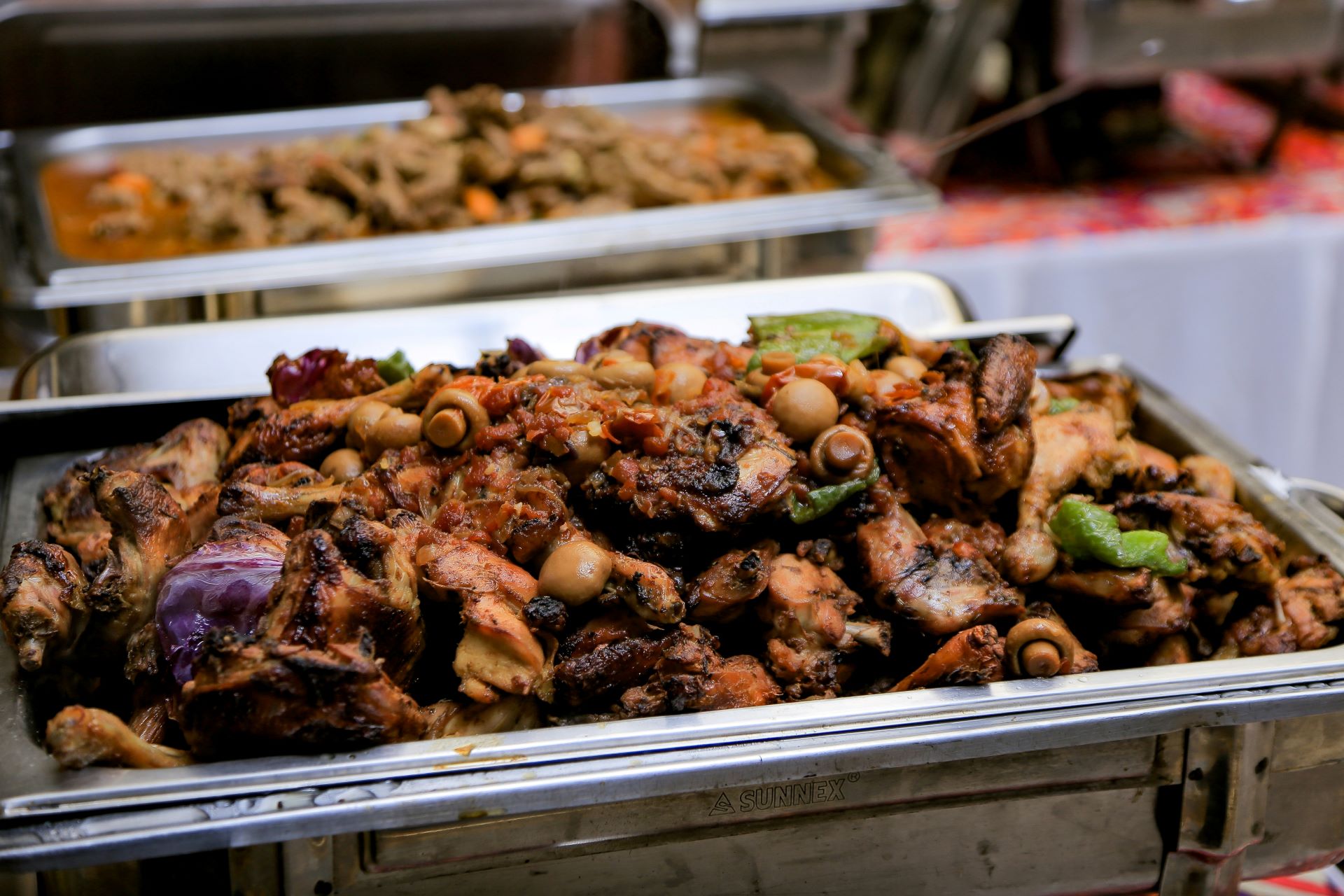
Few places capture the fusion of history, culture, and street food quite like Soweto. Known globally for its role in the anti-apartheid struggle, Soweto today pulsates with culinary entrepreneurship. Walking down Vilakazi Street, tourists encounter an energetic medley of street vendors, small cafés, and informal eateries where locals savour traditional meals like kota—a hollowed loaf filled with a medley of fried sausage, eggs, potato chips, and cheese—or the iconic bunny chow, a hollowed bread loaf filled with spicy curry, which, though originating in Durban, has been embraced as a Johannesburg staple.
Guides on these tours do more than point out dishes; they act as narrators of Soweto’s layered history. Each stall is a chapter, each recipe a reflection of familial tradition and creative survival. Visitors often converse with vendors who share tales of recipes handed down across generations, of turning modest beginnings into thriving micro-businesses. Sampling chakalaka—a spicy relish of vegetables and beans—or a freshly grilled boerewors roll is inseparable from the stories of those who prepare them, transforming a simple meal into a profound cultural encounter.
Evenings in Soweto carry a unique energy. Street corners are alive with music, laughter, and the sizzle of open coals. Weekend food markets morph into impromptu festivals, with traditional drums or kwaito beats accompanying the rhythmic turning of meats on a braai. Tours here are as much social experiences as culinary ones, offering visitors a chance to engage with community life and feel the pulse of one of South Africa’s most famous townships.
Cape Town: Flavours Amidst the Cape Flats
The Cape Flats present a different, equally compelling culinary narrative. These sprawling townships, extending from Cape Town toward the south and east, showcase a multicultural palette influenced by African, Malay, and European traditions. Walking tours often begin with snoek braaied over open flames or pickled fish dishes that pay homage to the Cape Malay community. Bunny chow here carries a distinctive twist, often incorporating fresh, local produce and spices that highlight the region’s agricultural richness.
Food in the Cape Flats is inseparable from identity. Vendors, often operating from vividly painted yards or converted shipping containers, create colourful tableaux of movement, scent, and taste. For tourists, exploring these neighbourhoods is a lesson in creativity and resilience, revealing how communities transform constraints into culinary expression. Every dish tells a story: from the vendor who started with a humble stall to a small business owner celebrated for their signature spice blends.
Markets are a cornerstone of township life in the Cape Flats. Visitors encounter stalls where chutneys, jams, handmade crafts, and artisanal products sit alongside sizzling food. Sampling a koeksister—its syrupy sweetness balanced by subtle spice—or sipping rooibos tea with locals, becomes a journey into cultural heritage as much as it is a taste adventure. Here, food is not just nourishment; it is community, memory, and identity served on a plate.
Durban and the Legacy of Indian Influence
Durban’s townships offer yet another dimension of street food culture. The city’s Indian heritage is celebrated through a rich culinary tapestry that includes curries, samosas, and the iconic bunny chow. In townships such as Umlazi or KwaMashu, street food tours reveal the interplay between African and Indian flavours, reflecting Durban’s distinctive multicultural history.
Vendors here often specialise in secret family recipes or spice blends perfected over generations. Every bite tells a story of perseverance, creativity, and cultural pride. For tourists, these tours extend beyond eating; they include participation in community rituals, from observing families sharing meals to joining cooking demonstrations. Experiencing the preparation of Durban curry or rolling fresh dough for vetkoek is an education in culture, hospitality, and tradition, enriching the act of eating into an immersive learning experience.
The Heart of Township Cuisine: Storytelling Through Food
What distinguishes township food tours is not merely the taste of the dishes but the narratives woven into every encounter. Guides connect meals to historical events, personal anecdotes, and community resilience. Every plate, every spice, every method of preparation reflects a story of survival and ingenuity.
For example, the humble vetkoek, deep-fried dough often filled with curried mince, speaks to resourcefulness during economically challenging times. Chakalaka, a spiced vegetable relish, embodies the blending of flavours that mirror South Africa’s diversity. Even the simple act of grilling boerewors on an open flame conveys tradition, communal gathering, and cultural pride. By understanding the origins of these foods, visitors appreciate not only taste but the people and histories that sustain them.
Cultural Exchange and Community Connection
Township street food tours facilitate meaningful cultural exchange. Tourists gain insight into local traditions and culinary innovation, while vendors benefit from exposure, economic support, and the opportunity to share their narratives globally. This interaction challenges stereotypes and fosters understanding, turning tourism into a mutually beneficial exchange rather than mere consumption.
Workshops and cooking classes are increasingly incorporated into tours, inviting visitors to participate in food preparation. Whether it’s seasoning a curry with indigenous spices, shaping koeksisters, or learning braai techniques, tourists develop a tangible connection to the cuisine and, by extension, to the township itself. These experiences underscore that food is a social act, a shared rhythm of life that transcends mere sustenance.

Supporting Local Economies and Sustainable Tourism
Responsible township tours prioritize sustainability and economic empowerment. By engaging directly with small-scale vendors, tourists help sustain local livelihoods, foster entrepreneurship, and celebrate cultural heritage. Many tour operators partner with community organisations, ensuring that revenue remains within the township and contributes to social initiatives, education, or skill development programs.
Furthermore, street food vendors often rely on seasonal produce, traditional cooking methods, and minimal packaging, promoting environmental sustainability. Tourists who choose these tours not only enjoy authentic experiences but also support ethical tourism practices that uplift communities and preserve cultural integrity.
Music, Art, and the Atmosphere of Township Markets
Food in South African townships exists within a broader sensory landscape. Street markets resonate with music—kwaito, maskandi, gospel, or jazz—that accompanies the culinary experience. Murals and street art add a visual dimension, transforming ordinary streets into vibrant canvases of community expression.
Tours often integrate these sensory elements, offering a holistic experience. Guests might enjoy a plate of spicy chakalaka while listening to drumming lessons nearby or witness a vendor braaing boerewors under the gaze of a mural depicting township heroes. The combination of taste, sound, and sight creates an immersive, multi-layered understanding of township life that goes beyond the conventional tourist experience.
Signature Dishes and Their Stories
Bunny Chow: More Than Just Bread and Curry
Bunny chow epitomizes the ingenuity of South African street food. Originally crafted by Indian workers in Durban who used hollowed-out loaves to carry curry for lunch, it has become a national icon. Each version tells a local story: the Durban variant is intensely spiced, while Johannesburg’s iteration may include sausage or vegetables. Sampling bunny chow across townships offers insights into regional adaptations, cultural exchange, and community ingenuity.
Vetkoek: The Sweet and Savoury Tradition
Vetkoek, deep-fried dough filled with anything from curried mince to syrup or jam, reflects adaptability and creativity. Vendors often take pride in family recipes that have been refined over decades, balancing texture, flavour, and aroma. Beyond its taste, vetkoek serves as a vehicle for cultural memory, a dish that links past and present through a simple yet profoundly satisfying bite.
Chakalaka and Braaivleis: Flavours of Community
Chakalaka, with its mix of beans, peppers, and spices, complements the iconic South African braai—a gathering where meat, laughter, and conversation converge. In townships, braaivleis is both a social and culinary tradition. Street food tours often centre around these communal meals, allowing tourists to witness and participate in rituals that strengthen community bonds.
Beyond the Food: Festivals and Culinary Events
Township culinary culture is also celebrated in festivals and markets that draw both locals and visitors. Events like Soweto’s annual street food festival or Cape Town’s township market weekends offer a concentrated taste of local cuisine, music, and art. These festivals provide an opportunity to sample dishes from multiple vendors, engage in workshops, and enjoy performances that showcase local talent.
Participating in these events is more than a sensory pleasure; it is an immersion into cultural rhythms. Visitors gain insight into how food, music, and art intersect to form a dynamic and living heritage that continues to evolve in the modern era.
Planning Your Township Food Tour
Successful township food tours combine preparation, respect, and curiosity. Choosing a reputable operator ensures authentic encounters with trusted vendors and knowledgeable guides. Tours range from half-day strolls to multi-day explorations combining food, heritage sites, craft markets, and music.
Timing also matters. Weekends are lively, with bustling markets and street performances, while weekday tours allow more intimate, personal interactions with vendors. Respectful engagement—asking questions, listening attentively, and appreciating the community’s context—enhances the experience. For those willing to embrace the pace, rhythm, and vibrancy of township life, these tours provide unmatched insight into South African culture.
A Feast of Flavours, Stories, and Community
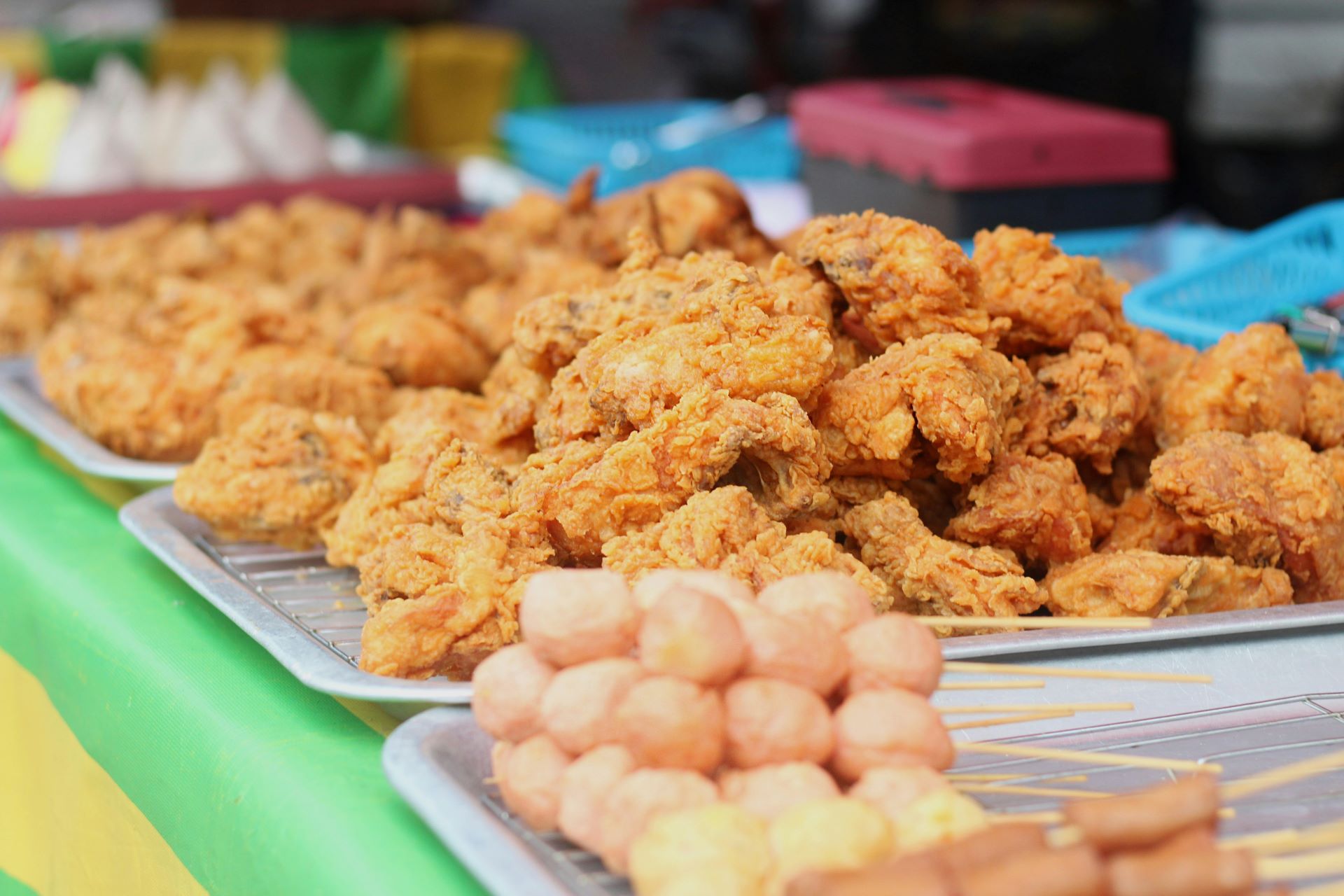
South Africa’s township street food tours offer far more than culinary indulgence—they provide a lens into the heart of communities, revealing resilience, creativity, and culture in every bite. Each dish is a story, each vendor a custodian of heritage, and each tour a bridge connecting locals and visitors.
Exploring township cuisine is an act of celebration: celebrating the ingenuity that turns humble ingredients into extraordinary flavours, the vibrancy of communities that thrive despite challenges, and the unifying power of food to connect people across backgrounds. In these streets, flavour becomes narrative, aroma becomes memory, and every meal is a testament to the living, breathing culture of South Africa’s townships.
For travellers, there is no better way to experience the nation than through its street food—a journey that nourishes not only the body but the mind, soul, and understanding of a nation rich in flavour, story, and spirit.
Herman
Reporting from the frontlines of the South African tourism renaissance. Bridging the gap between regional stories and global audiences through elite narrative strategy.