

The Rise of Fly-In Safari Tourism
South Africa’s safari landscape is undergoing a quiet but powerful transformation, one that is reshaping how travellers enter the wild rather than what they experience once they arrive. The journey itself has become part of the luxury narrative, stitched together by aircraft rather than long, dusty road transfers. What was once a logistical hurdle is now a defining feature of the high-end safari economy.
Fly-in safari tourism has evolved into a finely tuned system of aerial mobility, linking major cities like Johannesburg, Cape Town, and Durban to remote lodges scattered across game reserves and private conservancies. The result is a continent where wilderness no longer feels distant, but delicately suspended within reach of a short runway.
From Long Roads to Lift-Off
Traditionally, reaching a safari lodge in South Africa meant hours of road travel through rural highways, gravel tracks, and game reserve entry points. While scenic, these journeys often added fatigue before the safari had even begun.
Today, the model is shifting. Travellers are increasingly opting for direct air access into lodge airstrips, dramatically compressing travel time while expanding geographical reach. Instead of navigating terrain, guests now traverse altitude layers, arriving closer to wildlife corridors and private reserves with minimal delay.
Operators across the region have refined this system into a coordinated network of charter flights, scheduled shuttle services, and lodge-operated aircraft support, designed specifically for safari logistics. :contentReference[oaicite:0]{index=0}
This shift is not merely convenience. It is a structural rethinking of safari accessibility itself.
The Hidden Infrastructure of Safari Aviation
Behind every seamless arrival lies a surprisingly intricate aviation ecosystem. Small aircraft fleets, regional charter companies, and lodge partnerships form the backbone of fly-in tourism.
Across Southern Africa, operators maintain versatile fleets capable of reaching remote destinations daily. Some specialise in luxury lodge transfers, others in multi-leg safari circuits that connect reserves across national borders. :contentReference[oaicite:1]{index=1}
These aircraft do not operate like commercial airlines. They are agile, flexible, and deeply responsive to terrain. Many lodges rely on private or semi-private airstrips carved into bushveld clearings or positioned along reserve boundaries. These strips are often short, minimally equipped, and designed for precision landings rather than scale.
The infrastructure is subtle but essential. Fuel logistics, weather monitoring, luggage constraints, and wildlife proximity rules all influence scheduling. In this sense, safari aviation is less about airports and more about orchestrated access points into nature.
Airstrips as Gateways to Wilderness
An airstrip in South Africa’s safari regions is not merely a landing zone. It is a threshold.
From Kruger-linked reserves to the remote edges of Madikwe and Timbavati, airstrips function as entry portals into ecosystems that are deliberately kept low-impact. Some sit within minutes of luxury camps, allowing guests to disembark and transition directly into game drive vehicles without ever touching a public road.
The experience is intentionally designed to feel seamless. Guests step off a light aircraft, often onto a strip of packed earth framed by acacia trees, and within moments are being welcomed by lodge staff. In many cases, the safari begins before luggage is even fully unloaded.
This immediacy has reshaped expectations. Travel friction is removed, replaced by a controlled sense of arrival that feels both cinematic and efficient.
Private Charters and the New Safari Luxury
Private charter aviation has become one of the defining features of modern safari tourism in South Africa. It caters to travellers who prioritise time efficiency, exclusivity, and personalised routing over fixed schedules.
Operators such as regional charter companies now offer bespoke flights tailored to lodge itineraries, honeymoon packages, and multi-destination safari circuits. :contentReference[oaicite:2]{index=2}
These flights often connect major urban airports directly to lodge-adjacent airstrips, eliminating intermediate stops entirely. The aircraft used are typically turboprops or light jets, chosen for their ability to operate on short runways and varied terrain.
The appeal lies not only in speed but in control. Routes can be adjusted, departure times aligned with international arrivals, and luggage constraints adapted for safari-specific travel requirements such as soft duffel packing and weight balancing.
In this environment, aviation becomes an extension of hospitality rather than transport.
Luxury Mobility as a Travel Philosophy
Fly-in safari tourism has introduced a new concept into South African travel: mobility as luxury.
Rather than viewing transit as a necessary interruption, the journey itself becomes curated. Scenic aerial views of rivers, escarpments, and savannah plains are no longer incidental; they are part of the product.
Some operators design flights specifically to maximise visual experience, routing aircraft over the Okavango Delta, Kruger’s river systems, or the dramatic escarpments of Limpopo. In this sense, the safari begins at altitude.
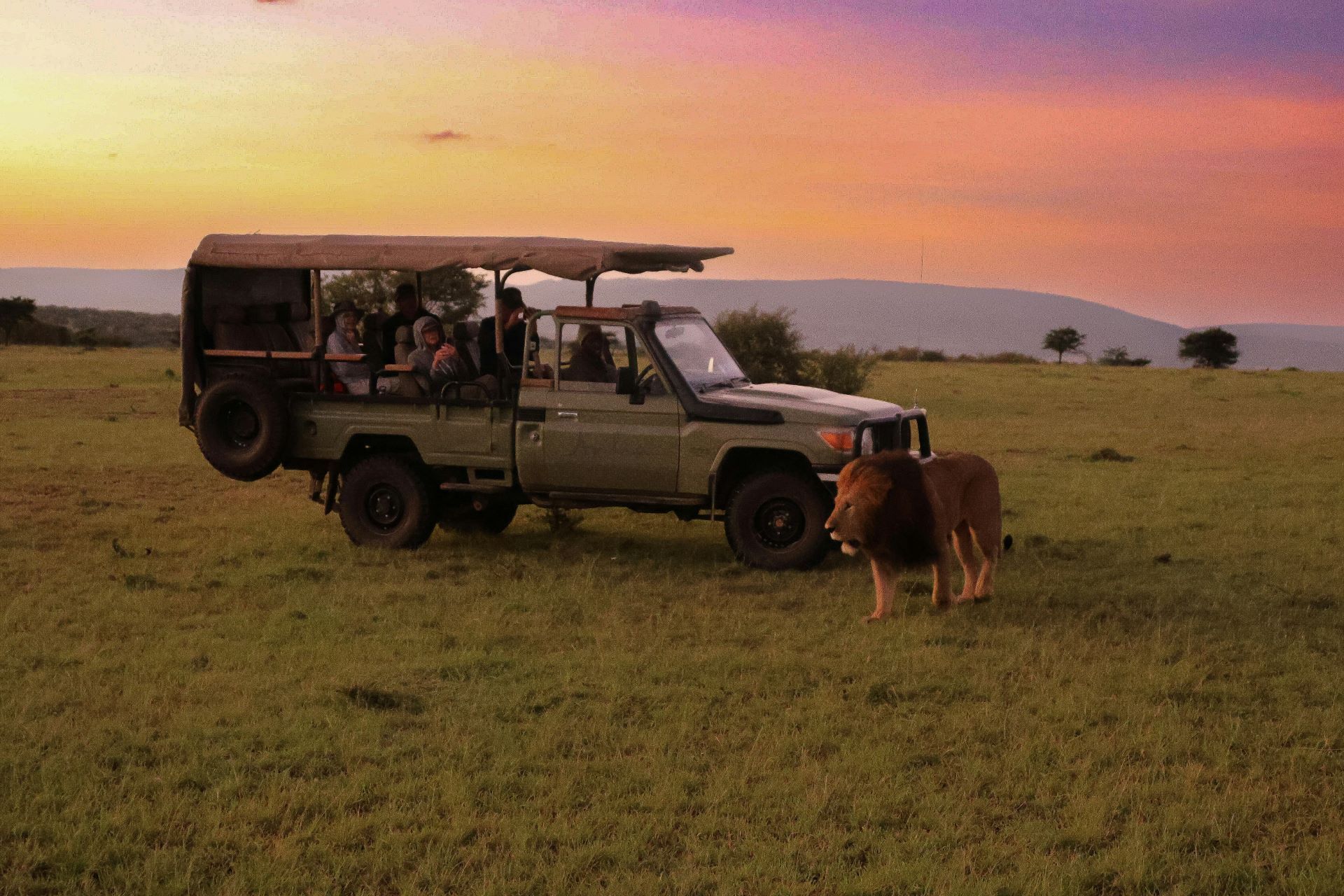
This philosophy extends into ground operations as well. Lodge transfers from airstrips are often conducted in open safari vehicles, turning the final kilometre into an immediate wildlife encounter. The boundary between arrival and game drive dissolves completely.
Kruger and the Air Network Advantage
The Kruger ecosystem and its surrounding private reserves represent the most developed fly-in safari network in South Africa.
Multiple airstrips service the region, connecting directly to some of the country’s most prestigious lodges. Travellers can fly from Johannesburg in just over an hour and arrive within minutes of their accommodation, bypassing lengthy road transfers entirely.
These routes are supported by both scheduled and charter operators, ensuring high frequency access even during peak safari seasons. The result is a highly efficient corridor where international travellers can land in South Africa and be deep in wildlife territory within half a day.
The integration of aviation into Kruger’s tourism model has become a benchmark for the rest of the continent.
Remote Lodges Made Reachable
Perhaps the most profound impact of fly-in safari tourism is the way it has unlocked remote lodges that were once considered logistically challenging.
Properties deep within private reserves or bordering conservation areas can now welcome guests without requiring endurance travel. This has allowed luxury hospitality to expand into previously underutilised ecological zones, spreading tourism revenue more evenly across regions.
From Botswana’s water-rich safari landscapes to South Africa’s northern wilderness corridors, air access has democratised remoteness. Guests no longer need to choose between comfort and isolation; they can have both in a single itinerary.
The Role of Aviation in Conservation Economics
While fly-in safaris are often associated with luxury, they also play a crucial role in conservation funding. Remote lodges depend on controlled visitor access to sustain anti-poaching initiatives, habitat preservation, and community employment programs.
By making these regions accessible through limited-capacity aviation routes, tourism becomes a managed economic engine rather than an environmental strain. The high value, low volume model ensures that wildlife areas remain protected while still generating necessary revenue.
In this way, every landing contributes to the maintenance of the ecosystem it enters.
The Guest Experience Redefined
For the traveller, the experience of a fly-in safari is marked by speed, clarity, and immersion.
The journey typically unfolds in stages: international arrival, domestic charter flight, and final lodge transfer from a remote airstrip. Each transition is deliberately smooth, designed to remove friction rather than highlight it.
What remains is immediacy. Wildlife is encountered sooner, landscapes appear without gradual buildup, and the safari narrative begins almost instantly upon landing.
It is travel compressed into its most efficient form, yet paradoxically more expansive in emotional scope.
The Future of Safari Aviation in South Africa
Looking forward, fly-in safari tourism is expected to expand further as demand for time-efficient luxury travel increases. Improvements in aircraft technology, scheduling systems, and sustainable aviation practices will likely deepen the integration between air mobility and conservation-based tourism.
New lodge developments increasingly include airstrip planning from inception, rather than retrofitting access later. This signals a future where aviation is not an accessory to safari tourism but a foundational design principle.
South Africa, with its diverse reserves and established charter networks, remains one of the most advanced ecosystems for this evolution.
A Sky-Bound Safari Era
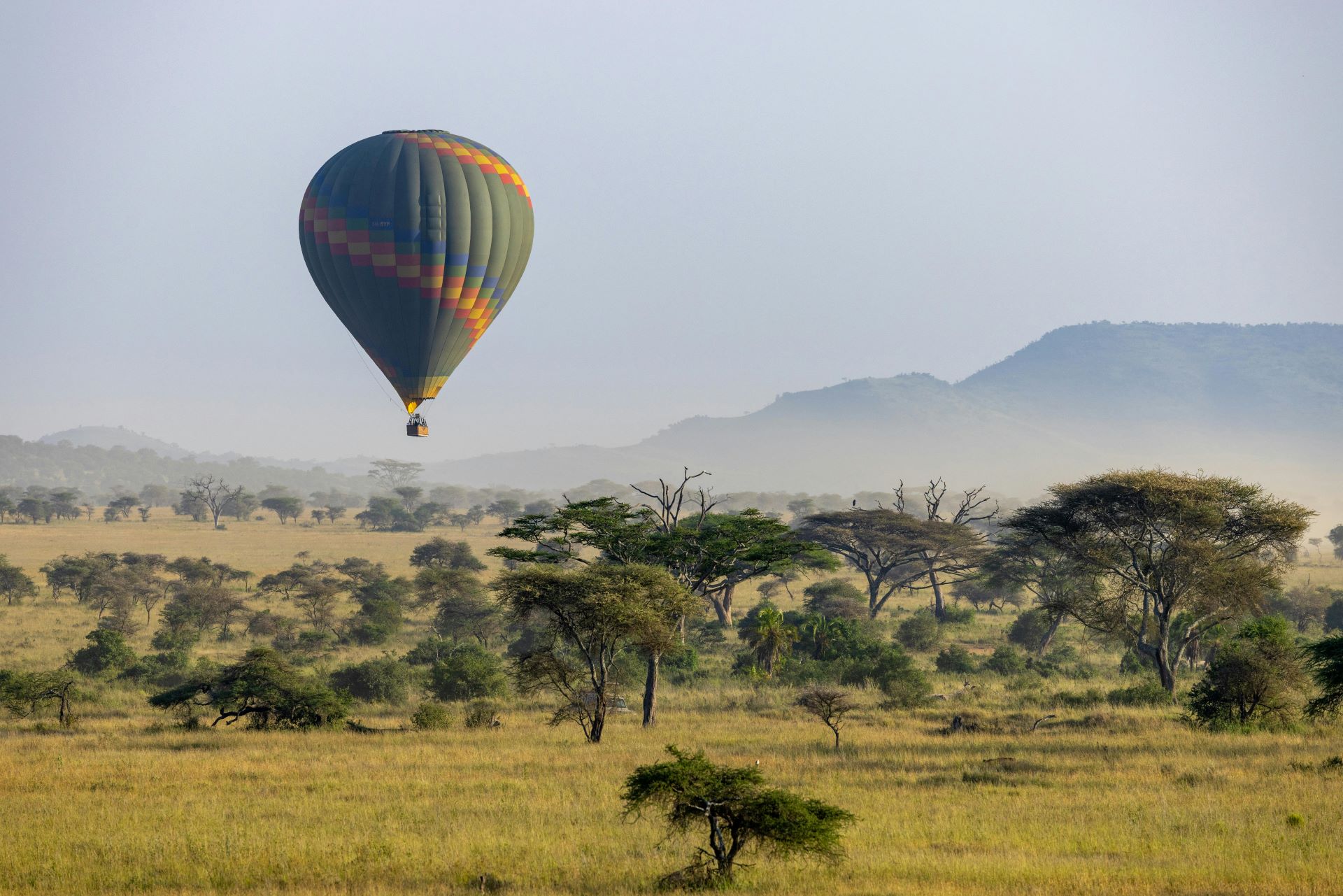
Fly-in safari tourism has quietly rewritten the geography of South African travel. What once required endurance now requires only intention. Remote wilderness is no longer distant; it is airborne, structured into a network of precision landings and curated journeys.
The sky has become the new safari road, and every descent into an airstrip marks not the end of travel, but the beginning of immersion into Africa’s living wilderness.
Elisha Roodt
Reporting from the frontlines of the South African tourism renaissance. Bridging the gap between regional stories and global audiences through elite narrative strategy.