

The Hidden Economics of South African Game Lodges
South African game lodges are often spoken about in soft tones and sun-drenched clichés: candlelit dinners in the bush, elephants at sunrise, linen-draped decks overlooking dry riverbeds. But behind this carefully curated stillness sits a far more intricate machinery—one built not on romance, but on economics that would make a city hotel chain blush.
The most misunderstood idea in the safari industry is pricing. Many assume that rates are driven by remoteness, by the cost of getting supplies into the bush, or by how far a lodge sits from an airport. In reality, distance is a minor actor. The lead role is played by exclusivity, and everything else is supporting cast.
To understand why a single night in a lodge can rival a week in a European hotel, you have to look at how scarcity is manufactured, how occupancy is controlled, and how wilderness itself is turned into a high-yield, low-volume luxury asset.
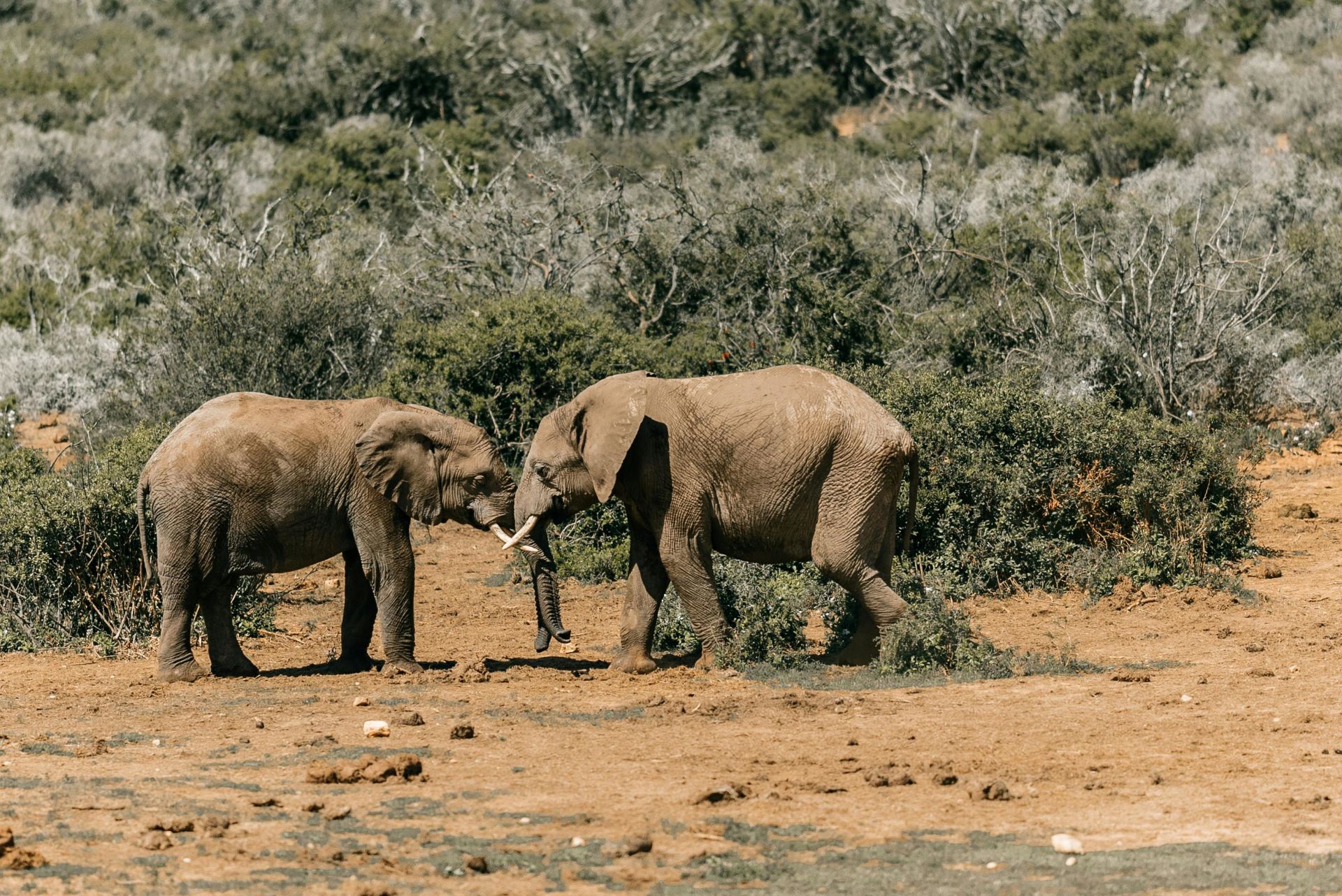
Scarcity as Infrastructure, Not Geography
At first glance, it seems obvious: remote lodges cost more because they are remote. Fuel is expensive, logistics are complicated, staff must be housed, and infrastructure is fragile. That logic only scratches the surface.
The true pricing power of South African safari lodges is not distance from cities, but distance from other people.
Nowhere is this more visible than in the private reserves bordering :contentReference[oaicite:0]{index=0}. While Kruger itself operates as a vast public reserve with shared access roads and higher vehicle density, adjacent private concessions operate under entirely different rules. These rules are what create scarcity.
A lodge in a private reserve might have access to tens of thousands of hectares of wildlife habitat, yet host fewer than twenty guests at a time. The land is vast, but the experience is deliberately narrow. This is not accidental inefficiency. It is engineered exclusivity.
Scarcity becomes the product.
The Architecture of Exclusivity
The luxury safari model is built on controlled visibility. Guests do not simply “visit” wildlife; they are granted a temporary monopoly over a landscape experience.
In reserves like :contentReference[oaicite:1]{index=1}, vehicle density rules ensure that only a handful of safari vehicles can view a leopard sighting at any given time. This transforms wildlife encounters into premium events with regulated attendance.
Exclusivity is enforced through several mechanisms:
The first is land access control. Private concessions dictate where vehicles can and cannot go, often allowing off-road driving when necessary for sightings. This creates a sense of intimacy with wildlife that public reserves cannot replicate at scale.
The second is guest-to-land ratio. A lodge might control 10,000 hectares but host only 12 to 24 guests. That ratio is the silent engine behind pricing power.
The third is experience exclusivity. Night drives, walking safaris, and off-road tracking are not just activities—they are controlled permissions. The fewer the permissions, the higher the perceived value.
The result is a paradox: the more untouched the land feels, the more intensively it is managed.
Pricing Beyond Distance: The Per-Night Illusion
Safari pricing is rarely about a “room.” It is about a fully packaged temporal experience. Rates are typically quoted per person per night, fully inclusive, which bundles accommodation, meals, game drives, guiding, conservation fees, and sometimes even premium beverages.
This structure does something subtle but powerful: it removes friction from value perception. Guests are not paying for a bed. They are buying access to a curated slice of wilderness time.
The psychology is important. A traveller comparing a city hotel at R3,000 per night with a lodge at R18,000 per night is not making a like-for-like comparison. One is transactional; the other is experiential.
In economic terms, safari lodges operate closer to high-end event pricing than hospitality pricing. A better comparison might be a concert, a luxury retreat, or a guided expedition where the scarcity is temporal and experiential rather than physical.
Occupancy as a Strategic Weapon
In most hospitality sectors, high occupancy is the goal. In the South African safari industry, optimal occupancy is deliberately lower.
This is one of the most counterintuitive aspects of lodge economics.
A typical lodge does not aim for 90% occupancy year-round. Instead, it balances two competing pressures: maintaining exclusivity while ensuring profitability. High occupancy risks diluting the experience. Too many vehicles at sightings, too many guests at dinner, too much strain on guides.
So the industry settles into a controlled rhythm of intentional under-occupancy.
Low occupancy allows for:
More flexible guiding schedules
Better wildlife viewing distribution
Higher guest satisfaction scores
Premium pricing consistency
In effect, empty rooms are not always a loss. They are sometimes a strategy.
This is especially true in high-demand regions like :contentReference[oaicite:2]{index=2}, where lodges often trade volume for margin. Instead of discounting to fill beds, they protect rate integrity and accept seasonal variability.
The Economics of Land, Staff, and Silence
Behind every safari experience is a complex cost structure that is heavily weighted toward fixed operational intensity.
Land costs vary depending on whether a lodge owns, leases, or operates within a concession agreement. In private reserves, the cost of land access is often bundled into long-term conservation leases, which are expensive but strategically necessary.
Then there is staffing. Safari lodges maintain unusually high staff-to-guest ratios. It is not uncommon to see two to three staff members per guest when accounting for guides, trackers, chefs, housekeepers, and support personnel.
Unlike urban hotels, where automation absorbs operational load, safari lodges rely on human interpretation of environment. A guide is not a service provider; they are the interface between guest and ecosystem.
Silence itself also carries cost. Maintaining quiet, low-impact operations requires logistical discipline. Waste removal, energy generation, water treatment, and supply chains must all function without disrupting the sensory illusion of wilderness.
Seasonal Rhythms and Pricing Elasticity
South African safari tourism is deeply seasonal, but not in the simplistic sense of “busy versus quiet.”
Instead, seasons affect the visibility of wildlife, the accessibility of terrain, and the emotional tone of the landscape. The dry winter months create concentrated wildlife viewing around water sources, which increases demand. The green summer months transform the bush into dense, vibrant cover, which reduces visibility but increases affordability.
Lodges respond with dynamic pricing models that adjust rates across the calendar, but rarely through aggressive discounting. Instead, they use subtle incentives:
Long-stay discounts
Honeymoon or special occasion packages
Reduced conservation fees in low season
Added-value inclusions like spa treatments or private guides
The goal is not to cheapen the experience during low demand, but to reframe value in different ecological conditions.
The Role of Conservation Economics
A critical, often overlooked component of lodge pricing is conservation funding.
Many private reserves operate as hybrid conservation-tourism enterprises. Guest fees directly subsidise anti-poaching units, wildlife monitoring, habitat restoration, and community development initiatives.
This is not a marketing layer; it is structural.
For example, rhino protection in some reserves requires 24/7 surveillance, aerial support, and armed response units. These costs are embedded into nightly rates. Guests are not simply paying for luxury; they are funding ecosystem protection infrastructure.
This creates a unique economic loop where exclusivity funds conservation, and conservation reinforces exclusivity.
Case Dynamics: Different Reserves, Different Economies
Not all safari regions in South Africa operate under identical economic logic.
In :contentReference[oaicite:3]{index=3}, for instance, public and semi-private tourism models coexist. This creates a more accessible pricing structure, with higher visitor density and more conventional hospitality economics.
In contrast, private reserves adjacent to Kruger operate almost like micro-monopolies. Each lodge controls a segment of land and wildlife access, creating differentiated pricing even between neighbouring properties.
A guest might cross an invisible boundary and immediately enter a different economic universe—same species, same ecosystem, entirely different price point.
Occupancy Strategy: The Art of Controlled Underfill
The most sophisticated lodge operators treat occupancy not as a metric to maximise, but as a dial to tune.
A lodge might operate at 60% occupancy during peak season, not because it cannot fill rooms, but because filling them would degrade the experience enough to reduce future pricing power.
This introduces a long-term optimisation model where brand equity is built through restraint.
Key strategies include:
Minimum stay requirements, often two or three nights
Restricted same-day arrivals to reduce logistical strain
Controlled agent allocations to prevent overbooking
Premium rate protection during high-demand wildlife periods
The lodge becomes less like a hotel and more like a private membership ecosystem that temporarily admits guests.
Distribution Channels and the Invisible Middle Layer
Unlike urban hotels, where online travel agencies dominate, safari lodges rely heavily on specialised intermediaries.
International safari operators, luxury travel designers, and niche African tourism specialists act as gatekeepers. These intermediaries curate itineraries, manage expectations, and bundle experiences across multiple destinations.
Direct bookings exist, but they are often secondary to curated travel design channels that position lodges within broader experiential journeys across South Africa.
This distribution model reinforces exclusivity. You do not simply “book a room.” You enter a designed narrative of travel.
The Psychology of Paying for Less Density
One of the strangest truths of safari economics is that guests are not paying for more—they are paying for less.
Less noise. Less crowding. Less visual interference. Less competition for sightings.
This inversion of value logic is what allows pricing to escalate without resistance. In urban hospitality, value is often tied to accumulation: more amenities, more facilities, more convenience.
In safari hospitality, value is tied to subtraction.
The less you encounter other humans, the more you pay.
The Future of Safari Economics
The next evolution of lodge pricing is already taking shape, driven by data analytics, climate variability, and shifting traveller demographics.
AI-assisted demand forecasting is beginning to refine pricing windows with greater precision. Climate change is also altering seasonal wildlife patterns, which will eventually reshape occupancy cycles.
At the same time, domestic South African tourism is slowly increasing in importance, introducing a new pricing tier between ultra-luxury international demand and accessible local safari travel.
There is also a growing tension between exclusivity and accessibility. As conservation funding becomes more urgent, lodges must balance high-margin exclusivity with broader participation in wildlife economies.
The future will likely not reduce exclusivity. Instead, it will modularise it.
Different tiers of wilderness access, each priced according to density, depth, and immersion.
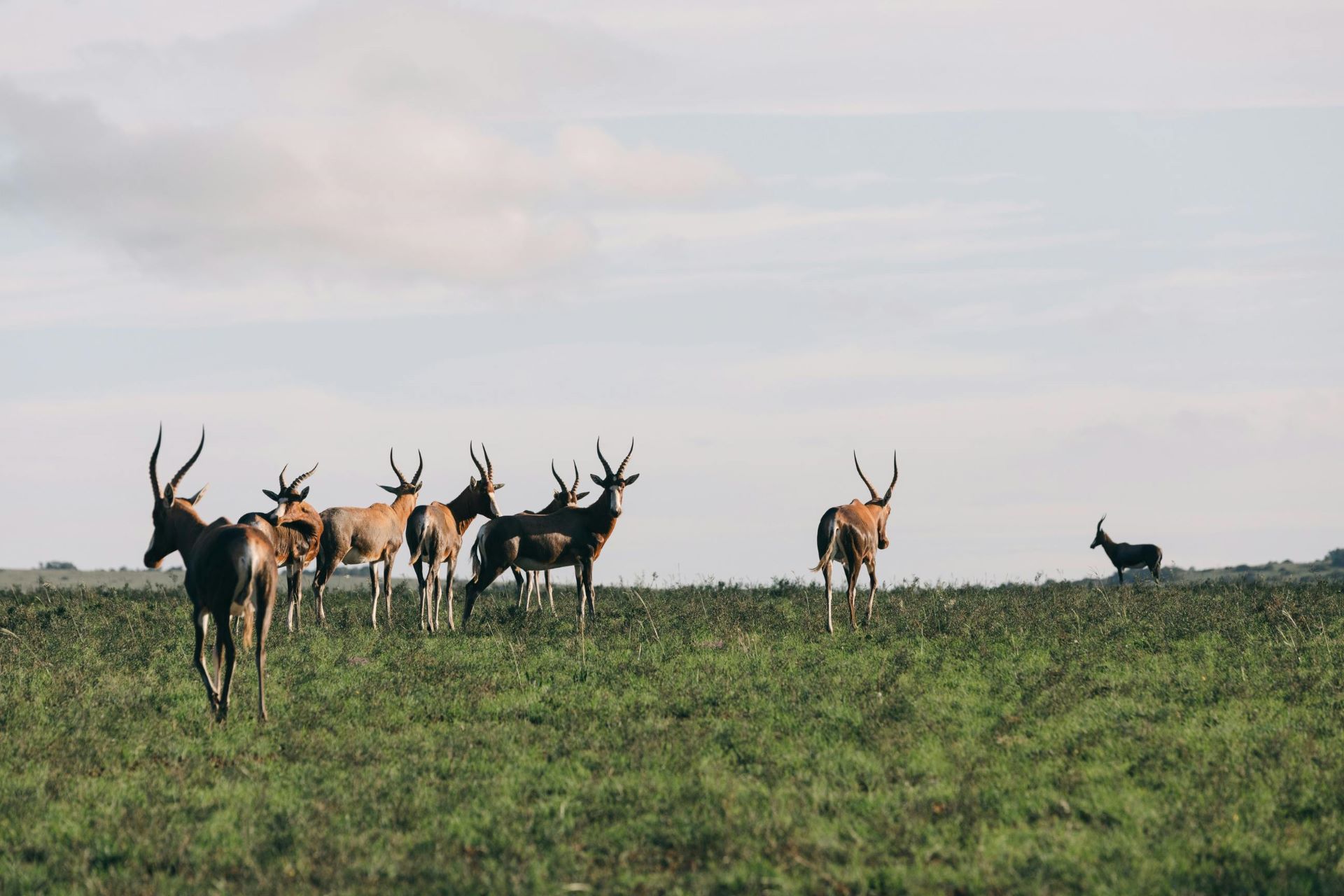
The Economics of Controlled Wilderness
South African game lodges are not simply hospitality businesses. They are carefully calibrated economic ecosystems where land, wildlife, and human experience are bundled into a rarefied product.
Pricing is not a reflection of distance or cost alone. It is a reflection of control: control over space, over time, over encounter, and over narrative.
In this model, exclusivity is not a feature of the experience.
It is the currency itself.
Jabulani
Reporting from the frontlines of the South African tourism renaissance. Bridging the gap between regional stories and global audiences through elite narrative strategy.