

Few places in global wildlife tourism carry the quiet authority of Kruger National Park. Spread across nearly two million hectares of wilderness in South Africa, the park has earned a reputation as one of the world’s most complete safari ecosystems.
Competition among African safari destinations is intense. Countries across East and Southern Africa promote spectacular wildlife reserves, private conservancies, and exclusive luxury safari experiences. Yet Kruger’s enduring appeal lies not in being the most exclusive or remote destination, but in balancing scale, accessibility, and wildlife abundance in a way few parks can match.
Where some safari destinations trade intimacy for remoteness, Kruger offers something different. It is a vast living landscape where wildlife viewing is consistently rewarding, where travel logistics are manageable, and where visitors can experience authentic African wilderness without sacrificing comfort or practicality.
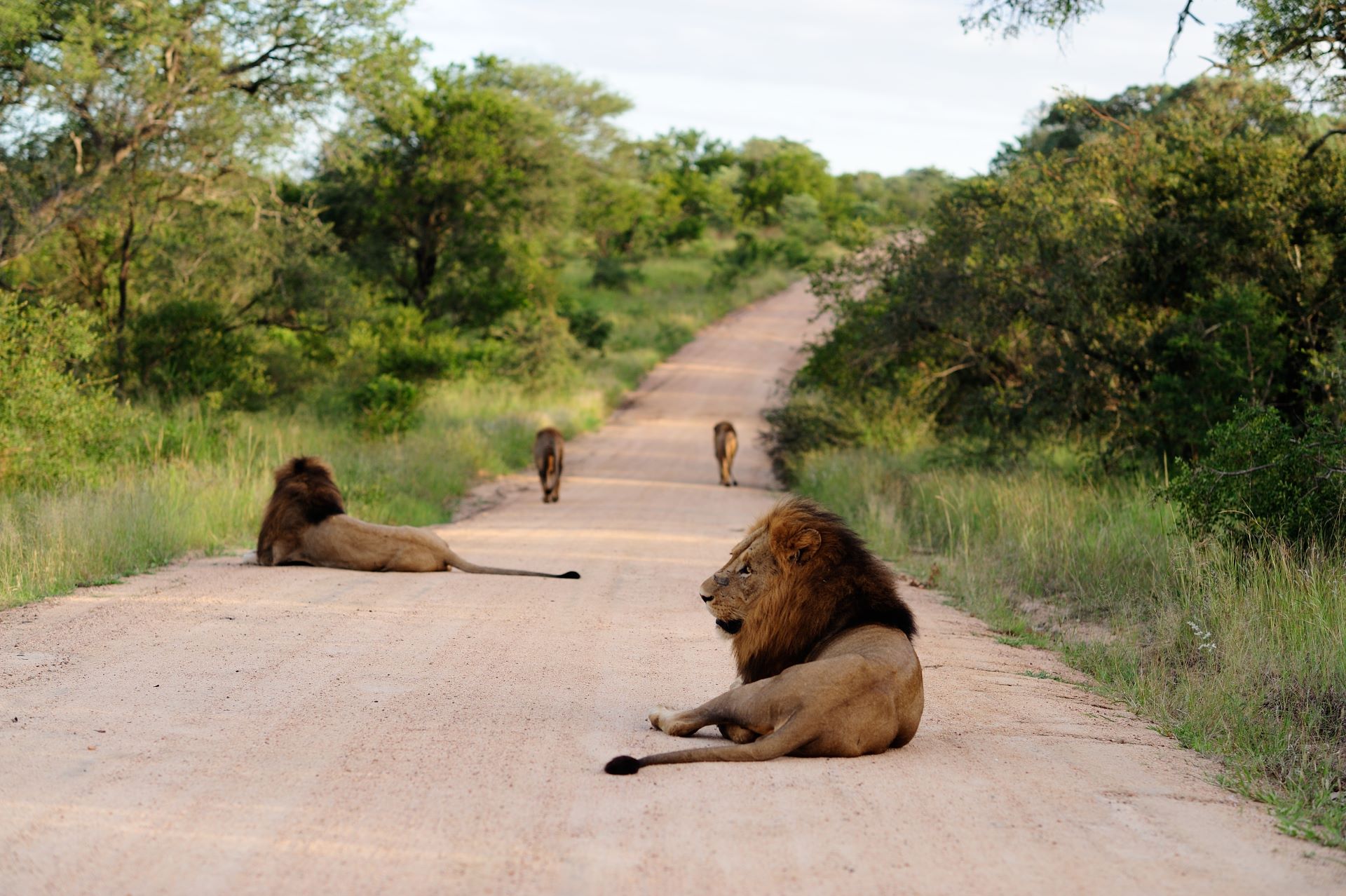
The Immense Scale That Defines the Experience
One of Kruger National Park’s greatest competitive advantages is sheer magnitude. Safari experiences are often shaped by how much wild territory animals can freely inhabit, and Kruger’s size creates ecological conditions that support complex, stable wildlife populations.
The park stretches roughly 360 kilometres from north to south, encompassing savannahs, river systems, dense bushveld, and rugged woodland habitats. This diversity supports a wide spectrum of species, from iconic megafauna to smaller, less visible creatures that form the foundation of the ecosystem.
Unlike smaller reserves where wildlife sightings can become predictable or crowded, Kruger’s scale spreads animal populations naturally across enormous terrain. Visitors are never guaranteed a sighting, but the probability of encountering remarkable wildlife remains consistently high throughout most regions of the park.
The result is a safari experience that feels less like visiting an open-air zoo and more like stepping into a self-regulating natural world that operates at its own ancient rhythm.
The vastness also influences visitor flow. While popular routes and waterholes may attract more vehicles during peak seasons, the park’s network of roads and rest areas ensures that travellers can still find moments of solitude, especially when exploring less frequented northern sections.
Wildlife Density: The Big Five and Beyond
Safari travellers often associate African wildlife experiences with the legendary “Big Five”, a term originally coined by hunters but now celebrated in conservation tourism.
Kruger is among the best places in Africa to observe the Big Five in a relatively predictable yet still wild environment. The park hosts substantial populations of:
Lions
Leopards
African elephants
African buffalo
Rhinoceros species
Among these, sightings of elephants and buffalo are particularly common, while leopards remain more elusive, adding a layer of mystery that keeps photographers returning season after season.
What truly distinguishes Kruger is not only the presence of famous species but the overall ecological density of life. The park supports hundreds of mammal species, more than 500 bird species, and a rich tapestry of reptiles, insects, and plant life.
This biodiversity is supported by carefully managed conservation policies and long-term environmental stewardship. Wildlife management teams monitor populations, control invasive threats, and maintain habitat balance to ensure that tourism does not compromise ecological stability.
In many ways, Kruger represents a working model of sustainable wildlife tourism where visitor enjoyment and conservation coexist rather than compete.
Accessibility: The Democratic Safari Destination
While some African safari experiences require charter flights, multi-day overland journeys, or premium private concessions, Kruger stands out for its accessibility.
The park is reachable by road from several major South African urban centres, making it a practical holiday destination for both international visitors and local travellers.
Visitors commonly travel from business and tourism hubs such as Johannesburg, which lies within a reasonable driving distance. The journey itself often becomes part of the adventure, transitioning from urban landscapes into the subtropical bushveld scenery that signals the beginning of the safari experience.
Kruger also offers an extensive network of accommodation options. Travellers can choose between government-managed rest camps, private lodges bordering the park, and guided safari packages that simplify logistics.
This accessibility broadens the park’s appeal. It allows families, independent travellers, photographers, and first-time safari visitors to experience African wilderness without the barriers often associated with high-end exclusive reserves.
Self-Drive Safari Freedom
One of Kruger’s most distinctive characteristics is the opportunity for self-guided exploration.
Unlike many African safari destinations where professional guides are mandatory, Kruger allows visitors to drive designated routes and observe wildlife at their own pace. This creates a travel culture that is deeply personal and exploratory.
Early morning drives often reveal a different personality of the park. The air is cooler, animals are more active, and golden sunlight filters through the bushveld canopy like liquid amber spilled across the savannah.
Self-driving visitors tend to develop a relationship with the landscape itself. They learn the behaviour of local bird species, understand which waterholes are more active during dry seasons, and begin reading subtle environmental cues that indicate wildlife movement.
This sense of discovery is part of what makes Kruger more than just a tourist attraction. It becomes an interactive wilderness classroom where patience is rewarded with unforgettable encounters.
Wildlife Density and Viewing Consistency
Safari destinations often differ in one critical metric: how likely visitors are to see animals during a single trip.
Kruger’s ecological productivity supports relatively high wildlife encounter rates compared to many other reserves of similar size. Rivers such as the Sabie and Crocodile systems act as natural gathering points during dry periods, drawing animals toward predictable water sources.
This does not remove the wild unpredictability that defines African safari experiences. Rather, it increases the statistical likelihood that visitors will witness meaningful wildlife behaviour rather than passing shadows of animals far across the horizon.
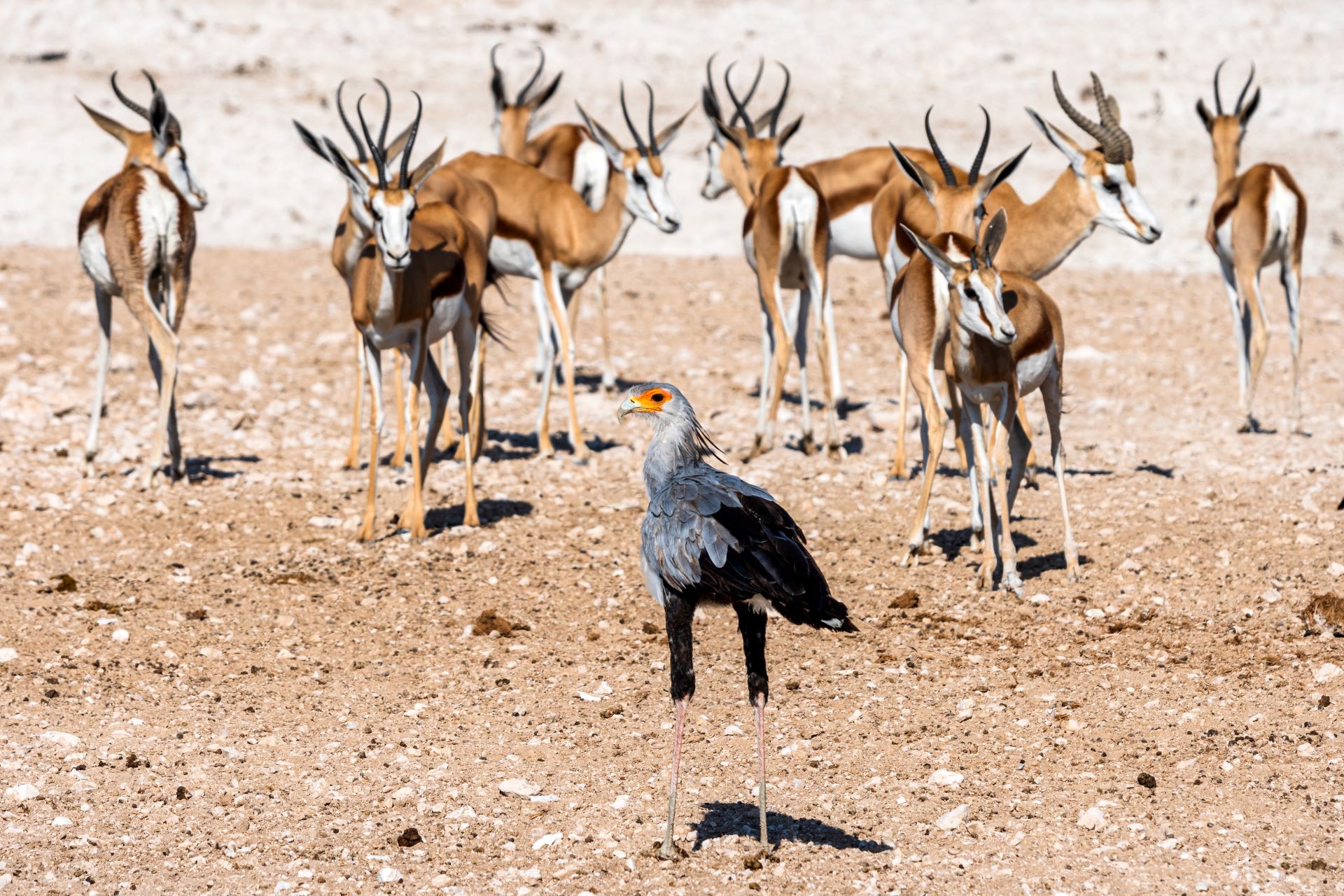
Lion prides resting under acacia trees, elephants bathing in river shallows, or herds of impala moving across sunlit plains are common visual narratives inside the park.
Conservation Legacy and Historical Significance
Kruger National Park is not only a tourism destination but also a cornerstone of conservation history in Southern Africa.
The park’s establishment marked an early recognition of the need to protect wildlife populations from uncontrolled hunting and habitat destruction. Over decades, conservation strategies have evolved alongside scientific research and community engagement.
Today, anti-poaching operations remain a central focus, particularly concerning rhinoceros protection efforts. The park’s scale presents operational challenges, but it also provides natural defensive advantages by dispersing wildlife across vast territory.
Tourism revenue plays an essential role in funding conservation work, creating a feedback loop where visitor interest contributes directly to ecological protection.
The Authenticity of the Wilderness Experience
Modern safari tourism sometimes gravitates toward luxury spectacle. Private reserves may offer ultra-exclusive viewing platforms, curated animal encounters, and high-end hospitality experiences.
Kruger offers something more elemental.
It preserves the feeling that humans are visitors inside a functioning natural world rather than the centre of it. Vehicles are small observers rather than dominant presences, and wildlife behaviour is shaped primarily by ecological forces rather than tourist scheduling.
Even well-developed rest camps maintain a connection to the surrounding wilderness. Night sounds drift through open air, carrying distant calls of animals and the quiet rustling of bushveld life.
For many travellers, this authenticity is the emotional core of the Kruger experience.
Seasonal Diversity and Changing Landscapes
Kruger’s character changes throughout the year.
The dry winter months typically deliver the best wildlife visibility. Vegetation becomes thinner, water sources shrink, and animals concentrate around rivers and permanent waterholes.
Summer months transform the park into a greener, more vibrant landscape. Migratory birds arrive, newborn animals appear, and thunderstorms roll across the horizon with dramatic theatrical energy.
Each season offers a different narrative of the African wilderness. Returning visitors often discover that the park they loved last year is subtly, beautifully different the next.
Family-Friendly Safari Tourism
Unlike some remote safari destinations that are primarily suited to luxury honeymoon or adventure travel markets, Kruger is also a family-oriented destination.
The presence of well-maintained rest camps, educational programs, and safe viewing infrastructure makes the park accessible to travellers with children.
Young visitors often experience their first meaningful wildlife encounters here, sparking lifelong interest in conservation and natural science.
South Africa’s tourism sector benefits from this inclusivity, as Kruger helps position the country as a globally competitive wildlife travel destination.
Comparing Kruger with Other African Safari Regions
When placed alongside other celebrated safari regions across the continent, Kruger occupies a unique middle ground.
Some East African reserves are known for dramatic migratory spectacles, while certain private Southern African reserves focus on ultra-luxury exclusivity.
Kruger’s strength lies in its balance. It delivers reliable wildlife viewing, substantial biodiversity, logistical accessibility, and conservation credibility without demanding extreme travel complexity or premium pricing structures.
This balance is particularly important for South African tourism, as it supports both international visitor growth and domestic travel participation.
The Emotional Pull of Kruger
Beyond data, geography, and tourism economics, Kruger carries an intangible quality that keeps people returning.
There is a stillness that sits inside the early morning bushveld air. It feels as if time softens slightly beneath the vast African sky.
Travelers do not simply visit Kruger; they participate in a living ecological story that has unfolded for millions of years. Each sighting becomes a small chapter in that larger narrative.
Whether watching a solitary leopard move silently through dappled shade or observing a herd of elephants crossing dusty roads like slow-moving guardians of the land, visitors often leave with the sense that they have encountered something ancient and profound.
Why Kruger Remains Africa’s Benchmark Safari Destination
In a competitive global safari market, Kruger National Park’s advantage is not built on exclusivity or spectacle alone.
It is built on scale that feels boundless, wildlife density that rewards patience, accessibility that welcomes diverse travellers, and conservation heritage that gives the destination moral and ecological credibility.
For anyone seeking the essence of South African safari tourism, Kruger represents more than a travel choice. It is a living symbol of wilderness preservation and natural wonder.
And in a world where wildlife habitats grow increasingly fragile, that role becomes even more valuable.
The park does not simply compete with other safari destinations. It stands as one of the defining experiences of African wildlife tourism itself.
Mandla Ndlovu
Reporting from the frontlines of the South African tourism renaissance. Bridging the gap between regional stories and global audiences through elite narrative strategy.