

While South Africa is world-renowned for its sunshine and outdoor adventures, it’s no stranger to a well-timed downpour. Whether you’re caught in a Highveld thunderstorm, a soft drizzle in the Cape Winelands, or a brooding coastal squall in KwaZulu-Natal, don’t despair. Rainy weather in South Africa brings its own kind of magic. It softens the land, perfumes the air with petrichor, and unveils a different side of this richly diverse country.
Contrary to popular belief, South Africa doesn’t go to sleep when the clouds roll in. Instead, the rhythm of travel changes—slower, more intimate, often more rewarding. From art-filled enclaves and steaming spa sanctuaries to heritage-rich tours and culinary indulgence, South Africa offers plenty to keep the soul stirred and the senses delighted—even in the rain.
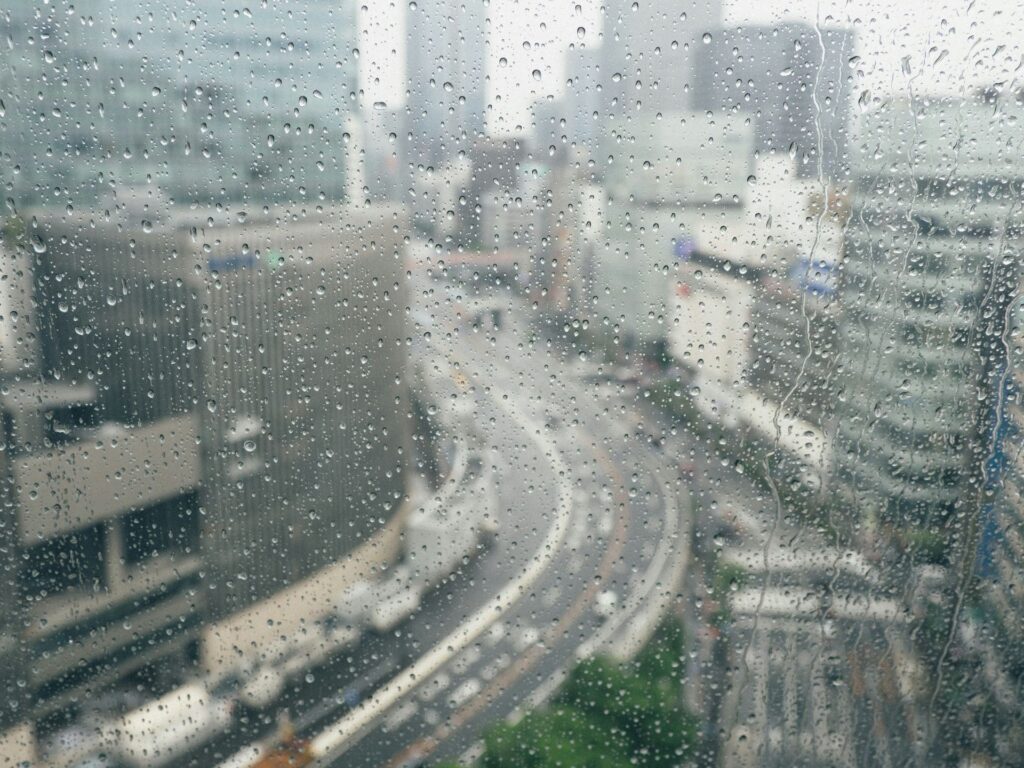
Cape Town: Rainy Day Reverie in the Mother City
Cape Town may be famed for its beaches and mountains, but its indoor culture is just as enthralling. When Table Mountain wears its misty shawl and the Atlantic churns grey, it’s the perfect excuse to retreat into the city’s creative core.
The Zeitz Museum of Contemporary Art Africa (MOCAA), housed in a strikingly repurposed grain silo at the V&A Waterfront, is a world-class sanctuary of African art. Inside, rain patters softly against the vast glass windows, creating a cocoon around bold installations and thought-provoking works.
Nearby, the Oranjezicht City Farm Market doesn’t stop for weather either. Under covered marquees, locals and tourists alike warm themselves with artisanal coffees, truffle-infused cheeses, and cinnamon-dusted churros. Cape Town’s coffee scene, incidentally, thrives when the weather turns—Truth Coffee Roasting, Origin Coffee, and Espresso Lab are havens of steam and soul.
For a more immersive cultural experience, head to the Iziko South African Museum or Castle of Good Hope. Both offer fascinating insights into the city’s layered history and natural heritage, all while sheltering you from the storm.
Winelands Warmth: Rain-Soaked Romance in Franschhoek and Stellenbosch
A rainy day in the Cape Winelands is not a reason to cancel your plans—it’s a reason to pour another glass. The rolling vineyards glisten in the rain, while fires crackle in stone hearths across centuries-old estates.
In Stellenbosch, historic wine cellars become storybooks. Take a guided tasting beneath vaulted ceilings at Lanzerac or Rust en Vrede, where the scent of oak barrels and aged Cabernet fills the air. The rain tapping gently on cellar windows only deepens the mood.
Franschhoek, the culinary capital, delights under cloud cover. Long, lingering lunches at establishments like La Petite Colombe or Le Coin Français are elevated by comfort food artistry—think Karoo lamb, wild mushroom risotto, and dessert pairings with local Méthode Cap Classique.
For those seeking hands-on engagement, many farms offer wine-blending sessions or chocolate-and-wine pairing classes—perfect for stormy afternoons. And when the heavens really open, few things match the joy of curling up in a luxury farm stay with a blanket, a good book, and the quiet gurgle of rain outside.
Johannesburg: Cultural Depth Beneath Stormy Skies
Johannesburg wears rain like a poet’s coat—heavy, dramatic, and rich in character. The Highveld thunderstorms are theatrical, but they don’t halt the city’s momentum.
Explore the inner city’s regenerative pulse at Maboneng, where art galleries, independent cinemas, and boutique design stores flourish behind rain-washed windows. The Bioscope Independent Cinema offers alternative films and South African documentaries, while Arts on Main invites discovery through photography, sculpture, and performance pieces.
History buffs can spend hours indoors at the Apartheid Museum—arguably one of the most important cultural institutions in the country. The museum’s reflective architecture and emotionally resonant exhibits are especially impactful when accompanied by grey skies and soft rain.
In nearby Rosebank, the Everard Read Gallery and Keyes Art Mile provide shelter in style, fusing contemporary South African art with fine dining and design. For a little luxury, high tea at The Saxon or a pampering session at one of Joburg’s upmarket spas, like Fairlawns or Four Seasons Westcliff, offers indulgent escape.
Durban: Tropical Rain and Urban Escapes
Rain in Durban doesn’t come with a cold bite—it’s usually warm, tropical, and short-lived. But when the heavens linger, there’s still plenty to do beyond the beachfront.
The Durban Natural Science Museum and KwaZulu-Natal Society of the Arts provide cultural engagement under one roof, while the Phansi Museum delves deeper into Zulu artistry and ritual.
Food becomes the main attraction on wet days. Dive into Durban’s legendary curry culture at local favourites like House of Curries or Little Gujarat. Rain outside only sharpens the sensory intensity of steamy rotis, fiery bunny chows, and richly spiced biryanis.
Indoor markets like the Victoria Street Market offer a sensory feast of another kind—sari fabrics, sandalwood incense, and freshly ground spices line the aisles. Or head to Gateway Theatre of Shopping, where indoor rock climbing, skateboarding, or a show at the iZulu Theatre keep energy levels high without braving the storm.
The Garden Route: Misty Roads and Cozy Retreats
A rainy day on the Garden Route unveils a moody, cinematic beauty. Mist hangs low over indigenous forests, rivers swell with sound, and the coastline takes on a wild, tempestuous charm.
Knysna, cradled between lagoon and forest, becomes all the more intimate under rain. The Knysna Waterfront offers boutique browsing and hearty meals overlooking stormy waters. Featherbed Nature Reserve might pause boat trips during heavy rain, but the Knysna Fine Art Gallery or a visit to Mitchell’s Brewery will more than fill the gap.
In Plettenberg Bay, wine estates like Newstead Lund Family Vineyards offer indoor tastings and platters, while nearby Tsitsikamma’s Storms River region makes a dramatic show of the weather. Think waterfalls thundering more fiercely, treetop canopy tours adapted to rain-soaked trees, and warm drinks at cozy forest lodges.
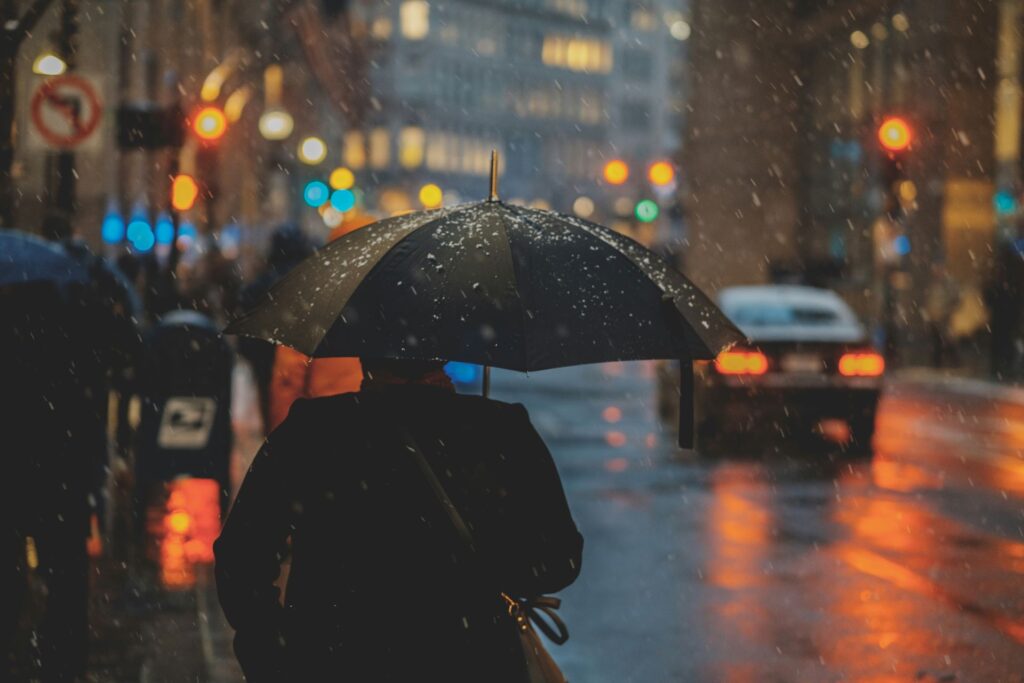
The Drakensberg: Storm Clouds and Storytelling
When rain hits the mountains, the Drakensberg becomes a place of thunderous skies and elemental power. Waterfalls cascade with renewed vigour, clouds wrap around peaks like blankets, and the land pulses with vitality.
But there’s more to the region than hikes and vistas. Rainy days are an invitation to slow down, indulge in heritage, and tap into the rhythm of mountain life. Visit the vibrant local arts and crafts markets in Underberg or Clarens, where stained-glass pieces, pottery, and woollen knits reflect both creativity and comfort.
In the Central Drakensberg, the KwaZulu Cultural Museum at Ondini offers rich insight into Zulu royal history, while the Falcon Ridge Bird of Prey Centre continues its conservation message even in light showers. And nothing quite compares to hearing traditional storytelling or attending a local choir performance with rain providing nature’s percussion outside.
Mpumalanga and Limpopo: Safari, Reimagined
Rain transforms the bushveld. Dust is replaced by the scent of wet earth, and wildlife scenes take on a more primal tone. While heavy downpours may delay game drives in places like Kruger National Park or the private reserves of Sabi Sand and Timbavati, they also open doors to alternative bushveld experiences.
Luxury safari lodges are designed with rainy days in mind—fireplaces crackling in the lounges, chefs preparing warming local dishes, and spa therapists offering rain-inspired treatments. Birdwatching becomes a highlight during rainy spells, with many species becoming more active after a downpour.
The Mapungubwe Cultural Landscape in Limpopo, a UNESCO World Heritage Site, offers indoor interpretation centres and awe-inspiring archaeological history, all made more atmospheric under stormy skies.
Spas, Sanctuaries and Sacred Spaces
South Africa’s wellness scene blooms in all seasons, but rainy days give it special relevance. Whether in the form of heated plunge pools overlooking vineyards, massage rooms nestled in forests, or yoga studios suspended in mountain air, wellness retreats embrace the rain as an ally.
Bushman’s Kloof Wilderness Reserve in the Cederberg offers rain-washed views and ancient rock art trails. Babylonstoren near Franschhoek becomes even more alluring when explored under a wide-brimmed umbrella, ending in a steam session at their Garden Spa.
In KwaZulu-Natal, Karkloof Safari Villas offers one of the country’s most indulgent spa experiences, with natural spring water pools, hydrotherapy treatments, and forest trails made all the more spiritual in the mist.
Culinary Comforts Across the Country
A nation as food-loving as South Africa never lacks for flavour—even when the braai is rained out. In fact, rainy days often call for the kind of slow food that invites lingering: oxtail stews, samp and beans, Durban lamb curries, Cape Malay boboties.
In cities and towns across the country, South African restaurants step up with moody ambience and generous portions. Gourmet burgers in Pretoria’s Hazelwood, fireside fine dining in Dullstroom, seafood chowders in Hermanus—all elevate the stormy experience.
Rain is also a good excuse to explore South Africa’s growing craft beer and gin scene. From Cape Town’s gin bars to microbreweries in the Midlands, tastings and tours continue under cover, with flavour as your compass.
Rain as a Travel Companion, Not a Setback
In South Africa, rain rarely ruins a trip. Instead, it enriches it. It slows the pace and deepens the encounter. It leads you off the beaten track and into art galleries, tea rooms, museums, wine farms, and wellness sanctuaries that may have otherwise gone overlooked.
So when the skies grow dark and the air smells of earth and adventure, don’t retreat—reimagine. South Africa, in all her moods, is worth exploring. And the rain? Just another layer of the experience.
Gerald Ferreira
Reporting from the frontlines of the South African tourism renaissance. Bridging the gap between regional stories and global audiences through elite narrative strategy.