

Few experiences rival the exhilaration of witnessing the majesty of whales in their natural habitat. For wildlife enthusiasts and nature lovers alike, South Africa offers some of the world’s best whale-watching opportunities. The country's rugged coastline provides a breathtaking backdrop for seeing these magnificent marine mammals up close, making it a premier destination for those seeking to observe their seasonal migration and unique behaviors.
South Africa’s coastal waters are a sanctuary for a diverse array of whale species, including the Southern right whale, the Humpback whale, and the Bryde’s whale. These creatures are drawn to the nutrient-rich waters off the South African coast, where they feed, breed, and give birth in relative safety. With multiple hotspots spread across the country, whale-watching here is accessible year-round, but certain times of the year offer optimal sightings.
Whether you are an experienced whale-watcher or a first-time visitor, South Africa’s whale-watching locations promise unforgettable encounters. The best times to visit vary by species, but typically, the Southern right whales can be seen between June and November, while the Humpback whales are more common during the summer months. No matter the season, the South African coastline offers an abundance of opportunities to witness the awe-inspiring grace of these ocean giants.
Overview of Whale Species
South Africa’s coastal waters host a variety of whale species, each with distinct behaviors, characteristics, and migration patterns. The most commonly sighted species include the Southern right whale, the Humpback whale, and the Bryde's whale, each offering unique experiences for whale-watchers.
Southern Right Whales
The Southern right whale is perhaps the most iconic species to observe along South Africa's coast. These whales are named for their historical designation as the "right" whale to hunt due to their slow movements and tendency to float after being killed. Thankfully, hunting these whales is now prohibited, and the Southern right whale population is recovering.
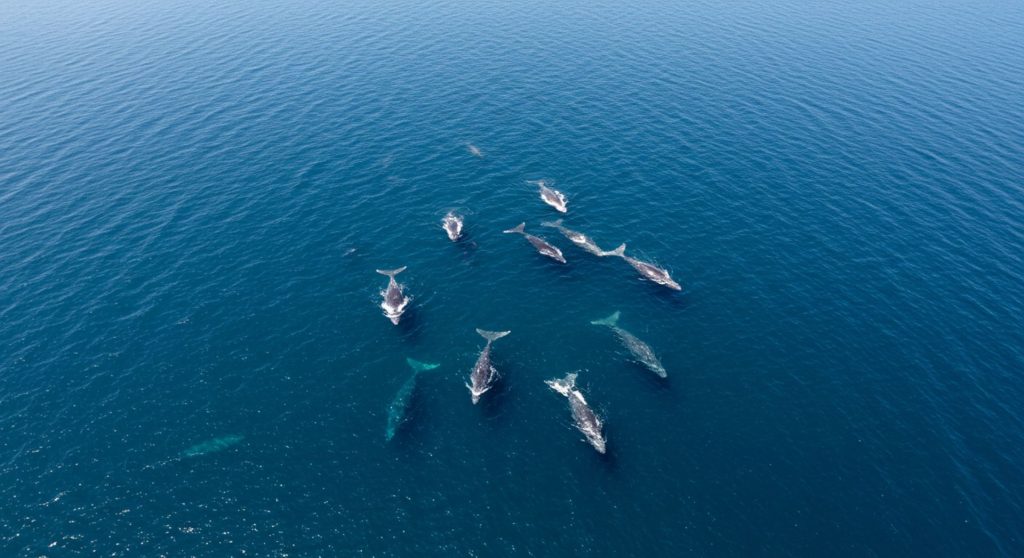
Southern right whales are easily identifiable by their distinctive callosities (rough patches of skin), which are home to tiny crustaceans known as whale lice. They are typically seen along the southern coast of South Africa from June to November, with the peak of sightings occurring from August to October, when mothers give birth to their calves in the warmer, sheltered waters.
Humpback Whales
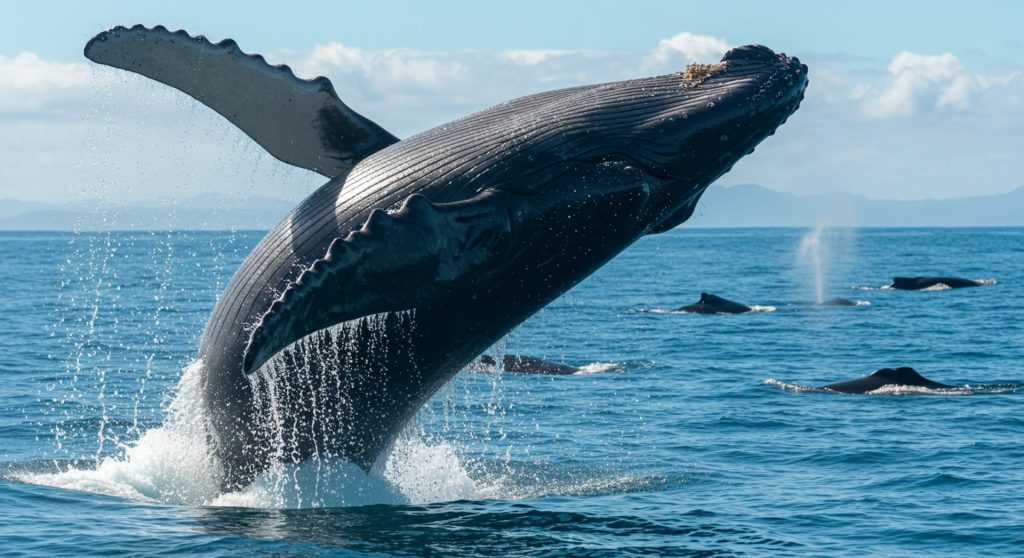
Known for their acrobatic behavior, Humpback whales are a favorite among whale-watching enthusiasts. They are famous for their dramatic breaches and tail slaps, which make for captivating sightings. Humpback whales migrate annually from the cold waters of the Antarctic to the warmer Indian Ocean, passing by South Africa's coastline.
Humpbacks are most commonly spotted during the summer months, particularly from June to December, as they make their way to the warmer waters of Mozambique and Madagascar for breeding. Their impressive migration, which can cover thousands of kilometers, is one of the longest known mammalian migrations in the world.
Bryde's Whales
Unlike the Southern right and Humpback whales, Bryde's whales are resident species along the South African coast and can be seen year-round. These whales are smaller than their counterparts and are known for their distinctive, sleek bodies and relatively solitary nature.
Bryde's whales are often spotted in the waters off Cape Town and the Eastern Cape, where they feed on fish, particularly anchovies and sardines. While sightings of Bryde’s whales are not as spectacular as those of the acrobatic Humpbacks or the Southern rights, they are a fascinating species to observe up close due to their elusive behavior.
Top Whale-Watching Destinations in South Africa
South Africa’s coastline offers numerous prime whale-watching locations, each with its unique charm and opportunities for sightings. Here are the top five hotspots for whale watching:
Hermanus
Hermanus, located in the Western Cape, is arguably the most renowned whale-watching destination in South Africa. Nestled between the ocean and towering mountains, this picturesque town offers unrivaled views of the Southern right whales, especially from the town’s famous cliff path. The whales come close to shore, making this one of the few places in the world where you can watch them from land.
The best time to visit Hermanus is from June to November, with peak sightings occurring in August and September. In addition to land-based viewing, tourists can take boat tours or even enjoy aerial views from a microlight flight. Hermanus is also known for its annual whale festival, which celebrates the return of the whales with music, food, and environmental education.
Plettenberg Bay
Located along the scenic Garden Route, Plettenberg Bay offers spectacular views and excellent whale-watching opportunities. The bay is a prime location for observing Southern right whales, Humpback whales, and Bryde’s whales, with sightings often occurring within meters of the shore.
The best time to visit is between June and October when the Southern right whales are most active in the area. For an added adventure, travelers can opt for boat-based tours or explore the coastline by kayak for a more intimate experience. Plettenberg Bay also offers pristine beaches and a range of luxury accommodations, making it an ideal destination for both whale watching and relaxation.
False Bay
False Bay, located just outside Cape Town, is home to several whale species, including Southern right whales, Humpback whales, and Bryde’s whales. The bay is a popular spot for both boat-based and land-based whale watching, with several vantage points offering views of the whales breaching and swimming near the shore.
The best times to visit are from June to November, although some Humpback whales can also be seen from December to April. False Bay is particularly famous for its diversity of marine life, including seals and dolphins, which can also be spotted during a whale-watching tour.
St Lucia and the iSimangaliso Wetland Park
St Lucia, located in the northeastern part of the country, is a UNESCO World Heritage site known for its diverse wildlife and stunning coastal scenery. The nearby iSimangaliso Wetland Park is home to several whale species, with Humpback whales being particularly prevalent.
The best time for whale watching in St Lucia is from June to November. Visitors can enjoy a range of activities, including boat tours through the wetland, where they may also spot crocodiles, hippos, and a variety of bird species. The area’s natural beauty, combined with the thrill of whale watching, makes St Lucia a must-visit for nature lovers.
The Garden Route
The Garden Route is an iconic stretch of coastline that offers several whale-watching hotspots, including Knysna and Wilderness. These areas are great for spotting Southern right and Humpback whales, with some of the best viewing spots located along the cliffs and beaches of this picturesque region.
The best time to visit is during the Southern right whale migration, from June to November. In addition to whale watching, the Garden Route offers hiking trails, birdwatching, and scenic drives, making it a perfect destination for a well-rounded adventure.
Best Practices for Whale-Watching
When engaging in whale-watching activities, it is important to do so responsibly to ensure the safety of both the whales and the observers. Here are some best practices to follow:
Additional Activities and Attractions
While whale watching is the main attraction, South Africa offers a variety of complementary activities. In Hermanus, visitors can explore local art galleries and enjoy the culinary delights of fresh seafood. The Garden Route boasts a wealth of outdoor activities, including hiking, birdwatching, and visiting local vineyards. St Lucia offers safaris and cultural experiences, while Plettenberg Bay provides an opportunity for kayaking, horse riding, and visiting the nearby nature reserves.
Accommodations and Travel Tips
South Africa offers a range of accommodations for whale watchers, from eco-friendly lodges to boutique hotels. In Hermanus, consider staying at a luxury guesthouse with ocean views, while Plettenberg Bay has several upscale beachfront properties. Travelers should pack appropriate clothing for the varying climates along the coast, such as layers for cooler evenings and sunscreen for sunny days.
Conservation Efforts and Challenges
Whale populations face numerous threats, including climate change, pollution, and entanglement in fishing nets. Several organizations in South Africa, such as the South African Whale Disentanglement Network, work tirelessly to protect these majestic creatures. Responsible whale-watching practices can help reduce these threats by minimizing disturbances and supporting local conservation efforts.
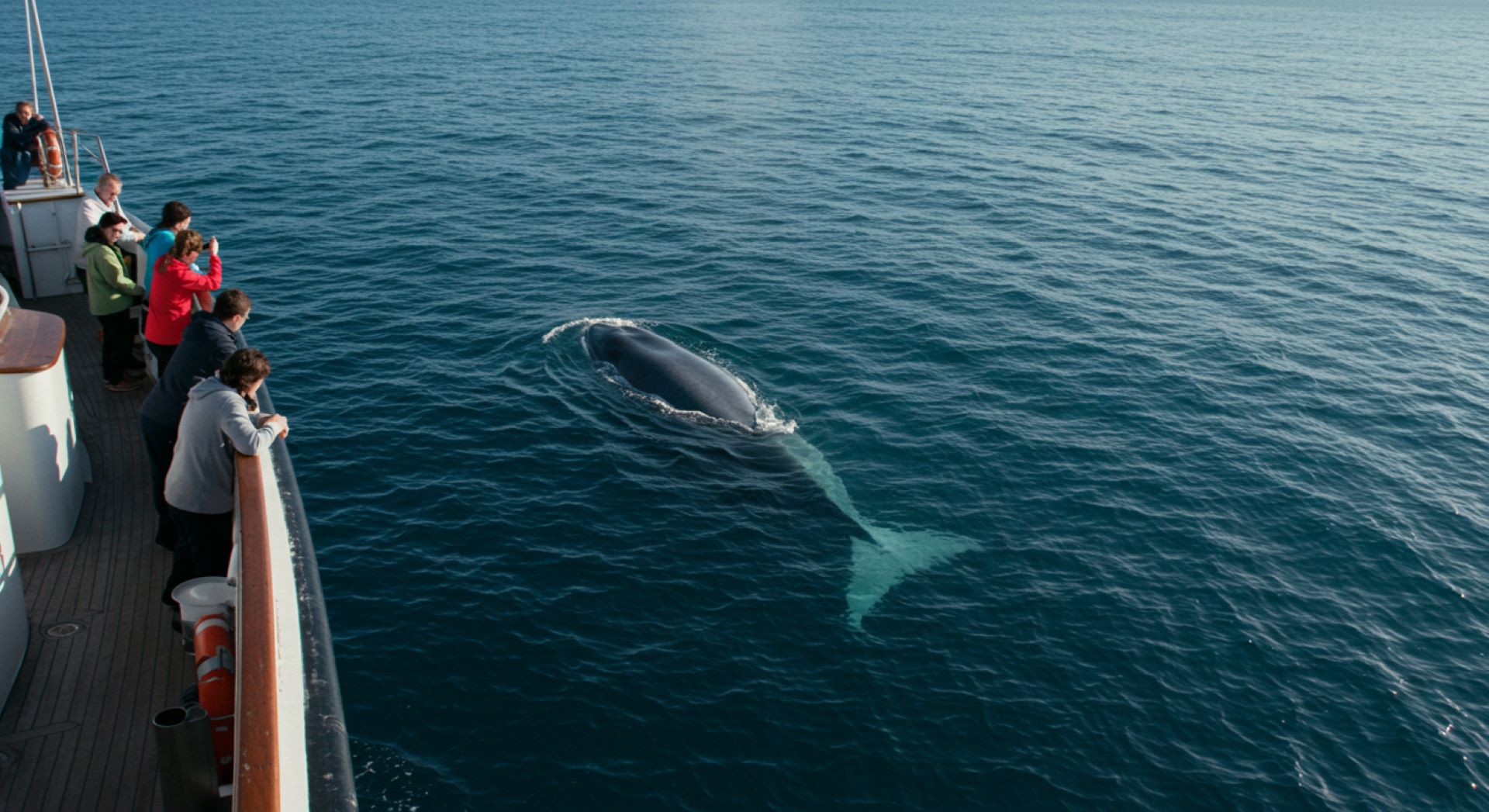
South Africa’s whale-watching hotspots offer an unparalleled opportunity to witness some of the world’s most magnificent marine creatures in their natural habitat. By traveling responsibly and respecting the delicate balance of these ecosystems, you can ensure that future generations will be able to experience the wonders of whale watching in South Africa. Start planning your adventure today—an unforgettable journey awaits along the South African coast.
Jabulani
Reporting from the frontlines of the South African tourism renaissance. Bridging the gap between regional stories and global audiences through elite narrative strategy.