

Across South Africa’s coastal cities, the shoreline is steadily becoming more than a geographic edge. It is evolving into a social and economic heartbeat where commerce brushes shoulders with leisure, and where the restless movement of the city softens into the breathing rhythm of the sea.
Urban waterfront tourism development reflects a modern understanding of public space. Cities are beginning to recognise that harbour districts should not exist solely as industrial or transport infrastructure but can also function as cultural and recreational environments. This shift is especially relevant in South Africa, where tourism plays a vital role in regional economic growth and where coastal identity is woven into the nation’s historical and cultural story.
Waterfronts carry a unique psychological appeal. Visitors are drawn to the wide visual openness of the ocean, where distance appears softer and time seems to move a little more slowly. The sound of water movement creates a natural acoustic separation from urban congestion, allowing people to feel both connected to and removed from the energy of the city. This duality is what makes waterfront tourism development particularly powerful.
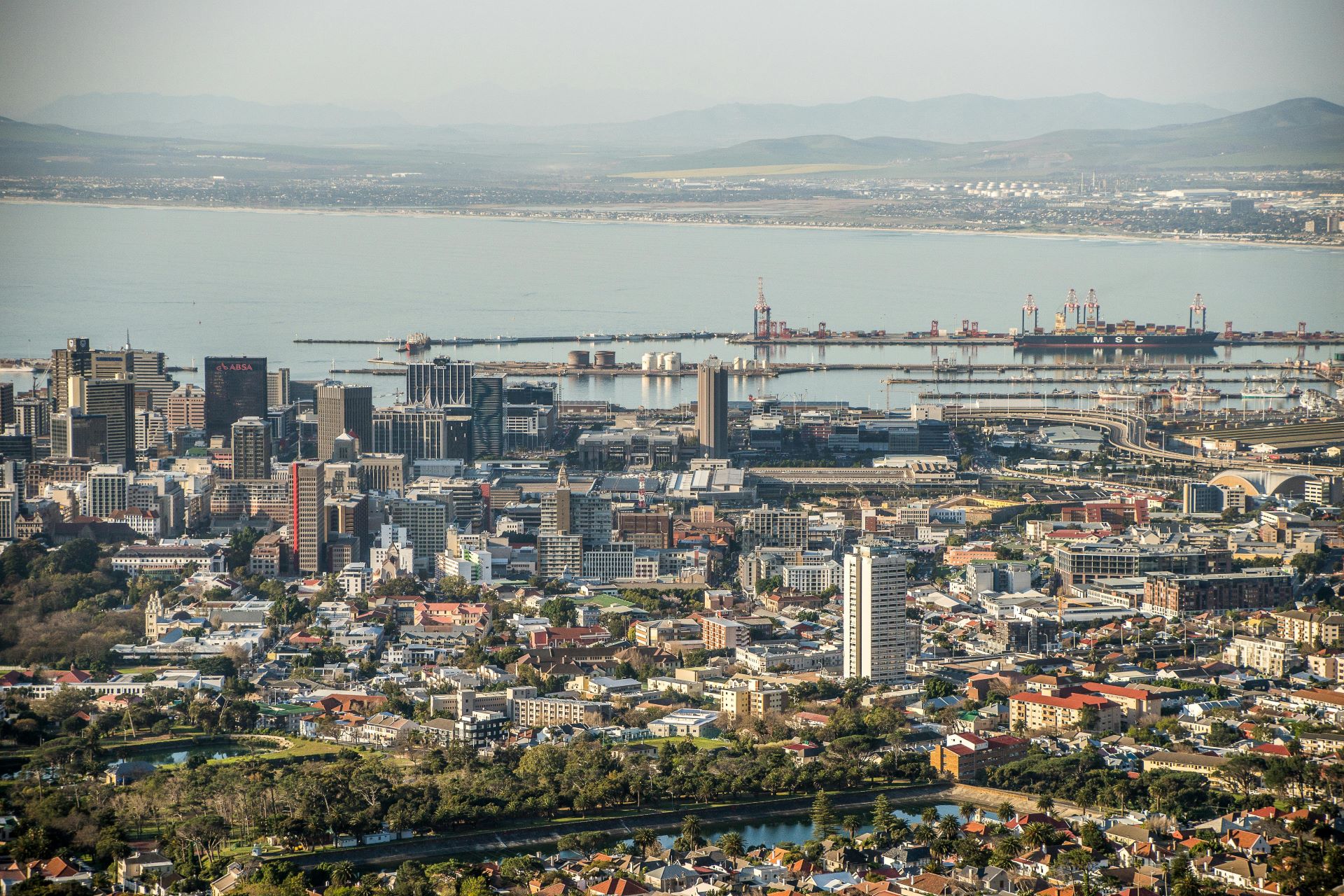
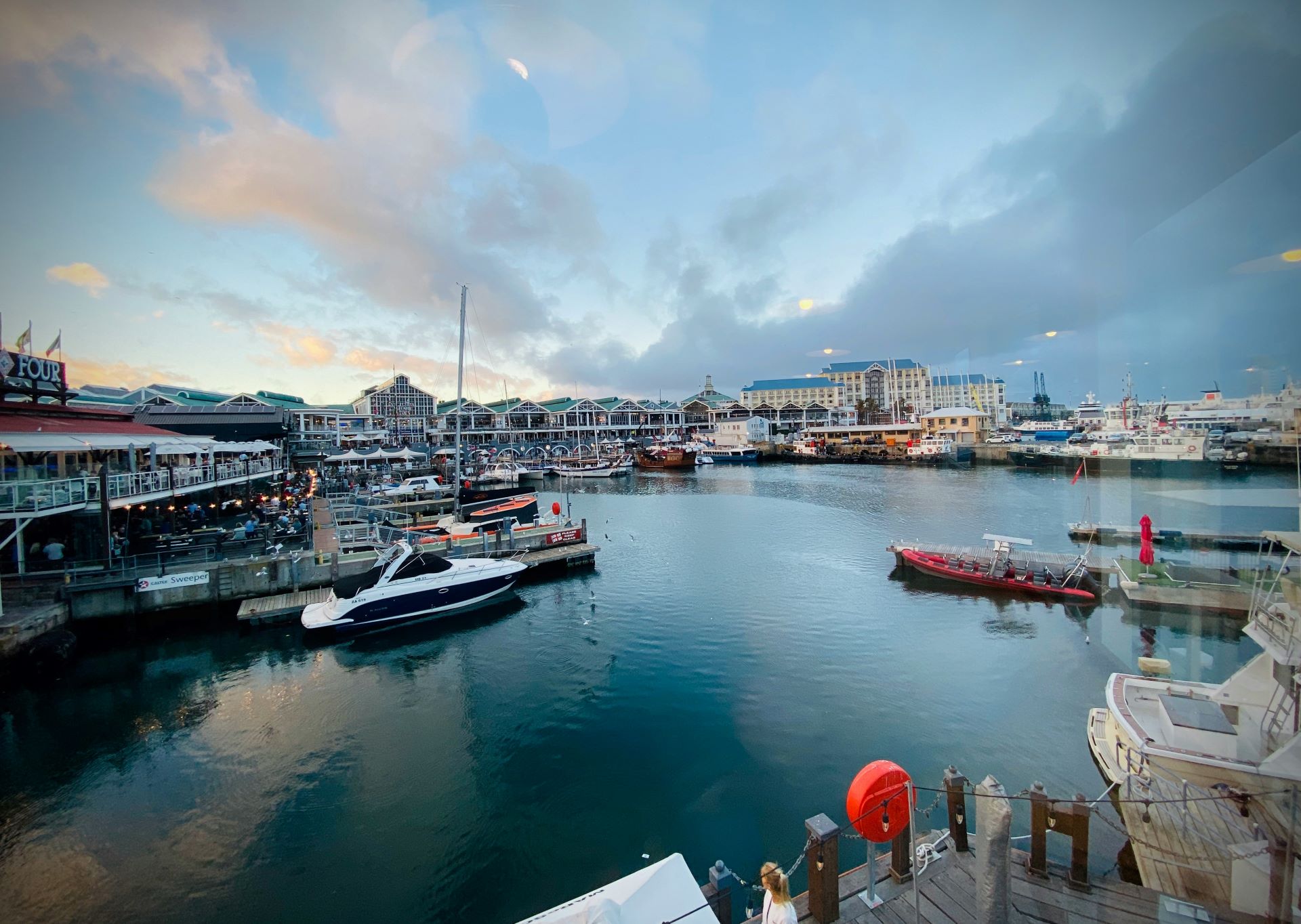
The transformation of harbour districts into lifestyle destinations has already proven successful in several major South African urban centres. Perhaps the most internationally recognised example is the Victoria & Alfred Waterfront, a destination that began as a commercial harbour redevelopment project and has matured into a complex social ecosystem of retail, hospitality and maritime culture.
What distinguishes successful waterfront precincts is not architectural grandeur alone but the ability to support everyday human interaction. Tourism planners are increasingly focused on creating spaces where residents and visitors share experiences rather than operating in separate environmental zones.
The future of waterfront tourism in South Africa will likely depend on flexibility. Cities are learning that there is no single blueprint for waterfront success. Instead, development must respond to local culture, climate conditions and economic realities while still supporting global tourism expectations.
Waterfronts as Living Social Spaces
The social dimension of waterfront tourism cannot be overstated. Modern coastal precincts function best when they operate as community gathering landscapes rather than purely commercial attractions.
South African urban waterfronts are gradually embracing the philosophy of inclusive spatial design. This means that development projects are not only evaluated based on tourism revenue but also on how effectively they serve local residents. When a waterfront is loved by the community that lives nearby, it gains an authenticity that cannot be manufactured through marketing alone.
The presence of the ocean changes the social behaviour of urban visitors. People tend to move more slowly near water, pausing to observe passing boats or shifting reflections across the surface. This natural slowing of human movement encourages longer stays within precinct spaces, which indirectly supports hospitality and retail spending.
Evening waterfront environments carry a particularly strong social energy. As daylight softens into twilight, harbour lights begin their quiet performance across the water, transforming restaurants and walkways into spaces of shared experience. Music performances, public art installations and informal social seating areas contribute to this atmosphere.
In many South African cities, waterfronts are also becoming platforms for cultural expression. Local musicians, visual artists and performance groups find opportunities to connect directly with tourists while maintaining cultural storytelling traditions. This integration of art and tourism strengthens destination identity and supports creative industry employment.
Retail Experiences and Place-Based Commerce
Retail development within waterfront precincts operates differently from conventional shopping centres. Visitors arriving at coastal tourism districts are usually motivated by exploration rather than targeted purchasing behaviour.
The most successful retail environments in waterfront settings focus on experiential commerce. Products that carry cultural meaning or local craftsmanship tend to perform well because they function as travel souvenirs rather than everyday utility items.
South African waterfront retail districts have increasingly showcased locally produced fashion, jewellery and decorative art. This approach supports national tourism branding while simultaneously strengthening small business participation in the visitor economy.
Architectural diversity within retail spaces also plays an important role. Monolithic commercial corridors can feel visually exhausting after extended walking periods. By contrast, clusters of smaller boutique stores create rhythm within the urban landscape, encouraging visitors to wander naturally from one shop window to another.
Pedestrian accessibility is one of the strongest predictors of retail success in waterfront tourism zones. When visitors feel physically comfortable moving through a precinct, they are more likely to engage in spontaneous purchasing decisions. Wide walkways, shaded resting points and visually interesting storefronts contribute to this comfort.
Retail spaces positioned close to the water’s edge often achieve premium commercial value because they combine lifestyle aspiration with scenic relaxation. The simple experience of browsing while watching harbour activity creates a subtle emotional association between consumption and pleasure.
Entertainment Economy and Night Tourism Expansion
Entertainment infrastructure represents the energetic pulse that keeps waterfront tourism alive after sunset. Without evening programming, many coastal precincts risk becoming daytime sightseeing locations with limited economic endurance.
Night tourism has become increasingly important in South Africa’s urban tourism strategy because it extends visitor dwell time within cities. When travellers remain in a destination for longer periods, they are more likely to spend on accommodation, dining and entertainment.
Lighting design plays a critical role in shaping nighttime visitor perception. Modern waterfront precincts are moving toward intelligent illumination systems that enhance architectural forms while maintaining pedestrian safety. Soft, layered lighting helps preserve the visual relationship between land and water without creating harsh environmental glare.
Music venues and open-air performance spaces are becoming common features of waterfront development. These environments support local artistic industries while creating recurring visitor attraction cycles. Live performance events generate social excitement that cannot be replicated through static attractions.
Hospitality businesses within waterfront precincts must coordinate operating hours with entertainment programming. When restaurants, bars and performance spaces function as part of a synchronised cultural rhythm, visitor circulation becomes more natural and predictable.
Safety remains a central concern in nighttime tourism. Visible security presence, community policing partnerships and well-maintained public surveillance infrastructure help maintain visitor confidence. However, security design must avoid creating environments that feel restrictive or overly controlled, because tourism spaces thrive on emotional freedom.
Marine Access as the Core Tourism Attraction
The ocean itself is the primary architectural feature of any waterfront destination. Without direct connection to water-based experiences, a waterfront development risks becoming little more than a coastal shopping district.
South Africa’s long coastline provides exceptional opportunities for marine tourism integration. Harbour cruises, recreational sailing, marine wildlife observation and ferry-based transport tourism are increasingly popular among international and domestic visitors.
Marine tourism experiences offer psychological novelty because they allow travellers to view urban landscapes from unfamiliar perspectives. Observing a city skyline while moving across water creates a sense of adventure that is fundamentally different from land-based sightseeing.
However, marine tourism development requires careful environmental management. Coastal ecosystems are sensitive to operational pressure, and tourism infrastructure must be designed to minimise ecological disturbance. Waste discharge control, vessel emission monitoring and marine biodiversity protection zones are becoming essential regulatory components.
Adventure tourism operators are also expanding coastal activity offerings. Sunset cruises, coastal photography journeys and marine education tours are growing segments of South Africa’s tourism market.
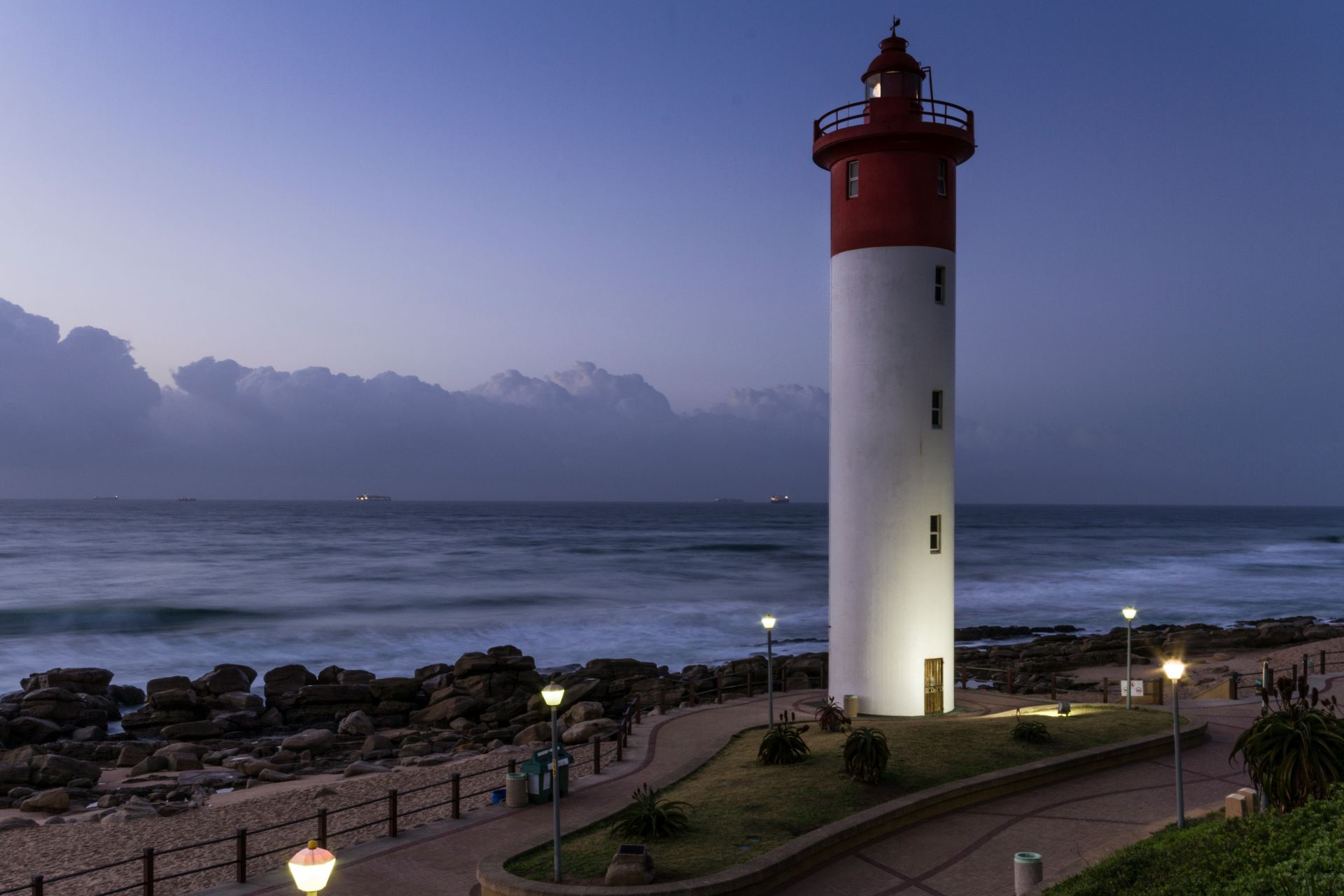
In cities such as the Durban Point Waterfront, the integration of working harbour activity with leisure tourism demonstrates the economic and spatial possibility of combining commercial marine operations with visitor entertainment environments.
Cultural Heritage and Destination Identity
Tourism destinations that succeed over long periods tend to be those that communicate a story rather than simply offering visual attraction.
South Africa’s coastal cities carry complex maritime histories shaped by trade routes, migration patterns and colonial port development. Waterfront tourism planning increasingly emphasises the preservation and interpretation of this heritage.
Museums and historical exhibition centres positioned within harbour precincts provide educational value while enriching visitor experience. Interactive displays, community storytelling programmes and digital heritage interpretation systems are growing in popularity.
Public art installations also play an important role in cultural communication. Coastal sculptures, mural projects and architectural detailing inspired by indigenous design traditions help ground modern tourism infrastructure within local identity.
Community participation is essential in heritage programming. When local residents are involved in cultural tourism initiatives, destinations develop social legitimacy and long-term sustainability. Tourism development that ignores community voice often struggles to maintain authenticity in visitor perception.
Transport Integration and Visitor Movement
Accessibility shapes the practical usability of any waterfront tourism precinct.
South African urban centres are gradually investing in transport systems that connect city centres, residential zones and coastal tourism districts. Efficient visitor movement reduces congestion stress and improves overall destination satisfaction.
Pedestrian corridors are becoming more prominent within waterfront design philosophy. Walking tourism is especially valuable in scenic coastal environments because it allows visitors to experience environmental beauty at human speed rather than mechanical speed.
Parking infrastructure is another important design consideration. Large exposed parking fields can disrupt visual continuity and reduce scenic value. Many modern developments are exploring underground parking systems or peripheral parking hubs supported by shuttle transport services.
Digital navigation technology is also transforming tourism behaviour. Mobile tourism applications allow visitors to monitor event schedules, restaurant availability and transport options in real time. Smart tourism environments are slowly becoming the standard for competitive international destinations.
Sustainability, Climate Awareness and Coastal Protection
Environmental sustainability is one of the greatest challenges facing waterfront tourism development.
South Africa’s coastline is vulnerable to climate-related pressures including rising sea levels, storm intensity variation and coastal erosion. Tourism infrastructure must therefore be built with long-term resilience in mind.
Engineered shoreline protection systems, elevated pedestrian walkways and water-sensitive urban design approaches are gaining importance in coastal planning.
Energy efficiency is also becoming a defining feature of modern tourism architecture. Solar lighting systems, water recycling technologies and low-carbon building materials help reduce operational costs while strengthening environmental credibility.
Waste management remains critical in high-density visitor zones. Public recycling facilities, plastic reduction policies and sustainable sourcing practices within waterfront restaurants support ecological preservation.
Global tourism markets are increasingly influenced by environmental ethics. Destinations that demonstrate responsible ecological stewardship are often perceived as more trustworthy and future-ready.
Economic Transformation and Community Participation
Urban waterfront tourism development has profound economic implications for surrounding communities.
Tourism precincts generate employment opportunities across multiple sectors including hospitality, retail trade, marine recreation operations, security services and cultural performance industries.
In the South African context, small and medium enterprise participation is particularly important. Historically disadvantaged communities must have meaningful access to commercial opportunities created by tourism growth.
Skills development programmes focusing on customer service, tour guiding, hospitality operations and retail management help strengthen local workforce capacity.
The greatest risk associated with waterfront tourism development is spatial economic isolation. Tourism districts must remain physically and socially connected to surrounding neighbourhoods rather than functioning as exclusive luxury zones separated from the urban fabric.
Sustainable tourism planning recognises that economic success is inseparable from social inclusion.
The Future Shape of Waterfront Tourism in South Africa
The future of urban waterfront tourism will likely be defined by the convergence of experience design, digital technology and environmental consciousness.
Global travel behaviour is shifting toward destinations that offer multi-layered experiences within compact geographic spaces. Visitors are increasingly interested in places where they can dine, shop, explore marine environments and participate in cultural activities without extensive travel between attractions.
South Africa’s coastline is well positioned to support this integrated tourism model.
Future waterfront developments may evolve into living urban districts rather than seasonal visitor attractions. Tourism, residential living, commerce and entertainment may blend into continuous spatial ecosystems rather than isolated functional zones.
Technology will also influence tourism management. Data-driven visitor flow monitoring, intelligent transport systems and digital cultural interpretation platforms will shape how people interact with coastal precincts.
Yet despite technological advancement, the emotional essence of waterfront tourism will remain unchanged.
People travel to the ocean because water carries stories that are older than cities. The shoreline represents meeting points between human ambition and natural endurance.
Urban waterfronts are therefore more than development projects. They are shared social horizons where commerce meets community, memory meets modernity and the city learns to breathe beside the sea.
In South Africa, the future of tourism may well unfold along the places where city lights pause to listen to the patient language of the ocean.
Jabulani
Reporting from the frontlines of the South African tourism renaissance. Bridging the gap between regional stories and global audiences through elite narrative strategy.