

The Perception Gap: Why Safety Shapes Travel Decisions
Urban tourism in South Africa sits at an interesting crossroads where perception and reality don’t always align. For many international travellers, safety concerns dominate the decision-making process long before a ticket is booked. Headlines, anecdotal accounts, and outdated assumptions often paint a picture that feels more dramatic than the lived experience of most visitors.
At the same time, dismissing these concerns entirely would be irresponsible. South Africa’s cities are vibrant, complex environments where opportunity and risk coexist in close proximity. For travellers, the real question is not whether cities are “safe” or “unsafe” in absolute terms, but how risks manifest and how they can be managed effectively.
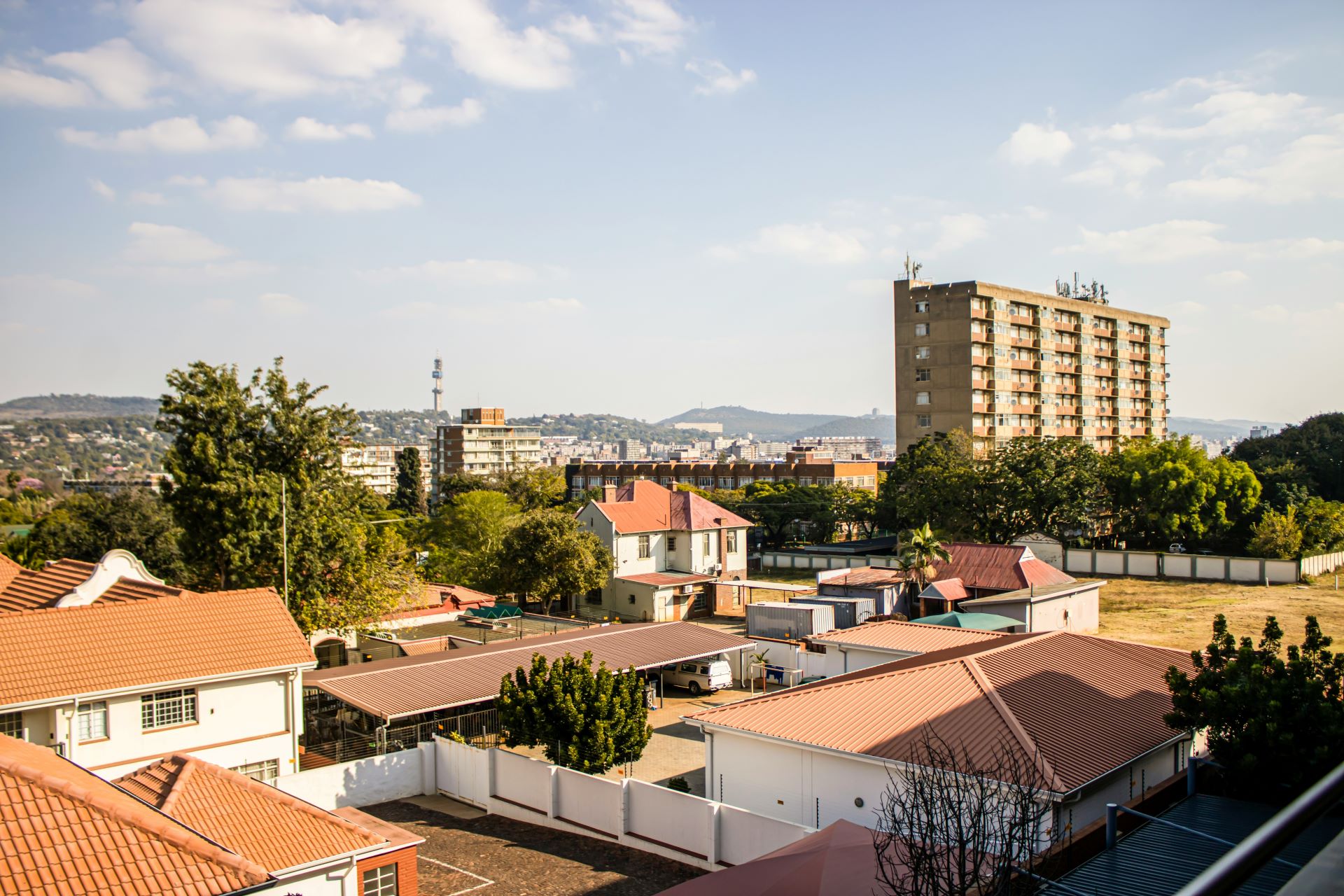
This is where urban tourism in South Africa becomes less about fear and more about informed navigation. Like a city skyline at dusk, the reality is layered, nuanced, and far more navigable than it may first appear.
Understanding Risk in South African Cities
Urban safety in South Africa varies significantly depending on location, time of day, and behaviour. Cities such as Johannesburg, Cape Town, and Durban are not monolithic spaces. They are mosaics of neighbourhoods, each with its own rhythm, infrastructure, and risk profile.
Tourist-centric areas tend to be well-managed, with visible security presence and infrastructure designed to support visitors. These include business districts, waterfront developments, cultural precincts, and established nightlife hubs. Here, the risks are generally comparable to other major global cities, with petty crime being the most common concern.
Outside these zones, the landscape can shift quickly. Socioeconomic disparities, limited policing resources, and urban sprawl contribute to higher crime rates in certain areas. For travellers unfamiliar with local dynamics, this can create a sense of unpredictability.
What matters most is context. A street that feels welcoming during the day may become less advisable after dark. A neighbourhood popular with locals may require a guide for first-time visitors. Safety in South African cities is not static; it is situational.
The Real Risks: What Tourists Are Most Likely to Encounter
The most common risks facing urban tourists in South Africa are not extreme scenarios but rather opportunistic crimes. Pickpocketing, bag snatching, and phone theft are the primary concerns in busy areas such as markets, public transport hubs, and nightlife districts.
These incidents often rely on distraction. A crowded sidewalk, a moment of inattention, or visible valuables can create opportunities. The experience, while unsettling, is rarely violent when basic precautions are followed.
More serious crimes, including armed robbery, do occur but are far less likely to affect tourists who remain within recommended areas and follow standard safety practices. These incidents tend to be geographically concentrated and often involve specific circumstances rather than random targeting of visitors.
Car-related risks also feature prominently in urban environments. Smash-and-grab incidents at traffic lights, particularly in major cities, are a known issue. Again, these are typically opportunistic and can be mitigated through simple measures such as keeping windows closed and valuables out of sight.
Understanding these patterns transforms safety from an abstract concern into something tangible and manageable. It shifts the narrative from fear to preparedness.
The Role of Infrastructure and Policing
South Africa’s tourism sector has invested significantly in safety infrastructure, particularly in high-traffic urban areas. Private security, surveillance systems, and dedicated tourism policing units are common features in key precincts.
In cities like Cape Town, neighbourhood watches and improvement districts play a visible role in maintaining safety. Johannesburg’s revitalised inner-city areas and business districts often rely on a combination of private and public security measures to create controlled environments for visitors.
However, the broader policing landscape remains uneven. Resource constraints and varying response times can affect how incidents are handled outside of priority zones. This reinforces the importance of staying within well-managed areas, especially for those unfamiliar with the local context.
For travellers, this means that safety is not just about personal behaviour but also about choosing the right environments. The infrastructure exists, but it is not uniformly distributed.
Practical Precautions That Make a Difference
Navigating South African cities safely does not require extreme measures. Instead, it involves adopting habits that quickly become second nature.
Awareness is the foundation. Travellers who remain attentive to their surroundings are far less likely to encounter problems. This includes noticing who is nearby, avoiding distractions such as excessive phone use in public, and trusting instinct when something feels off.
Visibility matters just as much. Flashy displays of wealth, whether through jewellery, electronics, or clothing, can attract unwanted attention. Keeping valuables discreet reduces the likelihood of becoming a target.
Transport choices also play a crucial role. Ride-hailing services are widely used and generally considered safer than informal transport options. Walking is best reserved for well-known areas, particularly during daylight hours. At night, even short distances are better covered by car.
Accommodation decisions should prioritise security features such as controlled access, secure parking, and reputable locations. Hotels and established guesthouses typically offer these as standard, providing an added layer of reassurance.
Small adjustments like these act as quiet safeguards, shaping the travel experience without overshadowing it.
Local Insight: The Unwritten Rules of Urban Movement
Every city has its own set of unwritten rules, and South African cities are no different. These are the subtle behaviours that locals adopt instinctively and that visitors can learn quickly.
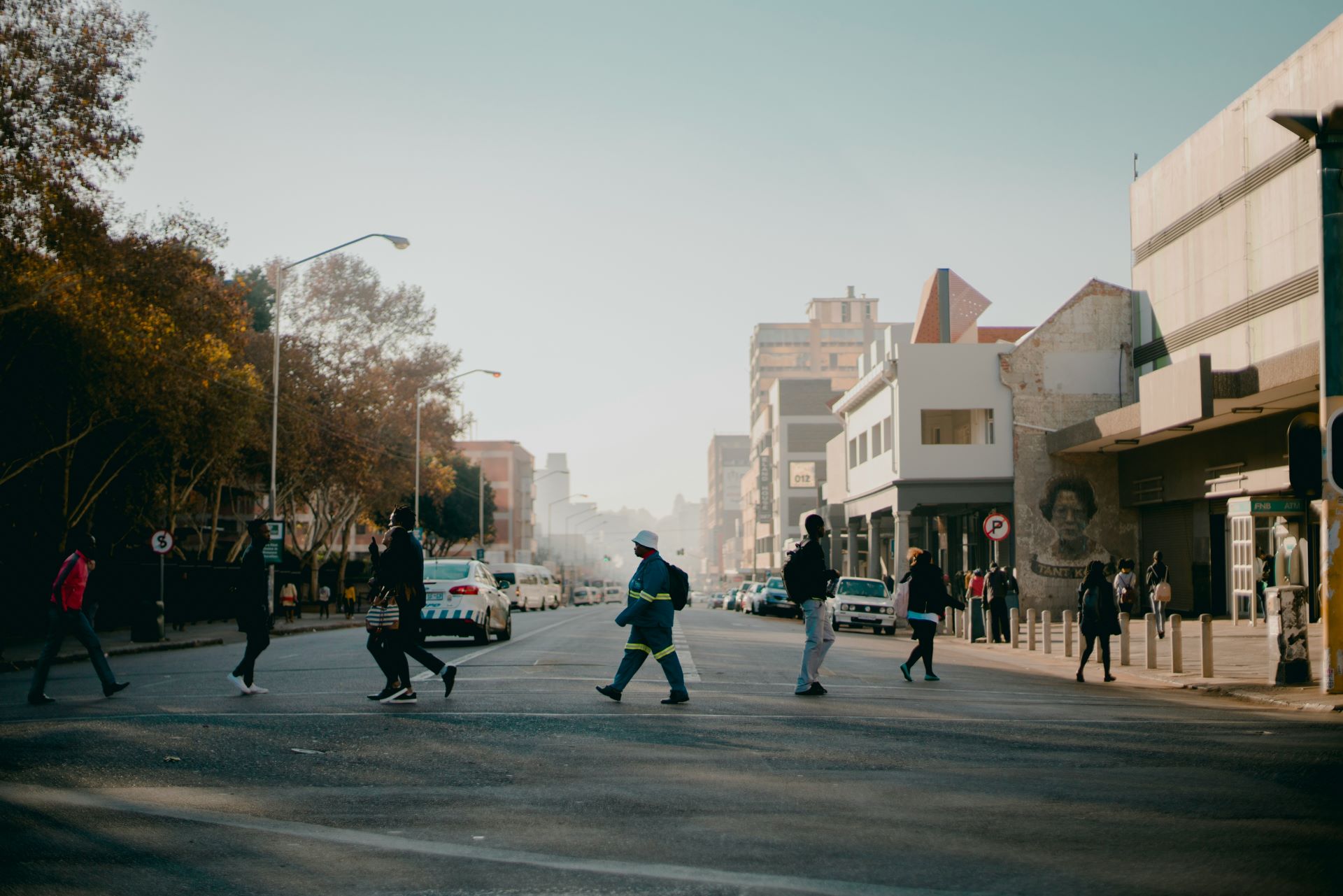
There is a rhythm to movement. Busy streets are generally safer than empty ones, but overcrowded spaces can increase the risk of petty theft. Finding the balance becomes part of the experience.
Timing is another factor. Early evenings in popular areas are often lively and well-policed, while late-night movement requires more caution. Understanding these patterns helps travellers align their plans with safer timeframes.
Interaction also plays a role. South Africans are known for their friendliness, and engaging with locals can enhance both safety and experience. Hotel staff, tour guides, and even restaurant servers can provide valuable advice on where to go and what to avoid.
These insights are rarely found in guidebooks, yet they shape the day-to-day reality of urban travel.
Media Narratives vs Lived Experience
Safety concerns around South Africa are often amplified by international media coverage, which tends to focus on extreme incidents. While these stories are not unfounded, they can create a distorted perception when viewed in isolation.
The lived experience of most tourists is far more balanced. Millions of visitors explore South African cities each year without incident, enjoying cultural attractions, dining, and nightlife in relative safety.
This does not negate the presence of crime, but it highlights the importance of context. A single narrative cannot capture the full spectrum of experiences within a country as diverse as South Africa.
For travellers, the challenge is to move beyond headlines and engage with nuanced information. This includes consulting updated travel advisories, local sources, and firsthand accounts.
The Economic Impact of Safety Perception
Perception does not just influence individual travel decisions; it shapes the broader tourism economy. Cities that are perceived as unsafe often experience reduced visitor numbers, affecting everything from hospitality businesses to local employment.
Conversely, improvements in safety perception can drive significant growth. Investment in infrastructure, marketing campaigns, and public-private partnerships all contribute to reshaping how cities are viewed.
In South Africa, this dynamic is particularly evident. Efforts to position cities as world-class destinations are closely tied to safety initiatives. The success of major events, international conferences, and tourism campaigns depends heavily on the confidence of visitors.
This creates a feedback loop where perception and reality influence each other. Safer environments attract more visitors, which in turn supports further investment in safety.
Urban Tourism Hotspots: Where Safety Meets Experience
Certain urban areas in South Africa have successfully balanced safety and tourism appeal. Waterfront developments, cultural districts, and curated urban experiences offer environments where visitors can explore with confidence.
These spaces often feature controlled access, visible security, and a concentration of attractions. They are designed to be both engaging and secure, making them ideal entry points for first-time visitors.
However, limiting travel exclusively to these areas can result in a narrow experience. South Africa’s urban richness extends far beyond curated zones, encompassing neighbourhoods with deep cultural significance and unique local character.
Exploring these areas safely often requires guided tours or local knowledge. This not only enhances safety but also provides deeper insight into the social and cultural fabric of the city.
Nightlife and After-Dark Considerations
Urban tourism does not end when the sun sets, but the rules do change. Nightlife in South African cities can be vibrant and rewarding, with a wide range of venues catering to different tastes.
Safety during these hours depends largely on planning. Choosing reputable venues, arranging transport in advance, and avoiding isolated areas are key considerations.
Alcohol consumption can also affect awareness, making it important to remain mindful of surroundings even in social settings. Travelling in groups adds an additional layer of security, particularly in unfamiliar areas.
The goal is not to avoid nightlife but to approach it with the same level of awareness applied during the day.
The Role of Technology in Enhancing Safety
Technology has become an essential tool for urban travellers. Navigation apps, ride-hailing platforms, and real-time communication all contribute to safer movement within cities.
Sharing live locations with trusted contacts, using digital payment methods, and accessing local safety apps can further enhance security. These tools provide a sense of control, allowing travellers to make informed decisions in real time.
At the same time, reliance on technology should not replace situational awareness. A phone can guide a route, but it cannot interpret the nuances of a street environment.
Balancing digital tools with real-world awareness creates a more resilient approach to safety.
Responsible Tourism and Community Impact
Safety is not only about protecting visitors; it also intersects with the well-being of local communities. Responsible tourism practices can contribute to safer environments by supporting local economies and fostering positive interactions.
Choosing reputable tour operators, respecting local customs, and engaging with community-based initiatives all play a role. These actions help create a more inclusive tourism ecosystem where benefits are shared more widely.
In turn, communities that benefit from tourism are more likely to invest in maintaining safe and welcoming environments.
A Balanced Perspective on Urban Safety
Urban tourism in South Africa cannot be reduced to a simple equation of risk versus reward. It is a dynamic experience shaped by awareness, choice, and context.
The risks are real but manageable. The rewards, from cultural diversity to urban energy, are equally tangible. For travellers willing to approach the experience with informed caution, South African cities offer a depth and vibrancy that few destinations can match.
Safety, in this context, becomes less about avoidance and more about engagement. It is the quiet skill of moving through a city with confidence, understanding its rhythms, and respecting its complexities.

Confidence Through Knowledge
Travelling through South Africa’s urban landscapes is not a leap into the unknown but a journey that rewards preparation. By understanding the nature of risks and adopting practical precautions, visitors can navigate cities with confidence.
The story of urban tourism in South Africa is not one of danger, but of contrast. It is a place where challenges exist alongside opportunity, where perception can differ from reality, and where informed travellers can find experiences that are both safe and deeply enriching.
In the end, safety is not a fixed destination. It is a continuous process, shaped by awareness, choice, and the willingness to engage with a place on its own terms.
Jabulani
Reporting from the frontlines of the South African tourism renaissance. Bridging the gap between regional stories and global audiences through elite narrative strategy.