

The Quiet Rise of Smaller Travel Destinations
Travel in South Africa is slowly changing its rhythm. Visitors are beginning to look beyond the famous coastal cities and safari corridors, searching instead for places where life moves with a calmer heartbeat and stories feel more intimate.
Polokwane sits quietly in the heart of Limpopo, often overlooked by hurried travellers racing toward the world-famous wilderness zones further north. Yet this city carries its own tourism personality, shaped by wide skies, heritage echoes, and pockets of natural sanctuary stitched into its urban edge.
Smaller cities are gaining attention because modern travellers want more than photographs. They want experiences that feel rooted in community, history, and landscape. Polokwane answers that call with surprising confidence. The city is not loud about its tourism identity. Instead, it invites visitors to walk slowly, listen carefully, and discover beauty that does not need grand advertising campaigns.
For tourism marketers and travel planners, Polokwane represents an emerging opportunity. It is a place where nature tourism and cultural tourism can grow together without overwhelming each other. The future of travel here is not mass tourism but meaningful visitation.

The Natural Heart of Polokwane Tourism
The greatest tourism advantage of Polokwane lies in its surrounding ecological spaces. Nature reserves close to urban areas allow visitors to experience wildlife without long, exhausting transfers.
One of the most important attractions is Polokwane Game Reserve, a protected wildlife area located only a short distance from the city centre. The reserve offers visitors the unusual experience of entering wilderness landscapes without leaving urban comfort zones behind.
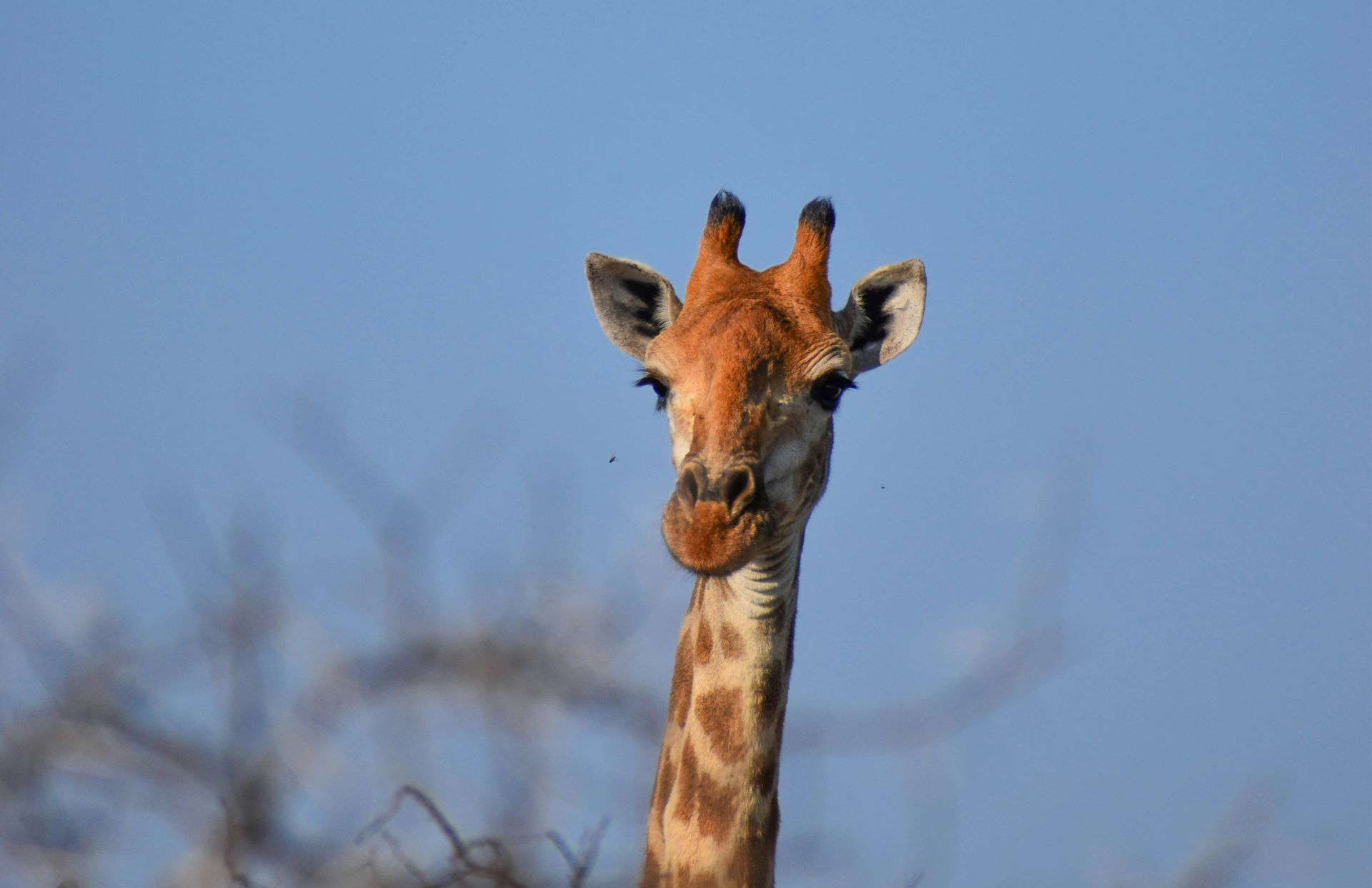
The reserve supports a variety of species typical of South African savannah ecosystems. Visitors may encounter antelope species moving gracefully through open grasslands, along with smaller mammals and an impressive catalogue of birdlife. The accessibility of the reserve makes it especially attractive for weekend travellers, school excursions, and international tourists staying briefly in the region.
Unlike some of the larger wildlife destinations in South Africa, Polokwane’s reserve is designed for shorter, more flexible visits. This fits the growing global travel trend where tourists combine business travel or urban stays with quick nature experiences.
Tour operators can build packages around morning wildlife drives followed by city cultural experiences. The model works well for travellers who may not have time for multi-day wilderness expeditions but still want authentic African wildlife encounters.
The landscape itself is part of the attraction. Limpopo’s climate produces wide horizons, golden seasonal grass tones, and dramatic afternoon light. Photographers often find the reserve particularly rewarding during early morning hours when mist lifts slowly from the ground like a dreaming animal stretching after sleep.
Wildlife Tourism Without the Crowds
South African tourism is often associated with iconic wildlife destinations such as Kruger National Park. While the park remains one of the world’s premier safari destinations, its popularity sometimes creates congestion during peak seasons.
Polokwane offers a complementary experience rather than a competing one. Visitors can stay in the city and explore surrounding nature spaces without navigating high-density safari traffic.
This positioning is valuable for international travellers who may want to experience South African wildlife but prefer quieter settings. Smaller reserves allow for more personalised guiding, easier photography opportunities, and less rushed wildlife viewing.
Conservation education also becomes easier in these environments. Guides can spend more time explaining ecological relationships, local conservation challenges, and the importance of protecting savannah ecosystems.
Local tourism businesses can develop interpretive walking trails, birdwatching tours, and family-friendly wildlife introduction programmes. These experiences are particularly attractive to domestic travellers from other South African provinces who want weekend educational tourism.
Cultural Tourism and Northern Sotho Heritage
Nature alone does not define Polokwane’s tourism future. Cultural identity is equally important.
One of the most valuable heritage spaces near the city is Bakone Malapa Northern Sotho Open-Air Museum. This living museum offers visitors insight into traditional Northern Sotho architecture, lifestyle, and craftsmanship.
The museum is more than a display site. It functions as a cultural bridge between historical community life and modern tourism curiosity.
Visitors can observe traditional building techniques, pottery creation, and historical household layouts that reflect how communities lived before urbanisation reshaped social geography. Cultural demonstrations help keep indigenous knowledge systems alive while creating economic opportunities for local guides and artisans.
Tourism development in this space should focus on authenticity rather than theatrical performance. Modern travellers are increasingly sensitive to cultural commodification. They prefer respectful interpretation, storytelling, and community participation.
Local tourism agencies can collaborate with community leaders to design visitor experiences that allow interaction without disrupting cultural dignity.
Food tourism can also grow around heritage sites. Northern Sotho cuisine provides an entry point into regional identity. Visitors often remember destinations not just by what they saw but by what they tasted.
Urban Tourism and City Experience
Although Polokwane is often marketed as a nature-adjacent destination, its urban tourism potential should not be underestimated.
The city functions as the economic and administrative centre of Limpopo province, which means visitors often pass through while conducting business or connecting to other destinations.
Developing pedestrian-friendly tourism zones would improve visitor experience. Street art, small craft markets, and cultural performance spaces can help create urban tourism energy without compromising city functionality.
Accommodation infrastructure is also growing steadily. Boutique guesthouses, mid-range hotels, and business traveller accommodation support the city’s dual tourism identity.
One opportunity lies in positioning Polokwane as a stopover destination between Johannesburg and northern wildlife routes.
Domestic road travellers often follow this corridor. If tourism services are designed intelligently, travellers may choose to stay overnight rather than simply refuel and continue driving.
Community-Based Tourism Opportunities
Community tourism represents one of the most sustainable development paths for Polokwane.
South African tourism policy increasingly encourages local participation in tourism value chains. This approach ensures that tourism income circulates within communities rather than concentrating exclusively in large commercial operators.
Craft markets provide excellent entry points. Handmade beadwork, traditional clothing accessories, and woodcraft products reflect regional cultural aesthetics.
Training programmes for local youth can focus on guiding services, hospitality skills, and digital tourism marketing. Younger residents are particularly important because they can help bridge traditional experiences with modern social media storytelling.
Small tour operators could develop township heritage tours that explain the historical development of urban settlements around Polokwane. These tours must be designed carefully, ensuring they are respectful, educational, and community-approved.
Birdwatching Tourism Potential
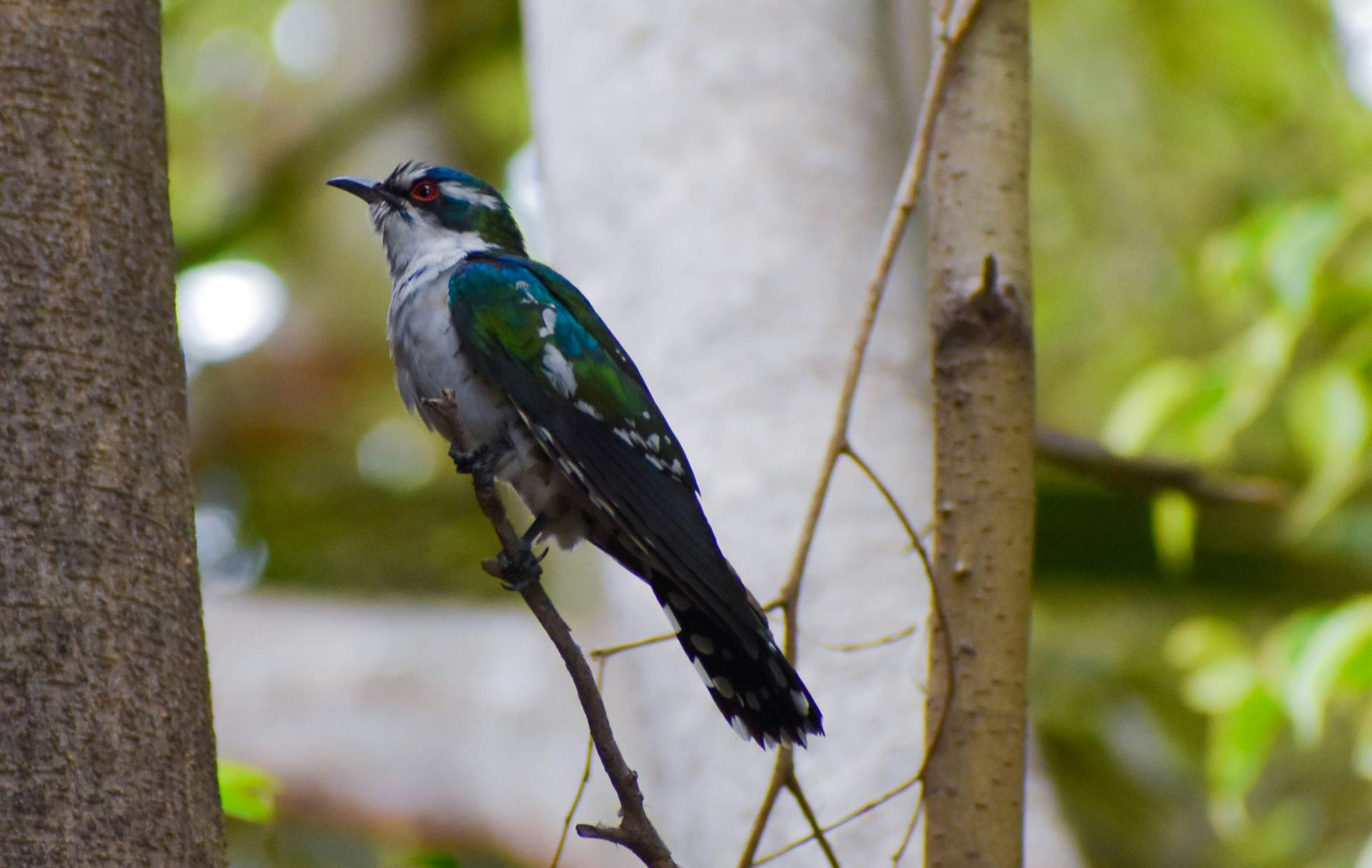
Limpopo province is a hidden paradise for ornithology enthusiasts.
The ecological zones surrounding Polokwane support a wide diversity of bird species, especially during seasonal migration periods.
Birdwatching tourism is particularly valuable because it attracts high-spending niche travellers who tend to stay longer and participate in specialised guiding services.
Eco-lodges can develop observation decks, early morning guided walks, and photographic hides designed for wildlife observation.
Bird tourism also supports conservation awareness. When visitors develop emotional connections with bird species, they are more likely to support environmental protection initiatives.
Events, Festivals, and Seasonal Tourism
Festivals are powerful tourism drivers because they transform ordinary destinations into temporary cultural celebrations.
Polokwane has potential to expand music, craft, and food festivals that showcase Limpopo identity. Events could combine traditional performance arts with modern South African music culture.
Seasonal tourism planning is important. Winter months in Limpopo offer comfortable daytime temperatures, making outdoor activities especially attractive. Summer tourism should emphasise early morning and late afternoon experiences due to heat.
Sport tourism is another opportunity. Local stadiums and sporting facilities can host regional tournaments, attracting visitors who travel with teams or supporters.
Adventure Tourism and Outdoor Activities
Adventure tourism in Polokwane does not need to be extreme to be attractive.
Soft adventure experiences work well for families and casual travellers. Examples include guided hiking trails, mountain viewpoint walks, cycling routes, and educational wildlife tours.
Local entrepreneurs can create equipment rental services for bicycles and outdoor photography.
Safety infrastructure is essential for adventure tourism development. Clearly marked trails, emergency contact systems, and trained guides help build destination trust.
Business Tourism and Conference Markets
Business tourism is often the most economically valuable tourism segment.
As an administrative hub, Polokwane can strengthen its conference tourism infrastructure. Mid-sized conference facilities are ideal because they attract corporate training events, regional government meetings, and professional association gatherings.
Conference tourism has a multiplier effect. Visitors attending meetings also spend money on accommodation, food services, and leisure activities.
Hotels and event centres should integrate high-speed internet connectivity, modern presentation technology, and flexible meeting spaces.
Transport Accessibility and Travel Connectivity
Accessibility determines whether tourism potential becomes real economic activity.
Polokwane is served by regional road networks connecting it to major South African urban centres. Road signage, rest stop quality, and traveller information systems play an important role in visitor satisfaction.
Car rental availability is particularly important for international tourists arriving via air travel routes.
Future tourism development could explore shuttle services linking the city centre, nature reserves, and heritage sites.
Digital Marketing and Tourism Promotion
Modern tourism is increasingly shaped by digital storytelling.
Polokwane tourism stakeholders should prioritise high-quality visual content production. Short-form video marketing works well for showcasing wildlife encounters, cultural experiences, and urban lifestyle scenes.
Search visibility is also critical. Tourism businesses should maintain updated online listings, customer reviews, and responsive social media communication.
Influencer partnerships can help introduce the destination to younger travellers who plan trips using social media inspiration rather than traditional travel guides.
Sustainable Tourism Development
Sustainability is not a marketing slogan but a survival strategy for future tourism.
Water conservation, waste management, and responsible wildlife interaction must be central to tourism planning.
Tourism development around Polokwane should avoid over-commercialisation of natural reserves. Visitor numbers should be managed to protect ecological balance.
Community consultation is equally important. Tourism projects succeed when local residents feel ownership rather than exclusion.
The Future of Polokwane as a Travel Destination
Polokwane represents a new chapter in South African tourism thinking. It demonstrates that smaller cities can compete in tourism markets without imitating the scale of major international destinations.
The city’s strength lies in balance. Nature and culture coexist without overwhelming each other. Visitors can experience wildlife, heritage, and urban life within a compact travel radius.
As global tourism shifts toward meaningful travel experiences, destinations like Polokwane will become more important.
The future traveller is less interested in distance and more interested in story. Polokwane’s story is still being written, quietly but steadily, in the dust-coloured light of Limpopo afternoons.
Tourism opportunities in Polokwane are built on patience, authenticity, and community participation.
The city is not trying to become something it is not. Instead, it is discovering how nature reserves, cultural heritage, and urban services can grow together.
For travellers seeking South African experiences beyond the traditional hotspots, Polokwane offers a destination that feels both familiar and freshly discovered.
Elisha Roodt
Reporting from the frontlines of the South African tourism renaissance. Bridging the gap between regional stories and global audiences through elite narrative strategy.