

Tourism Funding the Silent Battle for Wildlife
Wildlife conservation in modern South Africa is not only an environmental mission but also a financial engineering challenge. Behind the dramatic footage of rangers tracking poachers and helicopters scanning grasslands lies a quieter, more complex story. That story is about how tourism revenue helps keep ecosystems alive.
In South Africa, conservation and tourism have evolved into a symbiotic economic relationship. Visitors are not just observers of wildlife. They are, indirectly, financial participants in protecting it.
At the heart of this system sits South African National Parks, the primary custodian of many of the country’s protected landscapes.
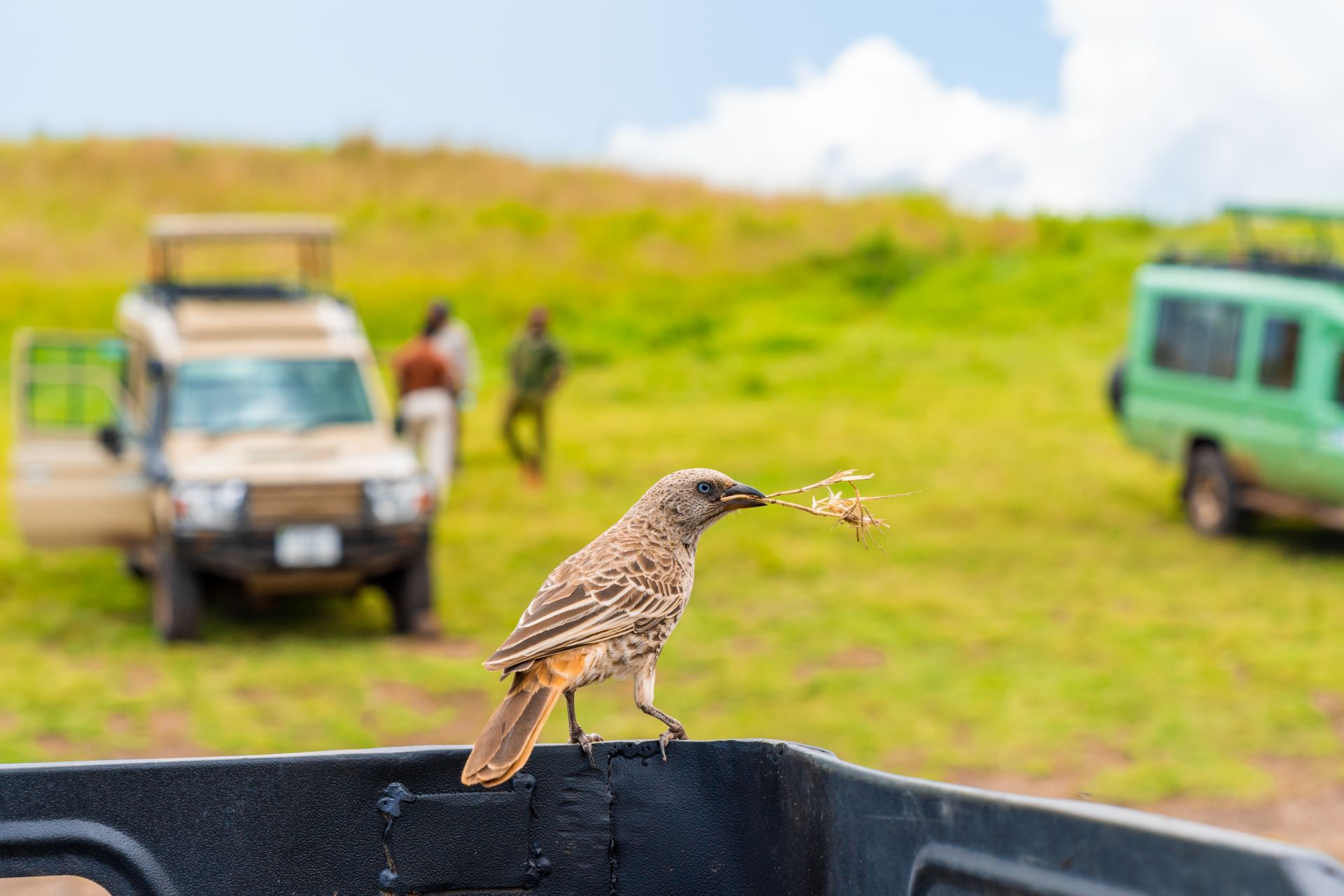
Tourism contributes through park entrance fees, accommodation bookings, guided activities and concession partnerships. Each camera click inside places such as Kruger National Park carries economic weight, helping fund patrol units, monitoring technologies and community engagement programmes.
The model is not perfect, but it represents one of the world’s more mature examples of conservation through commercial ecology.
Understanding the Financial Architecture of Conservation
Conservation funding inside national parks operates through a layered system rather than a single revenue stream.
Tourism acts as the most visible contributor. Park visitors generate direct income through conservation levies and service usage. These funds are then channelled into operational conservation expenses.
Government allocations remain essential, particularly for infrastructure maintenance, scientific research and large-scale biodiversity management. However, tourism revenue provides flexibility. It is the difference between maintaining baseline protection and enabling active defence strategies.
In practical terms, tourism money supports ranger salaries, equipment procurement and field logistics. Without this commercial inflow, anti-poaching programmes would rely more heavily on public expenditure or external grants, both of which fluctuate with economic cycles.
This financial structure transforms tourists into stakeholders in ecological preservation, even if they never directly interact with conservation teams.
The Economics of Anti-Poaching Operations
Anti-poaching work is expensive, technical and relentless.
Ground patrol teams require vehicles capable of navigating remote bushveld terrain, communication systems that remain functional beyond cellular coverage, and medical evacuation support for emergency situations.
Technology has become a critical multiplier. Modern conservation units increasingly deploy:
• Drone surveillance systems to monitor large territories
• Thermal imaging tools for night patrols
• GPS tracking networks for endangered species movement
• Digital intelligence platforms that analyse poaching patterns
Each of these technologies demands ongoing maintenance, software updates and specialised training.
Tourism revenue helps subsidise these operational costs. When visitors pay conservation fees, they are contributing to a defensive barrier around species that would otherwise face greater vulnerability.
Poaching pressure is not evenly distributed across the country, which means funding must be strategically allocated. High-risk zones often receive additional patrol resources, particularly during migration or breeding seasons.
The Role of Park Accommodation in Funding Stability
Accommodation inside national parks is more than hospitality. It is a long-term conservation investment mechanism.
Lodges and rest camps managed by South African National Parks function as high-margin revenue nodes that subsidise lower-margin conservation activities.
Foreign tourists often form the core customer base for these facilities. International visitors tend to stay longer and spend more per trip, which increases per-capita conservation contribution.
The emotional dimension also matters. Many visitors choose in-park accommodation because it offers immersive wildlife experiences. Hearing lions at night or watching elephants at dawn transforms tourism into a sensory narrative rather than a transactional visit.
This experiential tourism model strengthens conservation funding while maintaining demand for protected habitats.
Balancing Accessibility and Environmental Protection
A major policy challenge is ensuring that conservation tourism remains inclusive without overburdening ecosystems.
Too many vehicles near sensitive wildlife zones can disturb breeding behaviour and vegetation recovery. Park management therefore imposes visitor density controls in fragile areas.
Entrance pricing structures also play a role. Domestic tourism is usually priced differently from international tourism to maintain accessibility for South African citizens while preserving revenue efficiency.
The philosophy behind this approach is simple: conservation should not become a luxury commodity accessible only to global travellers.
Sustainable visitor flow management ensures that economic benefit does not compromise ecological integrity.
Community Participation and Economic Spillover
Tourism-driven conservation does not operate in isolation from surrounding communities.
Many rural settlements near national parks depend on tourism supply chains for employment and small business opportunities.
Local communities provide:
Cultural experiences for visitors
Food supply partnerships
Guiding and transport services
Craft production for souvenir markets
When tourism generates employment outside park boundaries, it reduces economic incentives for illegal wildlife harvesting.
Human development and conservation protection are therefore treated as parallel objectives rather than competing interests.
The Technology Arms Race Against Poaching Networks
Poaching syndicates are often highly organised and financially motivated. Conservation agencies must therefore operate with similar strategic sophistication.
Data analytics now plays a central role in protection planning. Historical poaching incidents are mapped to identify behavioural patterns and high-risk corridors.
Communication integration between ranger teams allows rapid response deployment. When suspicious activity is detected, patrol units can be redirected within minutes.
Funding from tourism allows continuous upgrading of these systems. Without steady visitor-driven revenue, technological obsolescence would weaken defensive capacity.
Challenges Facing Tourism-Based Conservation Funding
Despite its success, the model faces structural pressures.
Global economic downturns can reduce international travel. Events such as pandemics dramatically expose the vulnerability of tourism-dependent conservation finance.
Climate variability also affects wildlife distribution and visitor experience quality. Extended droughts or unusual weather patterns can reduce animal visibility, indirectly impacting tourism demand.
Another challenge is balancing commercial tourism expansion with ecological carrying capacity.
If visitor infrastructure grows too aggressively, habitat fragmentation may occur. Conservation authorities must therefore evaluate every new development through environmental impact assessments.
The Future of Conservation Tourism in South Africa
The future of conservation funding will likely involve hybrid financial ecosystems.
Digital tourism experiences may become supplementary revenue streams. Virtual wildlife viewing platforms, educational biodiversity subscriptions and remote safari experiences could expand global participation in conservation financing.
Partnerships between public conservation bodies and private tourism operators are also expected to grow.
Innovation will probably focus on improving the ratio between tourism volume and ecological impact, rather than simply increasing visitor numbers.
The long-term objective is financial resilience for conservation institutions.
Why Tourism Matters More Than People Realise
Tourism is not merely a recreational industry within South Africa’s environmental economy.
It functions as a distributed funding mechanism for biodiversity survival. Every park entry ticket, lodge booking and guided safari contributes marginally to a larger defence network protecting wildlife heritage.
The system transforms emotional appreciation of animals into measurable economic action.
Visitors arrive seeking unforgettable landscapes. In return, they help finance the quiet labour of rangers walking dusty patrol routes before sunrise.
Conservation, in this model, becomes a shared national project supported by global curiosity.
A Fragile but Powerful Economic Symbiosis
The relationship between tourism and wildlife protection remains delicate.
Overdependence on tourism could expose conservation programmes to market volatility, while insufficient tourism would weaken funding capacity.
However, within South African National Parks, the strategy is to maintain diversified revenue streams while preserving tourism as the central public engagement channel.
The model recognises a fundamental truth: wildlife survival is not only a biological challenge but also a financial and social one.
Tourists travelling through the savannas, photographing antelope silhouettes against sunset fire, are unknowingly participating in one of the world’s most remarkable conservation financing experiments.
And as long as people keep arriving to witness the wild heart of South Africa, the economic pulse protecting its wildlife may continue beating.
Jabulani
Reporting from the frontlines of the South African tourism renaissance. Bridging the gap between regional stories and global audiences through elite narrative strategy.