

Where Mountains Become a Playground
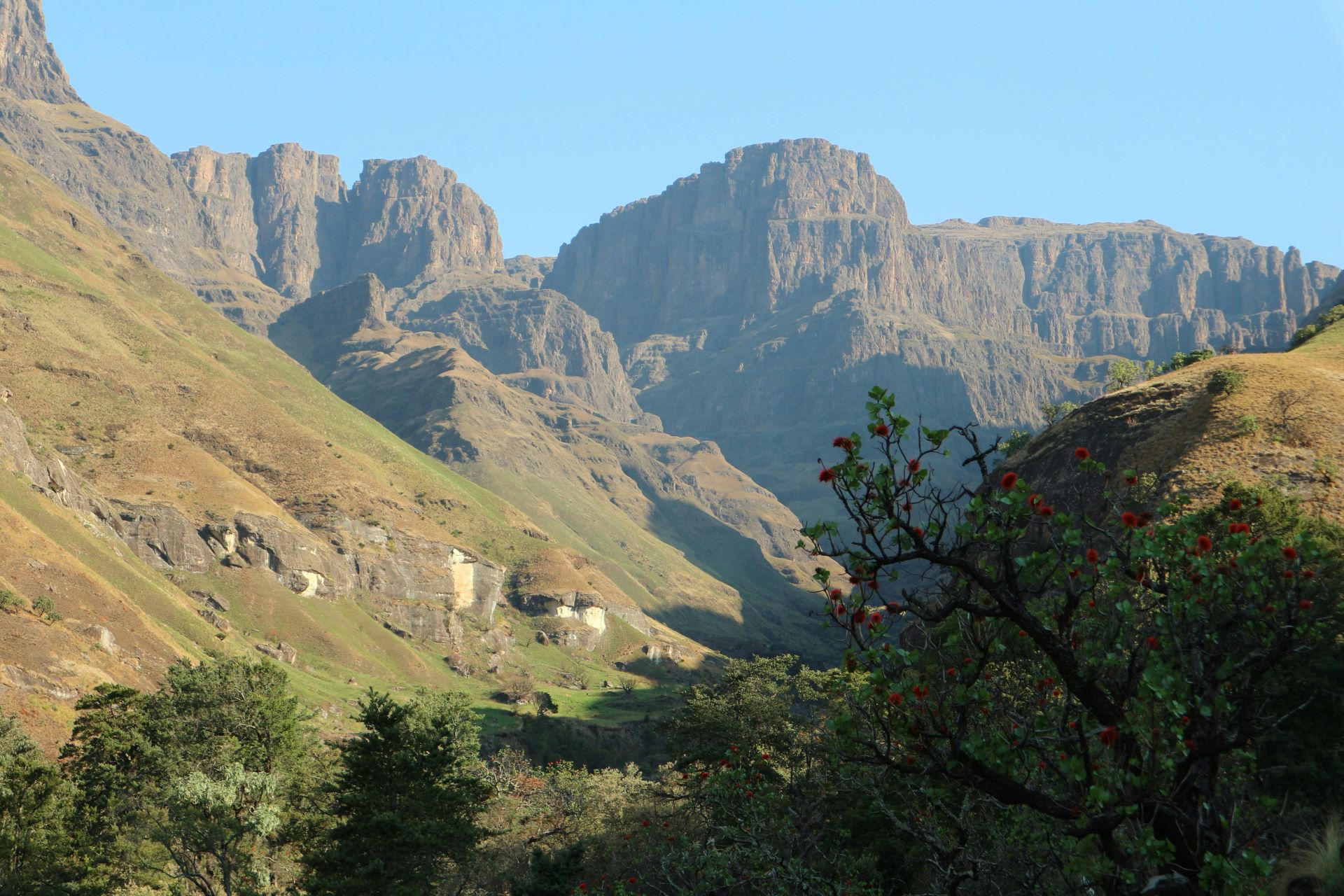
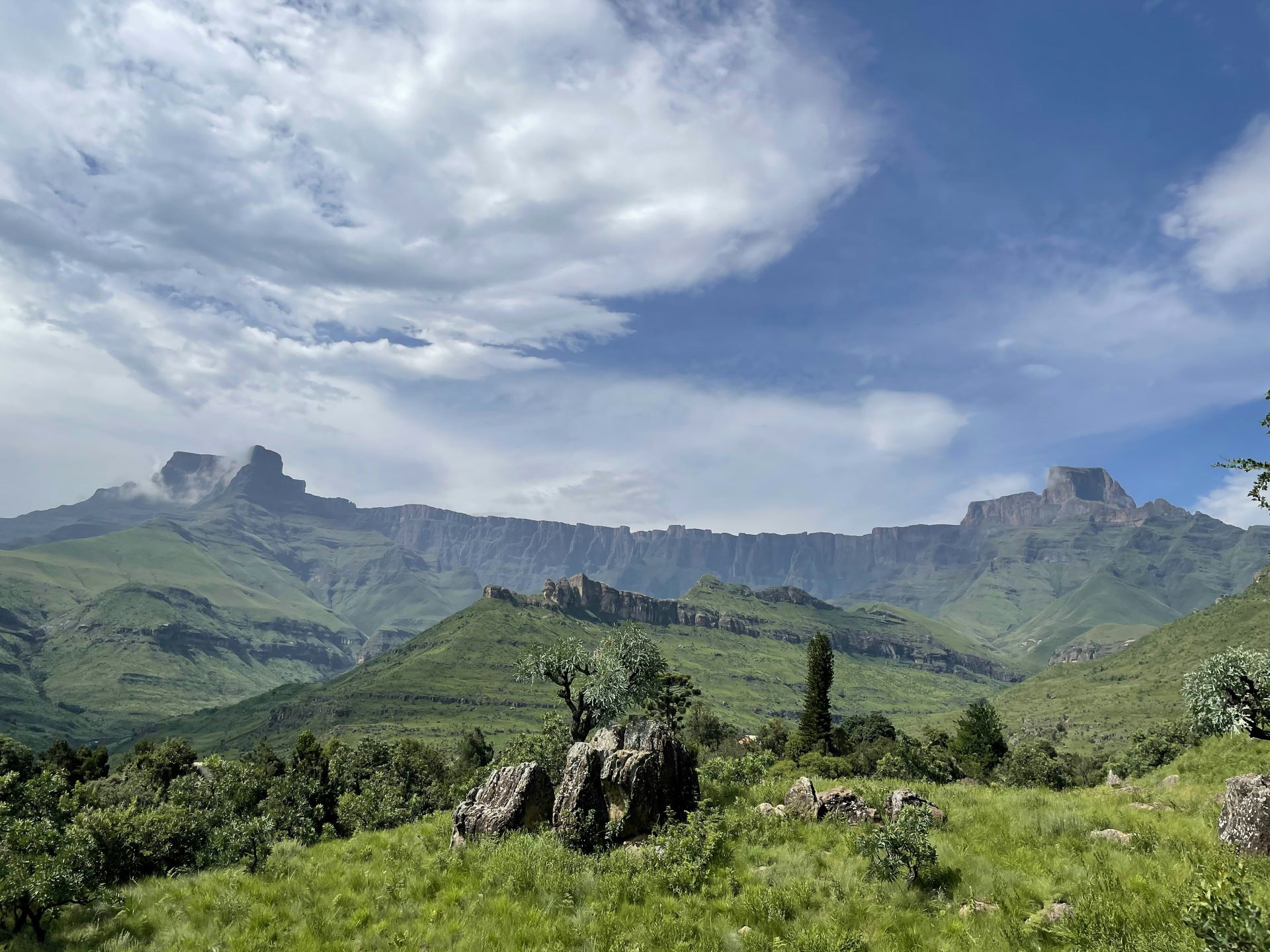
The Drakensberg does not announce itself politely. It rises abruptly from the rolling foothills of KwaZulu-Natal, jagged and imposing, a wall of basalt that feels less like a destination and more like a challenge. Known to the Zulu people as uKhahlamba, the Barrier of Spears, this ancient mountain range has long been revered, feared and respected. For centuries it has drawn pilgrims, hikers, artists and seekers. More recently, it has begun to attract a different kind of traveller: the adventure tourist who wants to experience the landscape not from a distance, but from within its veins.
Canyoning in the Drakensberg is not sightseeing. It is participation. It is the act of stepping into narrow gorges carved by water over millions of years, surrendering to gravity as you abseil down waterfalls, and plunging into rock pools so clear they seem unreal. This is adventure tourism in its most visceral form, where the line between observer and environment dissolves completely. South Africa has no shortage of adrenaline experiences, but canyoning in the Drakensberg occupies a rare space where physical challenge, natural beauty and raw exposure converge.
Understanding Canyoning in a South African Context
Canyoning, sometimes referred to as kloofing in South Africa, is a hybrid adventure discipline. It combines hiking, scrambling, swimming, cliff jumping and rope work, all conducted within the confines of a river gorge or canyon. Unlike conventional outdoor activities, canyoning follows the path carved by water, meaning routes are dictated by nature rather than trail markers or infrastructure. In the Drakensberg, this makes every canyoning experience feel exploratory, even when guided by seasoned professionals.
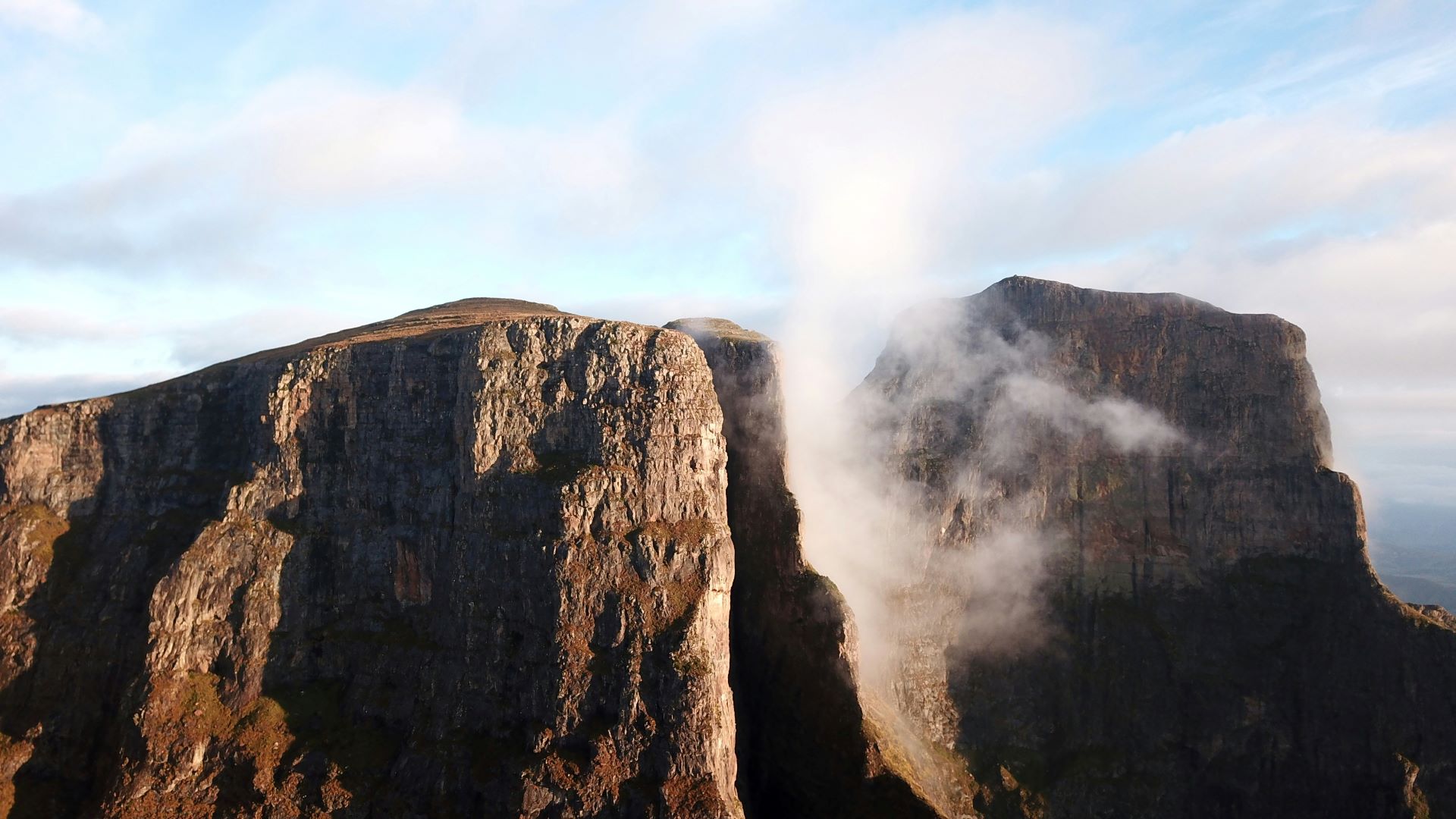
What sets the Drakensberg apart from other canyoning destinations globally is its scale and geological drama. Towering basalt cliffs, layered like a cathedral built by time, funnel water into narrow chasms that create natural slides, drops and plunge pools. These are not manicured adventure parks. There are no steel cables or artificial platforms. Everything you touch is stone, water and air. That authenticity is precisely what appeals to the modern adventure traveller, particularly those seeking experiences that feel earned rather than packaged.
South Africa’s adventure tourism market has matured significantly over the last decade, moving beyond bungee jumps and zip lines towards immersive, skills-based activities. Canyoning fits neatly into this evolution. It appeals to travellers who value competence, learning and personal challenge, as much as adrenaline itself.
The Drakensberg as an Adrenaline Landscape
The Drakensberg stretches over 1,000 kilometres, forming a natural border between South Africa and Lesotho. Within this vast expanse lie multiple regions suited to canyoning, each with its own character and difficulty. From the Cathedral Peak area to the Northern Berg and sections of the Royal Natal National Park, watercourses slice through rock to create routes that vary from playful to punishing.
Waterfall descents are the emotional core of Drakensberg canyoning. Standing at the lip of a drop, rope taut, water thundering beside you, the scale of the landscape becomes undeniable. These are not gentle cascades. Some descents plunge tens of metres into echoing chambers where mist hangs in the air and sound reverberates off the walls. The sensation is not just fear or excitement, but awe. You are momentarily suspended in a vertical world shaped entirely by natural forces.
Between these vertical moments, the canyons narrow and twist, forcing participants to swim through icy pools or scramble over polished rock. Sunlight filters in irregularly, creating sharp contrasts between blinding brightness and cool shadow. It is physically demanding, but also deeply absorbing. The mind has little space for distraction when every movement matters.
Guided Expertise and the Role of Local Operators
Canyoning in the Drakensberg is not a casual undertaking. The environment is remote, weather conditions can change rapidly, and technical skills are essential. This has led to the growth of a small but highly professional network of local adventure operators who specialise in guided canyoning experiences. Their role extends far beyond safety oversight. They are interpreters of the landscape, educators and custodians of responsible adventure tourism.
South African canyoning guides are typically trained in rope systems, swift water rescue and wilderness first aid. Many are lifelong mountaineers or climbers with an intimate understanding of the Berg’s moods. This depth of local knowledge transforms the experience. Participants are not simply told where to step or how to clip in; they are taught why the rock behaves the way it does, how water flow affects safety, and how to read the environment.
For international tourists, this professionalism is critical. It positions South Africa as a credible adventure destination on par with global canyoning hotspots, while retaining a distinctly local character. The presence of experienced guides also allows newcomers to engage with canyoning safely, expanding the activity beyond a niche group of elite adventurers.
Physical Challenge Meets Mental Resilience
Canyoning demands more than fitness. While strength and endurance are important, the true test lies in mental resilience. Standing on a ledge preparing to step backward into a void challenges instinct in a way few activities do. Trust becomes a currency: trust in equipment, trust in the guide, and ultimately trust in oneself.
The Drakensberg amplifies this psychological dimension. The scale of the cliffs, the power of the water and the isolation of the environment strip away any illusion of control. This is not fear manufactured for entertainment. It is a genuine confrontation with exposure. Yet it is precisely this confrontation that leaves such a lasting impression on participants. Completing a canyon route instils a sense of competence that extends beyond the mountains.
For many South African adventure tourists, canyoning becomes a rite of passage. It is often spoken about not in terms of thrills, but transformation. The Berg has a way of recalibrating priorities, reminding participants of their physical capabilities and limitations in equal measure.
Seasonal Rhythms and Environmental Conditions
Timing plays a crucial role in canyoning experiences in the Drakensberg. The summer months, typically from November to March, offer higher water levels due to rainfall, resulting in more dramatic waterfalls and flowing routes. This is when canyoning feels most alive, but also most demanding. Water temperatures are warmer, yet currents can be stronger, requiring heightened awareness and skill.
Winter presents a different proposition. Water levels drop, temperatures plummet, and the environment becomes more austere. While some routes remain accessible, canyoning during colder months demands advanced preparation and tolerance for discomfort. For those who undertake it, the reward is solitude and stark beauty, with snow sometimes visible on surrounding peaks.
Responsible operators monitor weather patterns closely, adapting routes or postponing trips when conditions become unsafe. This adaptability is essential in preserving both participant safety and the integrity of the environment. Adventure tourism in sensitive ecosystems like the Drakensberg depends on respecting natural cycles rather than forcing experiences year-round.
Biodiversity Beneath the Adrenaline
It is easy to overlook ecological richness when adrenaline dominates the narrative, but canyoning in the Drakensberg is also an encounter with remarkable biodiversity. The canyons act as refuges for plant and animal species that thrive in moist, sheltered conditions. Ferns cling to vertical walls, while moss and lichen paint the rock in shades of green and gold.
Birdlife is particularly prominent. Lammergeiers circle overhead, their massive wingspans casting fleeting shadows across the canyon floor. Smaller species dart between crevices, adapted to environments inaccessible to most predators. Amphibians inhabit pools fed by constant flow, their presence an indicator of water purity.
For participants, these moments of observation often arrive unexpectedly, between descents or swims. They serve as quiet counterpoints to the intensity of the activity, reinforcing the idea that canyoning is not about conquering nature, but moving through it with attentiveness.
Cultural Layers of the Berg
The Drakensberg is not an empty wilderness. It is a cultural landscape shaped by centuries of human interaction. San rock art sites dot the region, some located near watercourses now used for canyoning. These ancient paintings depict animals, rituals and spiritual symbolism, offering a glimpse into how earlier inhabitants understood and revered the mountains.
Modern adventure tourism must navigate this heritage with care. Ethical operators educate participants about the cultural significance of the area, ensuring that sites are respected and left undisturbed. This integration of cultural awareness elevates the canyoning experience, situating adrenaline within a broader narrative of place and history.
For South Africa, this layering of natural and cultural value is a powerful tourism asset. It allows adventure activities to coexist with heritage preservation, appealing to travellers who seek depth as well as excitement.
Sustainability and Responsible Adventure Tourism
Canyoning’s low-impact nature makes it well suited to sustainable tourism models, provided it is conducted responsibly. There is minimal infrastructure, no permanent alteration of the environment, and a reliance on existing natural features. However, increased popularity brings risks of erosion, litter and disturbance if not managed carefully.
Leading operators in the Drakensberg adhere to strict leave-no-trace principles. Group sizes are kept small, routes are rotated to prevent overuse, and education is embedded into every experience. Participants are encouraged to see themselves as temporary guests in a fragile environment, rather than consumers of an experience.
This approach aligns with broader trends in South African tourism, where sustainability is increasingly central to destination marketing. Adventure travellers are not just thrill-seekers; they are often environmentally conscious, seeking experiences that align with their values. Canyoning in the Drakensberg, when done correctly, satisfies both impulses.
The Growing Appeal of Niche Adventure Travel
Globally, tourism has shifted away from passive consumption towards experiential engagement. Travellers want stories, skills and sensations they cannot replicate at home. In South Africa, this has created space for niche activities like canyoning to flourish, particularly among domestic tourists looking to rediscover their own landscapes.
The Drakensberg’s accessibility from major urban centres such as Durban and Johannesburg further enhances its appeal. A weekend canyoning trip offers a complete reset, plunging participants into an environment that feels worlds away from city life. For international visitors, it adds a layer of adventure to itineraries often dominated by safaris and coastal escapes.
This diversification strengthens South Africa’s tourism offering. By highlighting activities like canyoning, the country positions itself not only as a place of beauty, but of challenge and participation.
Stories Carved in Stone and Water
Ask anyone who has canyoned in the Drakensberg what they remember most, and the answers are rarely technical. They speak of moments. The hush before stepping over an edge. The shock of cold water after a jump. The laughter echoing through a gorge after a successful descent. These are experiences that resist commodification.
In a world saturated with images, canyoning offers something refreshingly unshareable. Photos struggle to capture the scale, the sensation, the vulnerability. This is adventure tourism that exists primarily in memory and muscle, rather than on social feeds. That intimacy is its greatest strength.
Answering the Call of the Berg
Canyoning in the Drakensberg is not for everyone, and that is precisely why it matters. It represents a form of tourism that values engagement over ease, presence over polish. In these canyons, South Africa reveals a side of itself that is raw, demanding and profoundly rewarding.
For the adventure traveller, the Drakensberg offers more than scenery. It offers initiation into a landscape that does not bend to convenience. To descend its waterfalls and swim its hidden corridors is to participate in a conversation older than humanity, spoken in stone and water.
As South African tourism continues to evolve, experiences like canyoning will play an increasingly important role. They remind us that adventure is not manufactured. It already exists, waiting patiently in the folds of the mountains, daring those who are willing to step in and listen.
Mandla Ndlovu
Reporting from the frontlines of the South African tourism renaissance. Bridging the gap between regional stories and global audiences through elite narrative strategy.