

South Africa’s Winelands occupy a rare position in global tourism. They are simultaneously ancient and modern, agricultural and indulgent, deeply local yet internationally fluent. While South African wines have long earned respect on the world stage, the landscapes, experiences and stories behind those bottles remain one of the country’s most compelling travel offerings. To visit the Winelands is not merely to taste wine, but to understand how geography, history and creativity converge to shape a living cultural economy.
Stretching from Stellenbosch and Paarl to Franschhoek, Wellington and the Swartland, the Cape Winelands form a mosaic of valleys, mountains and coastal influences. Each pocket carries its own identity, reflected not only in grape varieties and winemaking styles, but in architecture, cuisine and hospitality. Wine tourism here is immersive rather than transactional. It rewards time, curiosity and an appetite for detail.
Uncorking the Winelands reveals a destination built on patience. Vines mature slowly. Barrels wait quietly. Stories deepen with each vintage. For travellers, this rhythm offers something increasingly rare: a place where indulgence and authenticity still coexist.
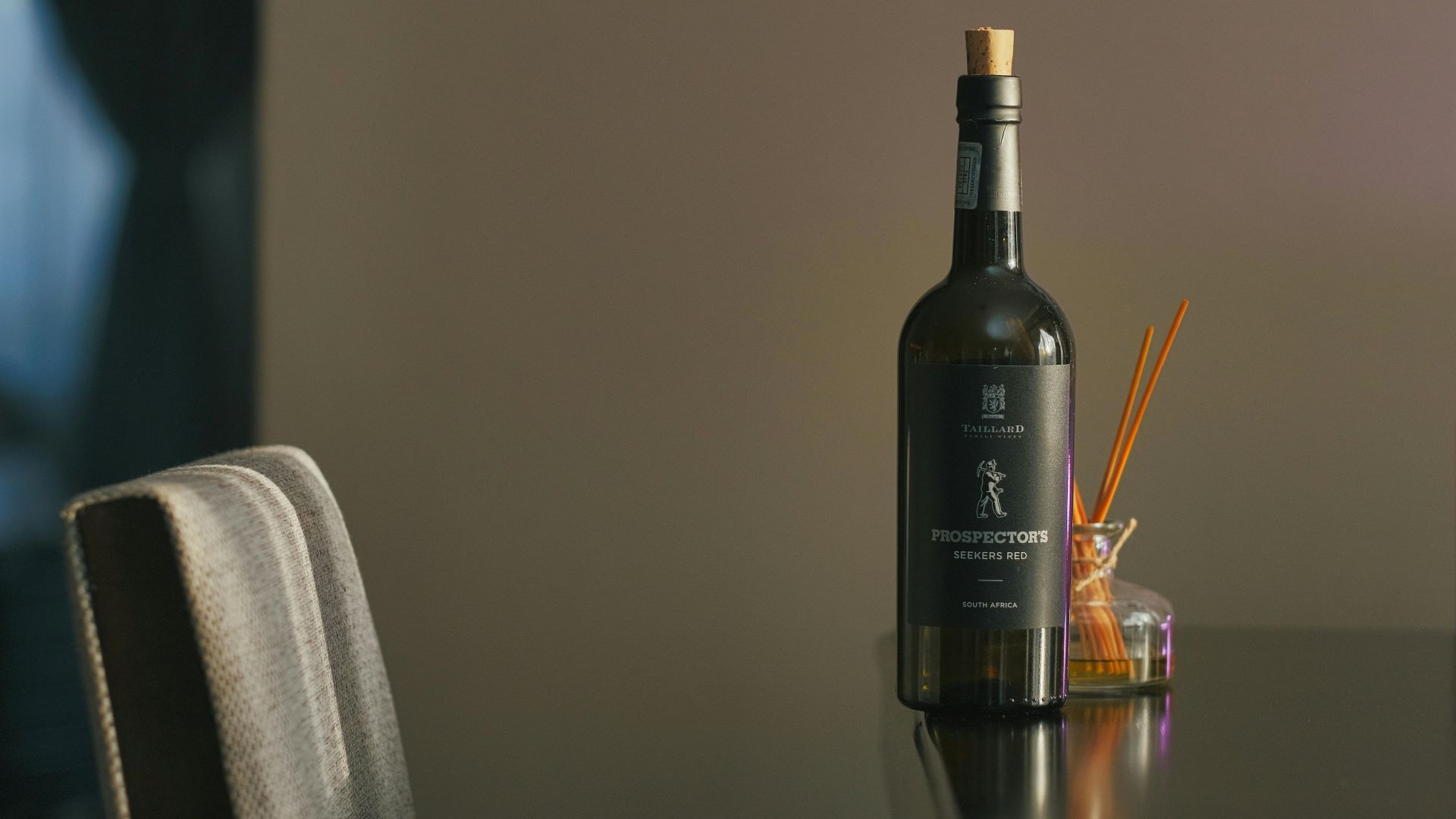
A Landscape Written in Vine and Stone
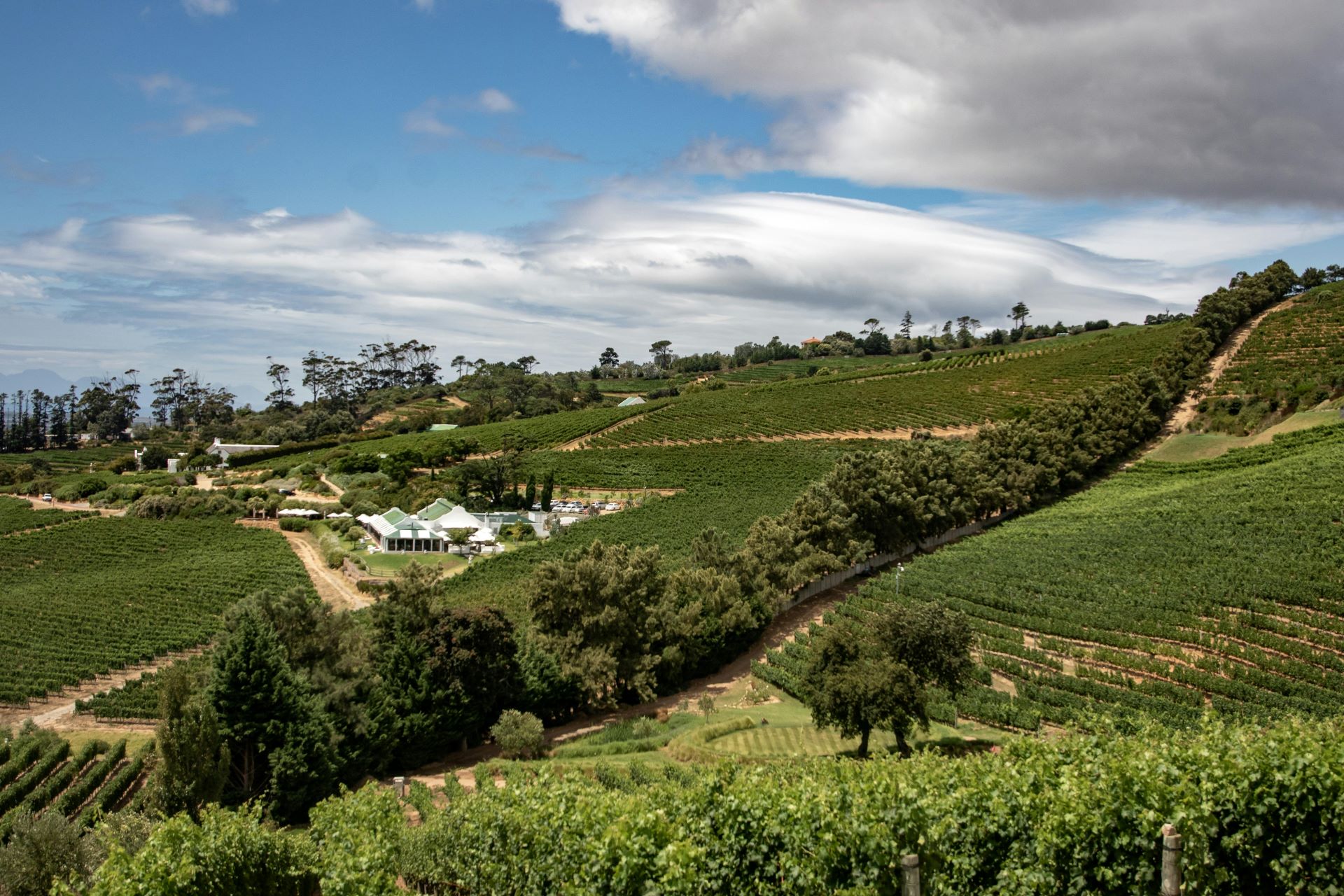
The physical beauty of the Winelands is inseparable from its wines. Mountain ranges fold around fertile valleys, creating natural amphitheatres of vineyards that seem deliberately designed for contemplation. The Cape Fold Mountains regulate airflow and temperature, while proximity to the Atlantic introduces cooling breezes that temper the heat of summer. These environmental nuances shape not only how grapes grow, but how wine tastes.
Stellenbosch’s granite-rich soils give structure and longevity to its red wines, particularly Cabernet Sauvignon and Merlot. Franschhoek’s sheltered valley produces elegant, aromatic styles, often leaning toward refined whites and méthode cap classique. Paarl’s warmer climate delivers generous, fruit-forward expressions, while Swartland’s dry-farmed vineyards produce wines that are raw, expressive and increasingly sought after by international collectors.
For visitors, these distinctions are tangible. Driving between regions, the landscape subtly shifts in colour, elevation and mood. Oak-lined avenues lead to Cape Dutch homesteads with whitewashed walls and gables shaped by centuries of European influence. Elsewhere, contemporary wineries cut clean lines into the hillsides, using concrete, glass and steel to frame the surrounding terrain rather than dominate it.
The land itself becomes part of the tasting experience. Wine is no longer abstract. It is contextual, grounded, and visibly shaped by place.
Stellenbosch: The Academic Heart of South African Wine
Stellenbosch remains the gravitational centre of South African wine tourism. Home to some of the country’s oldest estates and its most influential winemaking institutions, the town balances tradition with constant reinvention. Its oak-shaded streets, historic university and vibrant dining scene create a setting that feels cultured rather than performative.
Wine tours in Stellenbosch often begin with education. Many estates offer structured cellar experiences that walk visitors through vineyard management, fermentation, barrel selection and blending philosophy. These tours appeal not only to enthusiasts but to casual tourists seeking depth without intimidation. Tastings are typically guided, with attention paid to vintage variation, food pairing and ageing potential.
Stellenbosch is particularly known for its red wines. Cabernet Sauvignon thrives here, producing structured, age-worthy expressions that rival global benchmarks. Pinotage, South Africa’s signature grape, finds both traditional and modern interpretations across the region. Some estates embrace bold, smoky styles, while others focus on elegance and restraint, challenging outdated perceptions of the varietal.
Beyond the cellar, Stellenbosch has become a gastronomic destination in its own right. Estate restaurants range from relaxed bistros to fine dining institutions, often led by chefs who treat wine pairing as an extension of storytelling. Seasonal menus echo the rhythm of the vineyards, reinforcing the sense that wine tourism here is holistic rather than siloed.
Franschhoek: Culinary Capital and Cultural Memory
Franschhoek offers a different expression of Winelands tourism. Founded by French Huguenots in the late 17th century, the valley carries a strong sense of heritage that continues to shape its identity. While wine remains central, food and hospitality often take equal prominence.
Wine tours in Franschhoek tend to feel more curated, with an emphasis on elegance and experience design. Estate visits often include beautifully appointed tasting rooms, landscaped gardens and art installations that blur the line between winery and lifestyle destination. The Franschhoek Wine Tram has become a signature attraction, offering visitors a leisurely, car-free way to explore multiple estates in a single day.
The region excels in white wines and sparkling styles. Chardonnay, Sauvignon Blanc and Semillon perform particularly well, while méthode cap classique has become a point of pride. Tastings often highlight finesse, balance and food compatibility, reinforcing Franschhoek’s culinary focus.
Cellar experiences here are less about volume and more about atmosphere. Barrel rooms are intimate. Tastings unfold slowly. Conversations with hosts tend to drift toward history, philosophy and the cultural role of wine in South African society. For travellers seeking refinement and narrative richness, Franschhoek delivers a deeply immersive encounter.
Paarl and Wellington: Power, Heritage and Quiet Confidence
Paarl and Wellington often sit slightly outside the spotlight, yet they play a vital role in the broader Winelands ecosystem. Paarl’s imposing granite outcrop looms over vineyards that produce some of the country’s most robust and expressive wines. The region’s warmer climate lends itself to bold reds, fortified wines and full-bodied whites.
Wine tourism in Paarl tends to feel less theatrical and more grounded. Estates are spacious, tastings generous, and interactions unpretentious. Cellar tours frequently emphasise scale and craftsmanship, showcasing how tradition and modern technology coexist in high-volume yet quality-focused production.
Wellington, meanwhile, has quietly become a hub for vine nurseries and experimental winemaking. Many of South Africa’s vineyards originate here, giving the region a behind-the-scenes significance that wine enthusiasts appreciate. Boutique estates in Wellington often focus on niche varietals and small-batch releases, offering tastings that feel exploratory rather than scripted.
For tourists willing to venture beyond the headline destinations, Paarl and Wellington reward curiosity with authenticity and access.
The Swartland: Raw Expression and New Identity
Once considered peripheral, the Swartland has emerged as one of South Africa’s most exciting wine regions. Defined by its dry-farmed vineyards, minimal intervention winemaking and renegade spirit, the Swartland represents a shift away from polish toward purity.
Wine tours here are informal by design. Tastings often take place in working cellars, on farm verandas or under trees rather than in purpose-built tasting rooms. The focus is squarely on the wine itself. Chenin Blanc dominates, expressed in styles ranging from taut and mineral to textured and oxidative. Syrah, Grenache and Mourvèdre feature prominently, often blended to reflect site rather than convention.
For tourists, the Swartland offers a different kind of cellar experience. There is less spectacle, more conversation. Winemakers are frequently present, eager to discuss farming philosophy, climate resilience and the future of South African wine. It is a region that appeals to travellers seeking substance over gloss.
Cellar Doors as Cultural Spaces
Across the Winelands, cellar doors function as more than tasting points. They are cultural interfaces where wine meets architecture, design, art and storytelling. Some preserve centuries-old cellars with thick stone walls and candle-lit corridors. Others embrace contemporary aesthetics, using open-plan spaces and panoramic views to frame the tasting ritual.
The best cellar experiences strike a balance between education and enjoyment. Visitors are guided through structured tastings that encourage comparison and reflection without overwhelming technical detail. Vertical tastings allow guests to explore how wines evolve over time, while horizontal tastings highlight regional expression across varietals.
Increasingly, cellar doors also serve as platforms for broader engagement. Art exhibitions, live music sessions and seasonal markets transform estates into social hubs. This evolution reflects a broader understanding of wine tourism as a lifestyle offering rather than a niche interest.
Indigenous and Iconic Grape Varieties
South Africa’s winemaking identity is closely tied to its grape varieties, both international and homegrown. Chenin Blanc stands as the country’s most important grape, valued for its adaptability and expressive range. From crisp, citrus-driven styles to rich, barrel-aged interpretations, Chenin Blanc offers tourists a clear lens into regional variation.
Pinotage remains the most distinctly South African varietal. Created locally in the 1920s, it embodies both heritage and controversy. Modern winemaking has redefined Pinotage, producing wines that are refined, balanced and increasingly celebrated. Tasting Pinotage across regions reveals its versatility and the ongoing evolution of South African wine culture.
Other varietals play essential supporting roles. Sauvignon Blanc thrives in coastal regions, delivering freshness and precision. Cabernet Sauvignon anchors many flagship reds. Shiraz reflects both Old World restraint and New World generosity, depending on site and philosophy.
For tourists, guided tastings focused on varietals provide an accessible way to understand terroir without technical overload. These experiences transform wine from a product into a narrative.
Wine and Food: A Symbiotic Relationship
Food is inseparable from wine tourism in the Winelands. Estate restaurants operate as extensions of the cellar, translating viticultural philosophy into culinary form. Menus often emphasise local sourcing, seasonal produce and restrained techniques that allow wine to remain the focal point.
Pairing experiences range from casual platters to multi-course tasting menus. Chefs work closely with winemakers to design dishes that highlight acidity, tannin and texture. This collaboration creates a dialogue between kitchen and cellar that enriches the visitor experience.
Beyond fine dining, informal food offerings play an important role. Farm stalls, bakeries and picnic spots allow tourists to engage with the landscape at a relaxed pace. These moments of simplicity reinforce the idea that wine tourism need not be exclusive to be meaningful.
Beyond the Bottle: Activities and Exploration
The Winelands offer diverse experiences that complement wine tasting without competing for attention. Cycling routes wind through vineyards and along rivers, offering immersive views and gentle adventure. Hiking trails climb into surrounding mountains, revealing perspectives that contextualise the valleys below.
Horse riding, hot air ballooning and guided nature walks provide alternative ways to engage with the environment. Many estates also offer accommodation, allowing guests to wake among the vines and experience the rhythm of the land beyond visiting hours.
Wellness tourism has found a natural home in the Winelands. Spas incorporating grape seed oils and vinotherapy treatments offer indulgence grounded in place. These experiences reinforce the idea that wine tourism can nourish both body and mind.
Seasonal Rhythms and Events
Seasonality plays a defining role in the Winelands experience. Harvest season, typically between January and April, brings energy and anticipation. Visitors can witness grapes arriving at the cellar, observe fermentation in action and participate in harvest festivals that celebrate labour and reward.
Winter offers a quieter, more introspective atmosphere. Fires crackle in tasting rooms. Barrel tastings become intimate. The pace slows, inviting deeper engagement. Spring and summer introduce colour and vitality, with vineyard landscapes shifting alongside tourism activity.
Annual events such as wine festivals, open cellar days and food celebrations punctuate the calendar, offering opportunities for both locals and visitors to connect through shared appreciation.
Planning a Meaningful Winelands Journey
Successful wine tourism in South Africa is shaped by intention rather than itinerary overload. While it is tempting to visit as many estates as possible, the most rewarding experiences often come from spending time in fewer places. Guided tours provide valuable context and ensure safe travel, particularly when tastings are involved.
Accommodation choices influence the rhythm of a trip. Staying on an estate offers immersion, while town-based lodging allows flexibility and exploration. Transport planning is essential, with professional drivers or curated routes enhancing both safety and enjoyment.
Above all, approaching the Winelands with curiosity rather than consumption transforms the journey. Wine becomes a medium for connection rather than a checklist.
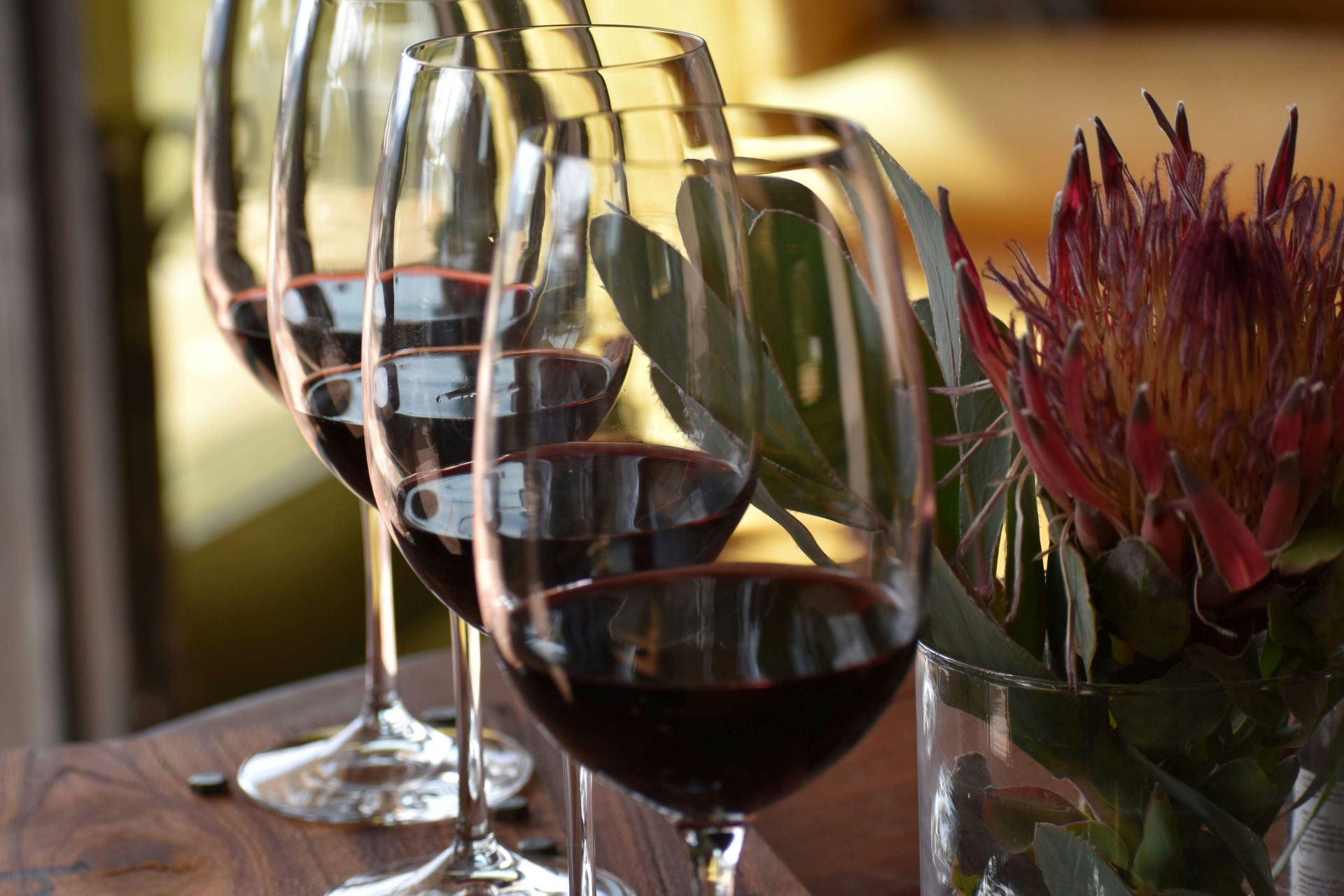
The Enduring Appeal of the Winelands
The South African Winelands endure because they continue to evolve without abandoning their roots. They offer beauty without pretence, sophistication without exclusion, and pleasure grounded in place. For tourists, this balance is rare and deeply attractive.
Uncorking the Winelands reveals a destination shaped by time, care and conversation. Each glass poured is an invitation to slow down, to listen, and to understand how land and people collaborate across generations. In a world increasingly defined by speed, the Winelands remain gloriously patient.
And that, more than anything, is why they continue to captivate the world.
Mandla Ndlovu
Reporting from the frontlines of the South African tourism renaissance. Bridging the gap between regional stories and global audiences through elite narrative strategy.