

South Africa’s urban centres are alive with a remarkable blend of tradition and innovation, where centuries-old social rituals meet a new generation of culinary craftsmanship. From the cobblestone streets of Cape Town’s historic districts to Johannesburg’s vibrant downtown scene and Pretoria’s charming avenues, the twin worlds of coffee and craft beer have become emblematic of the country’s evolving taste culture. The journey is as much about people and community as it is about the beverages themselves. Artisanal roasters, microbreweries, and independent cafés are crafting experiences that invite locals and tourists alike to slow down, savour the moment, and discover the stories behind every cup and pint.
Cape Town: Coastal Charm and Caffeine Culture
In Cape Town, where the mountains meet the sea, the coffee and craft beer culture is inseparable from the city’s creative energy. The neighbourhoods of Woodstock, Observatory, and the city bowl have become playgrounds for innovators seeking to redefine how South Africans experience coffee and beer.
Walking through Woodstock’s streets, one is immediately struck by the industrial-chic aesthetic of repurposed warehouses, now home to some of the country’s most revered microbreweries. At places like Jack Black’s Brewing Company, the artistry of beer-making is evident in both the flavours and the philosophy. Brewmasters here treat beer as a narrative medium, experimenting with locally sourced ingredients, from fynbos-infused IPAs to barrel-aged stouts that speak to Cape Town’s artisanal spirit. The brewery taprooms are not just places to taste—they are spaces to engage with the makers, to understand the subtle nuances of craft, and to celebrate the communal joy of shared discovery.
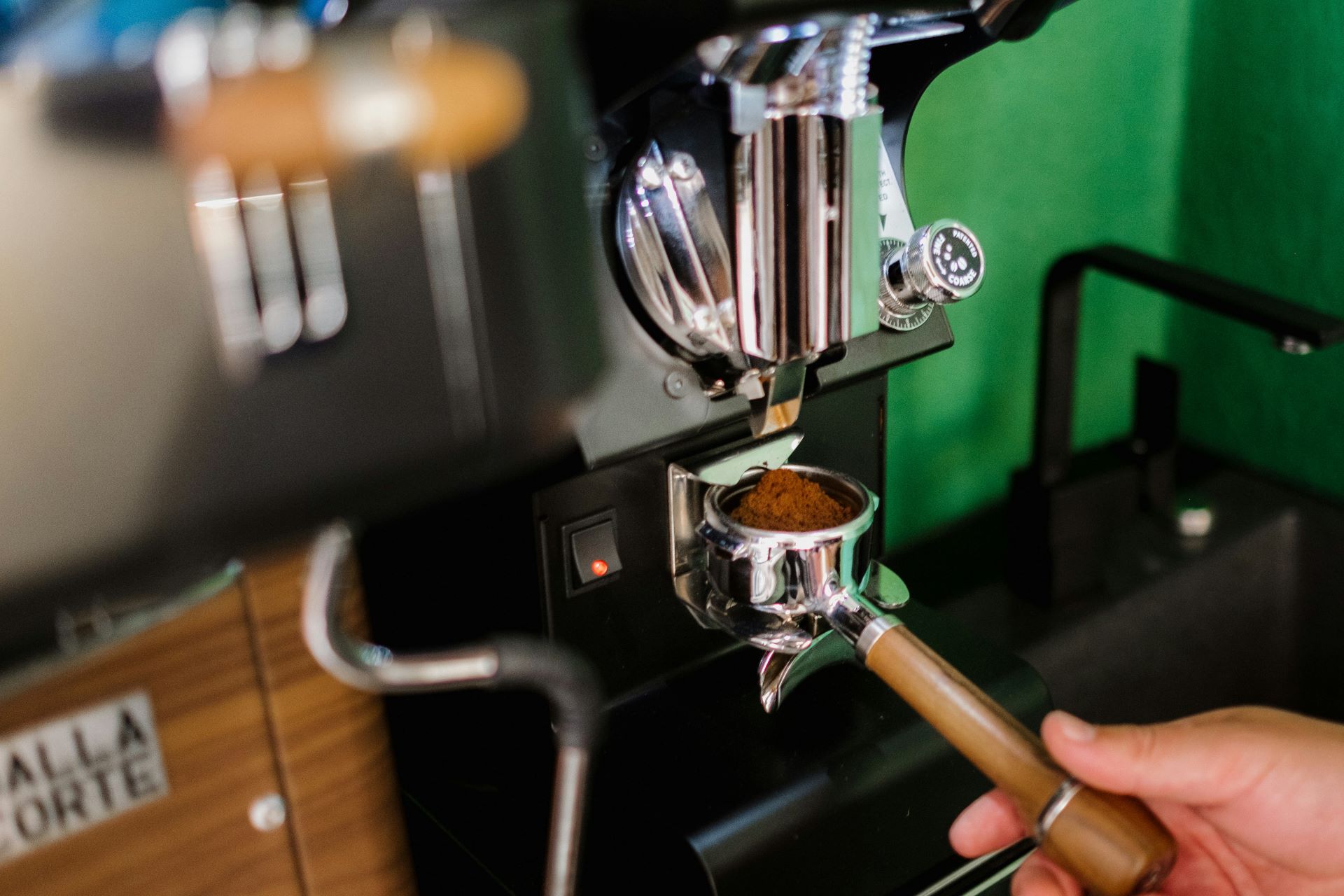
Equally compelling is Cape Town’s coffee scene. Independent roasters such as Truth Coffee and Origin Coffee Roasting have become global destinations, drawing visitors keen to experience what has been called the “world’s best coffee.” These cafés are theatrical spaces, where baristas in retro steampunk-inspired outfits perform a daily ritual of precision brewing, their methods honed to highlight the origin of the beans, the roast profile, and the subtle interplay of acidity and body. For tourists, it is more than coffee—it is an immersive sensory journey.
Wander a few streets from the main city bowl into Observatory, and the juxtaposition of old and new is striking. Here, craft breweries nestle beside artisanal cafés, creating a synergy that encourages exploration. Observatory Brewing Company exemplifies this trend, with small-batch beers that celebrate local ingredients, including honey sourced from nearby urban beekeeping projects and hops cultivated in the Western Cape’s lush hinterlands. Patrons are invited to engage with the creative process, tasting experimental brews and offering feedback that often shapes future releases. This collaborative approach has made Cape Town a hub not just for consumption but for co-creation, where every sip tells a story.
Johannesburg: Urban Sophistication Meets Experimental Brews
Johannesburg, the beating heart of South Africa’s economic and cultural life, offers a more urban, high-energy experience. In districts such as Braamfontein, Maboneng, and Linden, cafés and microbreweries have become cultural touchstones, reflecting the city’s diversity and entrepreneurial spirit.
Braamfontein’s narrow streets are lined with boutique coffee shops like Bean There Coffee Company, a pioneer in South Africa’s specialty coffee movement. Here, visitors are introduced to direct trade relationships with African farmers, underscoring a commitment to ethical sourcing and sustainability. The café culture is as much about knowledge as it is about taste—baristas often double as educators, offering workshops on everything from cupping to latte art, allowing visitors to deepen their appreciation for coffee’s complex journey from bean to cup.
Johannesburg’s craft beer scene is equally dynamic, with breweries such as Mad Giant and Jack Black’s Johannesburg outpost pushing boundaries with inventive brewing techniques. From experimental sour ales to meticulously balanced lagers, the beers reflect a city unafraid to embrace audacity. Microbreweries frequently host live music events, art exhibitions, and community gatherings, transforming consumption into an interactive, culturally enriched experience. These spaces are urban sanctuaries, where the hectic rhythm of city life slows, replaced by conversation, camaraderie, and the shared thrill of discovering a new flavour profile.
Linden’s tree-lined streets offer a contrasting vibe—quieter, more intimate, with coffee shops and boutique breweries that double as community hubs. Places like The Whippet Coffee invite visitors to linger, offering single-origin beans alongside craft beers that are thoughtfully curated rather than mass-produced. It is in these spaces that Johannesburg’s dual identity—fast-paced metropolis and culturally conscious city—shines most brightly. Tourists are encouraged to explore beyond the guidebooks, venturing into neighbourhoods where coffee and beer are not merely beverages but forms of artistic expression and social engagement.
Pretoria: Tradition and Innovation Intertwined
Pretoria, South Africa’s administrative capital, may be quieter than Cape Town and Johannesburg, but its coffee and craft beer scene is rich with character and experimentation. The city’s tree-lined avenues and historic architecture provide a unique backdrop for cafés and breweries that balance tradition with modernity.
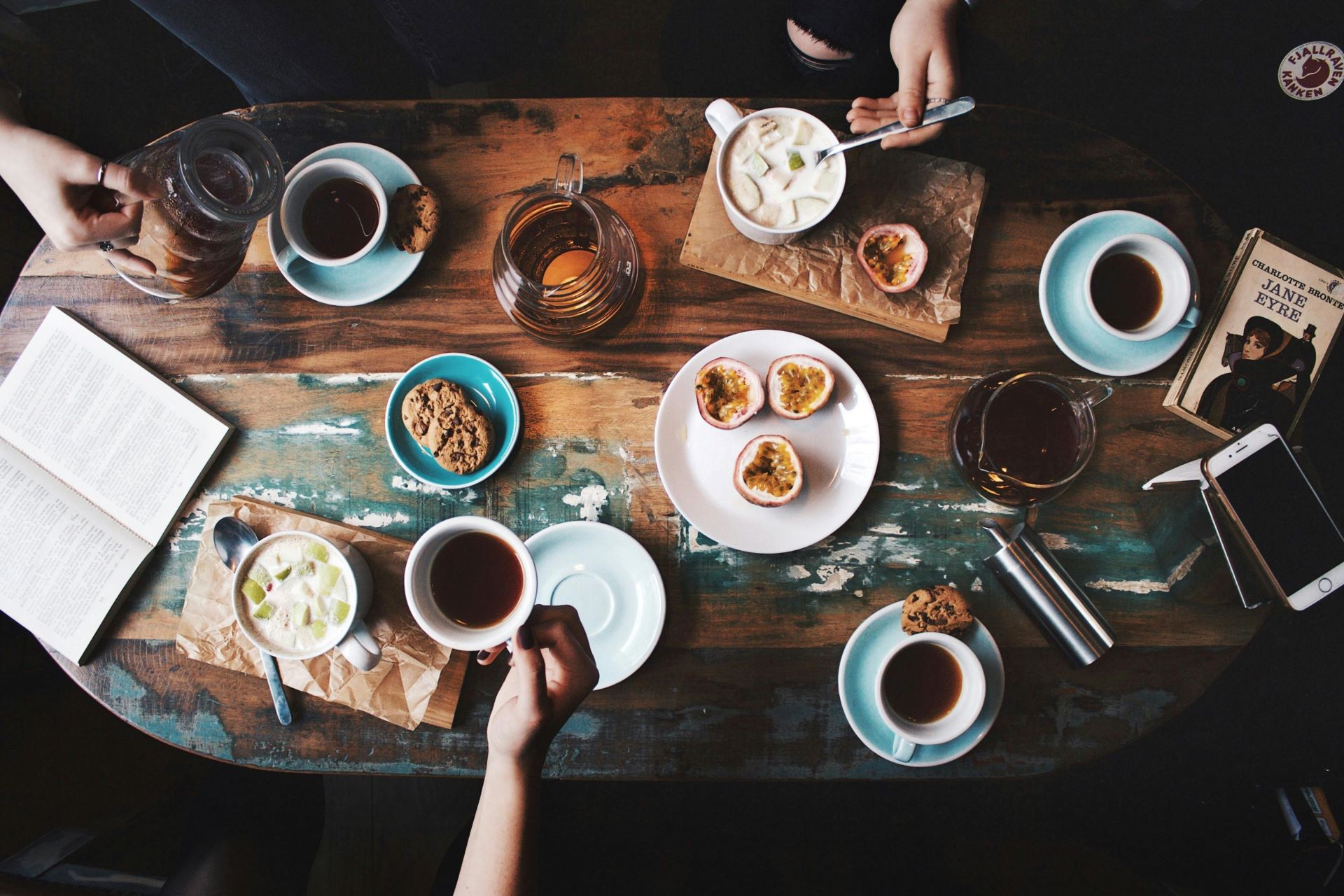
In areas like Hatfield and Brooklyn, artisanal roasters such as Red Door Coffee and Origin Roastery Pretoria offer meticulously sourced and roasted beans, emphasizing traceability and sustainable practices. Pretoria’s coffee culture often leans toward the communal, with cafés doubling as creative hubs where art exhibitions, poetry readings, and live music foster a sense of belonging. Here, coffee is not just about consumption—it is a vehicle for connection, storytelling, and reflection.
Pretoria’s craft beer scene mirrors this ethos. Breweries such as Drifter Brewing Company and Polokwane’s Urban Brewery focus on small-batch, carefully crafted beers that celebrate local grains, fruits, and spices. These breweries often work closely with local farmers, highlighting South Africa’s rich agricultural heritage while encouraging innovation in flavour profiles. Beer tasting experiences are immersive, combining sensory exploration with education, ensuring visitors leave not just with a taste memory but an understanding of the craftsmanship behind it.
The Synergy of Coffee and Craft Beer
Across Cape Town, Johannesburg, and Pretoria, the convergence of coffee and craft beer culture represents more than a culinary trend—it is a reflection of South Africa’s evolving identity. Urban cafés and microbreweries are spaces where history, creativity, and social consciousness intersect. They draw upon a rich tapestry of local ingredients, artisanal techniques, and storytelling traditions, creating experiences that are deeply rooted in place yet universally appealing.
Many establishments are now exploring hybrid models, blending coffee and beer experiences to highlight versatility and craft. Seasonal beers brewed with coffee infusions, beer-inspired pastries, and collaborative events that showcase both crafts are increasingly common, transforming consumption into an immersive cultural journey. Tourists are invited to follow these trails, wandering through city streets, meeting passionate makers, and discovering the nuanced dialogue between bean and hop.
Engaging the Senses: Beyond Taste
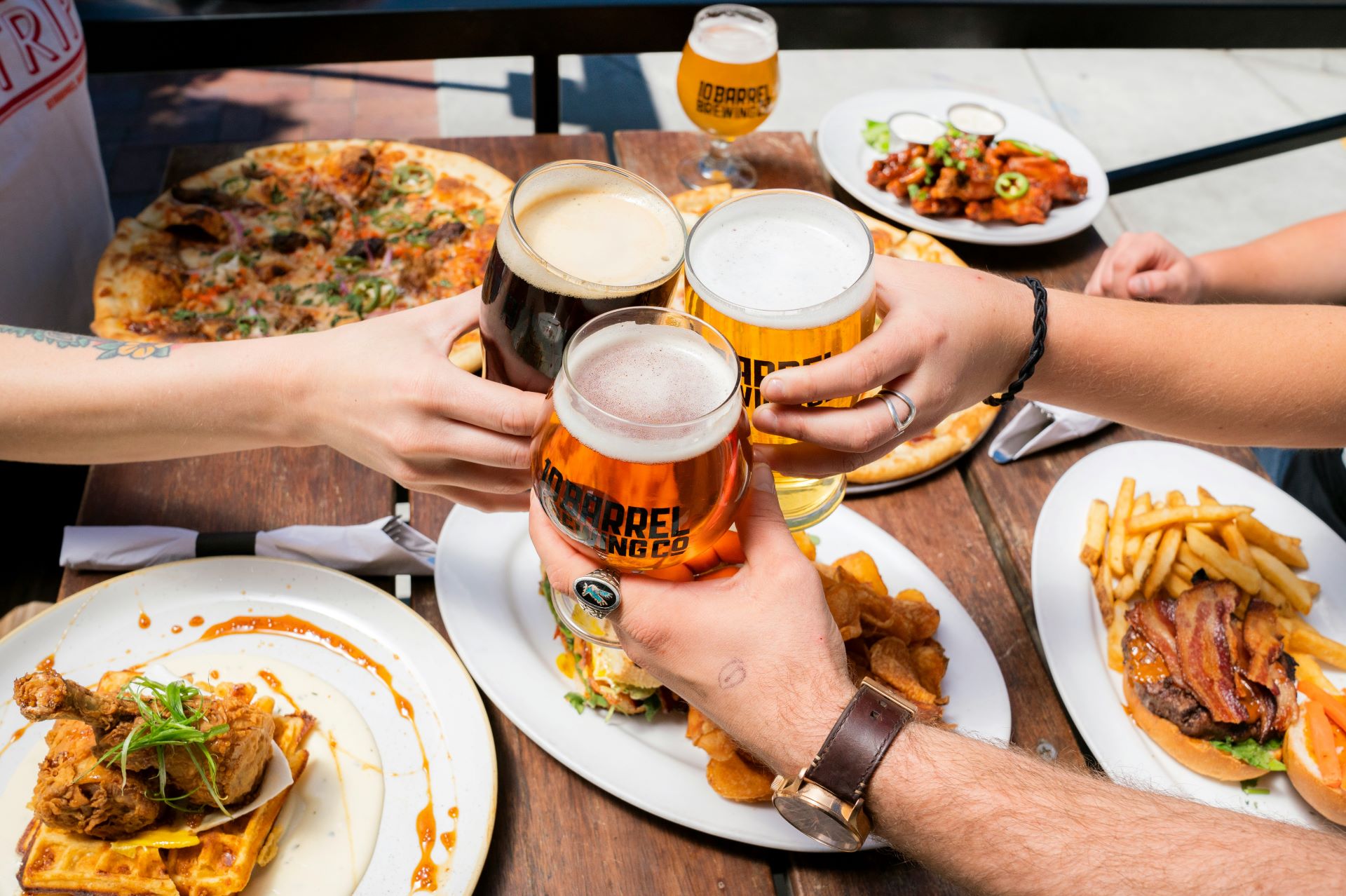
The Coffee and Craft Beer Trail is not simply a gustatory adventure; it is a full-bodied experience engaging all the senses. In Cape Town, the scent of roasting beans mingles with the salty sea air, while the tang of fynbos-infused beers hints at the Western Cape’s natural abundance. Johannesburg’s urban landscape provides a visual contrast—industrial chic cafés and graffiti-splashed brewery walls paired with the aroma of freshly brewed espresso and the crisp notes of a hoppy IPA. Pretoria offers a tactile dimension, with café interiors rich in texture, wood grains, and exposed brickwork complementing the smoothness of a perfectly pulled espresso or the creamy mouthfeel of a small-batch stout.
Sound is equally important. In these spaces, the hiss of the espresso machine, the clink of glassware, and the murmur of conversation form a symphony of urban culture, enhancing the sensory immersion. Some breweries further amplify the experience with live music or curated playlists, reinforcing the idea that coffee and craft beer are not merely consumables but vehicles for shared moments and cultural engagement.
Gerald Ferreira
Reporting from the frontlines of the South African tourism renaissance. Bridging the gap between regional stories and global audiences through elite narrative strategy.