

South Africa’s tourism sector has long been defined by its dramatic landscapes, vibrant wildlife, and rich cultural tapestry. Yet, as the global consciousness shifts toward environmental responsibility, the country’s hospitality industry is evolving in kind. Across the nation, a growing cohort of hotels and lodges is redefining luxury—not as indulgence divorced from consequence, but as an experience that honours the environment, the local community, and the traveller’s desire for authenticity. These sustainable stays are more than accommodation; they are statements of care, innovation, and an invitation to explore South Africa responsibly.
The Rise of Eco-Luxury in South Africa
The concept of eco-friendly tourism is not new, but its integration with luxury hospitality in South Africa has matured remarkably over the past decade. Guests no longer need to sacrifice comfort for sustainability. Today, eco-lodges are offering high-end interiors, world-class dining, and immersive experiences alongside cutting-edge green technologies.
At the heart of this movement is a commitment to minimise ecological impact. Many lodges have adopted solar power, greywater recycling, and building materials sourced locally or sustainably. The hospitality ethos now extends beyond energy and water efficiency to the broader ecosystem: from protecting wildlife corridors and supporting community projects to cultivating organic gardens that supply their kitchens.
Eco-Friendly Design: Where Aesthetics Meet Sustainability
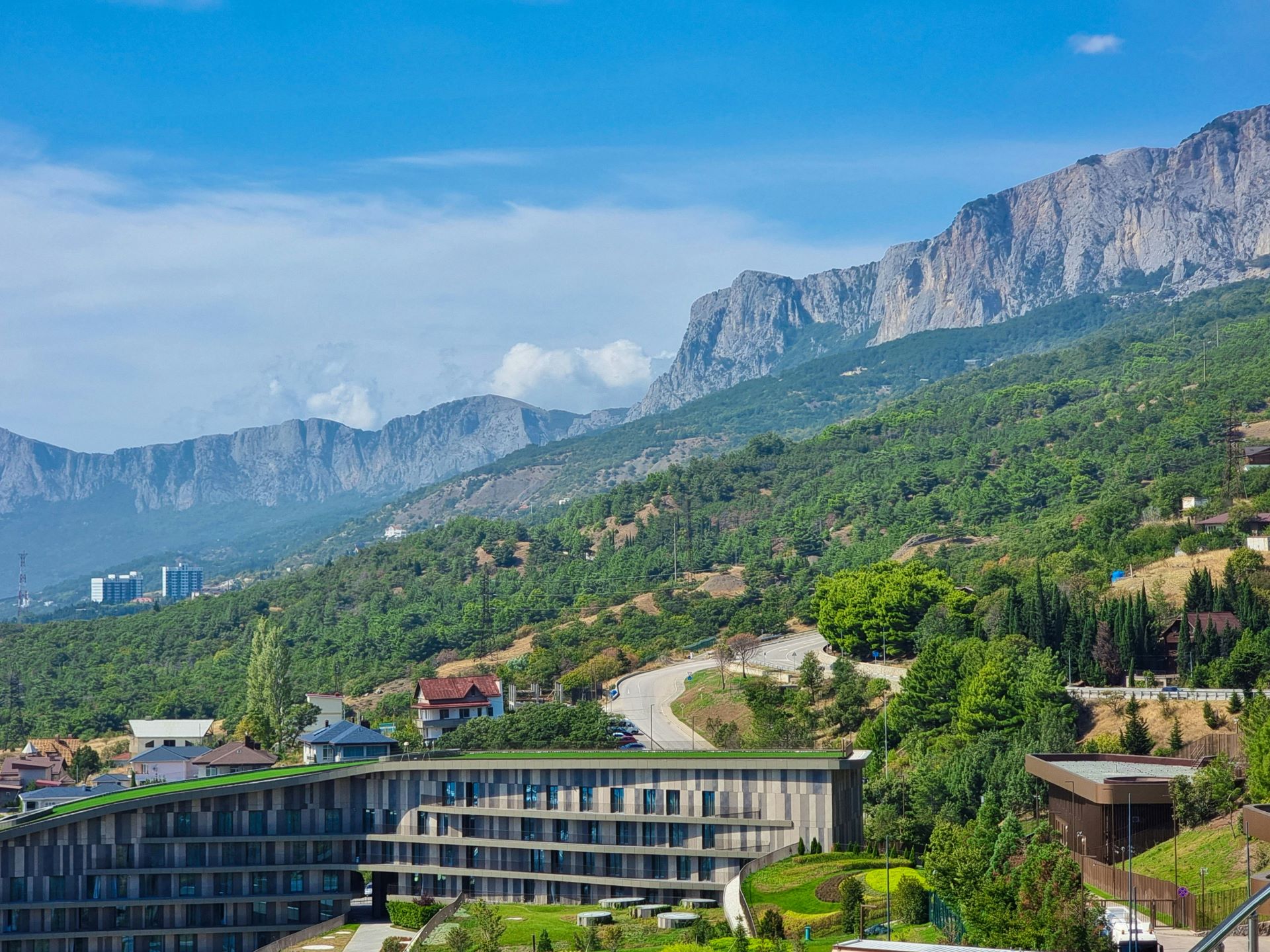
Walking into a sustainable lodge in South Africa is often a revelation. Architectural design harmonises with the environment rather than dominates it. Consider lodges in the Drakensberg or the Cederberg mountains, where chalets and suites are crafted from reclaimed timber and stone, blending seamlessly into the landscape. Expansive glass panels invite the outside in, creating spaces that celebrate panoramic vistas without unnecessary construction.
Indoor environmental controls are subtle but sophisticated. Temperature regulation relies on passive design principles, while natural ventilation reduces reliance on energy-intensive air conditioning. Lighting is predominantly LED, and furniture is often handcrafted from recycled or ethically sourced materials. Luxury here is about refinement and thoughtfulness, not excess.
Conservation in Practice: Beyond Carbon Footprints
Many of South Africa’s green lodges are active participants in conservation. In the Greater Kruger National Park and Eastern Cape reserves, eco-lodges operate in partnership with wildlife sanctuaries, offering guests immersive conservation experiences. Visitors might accompany rangers on anti-poaching patrols, participate in wildlife tracking, or learn about local flora and fauna through guided walks.
These initiatives serve dual purposes: protecting biodiversity and deepening the guest’s connection to the environment. The emphasis is on education, not voyeurism. Guests leave with a sense of stewardship rather than simply having “seen the animals.”
Community-Centric Experiences
Sustainability extends beyond ecology—it encompasses the communities that host these lodges. Many establishments source food locally, fostering farm-to-table dining experiences that highlight indigenous ingredients like biltong, rooibos, and marula. Local artisans supply décor, from handwoven baskets to pottery, ensuring that economic benefits remain within the community.
Furthermore, some lodges offer cultural immersion programs: cooking classes, storytelling sessions, and craft workshops. These initiatives provide guests with meaningful interaction while supporting the preservation of local traditions and skills. In doing so, tourism becomes a force for empowerment rather than exploitation.
The Water Challenge: Innovation in Scarce Environments
South Africa’s varying climate presents a unique challenge for eco-conscious hospitality. Many lodges, particularly in the Western Cape and Karoo, have had to innovate in response to periodic droughts. Rainwater harvesting, greywater recycling, and low-flow water systems are common, while landscaping often prioritises indigenous, drought-resistant plants.
Some forward-thinking properties have taken the initiative further, integrating wetland restoration projects or creating on-site reservoirs to support local wildlife. In these cases, the act of conserving water is not merely operational; it becomes part of the narrative, providing guests with insight into the region’s environmental challenges.
Energy Solutions: Solar, Wind, and Beyond
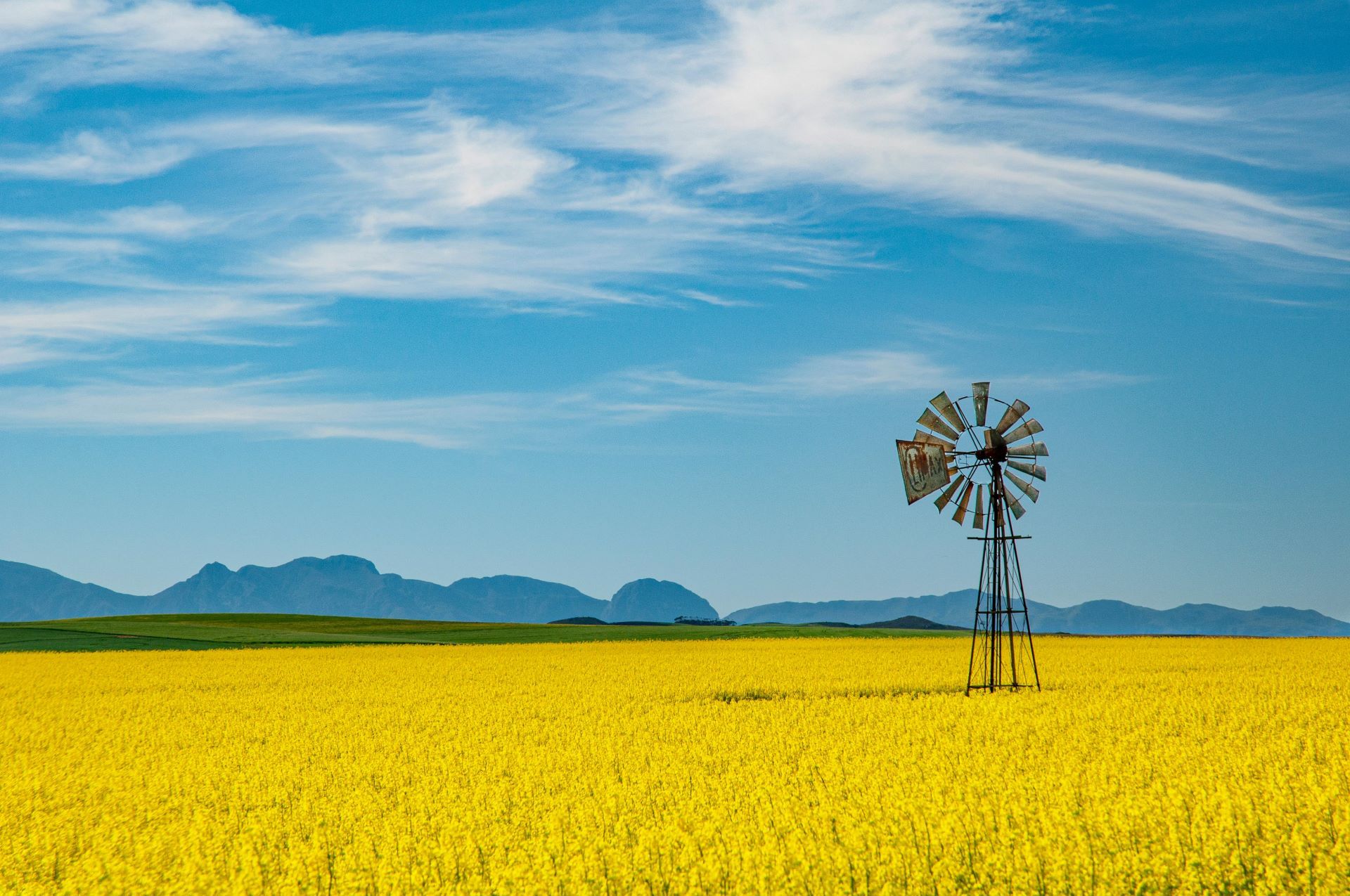
South African lodges are embracing renewable energy with enthusiasm. Solar panels are now commonplace, with some properties achieving near-total energy independence. Wind turbines supplement energy supply in coastal regions, while biofuels and smart energy management systems reduce reliance on fossil fuels.
Energy efficiency is not limited to production; consumption is carefully monitored. Lighting, heating, and cooling are optimised, often controlled by advanced building management systems that balance guest comfort with ecological responsibility. These measures demonstrate that green hotels can operate at the highest standard without compromising on service.
Culinary Sustainability: Tasting the Local Terrain
A sustainable stay is incomplete without food that reflects the lodge’s ethos. South African green hotels are at the forefront of culinary innovation, combining sustainability with gastronomic excellence. Menus emphasise seasonal, locally sourced produce, often paired with organic wines from boutique vineyards.
Guests may find themselves enjoying a breakfast of farm-fresh eggs and organic granola, followed by lunch featuring sustainably caught fish or free-range meat. Dinner might showcase indigenous herbs, honey, and vegetables cultivated on-site. The experience is both indulgent and conscientious, leaving a lasting impression on taste and mind alike.
Iconic Sustainable Stays Across South Africa
Sabi Sabi Earth Lodge, Kruger National Park: Nestled amidst the bushveld, Earth Lodge is a pioneer in eco-luxury, integrating solar energy, greywater systems, and local materials into its design. Its conservation programs are deeply embedded in the Kruger ecosystem.
Babylonstoren, Western Cape: A Cape Dutch-style farm estate where sustainability meets opulence. The on-site gardens supply a farm-to-table restaurant, while eco-conscious water and energy practices minimise environmental impact.
Tswalu Kalahari Reserve, Northern Cape: This private reserve showcases the intersection of wildlife conservation and luxury. Solar power, water recycling, and indigenous landscaping highlight how hospitality can operate in harmony with delicate desert ecosystems.
Thanda Safari Lodge, KwaZulu-Natal: Combining anti-poaching initiatives with community development projects, Thanda offers a fully immersive safari experience that promotes both ecological and social responsibility.
Challenges and Opportunities in Sustainable Hospitality
Despite the growth of eco-lodges, challenges remain. Balancing guest expectations with environmental impact requires ongoing innovation, especially in areas prone to water scarcity, energy constraints, and human-wildlife conflict. Training staff in sustainable practices is essential, as is continuous engagement with local communities.
Yet the opportunities are immense. As global travellers increasingly prioritise sustainability, South Africa is well-positioned to lead in eco-luxury. Investments in green technology, coupled with authentic, community-focused experiences, can transform the hospitality landscape while supporting conservation efforts and local economies.
The Future of Green Tourism in South Africa
The path ahead is one of thoughtful expansion. Sustainability will continue to shape new developments, from boutique coastal retreats to mountain lodges tucked into the Drakensberg. Innovation will extend beyond infrastructure, influencing marketing, guest experiences, and corporate strategy.
Emerging trends include regenerative tourism, where properties actively restore ecosystems rather than simply minimise harm. Smart technologies, including AI-driven energy management and data-informed conservation strategies, will enhance operational efficiency and guest engagement.
Ultimately, South Africa’s green hotels and lodges offer more than environmentally responsible accommodation—they provide a blueprint for tourism that values people, planet, and the profound beauty that makes this country so unique.
Luxury Redefined
In South Africa, sustainability has ceased to be a niche concept; it is now a defining feature of modern luxury. Travellers can indulge in opulent stays, world-class dining, and unforgettable wildlife encounters, all while knowing their footprint is light and their contribution meaningful.
Sustainable stays are no longer a compromise—they are an invitation to explore, learn, and immerse oneself fully in the landscapes and communities that make South Africa extraordinary. Through these green lodges, eco-conscious travel becomes not only possible but desirable, offering experiences that resonate long after departure.
Mandla Ndlovu
Reporting from the frontlines of the South African tourism renaissance. Bridging the gap between regional stories and global audiences through elite narrative strategy.