

South Africa’s summer season represents one of the most dynamic and economically significant periods in the country’s tourism calendar. Occurring roughly between November and February, the season coincides with school holidays, festive celebrations, and favourable weather conditions that attract both domestic and international travellers. During this time, beaches, wildlife reserves, cultural sites, and urban attractions experience a noticeable surge in visitors, transforming the rhythm of tourism across the country.
The tourism industry is deeply influenced by seasonal patterns. Summer brings longer daylight hours, warmer temperatures, and a festive atmosphere that encourages travel, leisure activities, and outdoor exploration. Coastal regions become particularly attractive as holidaymakers seek ocean breezes and seaside recreation, while inland destinations benefit from family travel and adventure tourism.
For tourism operators, accommodation providers, and local municipalities, summer represents a period that requires careful planning and preparation. Infrastructure must accommodate increased visitor numbers, transportation systems experience higher demand, and hospitality businesses expand services to meet peak expectations.
Understanding the patterns of summer tourism is therefore essential for anyone involved in the industry. Travellers benefit from planning ahead to secure accommodation and avoid congestion, while businesses must adapt their strategies to maximise opportunities during this high-demand period.

Understanding the Summer Tourism Season
South Africa’s summer tourism season is shaped by a combination of climate, school calendars, and cultural traditions. The official festive season begins in mid-December when schools close and many businesses shut down or operate on reduced schedules. This period continues into early January, creating a concentrated window of travel activity.
During December in particular, millions of South Africans travel across the country. Families reunite, holidaymakers head toward coastal towns, and urban centres host cultural festivals and events. The result is a widespread movement of people that significantly influences tourism flows.
International travellers also contribute to the summer tourism boom. Visitors from Europe, North America, and other regions are drawn to South Africa’s warm climate during the Northern Hemisphere winter. This seasonal contrast makes the country especially appealing for travellers seeking sunshine, wildlife experiences, and coastal relaxation.
Travel patterns during this period are predictable yet intense. Bookings for accommodation often peak months in advance, transportation networks operate at higher capacity, and tourism operators extend working hours to accommodate increased demand.
The concentration of travel within a relatively short timeframe creates both opportunities and challenges for the tourism sector. Businesses can achieve substantial revenue growth, but they must also manage logistics, staffing, and service delivery to maintain quality during peak activity.
Popular Summer Destinations Across South Africa
Certain destinations consistently experience higher visitor numbers during the summer season. Coastal regions are the most prominent examples, as beach tourism becomes a primary attraction for domestic and international travellers.
The Western Cape coastline is one of the most recognisable summer tourism zones. Visitors are drawn to scenic beaches, coastal towns, and outdoor recreation opportunities. Activities such as surfing, swimming, and coastal hiking attract travellers seeking both relaxation and adventure.
KwaZulu-Natal also experiences a substantial influx of summer visitors. The province’s warm Indian Ocean waters, subtropical climate, and extensive beachfront infrastructure make it a favourite holiday region for families and large travel groups.
The Garden Route remains another popular summer destination. This scenic stretch of coastline combines beaches, forests, and small towns that appeal to travellers looking for diverse experiences within a relatively compact area. Summer tourism in this region supports a wide range of activities including hiking, boating, and wildlife observation.
Inland destinations also benefit from seasonal tourism. National parks, game reserves, and rural tourism hubs receive increased attention from travellers interested in safari experiences and nature-based tourism. While wildlife viewing conditions may vary during the summer rainy season, the landscape becomes lush and vibrant, offering a different but equally compelling experience.
Urban tourism plays an important role as well. Cities host festivals, cultural events, concerts, and sporting activities that attract both tourists and residents. These events contribute to the broader tourism economy and help distribute visitor activity across multiple sectors.
Domestic Tourism and Holiday Travel
Domestic tourism is a major driver of summer travel patterns in South Africa. Millions of residents use the festive season as an opportunity to take extended holidays, visit relatives, or explore different regions of the country.
Family travel plays a particularly significant role during this period. School holidays encourage longer trips, often lasting several weeks, especially for families who relocate temporarily to coastal towns or holiday destinations.
Holiday traditions also influence travel patterns. Many South Africans associate December with beach holidays, outdoor gatherings, and road trips. These cultural practices contribute to predictable spikes in tourism demand, particularly along the coast.
Domestic tourism has become increasingly important for sustaining the industry during fluctuating international travel conditions. Local travellers support hotels, guesthouses, restaurants, and attractions, providing vital revenue streams for tourism businesses.
Road travel remains one of the most common methods of transportation for domestic tourists. Long-distance driving between major cities and coastal destinations becomes especially busy during December and early January. This movement of travellers influences not only tourism infrastructure but also road safety campaigns and transportation planning.
Understanding the motivations and preferences of domestic travellers helps tourism businesses tailor their services. Family-friendly accommodations, affordable packages, and flexible booking policies become particularly valuable during the summer holiday period.
International Visitors and Seasonal Appeal
South Africa’s summer coincides with winter in many parts of the Northern Hemisphere, creating a strong seasonal appeal for international tourists. Visitors seeking warm weather, outdoor activities, and wildlife experiences often choose South Africa as a long-haul holiday destination during this time.
International travel patterns typically peak between December and February. Holidaymakers from Europe, the United Kingdom, and North America often spend several weeks exploring the country’s diverse tourism offerings.
Longer itineraries are common among international visitors. Travellers may combine multiple regions within a single trip, visiting coastal cities, wine regions, national parks, and cultural sites. This extended travel pattern benefits a wide range of tourism sectors.
International tourists also contribute to higher spending levels compared with domestic travellers. Accommodation in premium hotels, guided tours, adventure experiences, and fine dining all form part of the international visitor experience.
The presence of international travellers during the summer season enhances South Africa’s global tourism profile. Positive visitor experiences contribute to word-of-mouth promotion, repeat visits, and long-term tourism growth.
However, the industry must maintain high standards of service and infrastructure to meet international expectations. Transport reliability, safety, and quality hospitality services all play a role in shaping perceptions of South Africa as a premier tourism destination.
Festive Season Events and Tourism Activity
The festive season creates a unique cultural environment that further boosts tourism activity. Cities and towns across South Africa host events that attract large crowds and contribute to the overall travel atmosphere.
Music festivals, beach events, sporting competitions, and cultural celebrations take place throughout December and January. These gatherings attract both tourists and residents, creating lively social environments that support local economies.
New Year celebrations are particularly significant. Coastal destinations often host fireworks displays, public concerts, and entertainment events that draw thousands of visitors. Restaurants, hotels, and entertainment venues experience peak demand during this period.
Cultural festivals also highlight the diversity of South African heritage. Visitors have opportunities to experience local traditions, cuisine, and artistic performances, which adds depth to the tourism experience beyond conventional sightseeing.
Events contribute to tourism in several ways. They attract visitors during specific dates, extend the length of stays, and encourage spending across multiple sectors such as accommodation, transportation, and entertainment.
For tourism planners, coordinating these events requires careful logistical preparation. Crowd management, security arrangements, and infrastructure support all play critical roles in ensuring successful festivals.

Accommodation Demand During Peak Season
Accommodation providers experience their busiest period during the South African summer season. Hotels, guesthouses, holiday rentals, and resorts often operate at full capacity, particularly in popular coastal destinations.
Advance bookings are common, with many travellers reserving accommodation months before the festive season begins. This early demand allows tourism businesses to forecast occupancy levels and adjust pricing strategies accordingly.
Holiday homes and short-term rentals are especially popular during summer. Families and groups frequently prefer larger accommodations that offer more space and self-catering facilities. Coastal towns often see a surge in temporary residents during this period.
Pricing dynamics also shift during peak season. Accommodation rates typically increase in response to high demand, reflecting the limited availability of rooms and properties. Tourism operators must balance profitability with fair pricing to maintain positive customer relationships.
Staffing requirements increase as well. Hospitality businesses often hire seasonal workers to manage the higher volume of guests. These temporary employment opportunities contribute to local economic activity.
Maintaining service quality during peak demand remains a key challenge. Housekeeping schedules, maintenance tasks, and guest services must operate efficiently despite the increased workload.
Transportation and Infrastructure Pressures
Summer tourism places significant pressure on transportation systems and infrastructure. Airports, highways, and public transport networks all experience higher traffic volumes during the festive season.
Air travel demand increases as both domestic and international visitors move between cities and holiday destinations. Airlines often expand flight schedules to accommodate this seasonal surge in passengers.
Road travel remains the dominant mode of transportation for many domestic tourists. Highways connecting major cities to coastal regions experience heavy traffic during the days leading up to Christmas and New Year.
Traffic congestion, longer travel times, and increased accident risks become important considerations during this period. Authorities typically implement road safety campaigns and increased law enforcement presence to manage these challenges.
Infrastructure planning must account for the temporary population increases in tourist areas. Municipal services such as waste management, water supply, and public safety require additional resources to support the influx of visitors.
Tourism authorities work closely with local governments to ensure that infrastructure systems remain functional and responsive during peak periods.
Economic Impact of Summer Tourism
The economic contribution of summer tourism is substantial. Tourism spending during this period supports businesses across multiple sectors, including hospitality, transportation, retail, and entertainment.
Local economies in coastal regions often depend heavily on summer visitors. Restaurants, shops, and activity providers generate a significant portion of their annual revenue during the festive season.
Employment opportunities also increase. Seasonal jobs in hospitality, event management, and tourism services provide income for many workers during the summer months.
Small businesses benefit from the increased visitor activity. Craft markets, tour operators, and local guides experience higher demand as tourists seek authentic experiences and souvenirs.
Tourism revenue contributes to municipal budgets through taxes, service fees, and infrastructure investments. These funds help support local development initiatives and maintain public services.
The multiplier effect of tourism spending extends throughout the economy. When visitors spend money on accommodation or entertainment, that income circulates through supply chains and local communities.
Challenges Associated with Peak Tourism
While summer tourism offers significant economic benefits, it also presents several challenges for the industry and local communities.
Overcrowding can occur in popular destinations, leading to strain on infrastructure and natural environments. Beaches, parks, and public facilities may experience high levels of usage that require careful management.
Environmental concerns are another important consideration. Increased visitor numbers can lead to litter, habitat disturbance, and pressure on water resources, particularly in drought-prone regions.
Service quality may also fluctuate during peak periods. High demand can place pressure on hospitality staff and tourism operators, sometimes affecting customer experiences.
Managing visitor expectations becomes essential. Tourists may encounter longer queues, busy attractions, and higher prices during the festive season.
Sustainable tourism practices play an important role in addressing these challenges. Responsible visitor behaviour, environmental protection initiatives, and improved infrastructure planning help ensure that tourism growth remains beneficial for both communities and ecosystems.
Planning for Summer Travel in South Africa
Effective planning is essential for travellers who wish to enjoy South Africa’s summer tourism season without unnecessary stress or inconvenience.
Booking accommodation early remains one of the most important steps. Popular destinations often reach full capacity well before the festive season begins, particularly in coastal regions.
Travellers should also consider transportation arrangements in advance. Flight reservations, car rentals, and long-distance travel plans become more difficult to secure as demand increases.
Flexibility can enhance the travel experience. Visiting destinations slightly before or after the busiest holiday weeks may provide better availability and more relaxed conditions.
Exploring less crowded regions is another useful strategy. South Africa offers a wide range of destinations beyond the most famous coastal towns, allowing travellers to discover unique landscapes and cultural experiences.
Preparing for summer weather conditions is also important. High temperatures, occasional storms, and strong sunlight require appropriate clothing, hydration, and sun protection.
Careful planning allows visitors to fully appreciate the diverse attractions that South Africa offers during the summer season.
The Future of Seasonal Tourism in South Africa
The structure of South Africa’s tourism industry continues to evolve as travel trends change and new opportunities emerge. While the summer season remains the most significant tourism period, efforts are underway to promote year-round travel.
Tourism authorities and businesses increasingly focus on diversifying experiences across different seasons. Wildlife tourism, cultural tourism, and adventure travel can attract visitors throughout the year, reducing pressure on peak periods.
Infrastructure improvements also support long-term tourism growth. Upgraded airports, expanded accommodation capacity, and improved transportation networks help accommodate increasing visitor numbers.
Digital marketing and online booking platforms have transformed how travellers plan their trips. Tourism businesses can now reach global audiences more easily, promoting destinations and experiences during specific seasons.
Sustainability has become an increasingly important priority. Protecting natural environments and supporting local communities ensures that tourism remains a viable industry for future generations.
By balancing peak demand with responsible planning and diversification, South Africa can continue to strengthen its position as one of the world’s most attractive travel destinations.
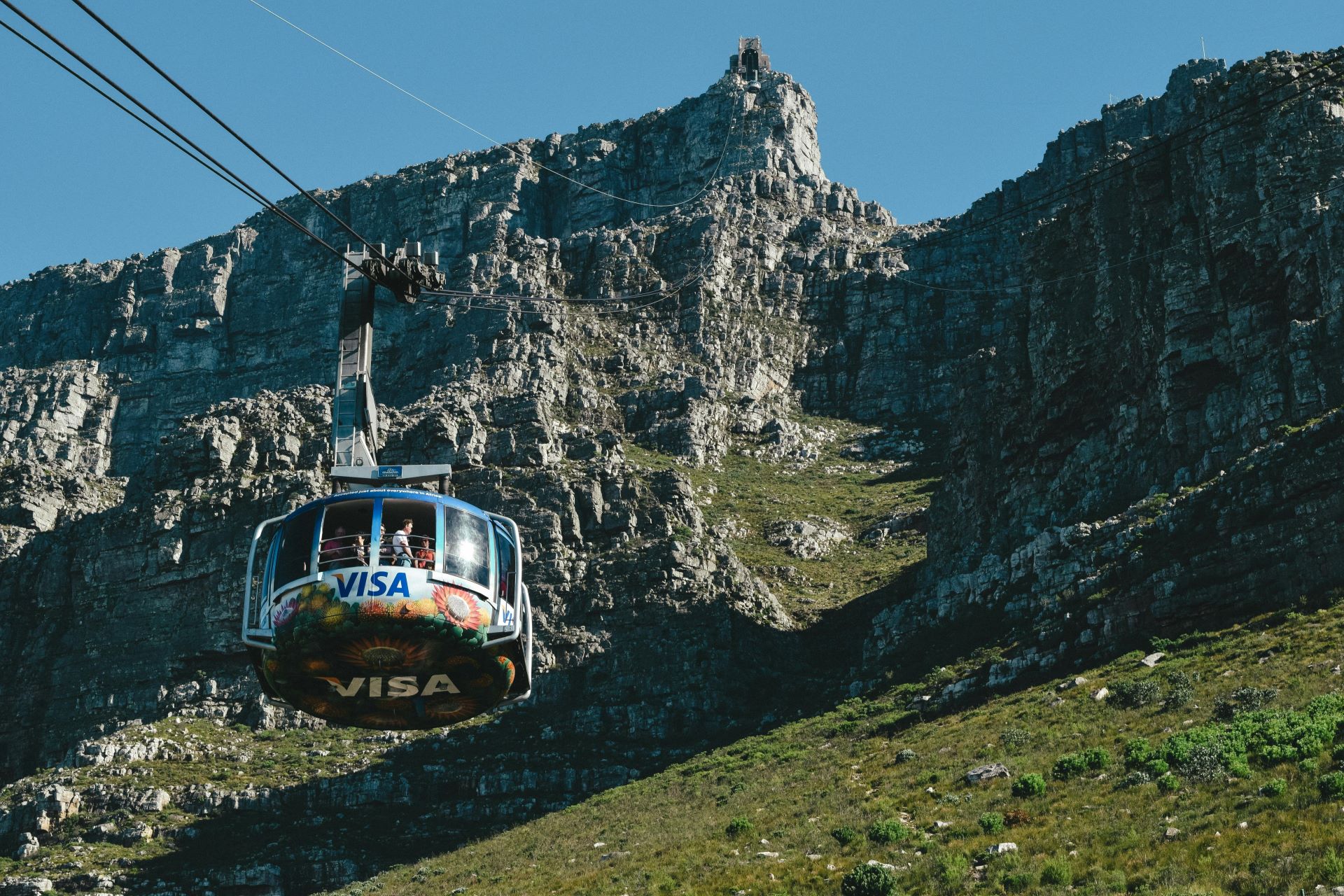
South Africa’s summer tourism season plays a central role in shaping the country’s travel industry. Warm weather, school holidays, and festive traditions combine to create a period of intense tourism activity that benefits businesses, communities, and travellers alike.
Domestic holidaymakers and international visitors contribute to vibrant travel patterns across the country. Coastal destinations, national parks, and urban attractions all experience heightened interest during the summer months.
While peak tourism brings economic advantages, it also requires careful management of infrastructure, environmental resources, and service quality. Effective planning by both travellers and tourism operators ensures that the summer season remains enjoyable and sustainable.
As the tourism industry continues to develop, understanding seasonal travel patterns will remain essential. South Africa’s summer offers a unique combination of natural beauty, cultural experiences, and recreational opportunities that continue to attract visitors from around the world.
Mandla Ndlovu
Reporting from the frontlines of the South African tourism renaissance. Bridging the gap between regional stories and global audiences through elite narrative strategy.