

Where the Sky Becomes the Story
In an age where city skylines glow brighter than the heavens, the night sky often feels like a fading memory—something we know exists but rarely truly see. Yet, in South Africa, the stars still speak with an ancient clarity. The country’s vast landscapes, low light pollution, and clear high-altitude air offer some of the most pristine celestial views on the planet. Here, astronomy isn’t just for scientists—it’s an invitation to travellers, dreamers, and lovers of natural wonder.
From the semi-arid plains of the Karoo to the remote red dunes of the Kalahari, South Africa offers a constellation of destinations where nightfall signals the beginning of the real show. For centuries, the stars have been a compass for indigenous cultures, a guide for explorers, and a source of mythology and poetry. Today, they are also an irresistible draw for visitors seeking the romance of a night under the universe’s grandest canopy.
The Karoo: Silence, Space, and Starlight
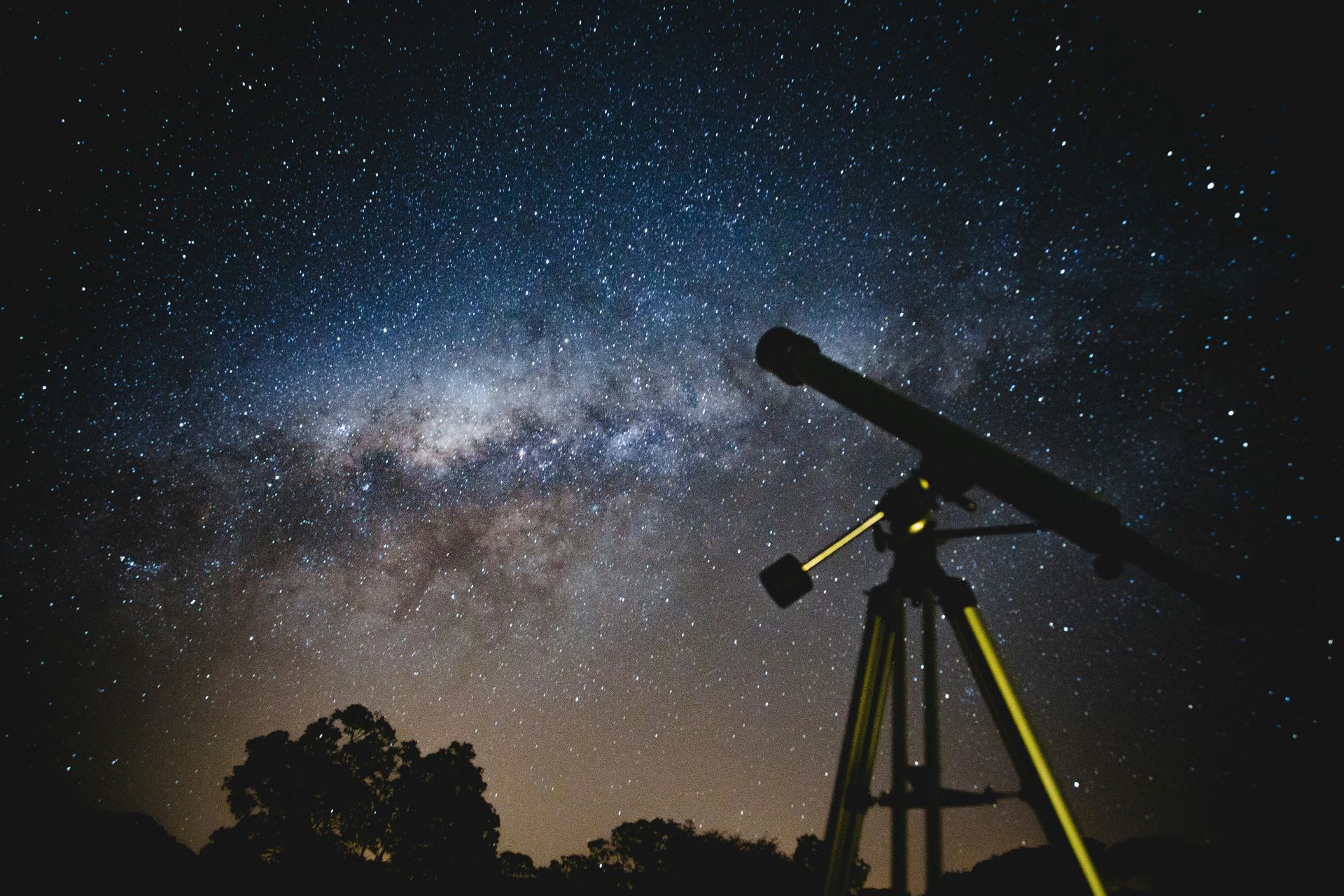
Step into the Karoo and the first thing you notice is the stillness—a silence so complete it feels almost sacred. This semi-desert region, stretching across the heart of the country, is famous for its wide horizons and deep skies. Far from any major city, it offers an absence of light pollution that turns its night sky into an infinite theatre of glittering brilliance.
Sutherland, perched high on the Roggeveld Plateau, is the crown jewel for stargazers. Home to the South African Astronomical Observatory, this small town has built a quiet reputation as one of the best places in the southern hemisphere to explore the cosmos. Here, you can join guided night tours of the observatory, peer through powerful telescopes, and see the craters of the moon, the rings of Saturn, and the glowing clouds of the Magellanic galaxies with astonishing clarity.
But the Karoo’s magic isn’t confined to science. There’s something deeply emotional about lying back in the cool night air, far from artificial light, and watching the Milky Way arc across the sky like a river of diamonds. The vastness swallows you whole, and for a moment you feel like part of something infinite.
Cederberg Mountains: Myth and Majesty
Three hours north of Cape Town, the Cederberg Mountains rise in jagged, weather-sculpted forms that seem otherworldly even in daylight. At night, they become the perfect silhouettes against a sky alive with starlight. The dry mountain air, coupled with minimal light interference, makes this a stargazer’s haven.
Luxury eco-lodges here often pair stargazing with cultural storytelling, weaving in San rock art heritage and ancient celestial myths. For the indigenous San people, the night sky was more than a map—it was a living tapestry of ancestors, animals, and legends. Learning these stories while tracing the constellations overhead adds depth to the experience, turning a simple sky-watching session into a journey through both time and space.
Kgalagadi Transfrontier Park: Stars Over the Dunes
In the far north, where South Africa meets Botswana and Namibia, the Kgalagadi Transfrontier Park offers a rare fusion of wildlife and starlight. By day, it’s a photographer’s paradise, with oryx and black-maned lions traversing the ochre dunes. By night, it’s a stage for celestial grandeur.
This remote desert expanse has almost no artificial lighting for hundreds of kilometres. The result is an ink-black sky punctured by a breathtaking density of stars. On moonless nights, you can see the Milky Way’s dust lanes with the naked eye, stretching from one horizon to the other. Many travellers choose to camp within the park, allowing them to step out of their tents into a universe so rich with light it feels surreal.
Here, astronomy takes on a primal quality—your connection to the sky is immediate and unfiltered. The nocturnal chorus of jackals and owls only heightens the sense that you are witnessing the earth and cosmos in a perfect, ancient harmony.
The Drakensberg: A Mountain Sky Like No Other
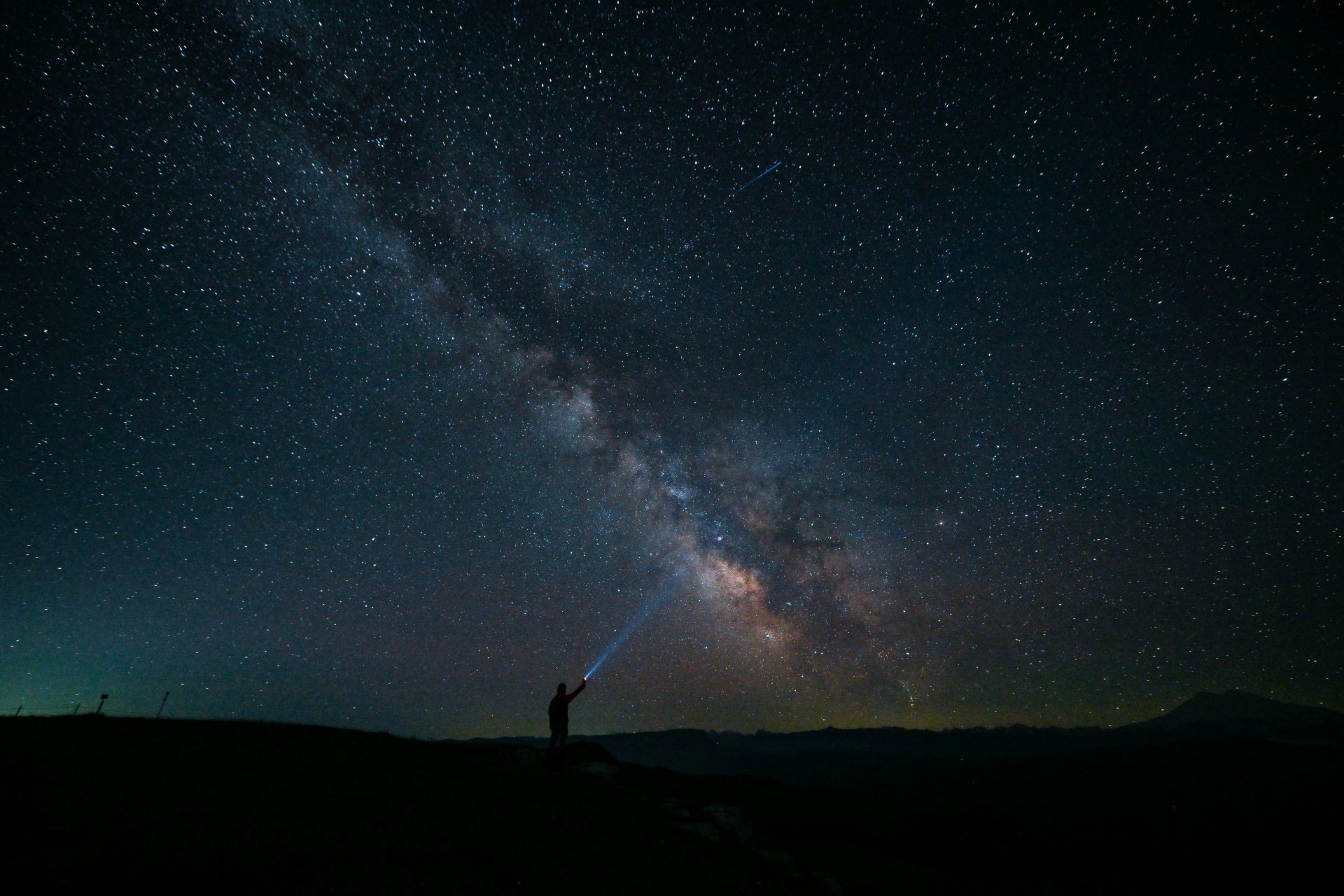
The Drakensberg, with its rugged peaks and high-altitude air, offers another exceptional stargazing environment. Far from coastal humidity, the nights here are crisp and clear, particularly in winter when visibility often stretches for hundreds of light-years.
Several lodges and campsites in the uKhahlamba-Drakensberg Park host astronomy evenings, where guides point out southern constellations, planets, and the Southern Cross—an iconic emblem of the southern hemisphere’s night sky. In between celestial observations, you might sip on a glass of locally produced wine, warmed by a crackling fire.
It’s a reminder that stargazing here isn’t just about looking up—it’s about slowing down, immersing yourself in nature, and allowing the rhythm of the mountains to sync with your own.
The Wild Coast: Celestial Reflections Over the Ocean
Not all the best stargazing in South Africa is inland. Along the Wild Coast, the ocean becomes a mirror, reflecting the stars in a way that blurs the line between sky and sea. Remote beaches, far from city lights, offer a different kind of cosmic spectacle—especially when bioluminescent plankton joins the show, making the waves sparkle like liquid starlight.
This combination of celestial and marine beauty creates a rare and dreamlike experience. You could be walking barefoot on the sand, listening to the surf, while above and below you, a million points of light shimmer in unison.
Seasons of the Stars
While South Africa’s stargazing is remarkable year-round, certain times of year enhance the spectacle. Winter months (May to August) offer the clearest skies, as crisp air and low humidity reduce atmospheric distortion. These are also the months when the centre of the Milky Way is most visible, making for extraordinary astrophotography opportunities.
Summer skies, on the other hand, bring different constellations into prominence and pair beautifully with warmer nights—perfect for long, languid evenings outdoors.
Travel Tips for Stargazing Adventures
For the best experience, choose accommodation that prioritises dark-sky conditions. Many lodges in these regions offer astronomy-friendly facilities, from powerful telescopes to open-air observation decks. Bring warm clothing, even in summer, as temperatures can drop quickly at night. And while a smartphone can capture some of the magic, a proper camera and tripod will reveal details the human eye can’t fully perceive.
Most importantly, allow yourself time. The longer you spend under the stars, the more you notice—the gradual movement of the constellations, the occasional streak of a meteor, the shifting colours of the planets.
A Journey Beyond the Earth
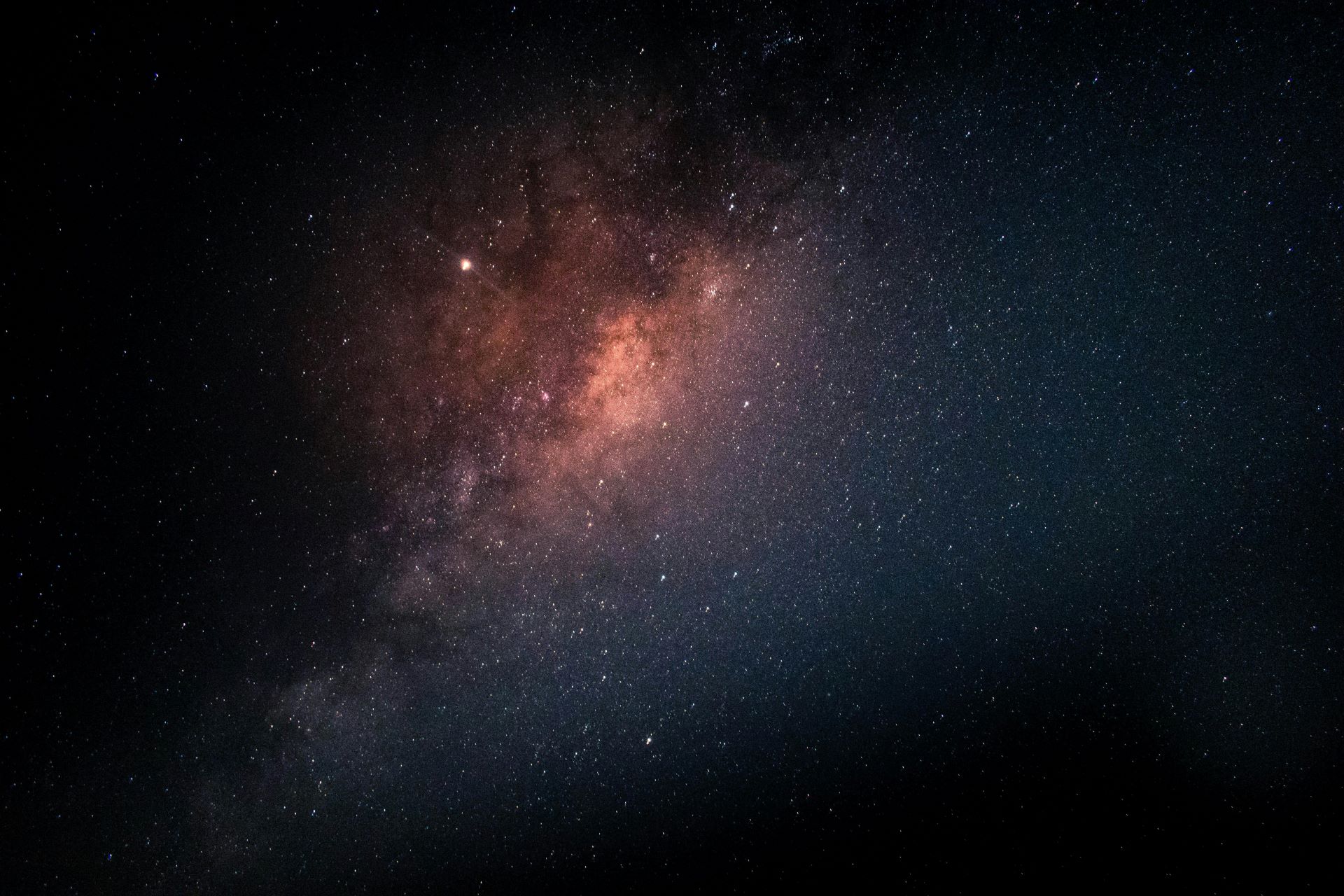
Stargazing in South Africa isn’t just a travel activity—it’s a reminder of our place in the universe. Whether you’re gazing from the Karoo’s wide-open plains, the peaks of the Drakensberg, or the red dunes of the Kalahari, the experience transcends mere sightseeing. It’s humbling, awe-inspiring, and deeply human.
In a world where the pace of life often feels relentless, standing beneath a South African night sky offers something rare: perspective. It invites you to look up, breathe deeply, and remember that the same stars guiding you tonight have been lighting the path for travellers since time began.
Herman
Reporting from the frontlines of the South African tourism renaissance. Bridging the gap between regional stories and global audiences through elite narrative strategy.