

There are few experiences along South Africa’s coastline as quietly arresting as the moment a whale breaks the surface. One second the ocean lies flat and unassuming, the next it heaves, exhales, and reveals a creature so vast it rearranges your sense of scale. Whale watching here is not a novelty attraction or a fleeting seasonal gimmick. It is a coastal ritual, tied to migration, geography, and a country uniquely positioned between two powerful oceans.
From the cold Benguela current along the Atlantic seaboard to the warmer Agulhas waters of the Indian Ocean, South Africa offers one of the world’s most accessible whale watching destinations. The experience ranges from cliff-top sightings that require no boat at all to carefully managed marine excursions led by operators who have grown up reading the sea like a second language. Timing, place, and restraint define the best encounters, and nowhere is this balance more evident than along the country’s most celebrated whale routes.
This is a guide to where and when to go, how to experience whales responsibly, and why South Africa remains one of the world’s most compelling places to witness these ocean giants in their natural habitat.
Understanding Whale Migration Along the South African Coast
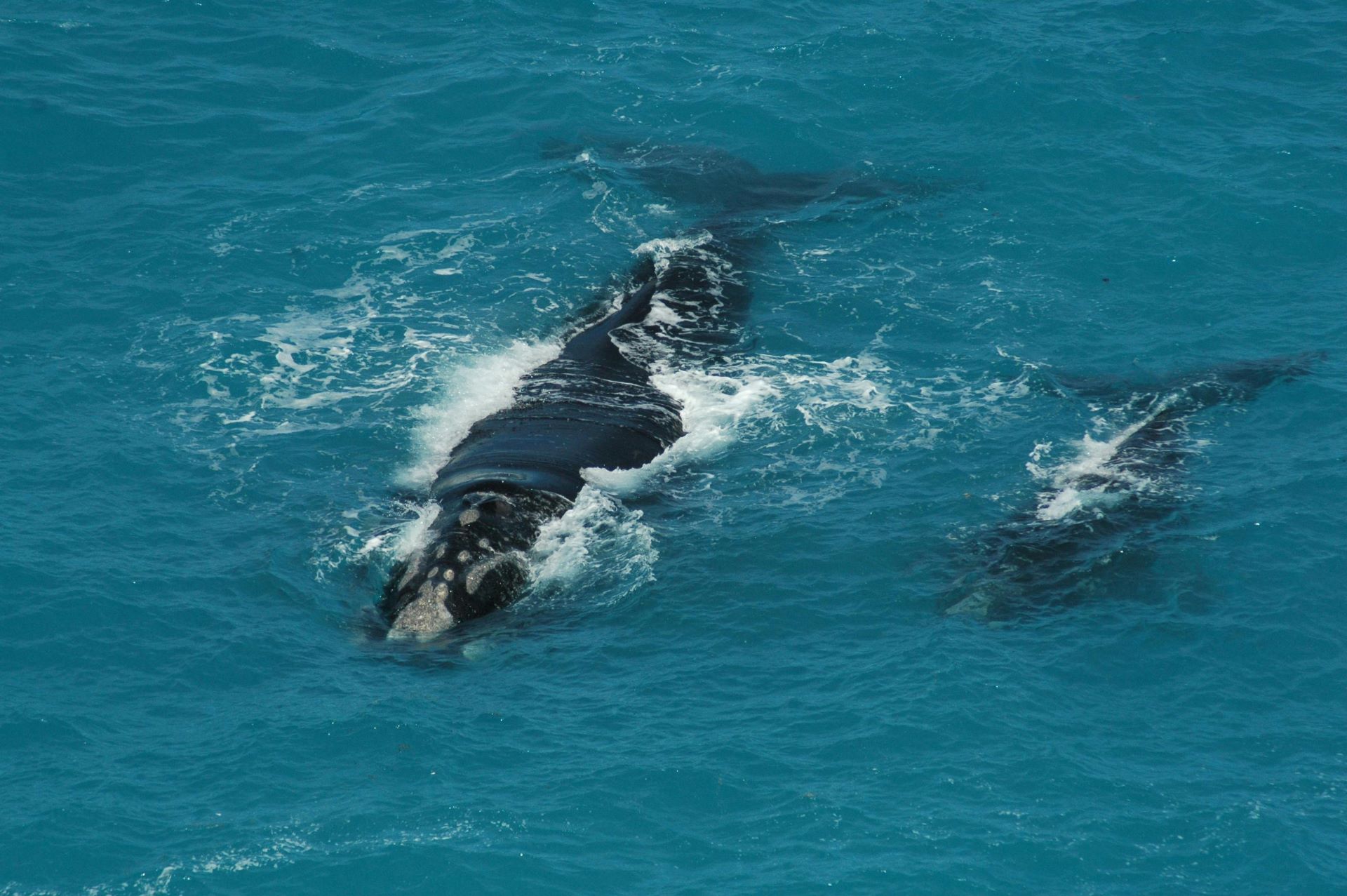
Whale watching in South Africa is inseparable from migration. Each year, thousands of whales move along the coastline, following ancient routes that predate borders, harbours, and holiday towns. The most commonly sighted species are southern right whales and humpback whales, with Bryde’s whales occasionally appearing closer to shore.
Southern right whales migrate from Antarctic feeding grounds to the sheltered bays of the Western and Eastern Cape to mate and calve. They arrive as early as May, peak between July and September, and linger into November. Their preference for calm, shallow waters makes them ideal for land-based viewing, often just metres from shore.
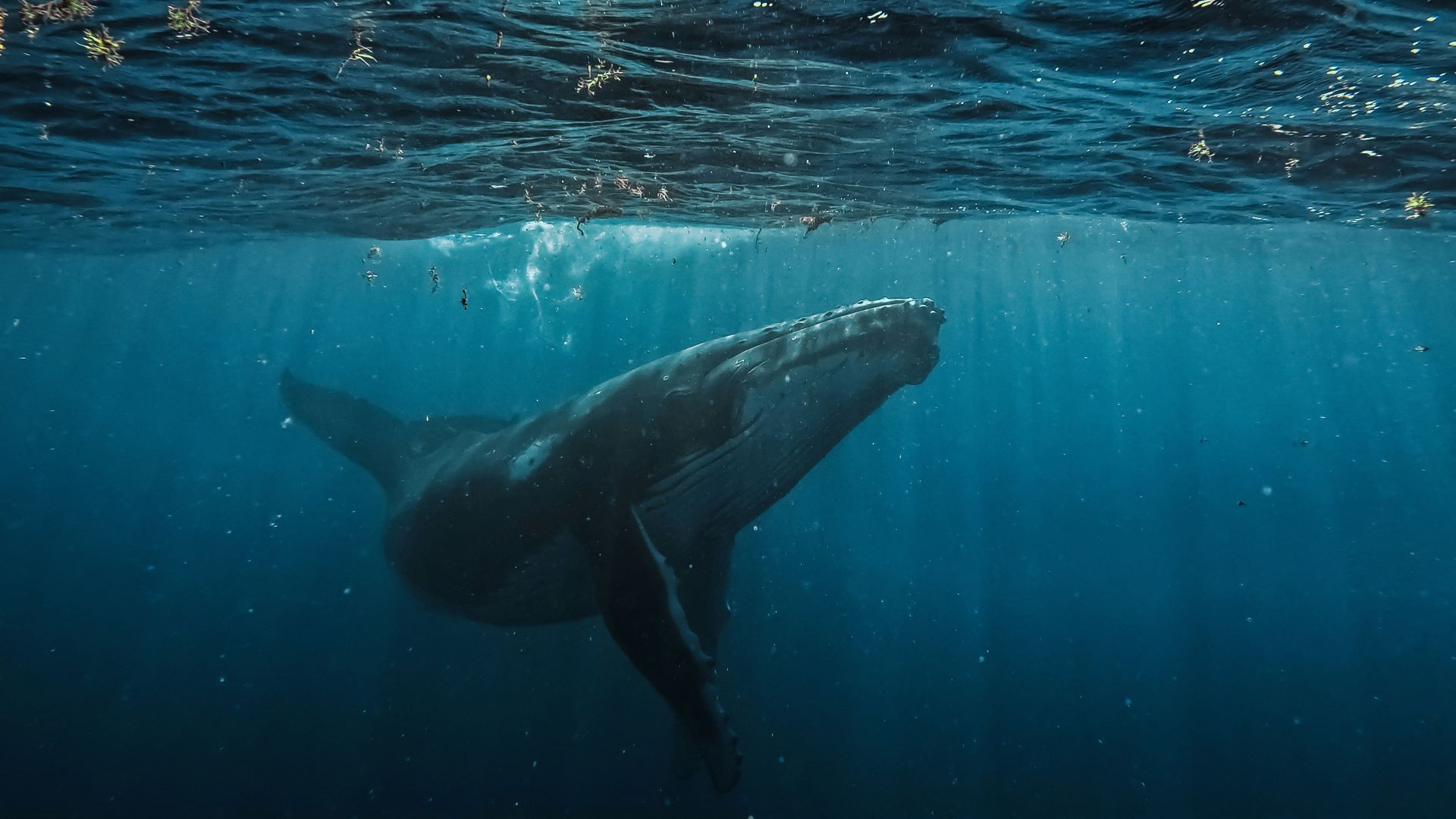
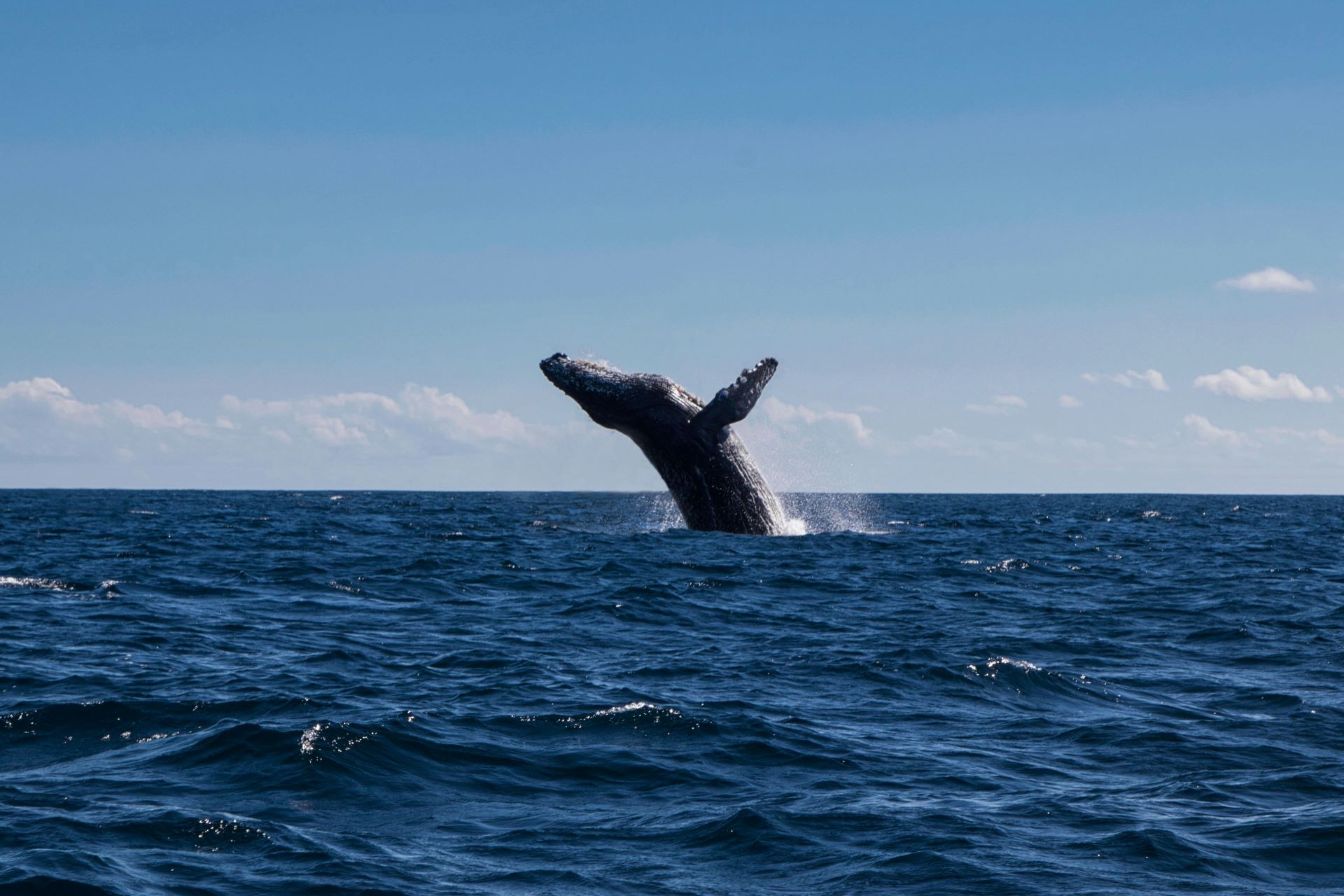
Humpback whales travel much further, moving northwards along the east coast from June to September before returning south later in the year. Known for their breaching and surface displays, they offer a more dynamic spectacle, particularly off KwaZulu-Natal’s coastline.
Understanding these rhythms transforms whale watching from chance encounter into informed experience. It also reinforces the importance of respecting migration corridors that remain critical to the species’ survival.
Hermanus: The Undisputed Capital of Whale Watching
Hermanus does not need embellishment. It has earned its reputation through consistency, accessibility, and an almost improbable proximity to whales. Situated along Walker Bay in the Western Cape, the town sits directly in the path of southern right whales seeking refuge to breed and calve.
What sets Hermanus apart is the ability to watch whales without leaving dry land. The cliff paths stretching from the old harbour to Grotto Beach provide elevated viewpoints where whales can be seen rolling, breaching, and nurturing calves just offshore. During peak season, sightings are not exceptional events. They are daily occurrences.
The town’s commitment to responsible tourism is equally notable. Hermanus hosts the annual Whale Festival, which combines celebration with conservation education, drawing attention to marine protection efforts while supporting local businesses. Boat-based whale watching tours operate under strict permits, maintaining safe distances and limiting time spent near individual animals.
For travellers seeking a low-impact, high-reward experience, Hermanus remains unmatched. It is a place where patience is rewarded and where the ocean seems willing to meet observers halfway.
De Kelders and Gansbaai: Quiet Excellence Along Walker Bay
Just beyond Hermanus lie De Kelders and Gansbaai, areas often overshadowed by their more famous neighbour but equally impressive in their own right. De Kelders, perched atop limestone cliffs, offers some of the closest land-based whale sightings in the country. During peak season, southern right whales gather in the bay below, their massive forms clearly visible even to the untrained eye.
Gansbaai, known internationally for marine tourism, provides a different angle. While historically associated with shark cage diving, the town has developed a strong reputation for whale watching tours that emphasise education and sustainability. Operators here often work closely with marine biologists, turning excursions into floating classrooms where behaviour, migration, and conservation are discussed in depth.
These towns appeal to travellers seeking fewer crowds and a slower pace. The whales, indifferent to human reputation, treat these waters with the same reverence they afford Hermanus.
The Cape Peninsula: Urban Proximity, Wild Encounters
Whale watching near Cape Town surprises many visitors. Despite being a major metropolitan area, the Cape Peninsula offers remarkable access to marine life. Southern right whales are frequently spotted off the coast of False Bay, particularly near Simon’s Town and Fish Hoek, while humpbacks pass further offshore during migration.
Chapman’s Peak Drive and the cliffs above Kalk Bay provide vantage points where whales can be seen against a backdrop of mountains and city skyline. The juxtaposition is striking. Nature, here, does not retreat politely from urban life. It asserts itself.
Boat-based tours operate from Hout Bay and Simon’s Town, often combining whale watching with seal colony visits. Responsible operators emphasise minimal interference, allowing whales to dictate the encounter rather than chasing surface activity. It is a reminder that even in busy regions, ethical tourism can coexist with accessibility.
The Garden Route: A Coastline of Variety and Surprise
Stretching from Mossel Bay to Storms River, the Garden Route offers a more fragmented but deeply rewarding whale watching experience. The coastline here alternates between sandy bays, rocky headlands, and dense coastal forests, creating multiple micro-environments favoured by different species.
Plettenberg Bay stands out as a prime location, with both southern right and humpback whales passing close to shore. Boat tours here are regulated through marine protected areas, ensuring that encounters remain respectful and controlled. The surrounding cliffs and beaches provide excellent land-based viewing during calm conditions.
Knysna, while less predictable for whale sightings, occasionally rewards patient observers with passing humpbacks or Bryde’s whales. Mossel Bay, further west, offers early-season sightings as whales begin their migration, making it a valuable stop for those travelling outside peak months.
The Garden Route appeals to travellers who prefer variety over certainty. Whale watching here is often part of a broader coastal journey, complemented by hiking, forest exploration, and small-town hospitality.
The Eastern Cape: Expanding Horizons
The Eastern Cape occupies a transitional zone where cold and warm currents meet, creating a biodiverse marine environment. Whale watching here has grown steadily, particularly around towns such as Port Elizabeth, now Gqeberha, and Algoa Bay.
Southern right whales are commonly seen close to shore during the winter months, while humpbacks pass further out to sea. Boat-based tours often share space with dolphin pods and seabird colonies, adding layers to the experience.
Algoa Bay’s status as a marine protected area has strengthened conservation efforts, with operators required to adhere to strict guidelines. These measures have improved both whale welfare and the quality of visitor experiences, reinforcing the idea that protection and tourism are not opposing forces.
KwaZulu-Natal: Humpback Highways and Warm Waters
KwaZulu-Natal offers a distinctly different whale watching environment. The coastline here is warmer, the seas often rougher, and the whales more transient. Humpback whales dominate sightings, migrating close to shore between June and September before returning south later in the year.
Durban’s promenade provides occasional sightings for those watching carefully, while towns such as Umhlanga and Ballito offer elevated viewpoints where whales can be seen breaching offshore. Boat-based tours operate from Durban and Richards Bay, focusing on quick, respectful encounters that prioritise observation over pursuit.
The appeal of KwaZulu-Natal lies in its unpredictability. When whales appear, they often do so dramatically, breaching repeatedly as if performing for unseen audiences. Combined with the region’s cultural richness and subtropical climate, whale watching here feels energetic and alive.
Timing Your Whale Watching Experience
Timing remains the single most important factor in a successful whale watching trip. While general seasons are reliable, local conditions such as water temperature, weather patterns, and food availability can influence whale behaviour.
July to September represents the peak period across most regions, particularly for southern right whales in the Western Cape and humpbacks along the east coast. Early season travellers in May and June may encounter fewer whales but enjoy quieter towns and lower accommodation rates. Late season sightings in October and November often include playful calves, offering some of the most memorable encounters of all.
Patience, rather than urgency, defines the best experiences. Whale watching is not about ticking sightings off a list. It is about allowing time and nature to align.
Eco-Friendly Whale Watching and Responsible Tourism
South Africa’s whale watching industry operates under a permit system designed to protect marine life. Ethical operators adhere to regulations governing distance, speed, and interaction time. These rules exist not to diminish experiences, but to preserve them.
Eco-friendly tours emphasise education alongside observation. Guides explain behaviour, migration patterns, and threats facing whale populations, turning encounters into opportunities for awareness. Many operators contribute to research initiatives, using sighting data to support long-term conservation efforts.
Travellers play an equally important role. Choosing licensed operators, avoiding pressure on guides to approach too closely, and respecting land-based viewing areas all contribute to sustainable tourism. The reward is a deeper, more meaningful connection to the experience.
The Emotional Weight of Whale Watching
Whale watching leaves a mark that lingers long after the coast disappears in the rear-view mirror. It is not just the size of the animals that resonates, but their presence. Watching a mother guide her calf through unfamiliar waters or witnessing a breach that sends tonnes of muscle airborne creates a quiet recalibration of perspective.
South Africa’s coastline provides the stage, but the whales deliver the performance on their own terms. Every sighting feels earned, shaped by weather, timing, and attentiveness. In a world increasingly curated and controlled, whale watching remains refreshingly unscripted.
Why South Africa Stands Apart
Few countries offer whale watching that is as accessible, varied, and ethically managed as South Africa. The ability to observe whales from land, the diversity of species, and the integration of conservation into tourism set it apart on the global stage.
Whether standing on a cliff in Hermanus, scanning the horizon along the Garden Route, or watching humpbacks breach off the KwaZulu-Natal coast, the experience carries a sense of privilege. These waters are not attractions. They are living corridors of migration, memory, and survival.
Whale watching in South Africa is not about spectacle alone. It is about presence, restraint, and respect. And for those willing to meet the ocean on those terms, the reward is unforgettable.
Jabulani
Reporting from the frontlines of the South African tourism renaissance. Bridging the gap between regional stories and global audiences through elite narrative strategy.