

When you think of South Africa, images of vast savannas, rugged coastlines, and bustling cities often come to mind. However, one of the country's most captivating aspects is its rich and diverse culinary heritage. South African cuisine is a fusion of flavors, textures, and techniques that have evolved over centuries. From the indigenous dishes of the first people to the contemporary influences of international chefs, South African food tells the story of a nation shaped by history, culture, and migration.
In this article, we will explore the diverse landscape of South African cuisine, from the traditional dishes that have been passed down through generations, to the innovative food trends that are gaining global recognition. We’ll delve into the historical influences that have shaped the food culture, profile renowned chefs, and highlight some of the most remarkable dining experiences. Whether you're an adventurous eater or a curious traveler, South Africa’s culinary scene promises to be a feast for the senses.
Historical Background
South African cuisine is deeply rooted in the country's history, with influences from indigenous traditions as well as the diverse cultures that have settled here over the centuries. The indigenous Khoisan people, for example, laid the foundation for much of the country’s food culture, with a focus on foraged ingredients and sustainable practices. They introduced staple ingredients such as millet, sorghum, and wild game, which still play a role in contemporary dishes.
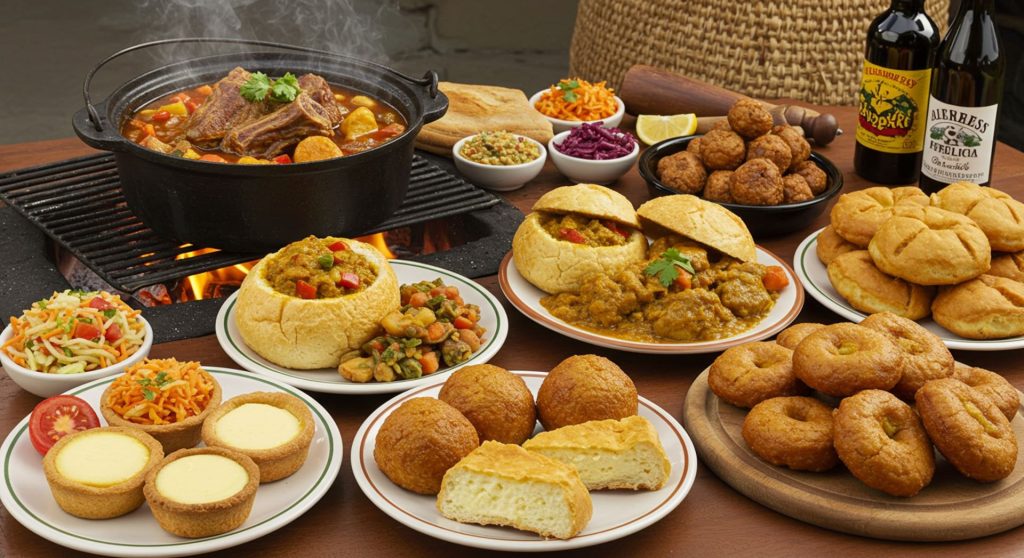
The arrival of European settlers in the 17th century brought with them a new array of ingredients and culinary techniques. The Dutch, French, and British all left their marks on the food scene, contributing to the development of iconic dishes such as potjiekos (a slow-cooked stew) and biltong (cured dried meat). As the country grew in complexity, so too did its food culture, with the influx of Indian, Malay, and Indonesian people during the 19th century adding bold new flavors to the mix. The beloved curry, particularly in the form of the bunny chow, is a testament to these cultural exchanges.
The indigenous use of ingredients like maize, beans, and vegetables became intertwined with the spice-rich, hearty dishes brought by colonizers, creating a truly eclectic food culture that blends African, European, and Asian influences. Over time, this melting pot of cultures, combined with South Africa's vast array of climates and landscapes, resulted in an unparalleled variety of ingredients and cooking methods. Today, dishes from the past coexist with cutting-edge culinary innovations, providing an extraordinary food experience that reflects the country's diverse heritage.
Traditional Dishes and Culinary Heritage
No exploration of South African cuisine would be complete without a celebration of its traditional dishes, which hold a deep cultural significance and offer a glimpse into the country’s past. Here are a few of the most iconic:
Bobotie
Often considered South Africa’s national dish, bobotie is a fragrant, spiced minced meat dish, traditionally made with lamb or beef, and topped with a creamy custard-like mixture before being baked to golden perfection. The dish is a legacy of the early Cape Malay community and blends African and Asian influences, featuring spices like curry, turmeric, and cinnamon. Bobotie is often served with yellow rice, chutney, and a side of vegetables, making it a comforting and flavorful meal.
Braai
The South African braai, or barbecue, is more than just a cooking method—it’s a cultural institution. Whether it’s a family gathering or a national holiday, the act of grilling meat over an open flame is a time-honored tradition that transcends race and class. Popular braai dishes include boerewors (a type of sausage), steak, chicken, and a variety of side dishes such as pap (a maize porridge), chakalaka (a spicy vegetable relish), and salads. Braai is about community, flavor, and a shared experience of enjoying the outdoors.
Biltong
Biltong is the South African equivalent of jerky, but it’s so much more than just dried meat. This savory snack is made from beef, ostrich, or even game meat, which is marinated in vinegar and spices, then air-dried to perfection. Biltong is a favorite snack for locals and visitors alike, often paired with beer or enjoyed on the go. It is as much a part of South Africa’s cultural fabric as it is its culinary heritage.
Bunny Chow
Originating in the Indian community of Durban, bunny chow is a unique South African fast food dish. It consists of a hollowed-out loaf of white bread filled with curry, typically lamb, chicken, or beans. The dish is a product of the country's Indian heritage, but it has been embraced by all South Africans as a flavorful, affordable street food.
These dishes are not merely food—they are stories passed from one generation to the next, connecting the people of South Africa with their heritage and culture.
Regional Variations and Specialties
South Africa’s diverse regions each offer distinct culinary experiences, shaped by the geography, climate, and history of the area. Let’s take a closer look at some regional specialties:
Western Cape
The Western Cape, known for its coastal beauty and Mediterranean climate, is home to some of the country's most celebrated wines and seafood. The region is famous for Cape Malay cooking, characterized by aromatic spices such as cumin, coriander, and turmeric. Dishes like bredie (a hearty stew) and snoek (a local fish often grilled or smoked) are staples. Cape Town, in particular, offers a fusion of local and international flavors, with food markets and gourmet restaurants showcasing the best of the region’s produce.
KwaZulu-Natal
On the eastern coast, KwaZulu-Natal is renowned for its spicy, flavorful food, a legacy of the Indian immigrants who arrived in the late 19th century. Dishes like bunny chow, as well as Durban-style curry, are emblematic of this region. The area is also known for its use of tropical fruits like mangoes and pineapples, which feature prominently in local cooking.
The Northern and Eastern Provinces
In these regions, the food is often heartier and more rustic. Pap and stew (such as beef or chicken stew) are common, and ingredients like maize, beans, and root vegetables form the basis of many meals. The dry, rugged landscapes of the Northern Cape also give rise to unique dishes featuring game meat, such as kudu or springbok.
Contemporary Trends and Innovations
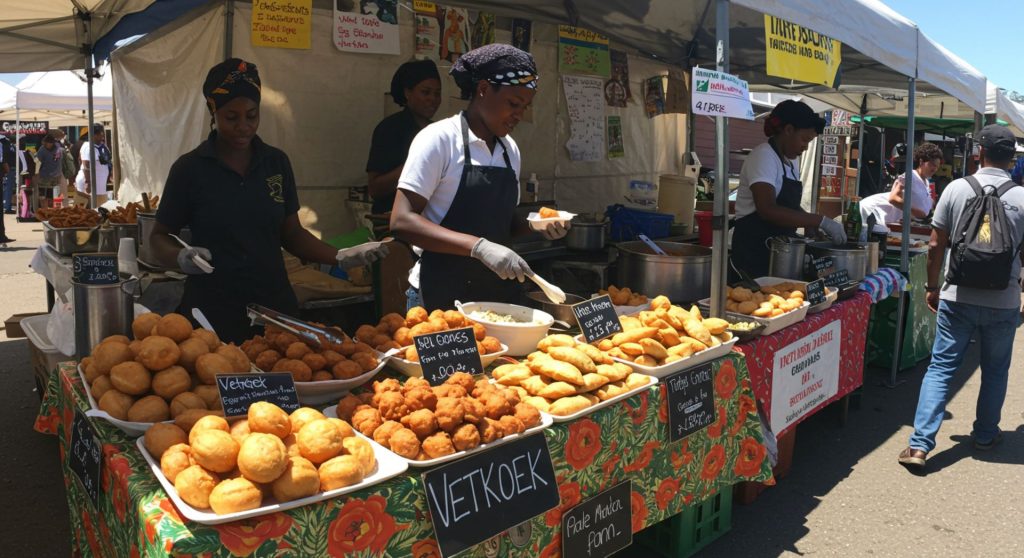
In recent years, South Africa’s culinary scene has undergone a transformation, with innovative chefs pushing the boundaries of traditional flavors and ingredients. South African cuisine is undergoing a renaissance, with an emphasis on sustainability, fusion cuisine, and locally sourced ingredients.
Sustainable Practices
With a growing global focus on sustainability, many South African chefs are championing eco-conscious practices. From foraging wild ingredients to promoting plant-based alternatives, sustainability is at the forefront of South African culinary trends. Many restaurants are focusing on reducing food waste and sourcing meat and produce from local farms that adhere to ethical practices.
Fusion Cuisine
South Africa's melting pot of cultural influences has naturally given rise to fusion cuisine. Chefs are combining elements from various culinary traditions, such as blending traditional African flavors with European techniques, or incorporating Asian spices into South African classics. This modern approach to cooking has made the country’s food scene more dynamic and exciting than ever before.
Profiles of Renowned Chefs and Influential Figures
South African chefs have made their mark both locally and internationally, earning recognition for their innovative approaches to cuisine. One such chef is Miriam Tshabalala, a renowned figure in the South African culinary world known for her work in championing African ingredients and sustainable cooking. Another influential chef is Jan Hendrik van der Westhuizen, who has brought South African fine dining to the global stage, becoming the first South African to earn a Michelin star.
These chefs, among many others, are instrumental in shaping the future of South African food, balancing tradition with innovation and highlighting the rich diversity of the nation’s culinary heritage.
Dining Experiences and Food Festivals
For those looking to experience South Africa’s food culture first-hand, there are several must-visit dining destinations. The Test Kitchen in Cape Town, led by acclaimed chef Luke Dale-Roberts, offers a world-class gastronomic experience, blending local ingredients with cutting-edge techniques. In Johannesburg, Marble is a top contender, offering a menu that celebrates the flavors of South Africa with a focus on flame-grilled dishes.
South Africa also plays host to numerous food festivals throughout the year, such as the South African Cheese Festival and the Cape Town International Food and Wine Festival. These events showcase the country’s best produce and culinary talent, providing an opportunity to indulge in everything from artisanal cheeses to gourmet meals.

South Africa’s culinary scene is a reflection of its diverse cultures, landscapes, and history. From the deeply rooted traditional dishes to the modern innovations of today’s chefs, South African cuisine offers an extraordinary culinary journey. Whether through its rich flavors, bold spices, or the fusion of global influences, South African food is more than just sustenance—it is a vibrant celebration of a nation’s heritage, creativity, and passion. For those willing to embark on this flavorful adventure, the feast for the senses is well worth it.
Ronel Ferreira
Reporting from the frontlines of the South African tourism renaissance. Bridging the gap between regional stories and global audiences through elite narrative strategy.