

South Africa’s coastline stretches over 2,500 kilometers, a tapestry of cliffs, beaches, and rolling dunes that invite exploration at a pace dictated not by the clock, but by the senses. From the lush, verdant curves of the Garden Route to the raw, untamed beauty of the Wild Coast, and the rugged charm of the Cape West Coast, each journey offers a distinctive rhythm, a unique flavour of the land and its people. These coastal drives are more than mere transportation corridors—they are experiences, weaving together adventure, gastronomy, and culture into a rich mosaic that defines South African coastal life.
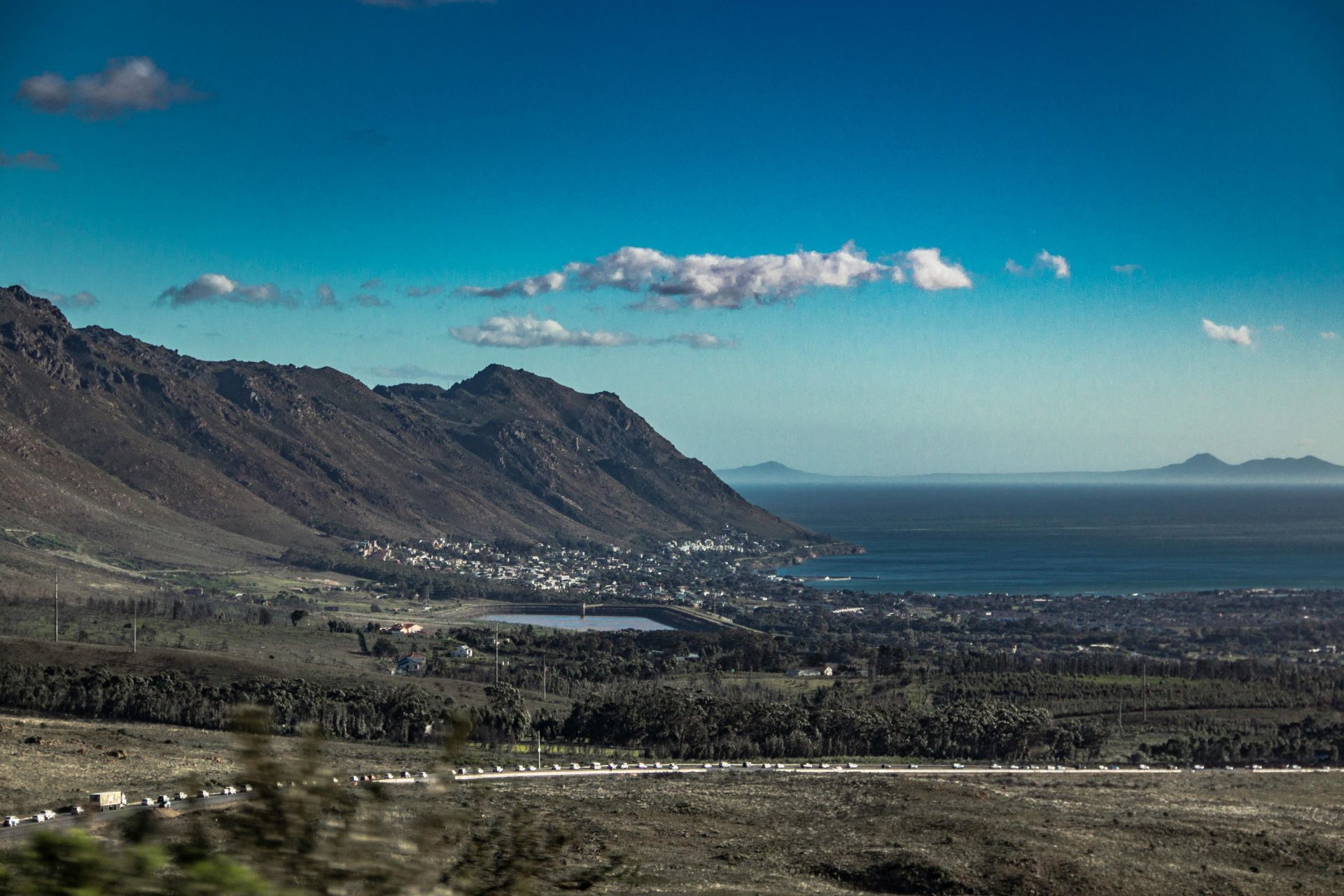
The Garden Route: Where Forest Meets Ocean
The Garden Route is the quintessential South African coastal drive, celebrated for its lush forests, sparkling lagoons, and panoramic ocean vistas. Stretching from Mossel Bay in the Western Cape to Storms River in the Eastern Cape, it offers a series of experiences that blend natural beauty with cultured leisure.
Starting in Mossel Bay, travelers can trace the footsteps of early explorers while enjoying the contemporary charms of boutique restaurants and coastal golf courses. Here, the sea greets the land with a gentle hum, and local seafood markets brimming with freshly caught hake, calamari, and line fish promise indulgence for culinary adventurers.
Moving eastward, Knysna introduces a different tone: estuarine lagoons framed by dense indigenous forests. The town’s iconic Knysna Heads—a pair of sandstone cliffs guarding the harbour entrance—are a dramatic backdrop for kayaking, sailing, or simply absorbing the sight from a cliff-top viewpoint. The nearby forests host trails where hikers may encounter the shy Knysna turaco or the rare blue duiker, each encounter a reminder of the region’s biodiversity. Local markets and artisanal shops celebrate the Garden Route’s creative spirit, offering handcrafted jewellery, ceramics, and gourmet preserves.
Further along, Plettenberg Bay presents a fusion of adventure and relaxation. Golden beaches meet rolling hills, perfect for surfing, whale watching, or exploring the Robberg Nature Reserve. The reserve’s coastal trail demands time and stamina, but rewards with sweeping vistas of the Indian Ocean, hidden coves, and encounters with seals sunbathing on rocky outcrops. Culinary delights abound, from ocean-facing seafood restaurants to vineyards tucked into the hills, offering tastings that celebrate local varietals.
In every stretch of the Garden Route, cultural experiences punctuate the natural splendor. Indigenous heritage, early settler architecture, and contemporary art galleries remind travelers that this journey is not just about landscapes, but about the stories they hold.
The Wild Coast: Untamed Beauty and Cultural Riches
The Wild Coast, an eastern expanse along the Eastern Cape, presents a stark contrast to the manicured landscapes of the Garden Route. Its name evokes the dramatic seascapes and unspoiled beaches that have remained largely untouched by mass tourism. Winding roads cling to cliffs above crashing surf, with small villages nestled in valleys that seem frozen in time. Here, the journey is as much about cultural discovery as it is about the scenery.
Starting near Port St. Johns, the Wild Coast offers a sensory immersion into Xhosa culture. Markets brim with handwoven baskets, beaded jewellery, and wooden carvings, each piece a testament to centuries of tradition. Travelers may encounter local storytellers or witness traditional dances, providing a human dimension to the vast coastal wilderness.
Adventure seekers are drawn to the region’s rugged terrain. Hiking the Hole in the Wall, a natural archway sculpted by the sea, or exploring remote beaches on horseback, connects one to the elemental force of the ocean. Fishing villages like Coffee Bay offer an intimate look at everyday coastal life, where surfboards and fishing nets share the sand, and hospitality is extended with genuine warmth.
Culinary experiences in the Wild Coast lean on local ingredients and traditional recipes. Freshly grilled line fish, served alongside maize-based dishes like umngqusho, reflect a cuisine that is both simple and profoundly rooted in place. Farm stalls offer tropical fruits, freshly picked and bursting with flavor, while small eateries provide a taste of coastal soul food—rich, comforting, and deeply satisfying.
For the culturally curious, the Wild Coast is a living archive. Churches and colonial-era buildings stand alongside ancestral homesteads, narrating a layered history of resilience, adaptation, and creativity. The roads themselves, though sometimes challenging, feel less like conduits for travel and more like invitations to slow down and engage with each moment.
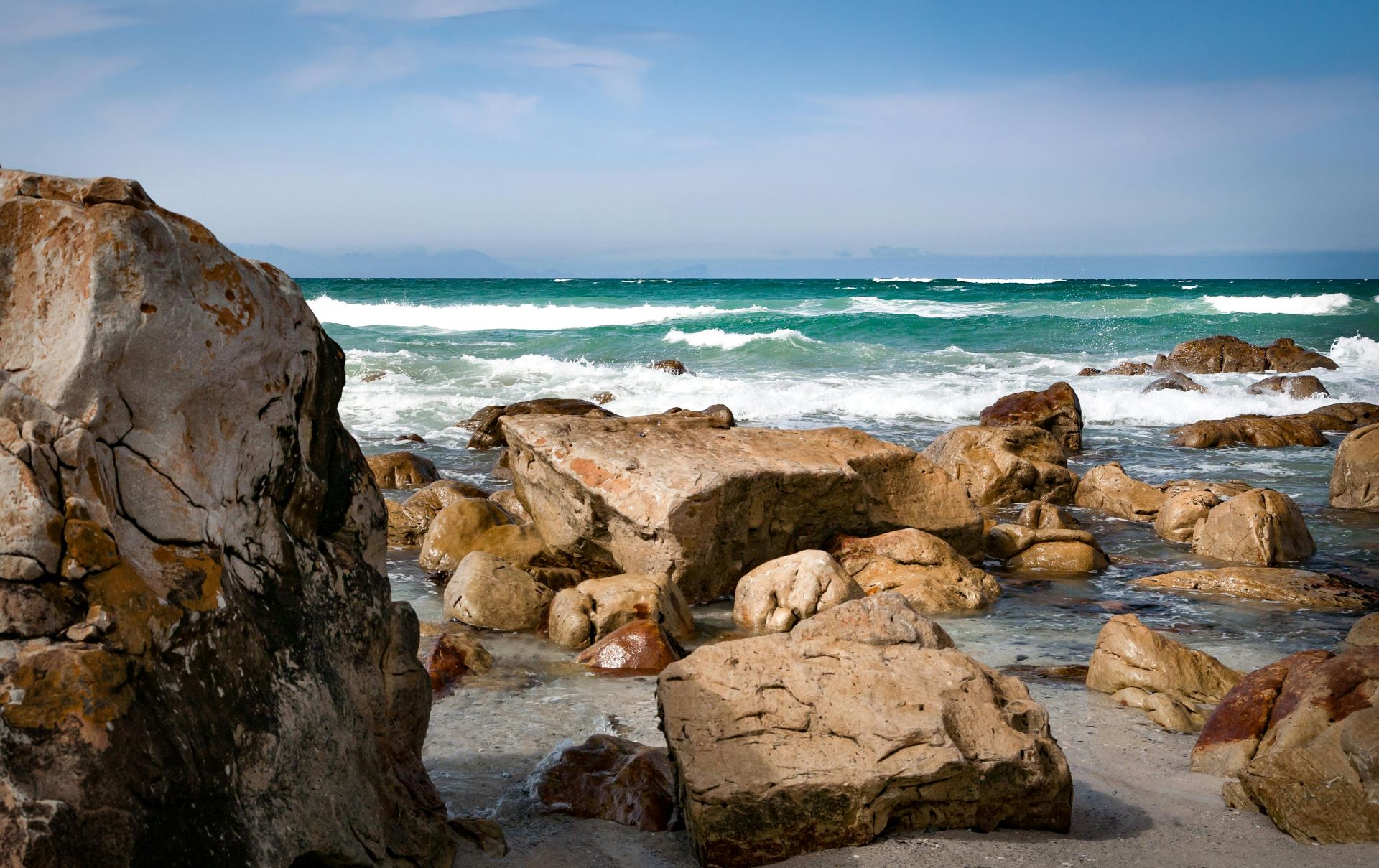
Cape West Coast: Salt, Sand, and Subtle Charm
Traveling north from Cape Town along the Atlantic seaboard, the Cape West Coast presents a subtler, yet equally captivating, coastal experience. Known for its wildflowers in spring, traditional fishing villages, and wind-sculpted beaches, the West Coast offers a quieter rhythm—a place to savour both landscape and lifestyle.
The journey begins near Bloubergstrand, where Table Mountain frames the horizon across a bay renowned for kitesurfing and panoramic sunsets. Continuing north, Langebaan Lagoon presents opportunities for birdwatching, sailing, and kayaking through waters teeming with flamingos, pelicans, and other coastal birdlife. West Coast National Park, with its salt pans and fynbos-covered dunes, rewards travelers with a palette of colors that shift with the seasons—from the delicate pastels of spring blossoms to the stark, luminous tones of mid-winter salt flats.
Small towns punctuate the coastline, each with its own character. Paternoster, with its whitewashed fishermen’s cottages and gourmet seafood restaurants, is both picturesque and authentic. It invites leisurely strolls along sandy streets, exploration of tidal pools, or intimate dining experiences where crayfish, abalone, and line fish take center stage. Local galleries exhibit works inspired by the interplay of ocean and land, while boutique shops offer artisanal crafts and hand-knitted garments, perfect for gifts or keepsakes.
The Cape West Coast is also a region of culinary innovation. Here, seafood is transformed by influences from Cape Malay and European traditions, resulting in menus that balance freshness with creativity. Farmers’ markets showcase local cheeses, preserves, and wines, providing a taste of the coastal hinterland. Cultural events, from art festivals to music gatherings, animate these towns, blending community spirit with the natural allure of the surroundings.
The Interplay of Adventure, Gastronomy, and Culture
Across South Africa’s coastal drives, a recurring theme emerges: the intertwining of adventure, gastronomy, and cultural immersion. Adventure may take the form of hiking coastal cliffs, riding horseback along deserted beaches, or diving into azure waters. Yet, these physical explorations are complemented by culinary journeys—from roadside fish and chips to five-star ocean-facing restaurants that celebrate local produce. Culture, meanwhile, acts as the connective tissue, infusing each stop with stories, heritage, and a sense of place.
Road trips along the coast are defined not merely by the destination, but by the rhythm of travel itself. Each stop encourages sensory engagement: the scent of salt in the air, the sound of waves against cliffs, the taste of freshly caught seafood paired with crisp local wines, and the warmth of encounters with local residents. These journeys cultivate a deeper understanding of South Africa—not just as a tourist destination, but as a living, breathing landscape shaped by history, environment, and community.
Planning the Coastal Road Trip
The appeal of South Africa’s coastal road trips lies in their accessibility and versatility. Travelers may choose to follow the main coastal arteries, taking the N2 along the Garden Route or the R61 along the Wild Coast, or venture onto secondary roads for quieter, more secluded experiences. Accommodation options range from luxury resorts to charming guesthouses, offering comfort without sacrificing authenticity. The best journeys are those that balance structure with spontaneity, allowing time to linger where the scenery, food, or culture calls for it.
Timing is crucial. Spring and early summer bring the wildflowers of the Cape West Coast into full bloom and ensure mild weather along the Garden Route, while whale-watching peaks along the southern coast in winter. Awareness of local festivals and market days can further enrich the experience, connecting travelers to the pulse of the community.
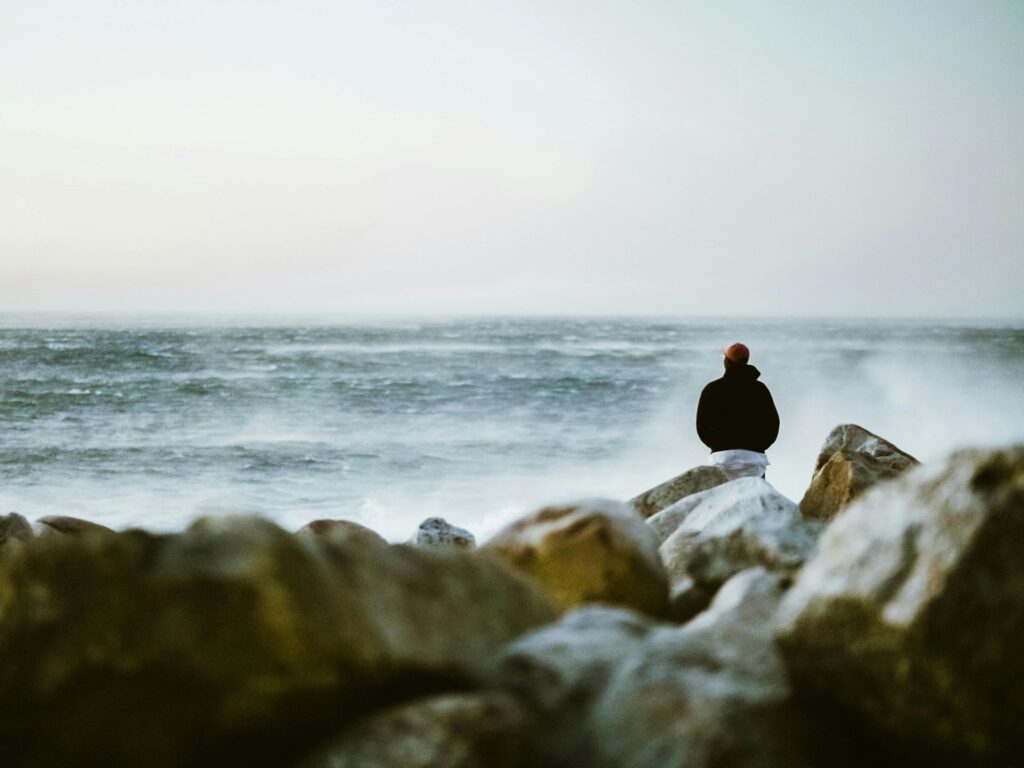
The Lasting Impressions
South Africa’s coastal road trips are more than scenic drives—they are invitations to experience life at the edge of land and sea, where natural beauty, culinary creativity, and cultural heritage converge. Each route, from the curated elegance of the Garden Route to the untamed drama of the Wild Coast, and the understated charm of the Cape West Coast, offers its own narrative. Travelers leave not merely with photographs, but with memories shaped by sensory richness, discovery, and human connection.
In the end, these journeys remind us that the road itself is a storyteller, weaving together vistas, tastes, and encounters into a tapestry that captures the essence of South Africa’s coastline. To embark on a coastal road trip here is to engage with the land, its people, and its rhythm in a way that lingers long after the engine has stopped.
Elisha Roodt
Reporting from the frontlines of the South African tourism renaissance. Bridging the gap between regional stories and global audiences through elite narrative strategy.