

South Africa is a country of contrasts: sweeping savannas, dramatic coastlines, bustling cities, and a cultural tapestry as rich as its landscapes. While visitors often flock to fine dining restaurants or wine estates, the real heartbeat of South African cuisine pulses through its streets. Here, every alleyway, market stall, and roadside stand tells a story—one served on a plate or skewered on a stick, bursting with flavor, history, and community.
Street food in South Africa is not merely a way to fill a hunger; it is a lens into the nation’s soul, reflecting a fusion of indigenous traditions, colonial influences, and the multicultural vibrancy that defines the Rainbow Nation. From Cape Malay curries to Zulu braais, each bite offers a snapshot of South Africa’s diverse culinary heritage.
The Markets That Feed the Nation
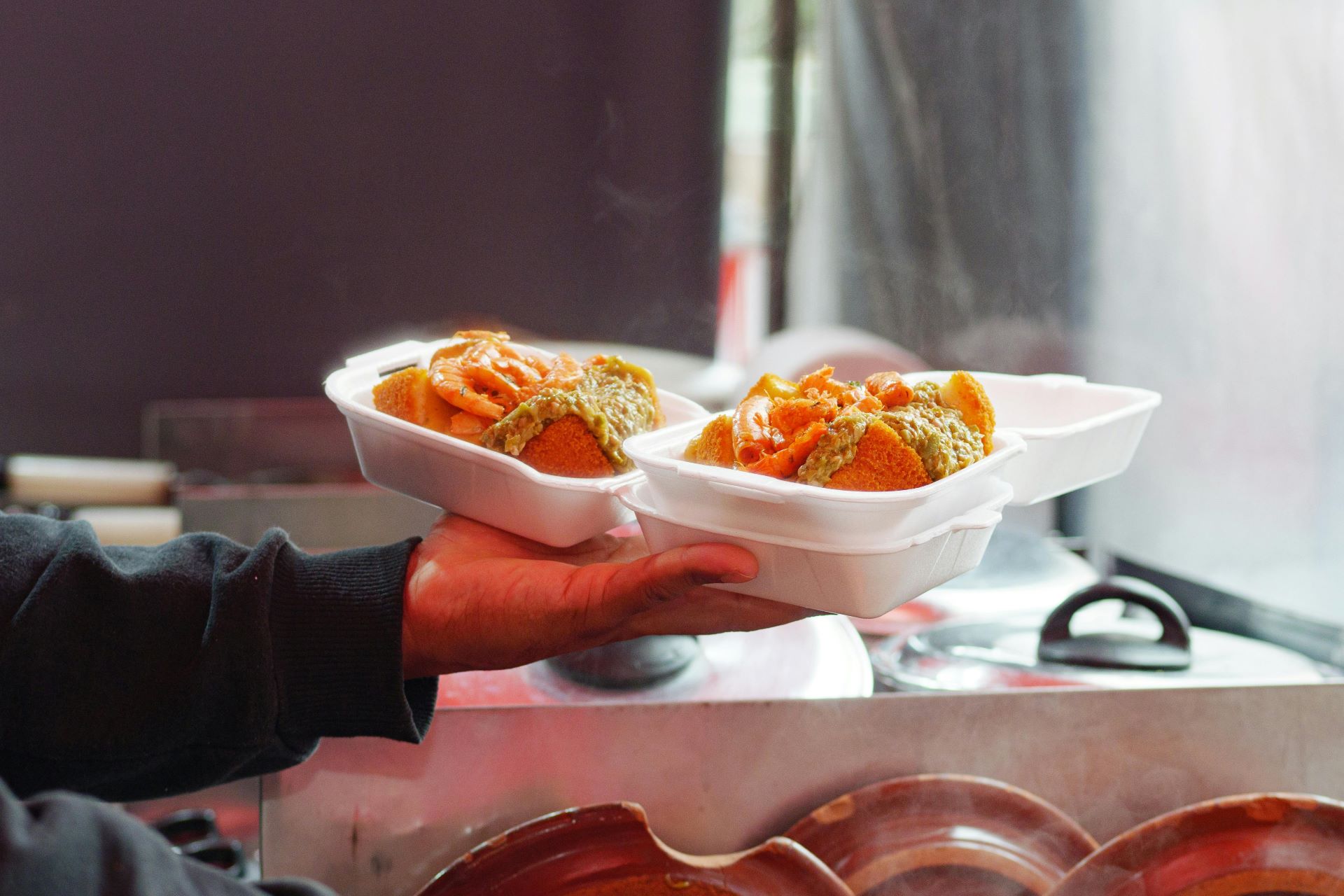
South African markets are far more than shopping hubs—they are social epicenters where locals converge, tourists linger, and flavors collide. In Johannesburg, the Neighbourgoods Market at Braamfontein transforms every Saturday into a melting pot of taste and culture. Here, artisan bakers rub shoulders with sizzling sausage vendors, and the aroma of freshly grilled bunny chow competes with the sweetness of homemade koeksisters. The market is a place to explore, sample, and learn, where each stall has a story and every vendor is a custodian of culinary secrets.
Cape Town’s Old Biscuit Mill offers a slightly different rhythm. Nestled in the heart of Woodstock, the market is known for its gourmet street eats, blending traditional South African flavors with contemporary twists. Try a samosa with a spicy peri-peri twist, or a fresh gatsby—an overstuffed sandwich brimming with fries, sauce, and meat—perfect for those seeking a hearty midday indulgence.
In Durban, the Victoria Street Market is a riot of color, smell, and sound. Indian-inspired dishes dominate here, a legacy of the region’s substantial Indian diaspora. Bunny chow—hollowed-out bread filled with curry—is the star attraction, yet equally compelling are the small stalls selling samoosas, chutneys, and sweet milk tarts, each bite a testament to centuries-old culinary tradition.
Hidden Gems and Legendary Vendors
While markets offer variety, some of South Africa’s most iconic street food experiences are tucked away in unassuming corners. In Cape Town, the humble “fish and chips” van near Kalk Bay has been serving the freshest catches for decades. Locals swear by the crisp batter and flaky fish, paired with a tangy homemade tartar sauce. The experience is informal, almost clandestine, yet deeply authentic—a true taste of the coastal culinary ethos.
Johannesburg boasts another secret: the Pretoria-style braai stalls hidden along bustling streets. Here, smoky aromas of boerewors—coiled, seasoned sausages—permeate the air. Vendors carve portions for hungry commuters, often accompanied by pap, a staple maize porridge, and a spicy tomato relish. It’s casual dining at its best: no menus, no reservations, just food that commands respect for its flavor and heritage.
In smaller towns and rural areas, the street food scene becomes even more intimate. Durbanville farmers’ corners, Soweto’s vibrant street corners, and Port Elizabeth’s beachfront vendors showcase dishes deeply rooted in local culture. Corn fritters, grilled sosaties (skewers), and milk tartlets appear alongside improvised delicacies like chakalaka, a spicy vegetable relish that defines South African home cooking.
Must-Try South African Street Dishes
Street food in South Africa is as diverse as the country itself. Each region brings its own specialties, some famed nationwide, others treasured locally.
Bunny Chow: Originating in Durban, this hollowed-out loaf of bread filled with curry exemplifies resourcefulness and flavor. The curry is often intensely spiced, and eating it by hand adds a tactile, immersive experience.
Boerewors Roll: The South African sausage takes center stage in countless street setups. Served in a fresh roll with caramelized onions and tangy sauces, it’s a portable taste of tradition.
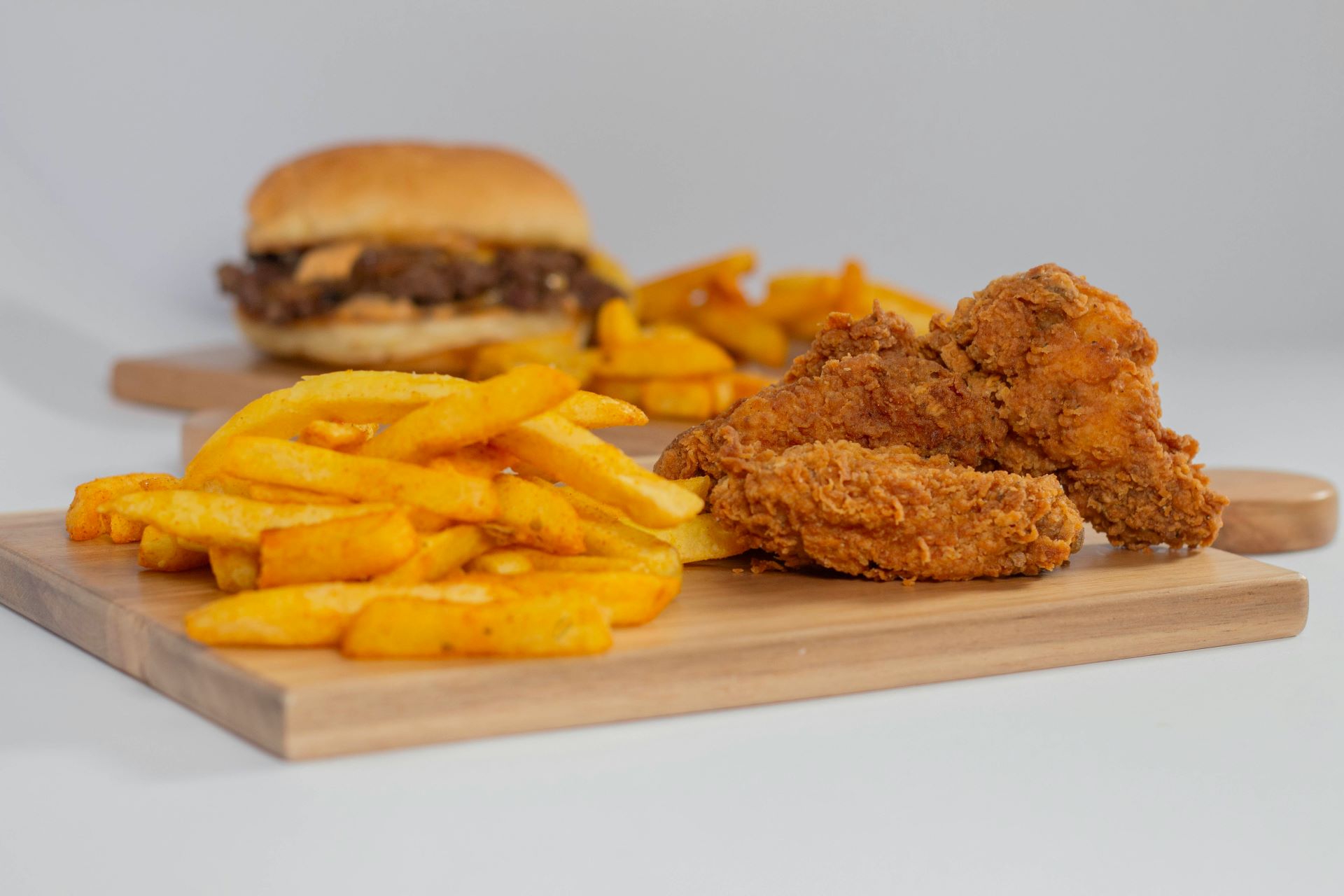
Gatsby: A Cape Town invention, the gatsby is a long sandwich overloaded with fries, meats, salad, and sauces. Often shared among friends, it embodies indulgence and communal eating.
Koeksisters: A sweet counterpoint, these syrup-soaked twisted pastries are crunchy, sticky, and irresistibly sweet. Originating from the Cape Malay community, koeksisters pair perfectly with afternoon tea or a stroll through a market.
Samoosas: Thanks to Indian influences, these triangular pastries stuffed with curried meat or vegetables are ubiquitous in Durban and Johannesburg. Spiced just right, they provide a crisp, savory snack that transcends meals.
Pap and Chakalaka: Often eaten alongside grilled meats, pap is a soft, maize-based staple. Combined with chakalaka, it forms a hearty, spicy side that carries the flavors of home cooking to the street.
The Culture Beyond the Food
Eating street food in South Africa is not simply about taste—it’s an encounter with culture. Vendors are often custodians of local stories, proud to share family recipes, cooking techniques, and personal anecdotes. Tourists engaging with these vendors gain insights into the rhythms of everyday life, forging connections that extend beyond a mere transaction.
Markets and streetscapes also reflect social dynamics, where community, commerce, and creativity collide. Music, art, and dance frequently accompany food stalls, transforming the act of eating into a multisensory experience. For travelers, this makes South African street food not just a culinary adventure but an immersion into the nation’s living culture.
Planning Your Street Food Tour
For travelers seeking to navigate this rich culinary landscape, timing, curiosity, and courage are key. Weekends are prime for market hopping, while weekday evenings often reveal hidden braai stalls and spontaneous food setups. Embrace local customs: ordering politely, trying new flavors without prejudice, and sharing dishes with friends or fellow explorers enhances the experience.
Maps can guide you to major hubs, but some of the most memorable bites are found by wandering off the beaten path. In the small streets of Soweto, the quiet corners of Durbanville, or the overlooked lanes of Cape Town, the next extraordinary flavor could be waiting just around the corner.
Jabulani
Reporting from the frontlines of the South African tourism renaissance. Bridging the gap between regional stories and global audiences through elite narrative strategy.