

South Africa’s coastline stretches over 2,500 kilometres, embracing both the warm Indian Ocean and the cooler Atlantic waters. This rich maritime tapestry fosters an extraordinary diversity of marine life, making the country a hotspot for ocean lovers and wildlife enthusiasts alike. From the majestic migrations of whales to the playful acrobatics of dolphins, South Africa’s coastal waters offer encounters with nature that are both inspiring and humbling. Beyond these iconic marine mammals, the underwater world is teeming with fascinating species, intricate ecosystems, and vibrant coral reefs that paint a complex picture of life beneath the waves.
The Coastal Geography That Shapes Marine Life
Understanding South Africa’s marine life begins with its geography. The western coastline, dominated by the cold Benguela Current, is characterized by nutrient-rich waters that support prolific fish stocks and an array of seabirds. In contrast, the eastern coast, warmed by the Agulhas Current flowing down from the equator, nurtures tropical and subtropical species, including vibrant coral reefs, sea turtles, and a variety of fish unique to the region.
These contrasting oceanographic conditions create a natural laboratory where diverse ecosystems flourish side by side. This unique blend makes South Africa’s marine environments incredibly dynamic, providing habitats that support species ranging from tiny plankton to the world’s largest mammals.
Whale Watching: Giants of the Ocean on South African Shores
Whale watching is arguably the crown jewel of South Africa’s marine tourism, drawing visitors from around the world to witness some of the most extraordinary migrations on Earth. The iconic southern right whale, in particular, has become synonymous with South African coastal waters. Every year from June to November, these gentle giants migrate from the cold Southern Ocean to the sheltered bays along the southern coast to breed, calve, and nurse their young.
Hermanus, a small town along the Western Cape, has gained international acclaim as one of the best land-based whale watching locations globally. Visitors flock to its cliffs, lured by the prospect of seeing whales breach and tail-slap just metres from the shore. The accessibility and frequency of sightings here are unmatched, turning whale watching into an accessible and awe-inspiring spectacle.
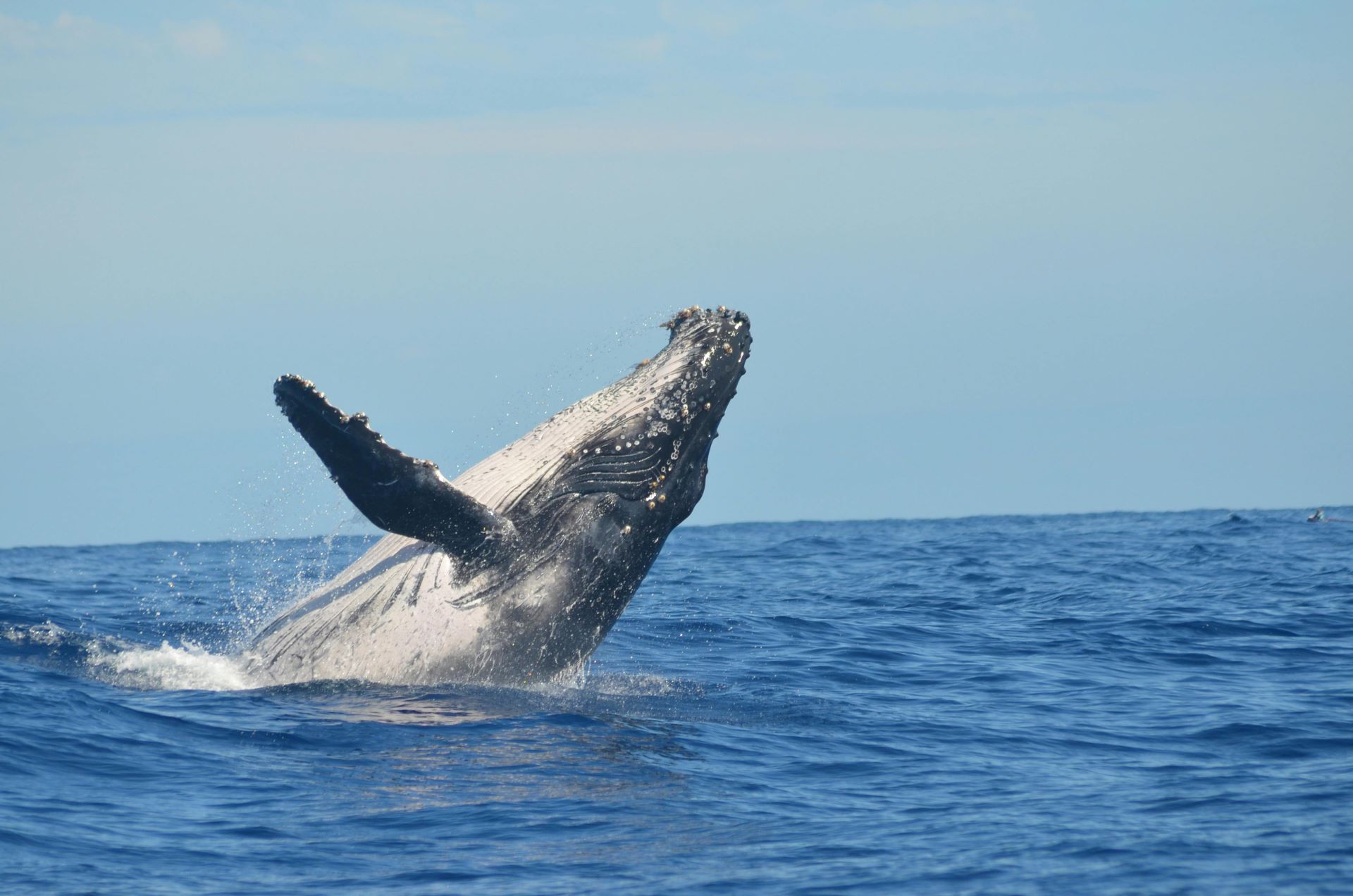
Apart from the southern right whale, humpback whales also make seasonal appearances along the coast. These agile and acrobatic mammals often put on dazzling displays of breaching and tail slapping, captivating audiences on boat tours off KwaZulu-Natal and the Eastern Cape. The presence of these whales underscores the region’s importance as a migratory corridor and calving ground for various species.
Dolphins: The Playful Ambassadors of the Sea
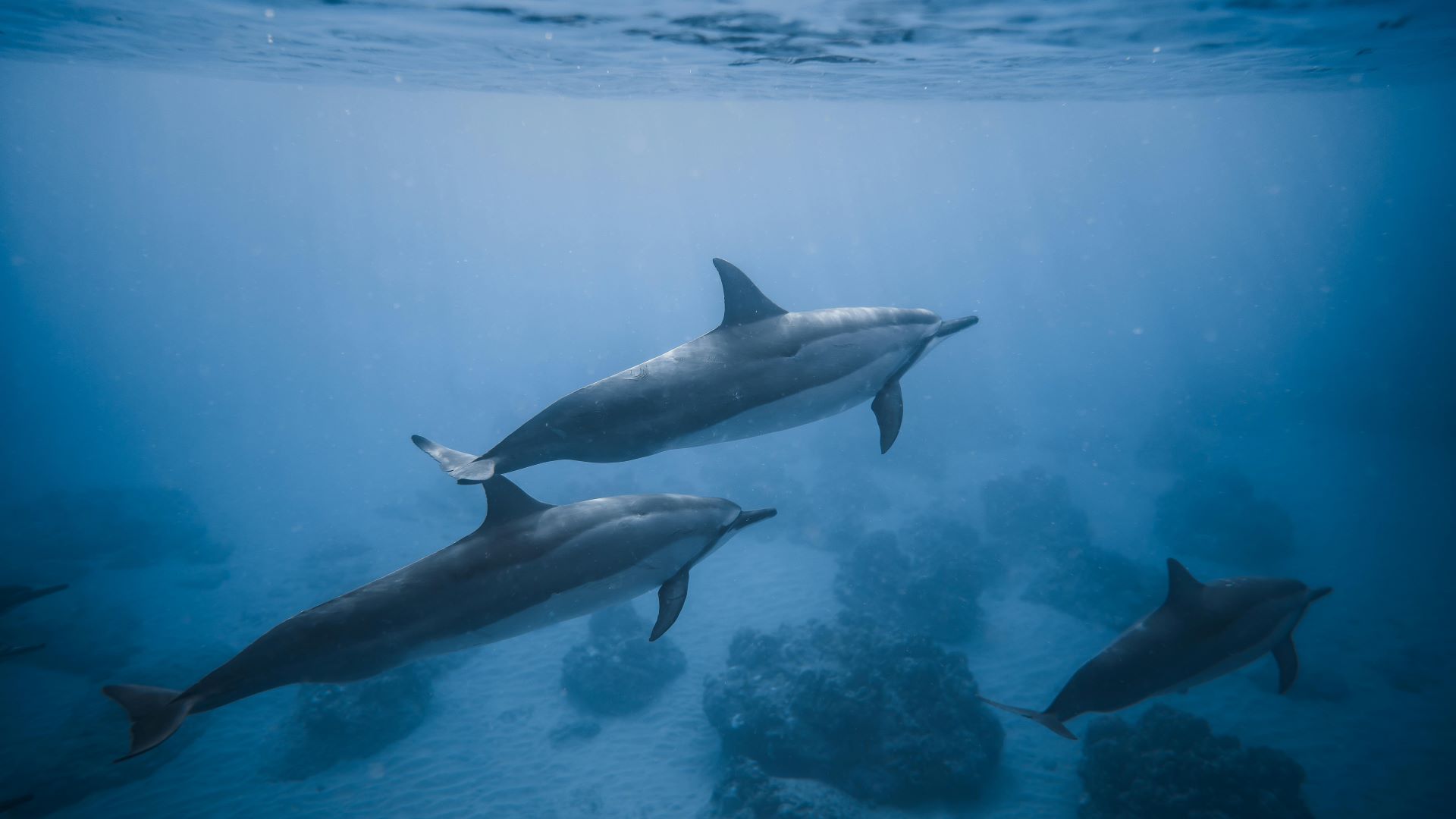
While whales draw awe with their sheer size and majestic presence, dolphins captivate with their intelligence, agility, and social behaviour. South Africa’s coastal waters are home to several dolphin species, including the common bottlenose dolphin, the dusky dolphin, and the Indo-Pacific humpback dolphin.
Bottlenose dolphins, well-known for their curious and playful nature, are a frequent sight along the coast, especially around Cape Town and the Garden Route. Their sleek bodies cutting through the water and energetic leaps often delight both casual beachgoers and serious marine watchers.
Dusky dolphins, famed for their acrobatic leaps and spins, are most commonly found along the southern and eastern coasts. Their energetic group behaviour and spectacular aerial displays make them one of the most photogenic marine mammals in South Africa.
The shy and elusive Indo-Pacific humpback dolphins are less frequently spotted but inhabit the warmer waters along the east coast. Their distinctive pinkish hue and gentle nature make encounters with them particularly special for those lucky enough to glimpse these secretive creatures.
Dolphin watching tours, often conducted from small boats, offer intimate experiences where visitors can observe pods hunting, socialising, and riding waves. These tours not only entertain but also educate about the critical roles dolphins play in maintaining the health of marine ecosystems.
The Richness Beneath: Beyond Whales and Dolphins
South Africa’s coastal allure extends far beyond its charismatic megafauna. The underwater realm hosts an astonishing diversity of life, much of which remains hidden from casual observers but is no less fascinating.
The southern coastlines are renowned for their kelp forests—underwater forests of giant seaweed that provide shelter and food for a multitude of marine species. These kelp ecosystems support fish such as the hottentot and roman, invertebrates including sea urchins and abalone, and predators like the shy but intriguing Cape fur seal.
Coral reefs, though less extensive than in tropical regions, dot parts of the subtropical east coast. These reefs act as biodiversity hotspots where colourful reef fish, moray eels, and a myriad of crustaceans find refuge. Diving enthusiasts are drawn to sites such as Sodwana Bay, where underwater visibility and coral cover combine to create one of the country’s premier dive destinations.
Rocky shores along the coast reveal a world of intertidal life where barnacles, limpets, and anemones cling to the surfaces, enduring the ebb and flow of tides. Tide pools here become miniature ecosystems where small fish, crabs, and starfish compete and survive.
Conservation and Sustainable Tourism
With the increasing popularity of marine-based activities, conservation has become a pivotal part of South Africa’s approach to protecting its coastal biodiversity. Several marine protected areas (MPAs), such as the Tsitsikamma and Table Mountain National Park Marine Protected Areas, regulate human activity to preserve critical habitats and species.
Responsible whale and dolphin watching operators adhere to strict guidelines to minimise disturbance to these animals, ensuring that their natural behaviours are not disrupted. This approach balances tourism’s economic benefits with the imperative of maintaining healthy marine ecosystems.
Local conservation organisations and research institutions work tirelessly to monitor marine populations, study behavioural patterns, and educate the public. Their efforts not only contribute to scientific understanding but also foster community stewardship of marine resources.
Experiencing South Africa’s Marine Life: Tips for Visitors
For those planning to explore South Africa’s coastal marine life, timing and location are crucial to maximise the experience. Whale watching is best from June to November, with Hermanus, Plettenberg Bay, and False Bay offering prime viewing opportunities.
Dolphin sightings are more year-round but peak during the warmer months when these mammals are more active near shorelines. Boat tours from the Garden Route and KwaZulu-Natal provide closer encounters, while snorkelling and diving around Sodwana Bay reveal the intricate underwater world.
Visitors should prioritise operators who follow ethical wildlife tourism practices, contributing to conservation efforts and respecting animal welfare. Dressing appropriately for coastal weather and sea conditions enhances comfort during tours, and bringing binoculars and cameras helps capture memorable moments.
The Broader Importance of South African Coastal Marine Life
The marine life along South Africa’s coast is not just a spectacle for visitors—it holds immense ecological, economic, and cultural value. These waters support fisheries that provide livelihoods to coastal communities, contribute to food security, and sustain industries such as tourism and recreation.
Ecologically, the interactions among species—from microscopic plankton to apex predators—maintain the balance necessary for healthy oceans. The presence of charismatic animals like whales and dolphins also inspires conservation awareness globally, placing South Africa on the map as a leader in marine biodiversity protection.
Culturally, the sea has shaped the identity and traditions of coastal peoples for centuries. Stories, myths, and practices linked to the ocean continue to enrich the social fabric, connecting modern generations with their maritime heritage.
South Africa’s coastal marine life offers a compelling blend of awe-inspiring wildlife, vibrant ecosystems, and vital environmental significance. Whether standing on the cliffs watching whales breach, sailing alongside a pod of dolphins, or diving into colourful coral reefs, every encounter invites a deeper appreciation for the ocean’s wonders and the urgent need to protect them for future generations.
Elisha Roodt
Reporting from the frontlines of the South African tourism renaissance. Bridging the gap between regional stories and global audiences through elite narrative strategy.