

South Africa is a nation of contrasts—landscapes stretch from rolling vineyards to windswept coastlines, and cultures converge in a vibrant tapestry that is reflected most vividly in its cuisine. Culinary tourism in South Africa is more than tasting food; it is an immersion into history, culture, and community. From elegant wine estates to the smoky warmth of a traditional braai, from bustling street markets to coastal seafood feasts, South Africa offers flavours as diverse as its people. This journey through food reveals the soul of the country, one taste at a time.
Savoring the Vine: South Africa’s Wine Regions
The Cape Winelands are the beating heart of South Africa’s viticultural heritage. Stellenbosch, Franschhoek, and Paarl are not merely regions for tasting wine; they are immersive experiences where history, landscape, and gastronomy intertwine.
Stellenbosch, established in 1679, is South Africa’s oldest wine region and carries a legacy of elegance and refinement. Here, sprawling estates lined with oak trees offer tastings of bold Cabernet Sauvignon, silky Merlot, and complex Chenin Blanc. Beyond the wine itself, these estates often feature art galleries, historic buildings, and gardens, making the experience multi-dimensional.
Franschhoek, whose name pays homage to the French Huguenot settlers, is synonymous with fine dining. Culinary tours often combine wine tastings with masterclasses, where sommeliers explain terroir, fermentation, and food pairing. Guests might enjoy a slow-cooked lamb shank alongside a full-bodied Shiraz, or a fresh seafood platter with crisp Sauvignon Blanc, all while learning the history behind each vineyard.
Paarl presents a contrasting experience: a more rustic, earthy approach to wine that emphasizes hearty farm-to-table meals alongside its signature Shiraz, Chardonnay, and Pinotage. Wine enthusiasts here may explore smaller, boutique wineries, where intimate tastings are paired with local cheeses, chocolates, and olive oils.
These regions are not limited to wine. Many culinary tours incorporate artisan chocolate workshops, cheese-making classes, and olive farm visits, creating a rich sensory journey that deepens appreciation for the South African terroir. Wine tourism in the Cape is as much about culture and lifestyle as it is about taste, and it offers a perfect gateway to understanding the country’s history and traditions.
The Braai: A Culinary Ritual
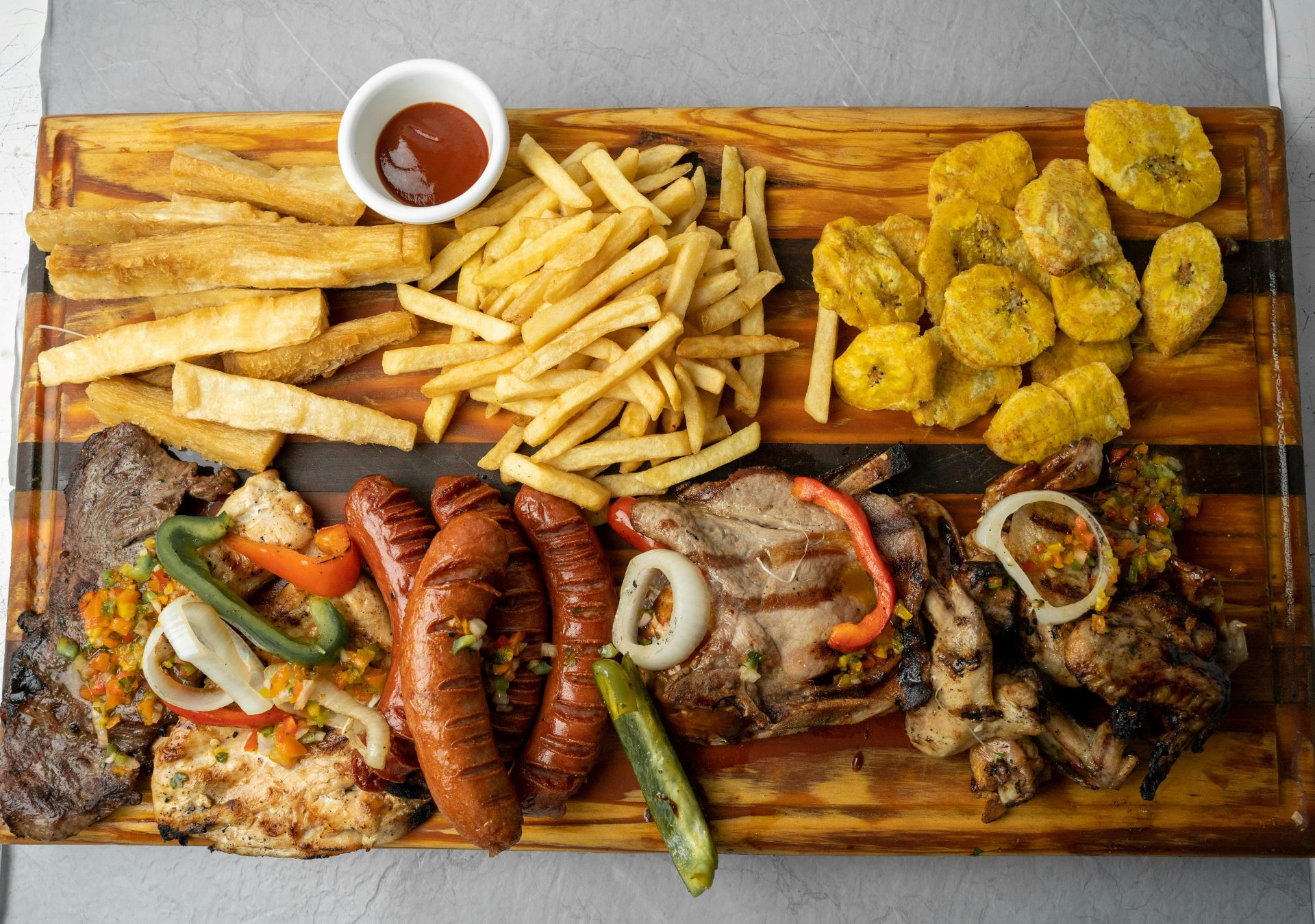
The braai is more than a barbecue—it is a national institution. Across South Africa, from suburban backyards to rural homesteads, the crackle of wood and charcoal signals a gathering of friends and family, united by the simple joy of food cooked over fire.
Boerewors, a coiled sausage of beef, pork, and spices, is central to the braai, but it is never alone. Sosaties—marinated meat skewers—lamb chops, chicken wings, and even seafood often accompany it. The flavours are enhanced by marinades and spice rubs unique to each household, reflecting both regional and personal taste.
Culinary tours centered on braais offer visitors hands-on experiences. Tourists learn to light fires without accelerants, achieve the perfect char, and balance smoky flavours with marinades. Often, these experiences are paired with craft beers or a robust Pinotage, elevating the humble braai to a gourmet encounter.
In coastal areas, the braai can take on local twists: freshly caught snoek or linefish smoked over indigenous woods, served with seasonal vegetables. Each braai is an intimate social experience, a chance to taste not only South African food but also its sense of community and hospitality.
Streets Alive with Flavours: South Africa’s Street Food
South Africa’s cities pulse with vibrant street food culture. Markets in Johannesburg, Cape Town, and Durban are arenas of creativity where chefs blend Indian, Malay, Dutch, and indigenous influences into dishes that tell the story of the nation’s multicultural identity.
In Johannesburg, the Neighbourgoods Market has become iconic. Weekends bring throngs of visitors sampling artisan breads, gourmet burgers, fusion dishes, and sweet treats. The market celebrates both tradition and innovation: traditional bunny chow—a hollowed-out loaf filled with curry—shares space with inventive desserts and craft beverages.
Cape Town’s Old Biscuit Mill combines a farmer’s market with cutting-edge culinary experiments. Here, chefs often introduce fusion dishes that marry local ingredients with international techniques, creating a dining experience that is both rooted and progressive. The aromas of freshly baked bread, roasting coffee beans, and spicy curries create a tapestry of sensory delight.
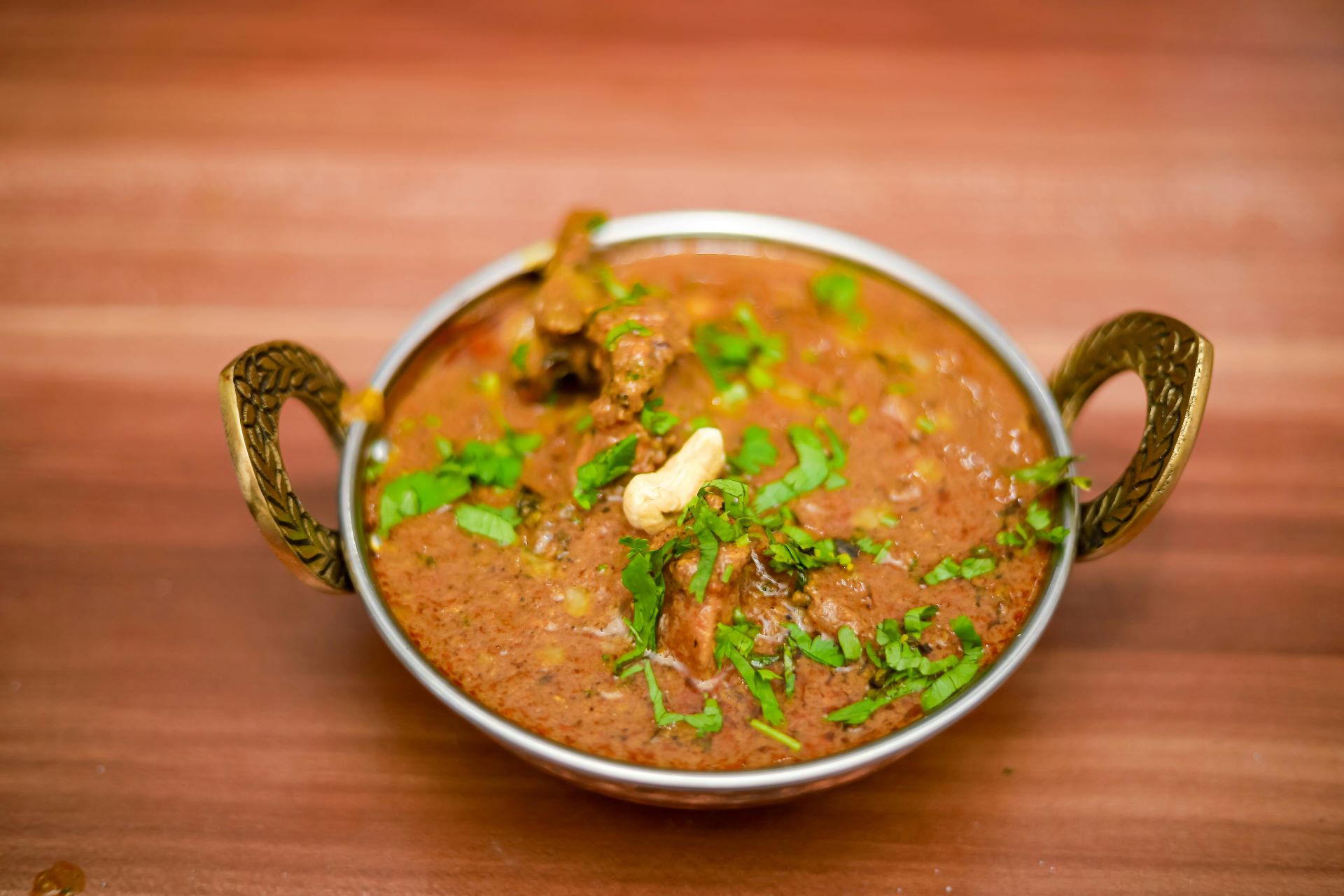
Durban, known for its rich Indian heritage, offers culinary adventures that are both spicy and sweet. The Victoria Street Market overflows with curries, samosas, chutneys, and sweet treats, capturing the essence of Durban’s Indian-influenced gastronomy. Chakalaka—a spicy vegetable relish—and bunny chow are local favourites, reflecting the city’s creative spirit and cultural diversity.
Coastal Cuisine: Fresh from the Sea
South Africa’s coastline stretches over 2,500 kilometres, offering endless inspiration for seafood cuisine. The West Coast is renowned for abalone farms, mussel and oyster cultivation, and line-caught fish that find their way into both simple and sophisticated dishes.
Knysna, famous for its oysters, offers tasting tours at local oyster farms where visitors learn about sustainable harvesting while sampling the freshest seafood. Cape Town’s V&A Waterfront combines luxury dining with breathtaking views of Table Mountain, providing a perfect backdrop for seafood platters featuring crayfish, calamari, and locally sourced linefish.
In smaller coastal towns, culinary experiences are more intimate. Simple dishes like snoek braaied over open flames or grilled fish with lemon and local herbs capture the essence of the sea. Paired with South African white wine or a crisp craft beer, these meals exemplify the country’s coastal culinary identity: fresh, flavourful, and deeply connected to place.
Indigenous Ingredients and Modern Innovation
South African cuisine is rooted in indigenous ingredients that have nourished communities for centuries. Maize, sorghum, beans, wild herbs, and indigenous fruits form the backbone of traditional dishes, while modern chefs are reinterpreting them with contemporary flair.
Farm tours and culinary workshops often include hands-on experiences with these ingredients. Visitors may prepare traditional dishes such as pap—a maize porridge often served with tomato and onion relish—or bobotie, a Cape Malay dish of curried minced meat baked with an egg-based topping.
Bushveld culinary experiences introduce game meat such as springbok, kudu, and ostrich, prepared in traditional ways and often paired with locally brewed sorghum beer. Urban chefs, meanwhile, embrace fusion, blending indigenous ingredients with international techniques to create dishes that are visually striking and richly flavoured. The result is a cuisine that honours tradition while embracing creativity.

The Coffee Culture: South African Cafés and Artisan Roasters
Coffee culture in South Africa has grown exponentially, with independent cafés and artisan roasters leading the charge. Cape Town, Johannesburg, and Durban boast vibrant café scenes where quality coffee, locally roasted beans, and innovative brewing techniques are celebrated.
Culinary tourists can explore café tours, visiting micro-roasteries where the coffee-making process—from bean selection to brewing—is demonstrated. Specialty coffees, paired with baked goods or small plates featuring local ingredients, provide a sensory journey that complements the broader culinary experience of South Africa. Coffee culture also intersects with community, as cafés often showcase local artists and host events that celebrate culture beyond cuisine.
Festivals and Food Events: A Celebration of Flavour
South Africa’s culinary calendar is packed with festivals and events that celebrate both tradition and innovation. The Knysna Oyster Festival is a highlight, attracting seafood enthusiasts for tastings, cooking demonstrations, and seafood feasts set against the stunning Knysna Lagoon.
The Cape Town Street Food Festival showcases urban creativity, with food trucks, pop-up eateries, and interactive cooking sessions. Durban’s Curry Festival celebrates the city’s Indian heritage, bringing together chefs, families, and tourists to explore the depth and diversity of flavours that define local cuisine.
Food festivals offer tourists the chance to engage directly with chefs and producers, participate in workshops, and taste dishes that may not be available elsewhere. These events capture the celebratory spirit of South African food culture—communal, vibrant, and full of life.
Culinary Classes and Farm-to-Table Experiences
For visitors who want to move beyond tasting, culinary classes and farm-to-table experiences provide deeper engagement. Farms across the Western Cape, KwaZulu-Natal, and the Eastern Cape offer workshops where guests can harvest ingredients, prepare dishes, and enjoy meals in natural settings.
Chefs lead classes in making traditional dishes, from malva pudding to Cape Malay curries. Tourists may gather eggs from farmyards, pick herbs, or crush spices, immersing themselves in the rhythms of rural life. These experiences highlight South Africa’s commitment to sustainability, local sourcing, and preserving culinary heritage while fostering a connection between land and table.
A Food Journey Through South Africa’s Provinces
Each province has a distinctive culinary identity:
Traveling through South Africa’s provinces offers a kaleidoscope of culinary experiences, where each region contributes its unique flavours, techniques, and ingredients to the national table.
Tasting Tours and Pairings: Wines, Beers, and Spirits
Culinary tourism extends beyond food to beverages. Wine tours, craft beer trails, and spirit distilleries provide opportunities for pairing local drinks with regional cuisines. From Pinotage in Stellenbosch to locally brewed craft beers in Durban, tastings are often guided by experts who explain flavour profiles and food pairing techniques.
Traditional sorghum beer and Cape brandies are integral to certain cultural experiences, connecting tourists to both history and heritage. Beverage tours complement food experiences, providing insight into South Africa’s agricultural diversity and the creativity of its producers.
Planning Your Culinary Adventure: Tips for Tourists
To truly experience South African cuisine, tourists should plan thoughtfully. Combining wine estates with street food markets, coastal seafood tours, and inland culinary workshops ensures a comprehensive journey. Participating in cooking classes, visiting farms, and attending food festivals enhances understanding and appreciation of the country’s gastronomic landscape.
Local guides often provide insights into hidden gems, small-town eateries, and family-run establishments that tourists might otherwise miss. Respecting traditions, engaging with chefs and producers, and embracing regional diversity ensures a richer, more immersive culinary journey.
A Nation Experienced Through Food
South Africa is a country best experienced through its flavours. Culinary tourism offers a lens into the nation’s history, culture, and diversity. From vineyards to braais, street food markets to coastal feasts, every bite tells a story. Whether a wine enthusiast, seafood lover, or adventurous foodie, South Africa promises a gastronomic journey that is immersive, memorable, and deeply reflective of the country’s vibrant soul.
In South Africa, food is more than sustenance—it is culture, community, and celebration. Exploring it through culinary tours allows visitors to taste not only the dishes but the spirit of the nation itself. Each province, each market, each braai contributes to a collective story that is as rich and diverse as the land itself. For those who embark on this journey, South Africa through food is an experience that lingers long after the last bite.
Mandla Ndlovu
Reporting from the frontlines of the South African tourism renaissance. Bridging the gap between regional stories and global audiences through elite narrative strategy.