

South Africa, with its iconic wildlife safaris, sun-kissed beaches, and vibrant cities, is often defined by the well-trodden paths of the Garden Route, Kruger National Park, and Cape Town’s Table Mountain. Yet, beyond these celebrated destinations lies an undercurrent of the unexpected, a collection of experiences that defy the conventional, inviting the adventurous traveler to explore the country’s more obscure corners. From eerie ghost towns to secretive natural phenomena, South Africa’s unusual attractions reveal a layer of the nation rarely seen in glossy travel brochures.
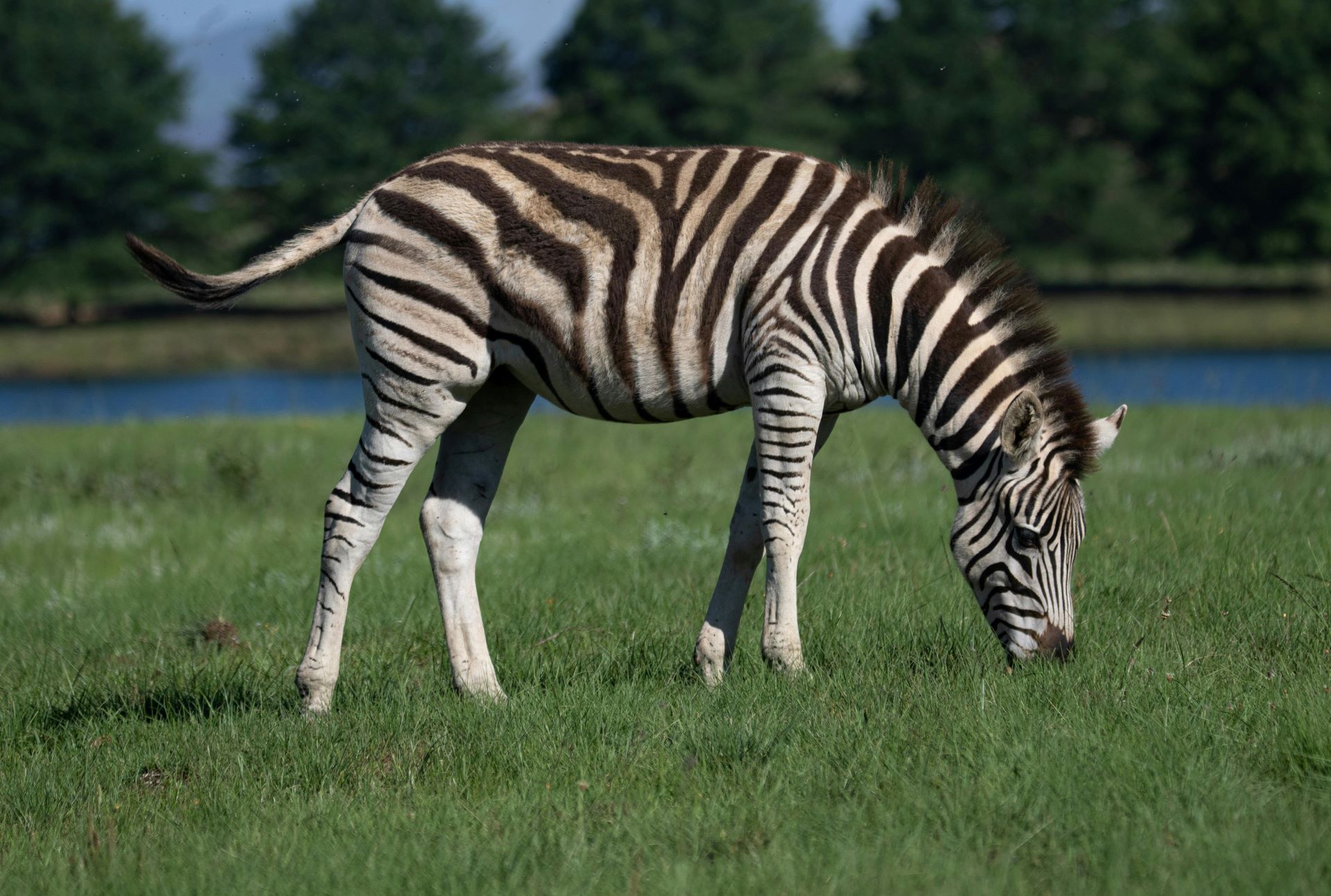
The Enigmatic Giants of the Karoo
Vast, arid, and whispering with history, the Karoo is not merely a backdrop for wide horizons—it is a realm of quiet wonders. One of its most captivating oddities is the Valley of Desolation near Graaff-Reinet, where dramatic dolerite cliffs rise like colossal sentinels over the plains below. While popular among photography enthusiasts, its raw, almost surreal landscape remains largely untouched by mass tourism, offering a sense of contemplative isolation that feels otherworldly. The Karoo is also home to quirky attractions such as the Camdeboo National Park’s fossil sites, where traces of prehistoric life hint at a time when this now-barren region teemed with creatures that defy imagination. For those willing to travel the dusty roads, the Karoo reveals itself as a museum of both natural history and human ingenuity, where small towns host curious museums and unexpected art installations amid the stark beauty of the desert.
The Ghosts of Kimberley’s Diamond Rush
Kimberley, famed for its colossal Big Hole, is a city where history clings to every brick. Beyond the well-documented mining history lies a labyrinth of ghostly stories and forgotten corners. The old mining compounds, some abandoned and others preserved as museums, evoke a sense of life frozen in time, with relics of the diamond rush era scattered across dusty streets. Venture slightly off the main roads and one may encounter the neglected cemeteries of mining pioneers or the eerily quiet rows of houses built for workers, silent witnesses to a bygone age. This side of Kimberley is not merely for the history buff—it is a tangible immersion into human ambition and its often harsh consequences, a reflection of South Africa’s layered past hidden just beyond the map.
The Whispering Sand Dunes of Sossuskopie
While the Namib Desert in Namibia often takes the limelight for its ethereal dunes, South Africa offers a lesser-known but equally enchanting experience in the form of the Sand River Dunes near Nieuwoudtville. These dunes, composed of a rare white quartz sand, shift silently in the wind, creating landscapes that change daily. The area is renowned for its unique botanical diversity, particularly during the spring wildflower bloom, when the dunes juxtapose starkly against fields of vivid color. Few travelers discover this gem, yet those who do find themselves enveloped in a profound quietude, as if the world has temporarily ceased to exist. For photographers and dreamers alike, the dunes present a canvas of infinite potential, where solitude is as much a feature of the landscape as the sand itself.
The Underwater Forests of Knysna
Along the verdant Garden Route, Knysna is often celebrated for its lagoon and indigenous forests. Yet beneath the tranquil waters of its estuary lies a less visible, enigmatic attraction: the submerged forests of ancient trees. These trees, preserved under the water’s surface for centuries, form a labyrinthine ecosystem that invites divers and snorkelers into a shadowy, almost spectral world. Exploring the estuary at low tide offers glimpses of these hidden giants, their skeletal remains a testament to the interplay of time and water, a hauntingly beautiful reminder that nature’s most striking spectacles are sometimes hidden beneath the surface.
The Deserted Ruins of Old Uitenhage
In the Eastern Cape, the town of Old Uitenhage houses architectural oddities and ruins largely forgotten by modern tourism. The remnants of early colonial settlements, including crumbling mission stations and abandoned farmhouses, present a silent narrative of settlement, struggle, and resilience. Unlike other heritage sites polished for visitor consumption, these ruins retain a raw authenticity. Walking among these weathered walls, one cannot escape the sense of being a temporal trespasser, wandering through a story that is both intensely human and inexorably tied to the land itself.
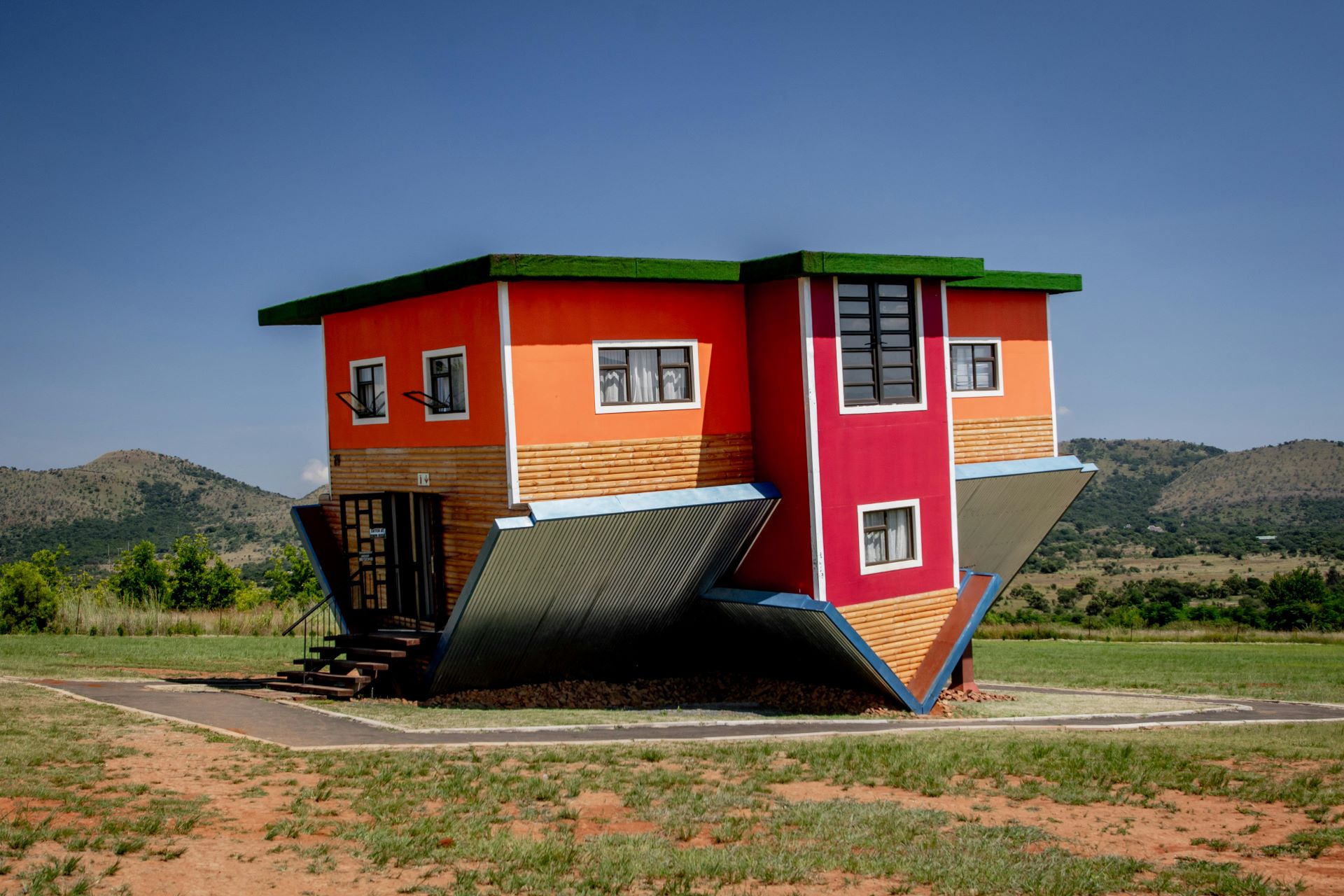
Mystical Caves and Underground Wonders
South Africa’s subterranean attractions offer a world turned literally upside down. The Cango Caves near Oudtshoorn, while a recognized tourist draw, conceal chambers and formations that evoke a primeval elegance. Fewer visitors know of the hidden cave networks around the Drakensberg escarpment, where spelunkers navigate passages lined with stalactites and stalagmites that glimmer in torchlight. These caves are more than geological curiosities—they are spaces that challenge the imagination, where shadows dance across ancient walls, echoing the footsteps of explorers and indigenous peoples alike. The tactile intimacy of these underground worlds provides a contrast to the country’s vast open spaces, reminding travelers that wonder often resides in places both confined and profound.
The Oddities of the Northern Wilds
Venturing into Limpopo and Mpumalanga, travelers may encounter attractions that seem deliberately designed to defy expectation. The Ba-Phalaborwa termite mounds, enormous and intricately constructed, rise like prehistoric fortresses, each a testament to the ecological ingenuity of nature. Further along, in the wilderness near Hoedspruit, the Thornybush Game Reserve reveals not just wildlife, but bizarre geological formations, unusual rock art, and small hidden waterfalls that only those who stray from main trails discover. These experiences, though accessible, remain off the radar of mass tourism, offering encounters that feel both intimate and authentic, an essential quality for travelers seeking to glimpse the country’s less curated facets.
Artistic Islands and Cultural Quirks
Even South Africa’s urban centers conceal pockets of unusual charm. In Johannesburg, the Maboneng Precinct juxtaposes street art, independent galleries, and repurposed buildings to create a self-contained universe of creativity. Cape Town’s lesser-known islands, such as Duiker Island, offer unique wildlife encounters beyond penguin colonies and tourist boat rides, while smaller coastal towns boast quirky museums celebrating everything from ostrich farming to miniature art collections. These cultural offshoots remind visitors that South Africa’s unusual attractions are not only natural but deeply human, reflecting the inventive, idiosyncratic spirit that courses through the nation’s history and contemporary life alike.
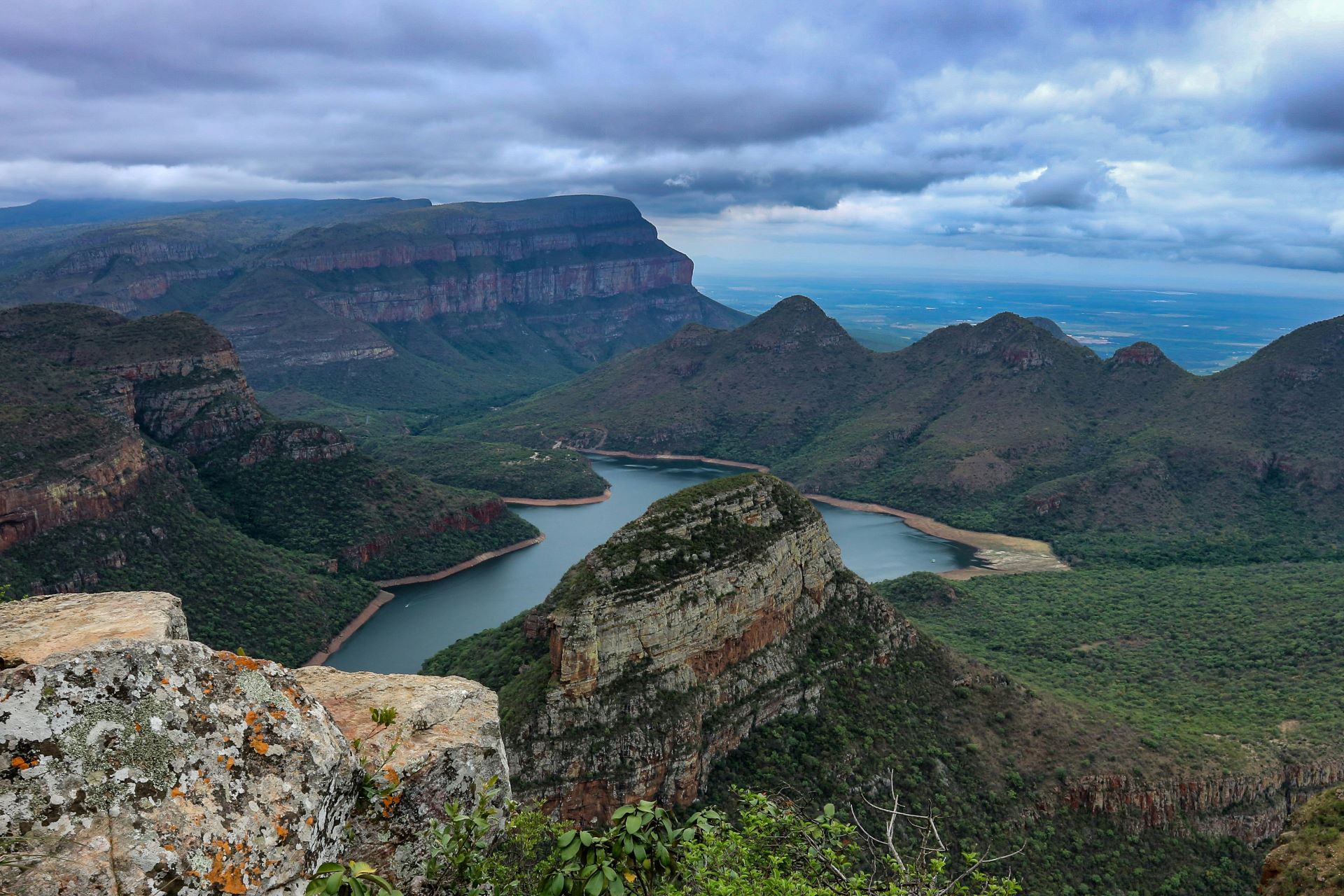
South Africa’s allure is often defined by its mainstream attractions, yet the country’s true depth is revealed in the unusual, the unexpected, and the barely charted. For travelers willing to diverge from the well-worn paths, South Africa becomes a playground of the extraordinary, where ghost towns whisper forgotten stories, deserts and forests reveal hidden wonders, and urban landscapes pulse with quiet eccentricity. These attractions, largely off the map, invite a slower, more contemplative exploration—a journey that is as much about discovering the nation as it is about discovering oneself amidst its myriad surprises.
Herman
Reporting from the frontlines of the South African tourism renaissance. Bridging the gap between regional stories and global audiences through elite narrative strategy.