

South Africa’s history is a tapestry woven from millennia of human habitation, colonial encounters, and struggles for freedom. For the discerning traveler, the nation offers far more than the iconic Robben Island, where Nelson Mandela and countless others were imprisoned. Beyond the famed prison, South Africa’s landscapes are dotted with colonial architecture, apartheid-era landmarks, and ancient rock art that speak to its complex and layered past. Each journey through this land invites reflection, curiosity, and a deeper understanding of the forces that shaped modern South Africa.
Tracing Colonial Footprints
Wander through the cobbled streets of Cape Town, and one is immediately struck by the elegant remnants of Dutch and British colonial architecture. The Company’s Garden, established in the 1650s by the Dutch East India Company, remains an oasis in the heart of the city, surrounded by the historical façades of the Iziko South African Museum and the Castle of Good Hope. Built in 1666, the castle stands as the oldest surviving colonial building in South Africa, its pentagonal bastions a reminder of the military pragmatism of the time.
In Port Elizabeth and Stellenbosch, the influence of Dutch settlers is evident in the gabled Cape Dutch homesteads, with their sweeping white façades and ornate fanlights. Walking tours of these towns are often guided by local historians who weave personal stories of settler life alongside the broader narrative of colonial expansion. These tours reveal the juxtaposition of beauty and brutality—the intricate plasterwork and timber detailing of the homesteads contrast sharply with the histories of dispossession and forced labour that enabled their construction.
Apartheid-Era Landmarks: Witnesses to Struggle
While colonial architecture provides a lens into South Africa’s early modern history, the landmarks of the apartheid era confront visitors with the country’s recent and painful past. In Johannesburg, the Apartheid Museum offers a meticulously curated experience, guiding visitors through segregated streets recreated to illustrate the absurdity and cruelty of racially enforced policies. The museum’s collection of photographs, government documents, and personal testimonies invites reflection on the lives altered and communities disrupted by decades of institutionalized oppression.
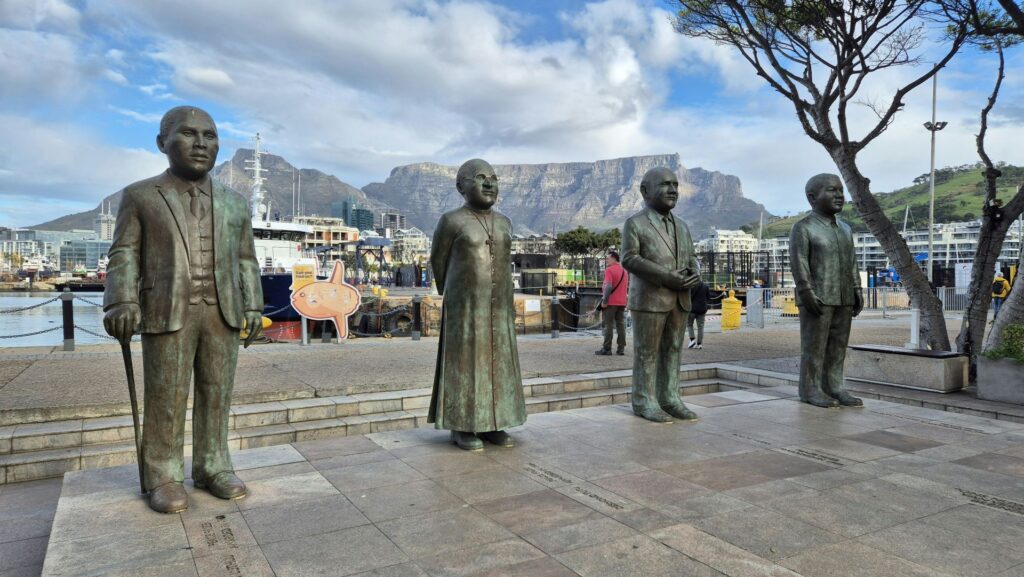
Soweto, a sprawling township on the city’s outskirts, tells a story of resilience and resistance. Vilakazi Street, once home to both Nelson Mandela and Archbishop Desmond Tutu, has become a pilgrimage for those seeking a deeper connection to the struggle for freedom. Walking tours through Soweto capture the spirit of defiance and hope, often led by locals who lived through the turbulence of the 1976 student uprisings. Their narratives lend authenticity to the experience, transforming history from textbook into lived reality.
Cape Town’s District Six Museum offers another intimate encounter with apartheid’s human cost. District Six was a vibrant, multiracial neighbourhood until the 1960s, when residents were forcibly removed under government legislation. Through photographs, oral histories, and artefacts, the museum reconstructs the memory of a community lost yet never forgotten, underscoring the enduring impact of apartheid on urban landscapes and human lives alike.
Ancient Echoes: Rock Art and Archaeological Sites
Beyond the colonial and apartheid periods lies an even older South Africa, a land where human creativity and spirituality were etched into stone thousands of years ago. The Drakensberg Mountains, a UNESCO World Heritage site, are home to the San people’s rock paintings, exquisite in their detail and narrative depth. These artworks depict hunting scenes, ritual dances, and encounters with the spiritual world, offering rare insight into the cognitive and cultural richness of prehistoric communities.
Guided treks through the mountain valleys allow visitors to witness these ancient images firsthand. The guides, often descendants of the region’s original inhabitants, provide context for the symbolism and meaning embedded in the artwork. Observing the careful lines and vibrant pigments, one is struck by the continuity of human experience—the same landscapes, animals, and existential questions that confronted the San people continue to resonate today.
Other sites, such as the Cederberg region and the Magaliesberg Mountains, also feature rock art that dates back thousands of years. Each site tells a unique story, from depictions of eland and other game animals to abstract representations whose meanings are still debated. These ancient canvases remind visitors that South Africa’s history extends far beyond written records, and that the land itself is a repository of human expression.
Coastal Chronicles: Maritime History and Trade Routes
South Africa’s strategic location along the southern tip of Africa has long made it a nexus of maritime trade. The historic port towns of Mossel Bay and Durban offer glimpses into the maritime history that shaped the region’s cultural and economic landscapes. Mossel Bay, where Portuguese navigator Bartolomeu Dias landed in 1488, hosts the Dias Museum Complex, which traces the impact of early European exploration on local communities. The complex includes a replica caravel, period maps, and accounts of encounters between seafarers and indigenous Khoisan populations.
Durban, with its rich Indian Ocean heritage, tells a different story—one of trade, migration, and cultural exchange. The Victoria Street Market, established in the late 19th century, showcases goods and culinary traditions brought by Indian labourers and traders, highlighting the multicultural dimensions of South Africa’s colonial economy. Walking along the beachfront or through the historic city centre, one can trace the imprints of merchant houses, warehouses, and fortifications, each a testament to the dynamic interplay of global commerce and local development.
Pilgrimage to Memory: Sites of Resistance and Remembrance
South Africa’s history is not merely a catalog of architecture or art; it is an ongoing dialogue between memory and identity. Visiting sites of resistance—freedom trails, memorials, and preserved townships—invites contemplation of the courage and sacrifice that defined the nation’s path to democracy. The Freedom Park in Pretoria, with its rolling hills and symbolic architectural elements, serves as both a tribute and an educational experience, offering insight into the struggle against oppression from pre-colonial conflicts to contemporary social movements.
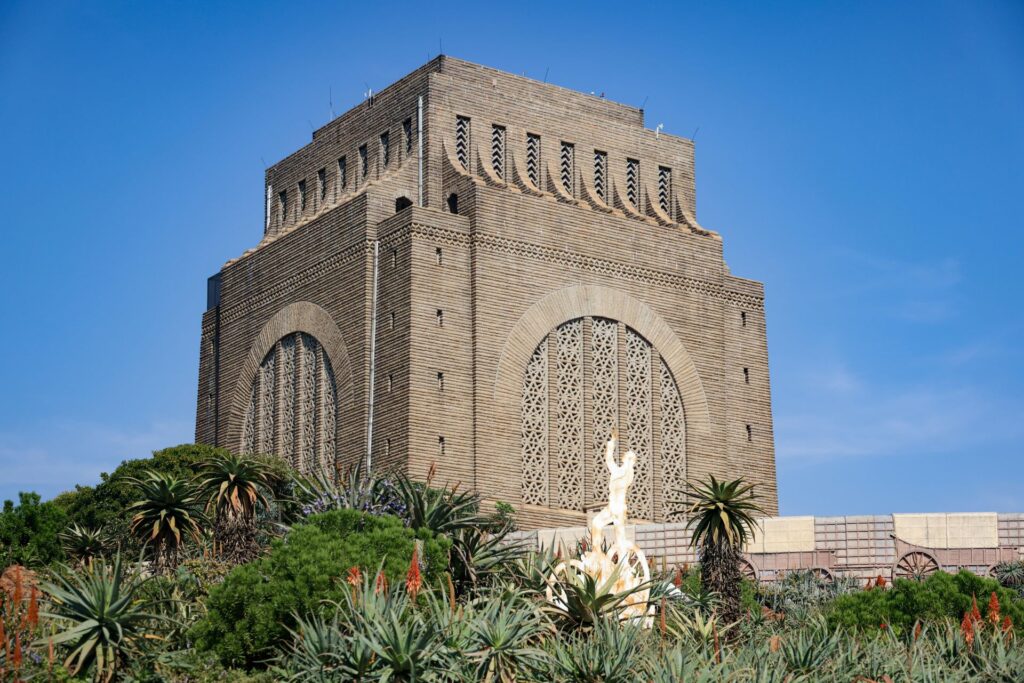
Other locations, such as the Voortrekker Monument, provide contrasting perspectives. The monument commemorates the 19th-century migration of Afrikaner pioneers into the interior, narrating a story of survival, ambition, and conflict. By engaging with multiple narratives, history enthusiasts can appreciate the nuanced and often contested layers of South Africa’s past, recognizing that understanding history requires grappling with complexity rather than seeking simplicity.
Experiential Engagement: Tours and Educational Initiatives
For those seeking immersive experiences, guided historical tours provide unparalleled depth. Companies and local historians offer curated journeys that blend storytelling, site visits, and interactive elements, from walking tours in Cape Town’s Company’s Garden to private excursions to remote rock art sites. Some initiatives also integrate educational workshops, allowing visitors to participate in archaeology, conservation, or oral history projects.
The value of these tours extends beyond sightseeing. Engaging directly with historians, descendants, and conservationists fosters an intimate connection with South Africa’s heritage. Visitors gain perspective not only on the past but also on the ongoing efforts to preserve it, whether through architectural restoration, digital archiving, or community-led preservation projects. This active participation transforms travel into a dialogue, encouraging reflection on the continuity between past and present.
The Living Tapestry of South African History
Exploring South Africa beyond Robben Island is an invitation to encounter the full spectrum of human experience. From colonial elegance to the harsh realities of apartheid, from the spiritual depth of ancient rock art to the bustling maritime trade routes, every site contributes to a richer understanding of the nation. For history buffs, South Africa is more than a destination—it is a living museum, where landscapes, buildings, and artefacts serve as portals to stories both celebrated and painful, familiar and forgotten.
In this land of contrasts, history is never static. It breathes through the voices of guides, the textures of ancient stone, and the preserved streets of towns that have witnessed centuries of change. For those willing to listen, observe, and reflect, South Africa offers a historical journey unlike any other—one that lingers long after the visit, inspiring both awe and contemplation.
Gerald Ferreira
Reporting from the frontlines of the South African tourism renaissance. Bridging the gap between regional stories and global audiences through elite narrative strategy.