

South Africa’s Western Cape is a canvas of staggering beauty, where mountain ranges, rolling vineyards, and centuries-old estates converge to create one of the world’s most enchanting wine regions. For travelers seeking more than a glass of wine, the Cape Winelands promise an immersive journey: each vineyard, estate, and tasting room tells a story of climate, culture, and craftsmanship. Among the most celebrated areas—Stellenbosch, Franschhoek, and Swartland—visitors encounter a spectrum of experiences, from time-honored tradition to daring innovation, all framed by landscapes that are as intoxicating as the wines themselves.
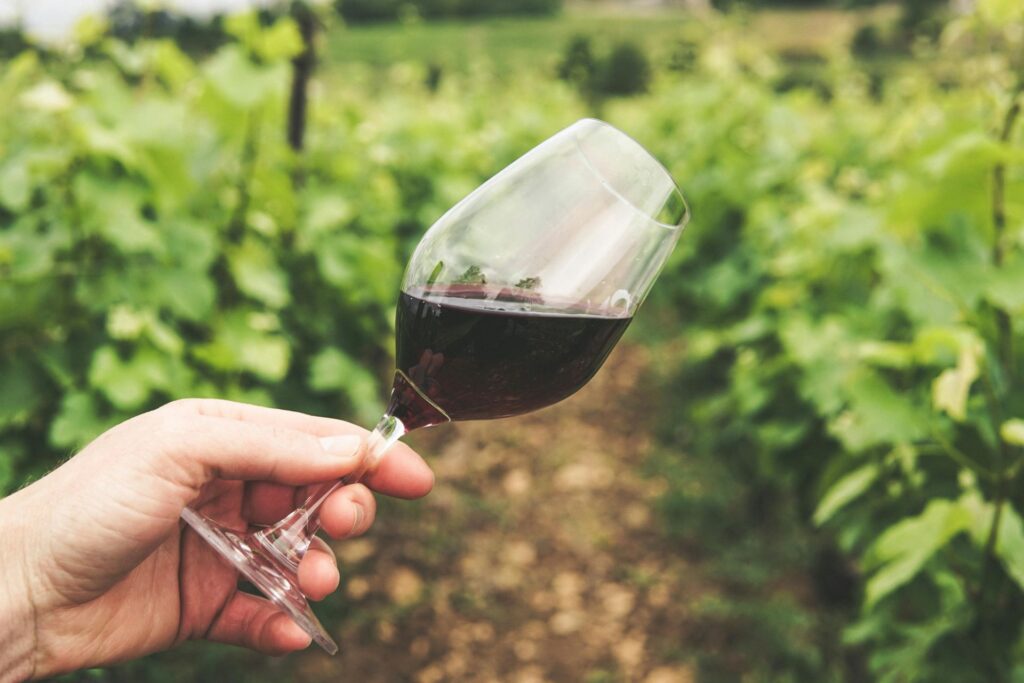
Stellenbosch: A Tapestry of Tradition and Innovation
Nestled against the backdrop of the Helderberg and Stellenbosch Mountains, Stellenbosch is South Africa’s oldest winemaking hub, with roots stretching back to the late 1600s. Its cobbled streets, oak-lined avenues, and stately university precincts evoke a sense of enduring heritage, yet this region thrives at the intersection of tradition and modernity.
Stellenbosch’s vineyards are as diverse as its architectural heritage. Historic estates like Kanonkop, Rust en Vrede, and Waterford exude colonial charm with Cape Dutch gables and whitewashed walls, yet inside, visitors find state-of-the-art winemaking facilities and tasting rooms designed to showcase vintages at their best. Cabernet Sauvignon and Merlot flourish here, producing full-bodied reds that speak of mineral-rich soils and sun-kissed grapes. Chenin Blancs, crisp and aromatic, reflect meticulous vineyard management and the cooler morning breezes that sweep through the valleys.
A tasting experience in Stellenbosch is as much about place as it is about palate. At Kanonkop, Pinotage—a uniquely South African varietal—reveals layers of ripe berries, subtle smokiness, and complex tannins, a wine that embodies the terroir’s identity. Rust en Vrede’s Cabernet blends exhibit remarkable structure and aging potential, while Waterford pairs wines with handcrafted chocolates, creating playful yet sophisticated flavor dialogues.
The culinary dimension of Stellenbosch is inseparable from its wines. Estate restaurants, helmed by Michelin-caliber chefs, elevate farm-to-table dining into a celebration of local ingredients and seasonal produce. Lamb, fresh seafood, and vegetables grown on-site pair seamlessly with robust reds and delicate whites, each bite and sip designed to enhance the other. Beyond the tasting room, Stellenbosch offers curated experiences that reveal the art of winemaking—vineyard walks, barrel tastings, and behind-the-scenes tours that illuminate the precision, patience, and passion involved in each bottle.
Franschhoek: Where Heritage Meets Haute Cuisine
Just a short drive from Stellenbosch lies Franschhoek, a village whose name—“French Corner”—evokes its Huguenot heritage. Here, culture, history, and gastronomy intertwine, creating an environment where wine becomes a medium for storytelling.
Franschhoek’s streets, lined with French-inspired architecture, shaded courtyards, and boutique galleries, lead naturally into its vineyards. The region benefits from a microclimate defined by mountain ranges that temper sun exposure, yielding wines of finesse and balance. Pinot Noir and Chardonnay thrive in this environment, often showing elegance, subtlety, and aromatic complexity rarely matched elsewhere.
Signature estates such as La Motte, Haute Cabrière, and Babylonstoren embody the region’s ethos. La Motte merges French sensibilities with South African terroir, offering a tasting experience that balances tradition with contemporary design. Haute Cabrière, celebrated for its sparkling wines, allows visitors to explore the méthode cap classique, pairing bubbles with seasonal culinary creations. Babylonstoren is a living testament to holistic craftsmanship: its expansive gardens, orchards, and farm-to-table restaurants create a fully immersive experience, allowing visitors to engage all senses while connecting the land to the wine in a tangible, meaningful way.
Franschhoek is also the epicenter of South Africa’s culinary innovation. Estate kitchens focus on the artistry of pairing wine with food, often highlighting locally sourced ingredients and seasonal flavors. Multi-course degustation dinners, vineyard picnics, and hands-on workshops with sommeliers turn every visit into a curated journey, where the subtleties of acidity, tannin, and texture are explored in concert with a region steeped in history.
Swartland: The Spirit of Experimentation
In contrast to Stellenbosch’s elegance and Franschhoek’s refined charm, Swartland thrives on bold experimentation and minimal intervention. This region, characterized by rugged hills, dry riverbeds, and expansive plains, has emerged as a haven for innovative winemakers who embrace natural processes and terroir-driven expression.
Swartland is a landscape of extremes: hot, dry summers, cold winters, and nutrient-rich soils challenge both grape and grower, yet yield wines of remarkable intensity and character. Shiraz, Syrah, Grenache, and Chenin Blanc dominate, each varietal reflecting the region’s harsh yet beautiful conditions. The wines are robust, layered, and earthy, often surprising in their balance and elegance given the raw environment from which they emerge.
Pioneering estates such as Mullineux & Leeu Family Wines and Alheit Vineyards prioritize minimal intervention, allowing the grapes to communicate the land’s narrative. Tastings here are intimate, often guided by the winemakers themselves, offering insight into vineyard management, fermentation choices, and barrel selection. Smaller family-run estates create a deeply personal experience, where every pour conveys a philosophy of authenticity, sustainability, and experimentation. Swartland is less about grandeur and more about connection—to the soil, the vines, and the story each bottle tells.
Iconic Estates of the Cape Winelands
The identity of each region is amplified by its estates, where history, innovation, and terroir converge.
Stellenbosch
Franschhoek
Swartland
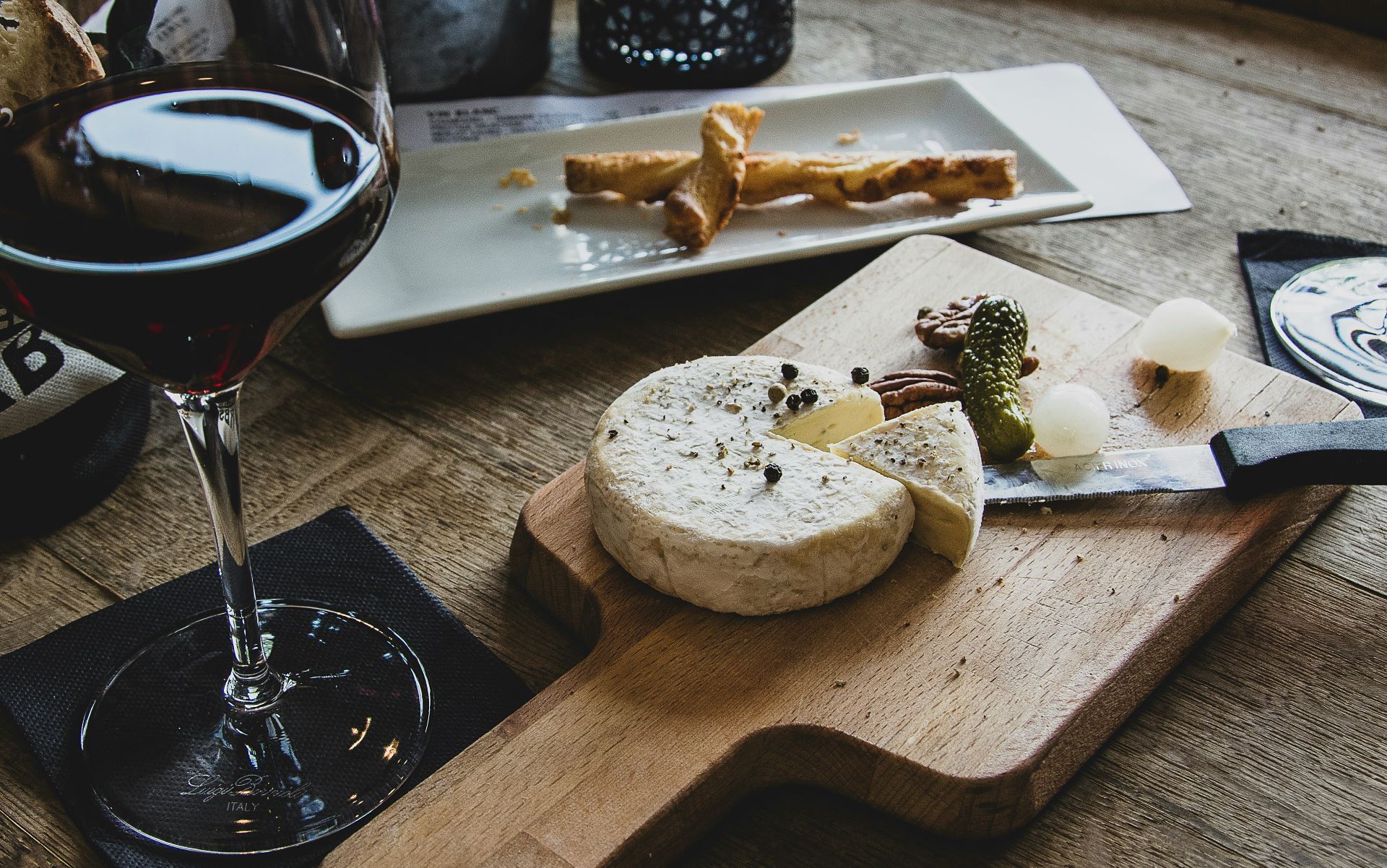
Seasonal Journeys Through the Vineyards
Every season transforms the Cape Winelands, offering distinct opportunities for exploration and engagement.
Spring: Blossoms and Renewal
Spring in the Winelands is a celebration of rebirth. Vineyards awaken from winter dormancy, buds emerge, and estate gardens bloom. This is an ideal time for walking tours, early harvest tastings, and photography amidst jacaranda-lined streets. Wine estates host spring festivals and cellar tours, revealing the care that sets the stage for the vintage year ahead.
Summer: Sun, Events, and Outdoor Elegance
Summer brings long, warm days ideal for vineyard picnics, alfresco dining, and outdoor tastings. Stellenbosch hosts open-air wine festivals, while Franschhoek’s mountain trails provide scenic hiking paired with tastings of crisp whites and sparkling wines. Swartland’s hotter climate emphasizes aromatic intensity, making summer tastings particularly memorable for bold reds and Chenin Blancs bursting with character.
Autumn: The Harvest Celebration
Autumn is the quintessential season for wine lovers. Harvest festivals, grape-stomping events, and cellar tours immerse visitors in the winemaking process. Stellenbosch and Franschhoek celebrate vintage with gastronomic feasts, barrel tastings, and guided wine-pairing sessions, while Swartland showcases its experimental reds in rustic, intimate settings. The landscape glows with golden foliage, creating a visual harmony that complements the sensory richness of wine.
Winter: Reflection and Intimacy
Winter in the Winelands invites introspection. Vineyards lie dormant, allowing estates to focus on barrel maturation and private tastings. Fireside dinners, intimate wine-pairing experiences, and exploration of estate cellars provide a quieter, more contemplative visit. Swartland’s stark winter landscapes offer a rugged beauty, while Stellenbosch and Franschhoek retain a cozy elegance, perfect for slow, immersive experiences.
Beyond the Bottle: Culture, Art, and Heritage
The Cape Winelands are more than vineyards—they are cultural hubs. Stellenbosch’s art galleries, museums, and university precincts offer insight into local history, while Franschhoek preserves Huguenot heritage through monuments, architecture, and museums. Swartland embraces modernity, with contemporary art installations and avant-garde wine experiences reflecting the region’s experimental ethos. Music festivals, culinary events, and cultural tours add layers to the wine journey, allowing travelers to engage with the region on multiple sensory levels.
Planning Your Wine Route Adventure
A successful journey through the Cape Winelands requires thoughtful planning:
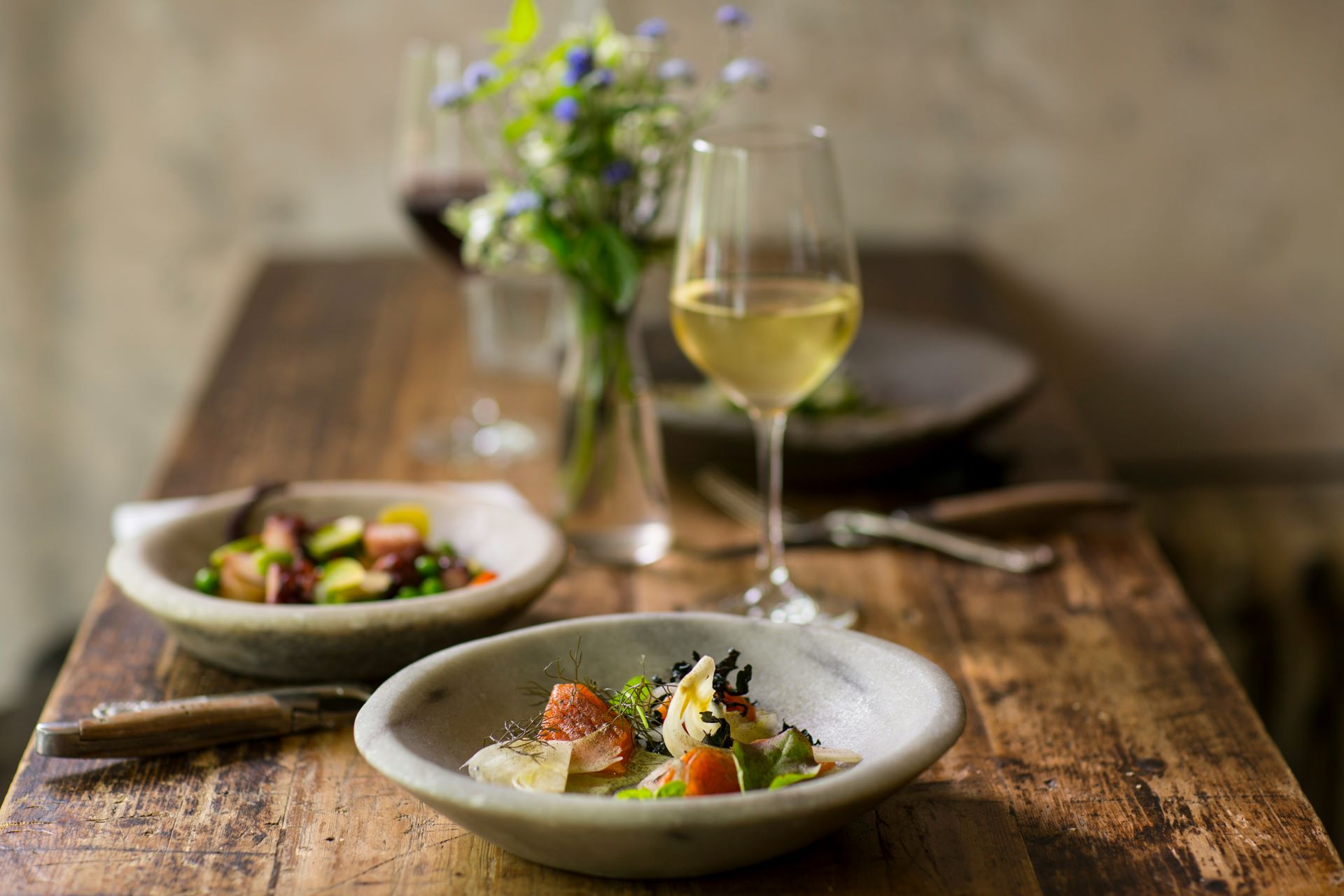
The Essence of the Cape Winelands
Exploring Stellenbosch, Franschhoek, and Swartland is more than a wine pilgrimage; it is a journey into South Africa’s soul. Each region embodies a unique narrative: Stellenbosch reflects heritage and refinement, Franschhoek celebrates culture and culinary excellence, and Swartland thrives on experimentation and authenticity. The wines, landscapes, and experiences converge to create a sensory tapestry that lingers long after the last sip.
In the Cape Winelands, every glass of wine is a dialogue with history, land, and craftsmanship. From elegant reds to vibrant whites, sparkling wines to experimental varietals, South Africa’s wine regions offer both connoisseurs and casual travelers an unparalleled encounter with terroir, taste, and tradition.
Whether strolling through century-old vineyards, savoring a masterfully paired meal, or engaging with pioneering winemakers, visitors discover that the true wonder of the Cape lies not just in the wines themselves but in the stories they tell—of people, land, and the enduring art of viticulture. The Cape Winelands are, in every sense, a destination where sipping becomes an experience, and every bottle opens a door to the heart of South Africa.
Ronel Ferreira
Reporting from the frontlines of the South African tourism renaissance. Bridging the gap between regional stories and global audiences through elite narrative strategy.