

South Africa is renowned for its breathtaking landscapes, iconic wildlife, and rich cultural heritage. Beyond the allure of its sun-kissed beaches, rugged mountains, and expansive savannahs, the country offers an unparalleled opportunity for travellers to actively contribute to conservation efforts. Volunteer tourism, also known as “voluntourism,” has become a compelling way for environmentally conscious visitors to immerse themselves in the wild while making a tangible difference. From safeguarding endangered species to restoring fragile ecosystems, South Africa is a vibrant hub for travel experiences that go beyond sightseeing.
A New Kind of Journey: Travel with Purpose
Modern travellers increasingly seek experiences that are meaningful, immersive, and impactful. Rather than simply observing wildlife from a distance, volunteer tourism invites visitors to participate directly in conservation activities, blending adventure with responsibility. This approach encourages a deeper connection to the land, its people, and the wildlife that defines South Africa’s identity. It is travel that leaves a legacy, offering the unique satisfaction of knowing that a holiday can simultaneously enrich personal growth and contribute to the planet’s future.
The beauty of volunteer tourism lies in its diversity. Opportunities abound across the country, ranging from wildlife rehabilitation in remote reserves to marine conservation along the coastline. For those seeking a hands-on experience, it is a chance to learn from experts, develop practical skills, and engage with local communities. Volunteer tourists become integral partners in protecting the wild, whether that involves monitoring endangered species, reforesting degraded landscapes, or educating communities about sustainable practices.
Wildlife Conservation Projects: Hands-On Experiences
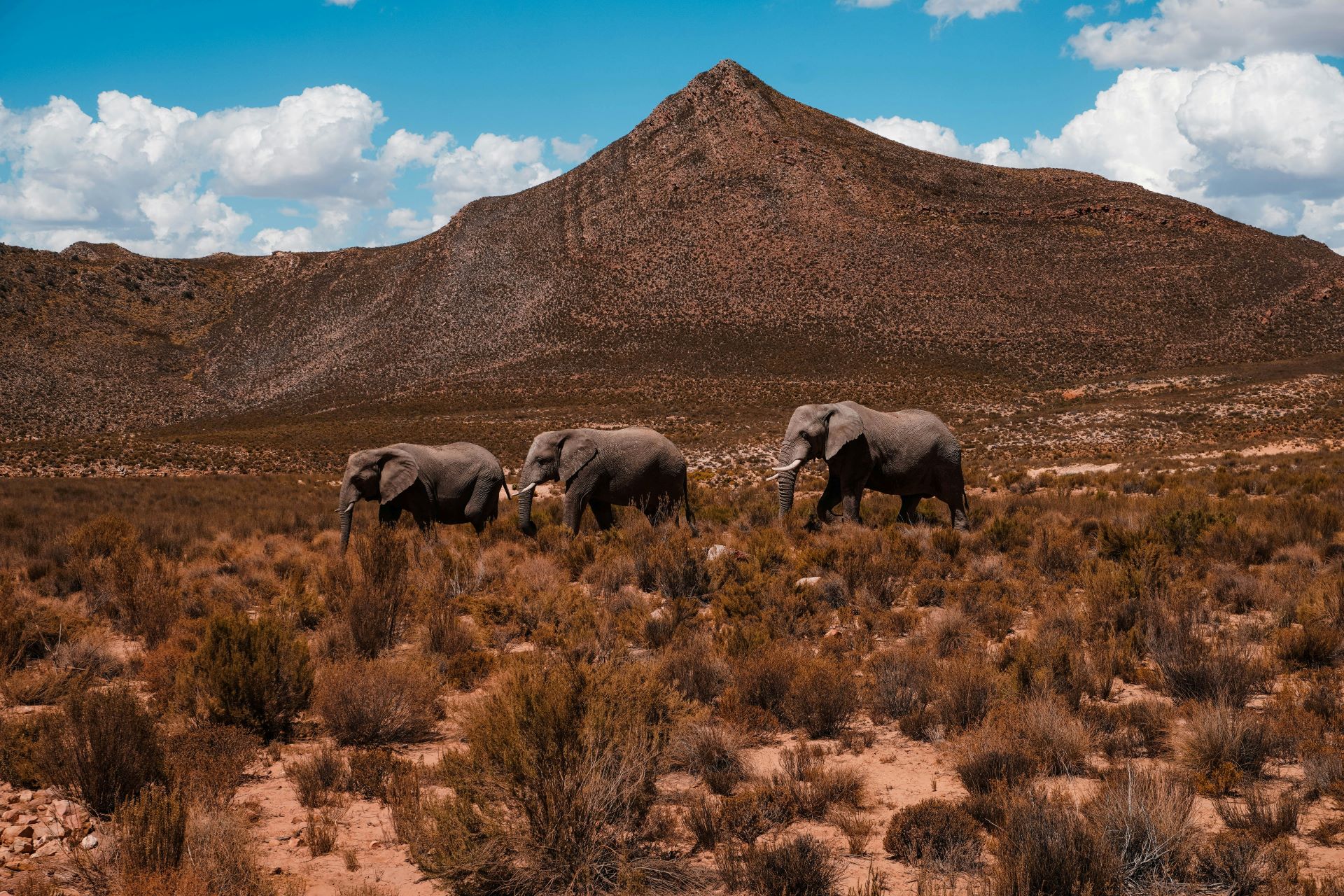
South Africa is home to the “Big Five”—lion, leopard, elephant, rhino, and buffalo—making it one of the most coveted wildlife destinations in the world. Yet, alongside this fame comes responsibility. Poaching, habitat loss, and human-wildlife conflict pose significant threats to biodiversity. Volunteer tourism initiatives offer travellers the chance to confront these challenges head-on.
In game reserves and national parks, conservation projects often involve anti-poaching patrols, wildlife tracking, and habitat restoration. Volunteers may assist in maintaining fences, monitoring animal health, or collecting data for research programmes. These activities are not merely symbolic; they provide essential support for rangers and scientists, directly contributing to the survival of threatened species.
Rhino conservation, for instance, is a sector where volunteer participation has proven invaluable. With rhino poaching persisting as a critical concern, volunteers often support field teams by monitoring populations, assisting with dehorning operations when necessary for safety, and participating in community awareness campaigns. For travellers, these experiences offer an unparalleled perspective on the delicate balance between wildlife preservation and human intervention.
Beyond the savannah, marine wildlife projects along South Africa’s coastline offer equally transformative opportunities. From rescuing stranded seals in the Western Cape to participating in sea turtle monitoring in KwaZulu-Natal, volunteers gain first-hand insight into marine ecology and the critical efforts needed to protect these species. Such programmes often combine scientific education with active participation, enabling volunteers to contribute meaningfully while acquiring practical knowledge about conservation practices.
Community-Focused Conservation: Empowering People and Nature
Volunteer tourism in South Africa often extends beyond wildlife to encompass community-based conservation. Many projects recognise that environmental sustainability is intrinsically linked to social development. Engaging with local communities not only supports livelihoods but fosters stewardship over natural resources, creating long-term positive impacts for both people and wildlife.
Projects may include environmental education in schools, the development of community gardens, or sustainable farming initiatives that reduce pressure on surrounding ecosystems. Volunteers can play a role in teaching conservation principles, assisting with eco-friendly infrastructure, or facilitating workshops that promote sustainable practices. These experiences allow travellers to witness the intersection of cultural heritage, social responsibility, and environmental protection, highlighting the broader significance of conservation beyond the reserve boundaries.
In regions such as Limpopo and the Eastern Cape, volunteer programmes often integrate cultural exchange with conservation work. Participants live alongside local communities, gaining an understanding of traditional ecological knowledge while contributing to tangible projects that enhance environmental resilience. This immersive approach transforms the travel experience, allowing visitors to forge meaningful connections with both people and nature.
Eco-Tourism and Sustainable Lodges: Travel with a Minimal Footprint
A growing trend in South African tourism is the emergence of eco-lodges and sustainable accommodations designed to minimise environmental impact while maximising conservation contributions. Many volunteer tourism programmes partner with eco-lodges, providing lodging, meals, and hands-on experiences in a manner that aligns with sustainable tourism principles. These lodges often rely on renewable energy, water-saving systems, and locally sourced food, offering travellers a practical demonstration of eco-conscious living.
Staying in an eco-lodge as part of a volunteer programme ensures that every aspect of the trip supports the overarching goal of conservation. Guests participate in daily activities ranging from reforestation to wildlife monitoring, while the lodge itself serves as a model for sustainable operations. By choosing these accommodations, travellers can reduce their ecological footprint while actively supporting the projects they engage with, creating a seamless alignment between leisure and responsibility.
Seasonal and Specialized Opportunities
Volunteer tourism in South Africa is not a one-size-fits-all experience. The country’s vast and varied landscapes provide opportunities for specialized projects tailored to different interests, skills, and seasons. Wildlife enthusiasts might focus on big-game conservation in the Kruger National Park, while bird watchers could join migratory bird monitoring projects in the Western Cape. Marine-focused volunteers might time their visits with whale season in Hermanus or turtle hatching periods along the subtropical coast.
Seasonal projects allow participants to engage with specific conservation challenges when they are most pressing, whether it’s assisting with veld fire rehabilitation after the dry season or supporting anti-poaching patrols during heightened periods of wildlife vulnerability. This approach ensures that volunteer efforts are not only engaging but strategically aligned with the needs of ecosystems and conservation teams.
Specialized projects also cater to individuals with unique skill sets, such as veterinary knowledge, ecological research experience, or education expertise. Many organisations welcome volunteers who can contribute technical skills, helping to enhance scientific research, develop community programmes, or train local staff. Even without specialized experience, motivated participants can make a meaningful difference through guided activities and practical support, ensuring inclusivity for all travellers committed to conservation.
Personal Growth Through Conservation Travel
Engaging in volunteer tourism is more than an opportunity to make a positive impact; it is a transformative journey that fosters personal growth. Travellers often report heightened environmental awareness, improved problem-solving skills, and a profound sense of connection to nature. Immersive experiences challenge individuals to step outside their comfort zones, develop resilience, and gain a deeper understanding of the interdependence between humans and the natural world.
Many volunteers describe the emotional rewards of witnessing wildlife thriving as a result of their efforts or seeing a community embrace sustainable practices. These experiences create lasting memories and inspire a lifelong commitment to environmental stewardship. South Africa, with its rich tapestry of ecosystems and wildlife, offers the perfect backdrop for such transformative journeys.
Navigating Volunteer Tourism: Ethical Considerations
While volunteer tourism presents countless opportunities, it is essential for travellers to approach these experiences responsibly. Ethical engagement ensures that projects benefit both wildlife and local communities, avoiding unintended harm or exploitation. Travellers should seek programs that are transparent about their goals, involve local stakeholders, and prioritise long-term sustainability over short-term spectacle.
Researching the credibility of organisations is crucial. Reputable programmes provide clear guidelines, safety protocols, and educational components that enhance the volunteer experience. By selecting initiatives that adhere to best practices, travellers can ensure their contributions are meaningful, effective, and respectful of local ecosystems and cultures.
Volunteers should also consider their own impact on the communities they visit. Cultural sensitivity, open-mindedness, and a willingness to learn are key to fostering positive relationships and creating an environment of mutual respect. Ethical volunteer tourism is not just about the work completed; it is about cultivating an enduring connection to the land, wildlife, and people of South Africa.
Volunteer Tourism Across South Africa: Regional Highlights
South Africa’s geographic diversity creates a multitude of conservation opportunities, each with a distinct ecosystem and wildlife focus. From the lush subtropical coastlines of KwaZulu-Natal to the iconic savannahs of Limpopo, each province offers projects designed to engage and inspire.
Kruger National Park and Surrounds: The Heart of Big Game Conservation
The Kruger National Park and adjacent private reserves in Limpopo and Mpumalanga form the backbone of South Africa’s wildlife conservation efforts. Volunteers here engage in anti-poaching initiatives, wildlife tracking, and habitat restoration. Working alongside rangers, volunteers help monitor populations of lions, leopards, elephants, and the critically endangered rhino. Some programmes involve collecting and analysing data for research purposes, offering insight into species behaviour and ecological trends.
Volunteers in this region may also assist with community conservation initiatives in villages bordering the park. These programmes often focus on human-wildlife coexistence, promoting sustainable livelihoods while protecting natural resources. By supporting these communities, volunteers help ensure that conservation is both locally relevant and sustainable, fostering long-term protection of the park’s wildlife.
Eastern Cape: Marine and Coastal Conservation
The Eastern Cape’s extensive coastline and diverse marine life make it a hotspot for marine conservation projects. Here, volunteers participate in initiatives such as sea turtle monitoring along remote beaches, rescuing stranded seals, and conducting educational programmes in coastal communities. The region’s marine conservation organisations often combine fieldwork with research, providing participants with practical skills in marine biology and wildlife rescue.
In addition to marine work, the Eastern Cape offers terrestrial projects focused on endangered species such as the black rhino and cheetah. Volunteer tasks range from habitat rehabilitation to anti-poaching surveillance, ensuring that wildlife populations can thrive alongside local communities.
KwaZulu-Natal: A Blend of Wildlife and Community Projects
KwaZulu-Natal provides a unique blend of biodiversity and culture, offering opportunities for volunteers to engage with both wildlife and local communities. Inland reserves focus on the Big Five and rare antelope species, while coastal areas provide marine conservation experiences including dolphin and whale monitoring.
Community-based projects in KwaZulu-Natal often integrate environmental education, teaching children and adults about sustainable practices, water conservation, and biodiversity. Volunteers assist in creating community gardens, running workshops, and supporting eco-friendly infrastructure projects. These initiatives empower communities to actively participate in environmental protection, creating a ripple effect of conservation awareness.
Western Cape: Birds, Veld, and Marine Life
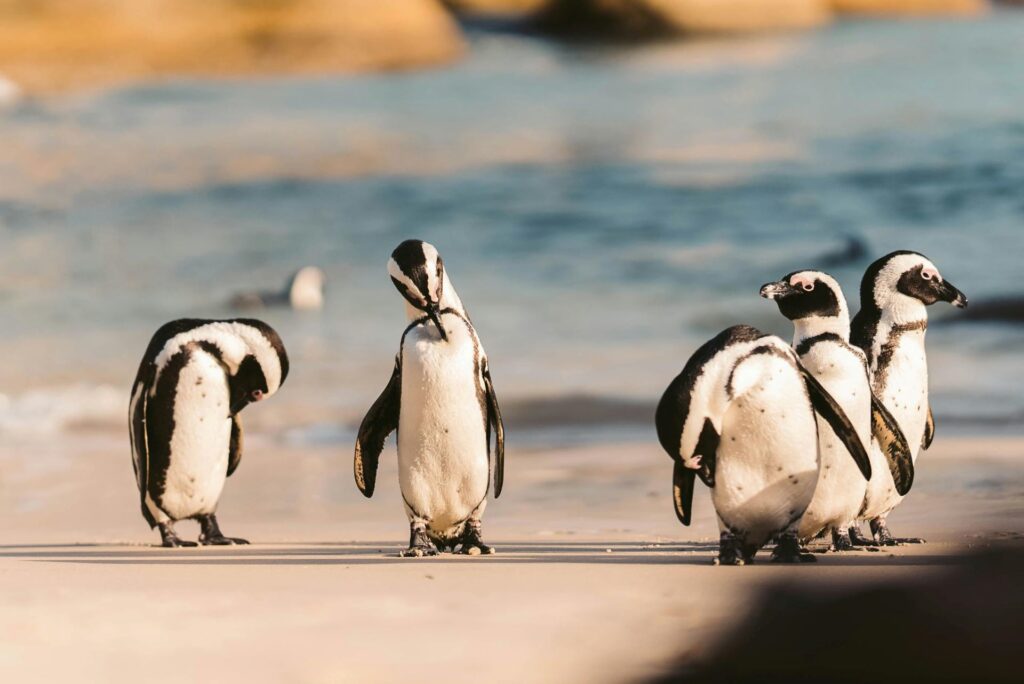
The Western Cape is known for its rugged coastline, unique fynbos vegetation, and abundant birdlife. Volunteer programmes here range from bird monitoring projects to fynbos restoration initiatives. Participants may assist in rehabilitating degraded landscapes, removing invasive species, or collecting data on native flora and fauna.
Along the coastline, marine conservation projects are equally compelling. Volunteers participate in seal rescue operations, beach clean-ups, and marine species monitoring, contributing to the protection of fragile coastal ecosystems. For travellers, the Western Cape offers the unique combination of hands-on conservation and breathtaking scenery, from the towering cliffs of the Cape Peninsula to the rolling vineyards of the hinterland.
Limpopo and Mpumalanga: Wilderness and Community Integration
Limpopo and Mpumalanga provinces offer immersive volunteer experiences in some of South Africa’s most iconic wilderness areas. Volunteers can track predators, monitor herbivore populations, and support anti-poaching efforts in private reserves. Many projects integrate community outreach, with volunteers teaching conservation principles in schools or assisting with sustainable development projects in nearby villages.
The region’s diverse ecosystems—from savannahs to forests—provide volunteers with a wide range of experiences, ensuring that every day brings new challenges and learning opportunities. For adventurous travellers, the combination of hands-on conservation, wildlife encounters, and cultural immersion makes this region particularly rewarding.
Planning Your Volunteer Tourism Experience
To make the most of a volunteer tourism experience in South Africa, careful planning is essential. Selecting a reputable organisation is the first step. Look for programmes with clear goals, experienced staff, and a commitment to ethical conservation practices. Transparency regarding project objectives, volunteer responsibilities, and accommodation standards is crucial for ensuring a meaningful and safe experience.
Timing and Seasonal Considerations
Timing your visit to align with seasonal conservation activities can enhance your impact. For example, visiting marine projects during turtle hatching season or anti-poaching programmes during periods of increased wildlife vulnerability ensures that your efforts are most needed. Understanding local weather patterns, terrain, and travel logistics also helps prepare for a safe and effective experience.
Skills and Preparation
While many volunteer programmes welcome participants without prior experience, certain skills can enhance your contribution. Knowledge of wildlife tracking, research methods, veterinary assistance, or environmental education can provide added value. Even without specialized expertise, willingness to learn, physical stamina, and a flexible mindset are vital for adapting to the demands of fieldwork.
Practical preparation includes vaccinations, appropriate clothing, sun protection, and gear suited to outdoor and field activities. Many organisations provide guidance on what to bring, ensuring volunteers are prepared for the environmental conditions they will encounter.
Accommodation and Lifestyle
Volunteer programmes in South Africa offer a range of accommodation options, from basic field camps to eco-lodges with sustainable amenities. Staying within project sites fosters immersion, allowing participants to fully engage with daily conservation tasks and interact with fellow volunteers and local staff. Meals are often communal, featuring locally sourced produce, enhancing both the cultural and sustainable aspects of the experience.
Living in close proximity to nature encourages a profound connection to the environment, promoting mindfulness, respect for wildlife, and a deeper appreciation for South Africa’s natural heritage.
The Ripple Effect of Volunteer Tourism
The impact of volunteer tourism extends far beyond the immediate tasks performed. Every contribution—from planting trees to monitoring endangered species—creates a ripple effect that benefits ecosystems, wildlife populations, and human communities. Volunteers often become ambassadors for conservation, sharing their experiences and inspiring others to engage with environmental stewardship.
Communities benefit from enhanced livelihoods, improved education, and increased environmental awareness. Protected areas experience greater resilience, as volunteer support supplements the efforts of rangers, scientists, and local conservationists. For wildlife, consistent monitoring, habitat restoration, and anti-poaching measures contribute directly to the survival of threatened species.
The personal benefits for volunteers are equally profound. Engaging in conservation fosters empathy, resilience, and a lifelong commitment to sustainability. Many participants return home with new skills, broader perspectives, and a deepened sense of responsibility toward the natural world. The experience often reshapes values and priorities, reinforcing the interconnectedness of humans, wildlife, and ecosystems.
Ethical Volunteering: Best Practices for Responsible Travel
Responsible volunteer tourism hinges on ethical engagement. Ensuring that conservation projects genuinely benefit wildlife and communities is paramount. Avoid programmes that exploit animals for entertainment, rely heavily on unskilled volunteers for critical tasks, or provide minimal oversight. Reputable organisations maintain high ethical standards, prioritising long-term outcomes and sustainability.
Cultural sensitivity is equally important. Volunteers must respect local traditions, communicate openly, and engage with humility. Positive interaction with communities enhances the effectiveness of conservation efforts, creating an atmosphere of mutual respect and collaboration.
Environmental awareness also extends to personal habits. Reducing waste, conserving water, and supporting local economies through purchases and services reinforces the principles of sustainable tourism. Ethical volunteers understand that every action contributes to the overall impact of their experience.
Transforming Travel into Legacy
Volunteer tourism offers a rare opportunity to transform travel from a personal indulgence into a meaningful legacy. South Africa, with its wealth of biodiversity, unique ecosystems, and vibrant communities, provides a stage for experiences that blend adventure, education, and conservation. Every tree planted, every animal monitored, and every community project supported contributes to a vision of sustainable coexistence between humans and the natural world.
By participating in volunteer programmes, travellers do more than witness South Africa’s natural wonders—they become active guardians of the wild. The knowledge gained, skills developed, and relationships forged extend far beyond the duration of the trip, leaving lasting benefits for ecosystems, communities, and the volunteers themselves. In this way, South Africa offers a travel experience that is as transformative for the visitor as it is for the environment.
Travel That Makes a Difference
The essence of volunteer tourism lies in its ability to combine the thrill of exploration with the fulfillment of service. South Africa’s landscapes, from sweeping savannahs to rugged coastlines, provide the ideal backdrop for immersive, hands-on conservation. Through responsible volunteer engagement, travellers become part of a larger narrative of protection, stewardship, and hope.
Choosing to travel as a volunteer means embracing challenges, learning from nature, and contributing to a future where wildlife and communities thrive in harmony. Every effort, however small, adds to the collective impact of conservation, reinforcing the idea that tourism can be a force for positive change. For those seeking a holiday with purpose, South Africa offers an unparalleled opportunity to experience the wild in a way that leaves an enduring mark on both the land and the soul.
Elisha Roodt
Reporting from the frontlines of the South African tourism renaissance. Bridging the gap between regional stories and global audiences through elite narrative strategy.