

Tourism as a Lifeline for Wildlife Conservation
South Africa is a country blessed with extraordinary biodiversity. From the sweeping savannahs of Kruger National Park to the rugged coastlines of the Western Cape, wildlife is at the heart of the nation’s natural heritage. Yet, the beauty and diversity of this wildlife face persistent threats: poaching, habitat loss, and climate change are driving many species to the brink. In this delicate balance, tourism has emerged as a powerful ally. Every visit, every park fee, and every eco-tourism experience directly fuels conservation efforts, helping to safeguard species that define South Africa’s landscapes and culture.
Tourists contribute to conservation not only financially but also through awareness and advocacy. A well-informed visitor becomes an ambassador for wildlife, spreading the message of preservation far beyond the borders of South Africa. This interplay between tourism and conservation has created a model where ecological sustainability and economic development work hand in hand, offering communities a vested interest in protecting their natural surroundings.
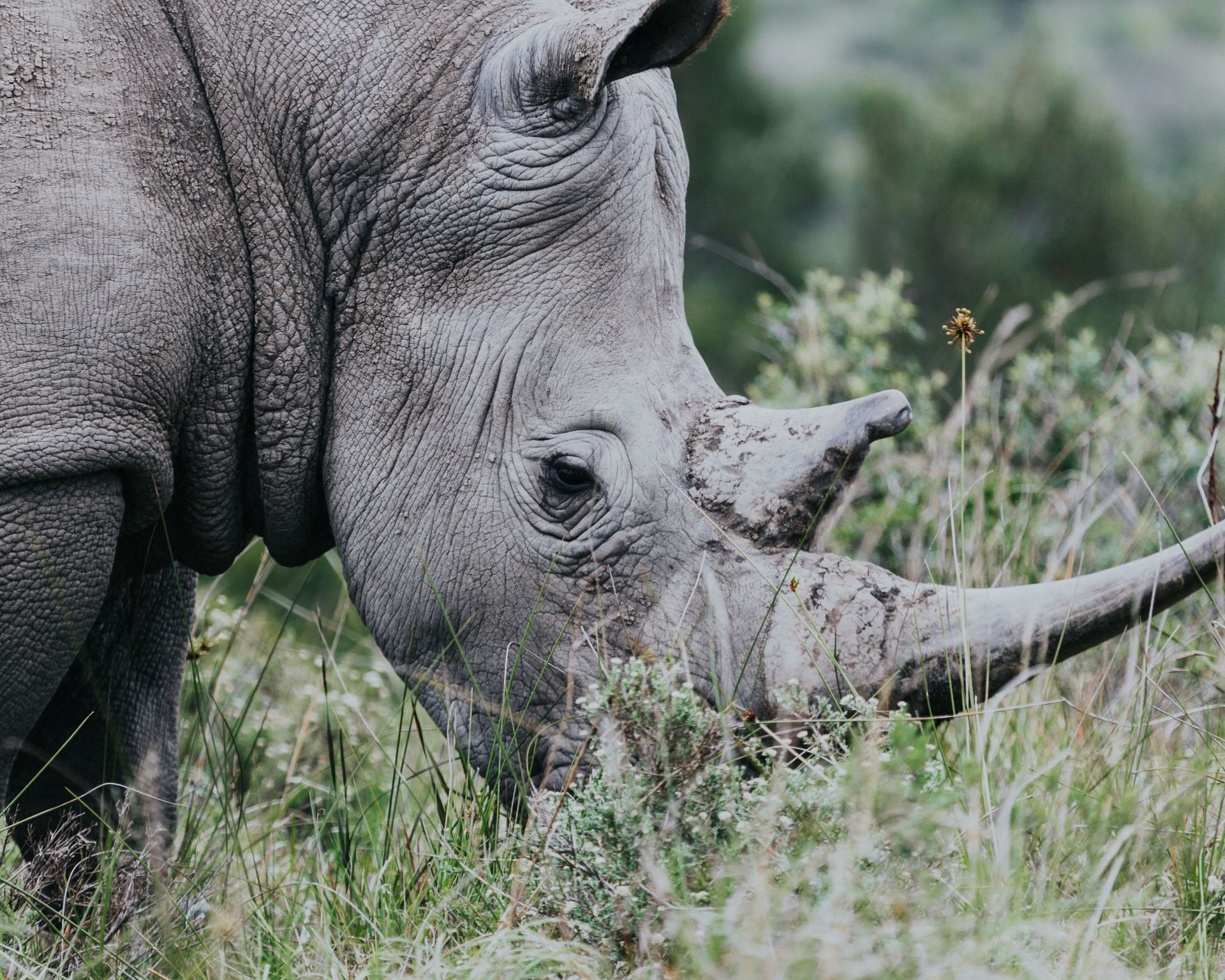
Funding Anti-Poaching Initiatives
Poaching remains one of the most pressing challenges for South Africa’s wildlife. Rhinos, elephants, and other iconic species are particularly vulnerable, with criminal syndicates exploiting the black market for horns and ivory. The financial stakes are immense, and anti-poaching units operate under challenging conditions to protect these animals.
Tourism revenues play a crucial role in sustaining these anti-poaching initiatives. Park entrance fees, safari bookings, and guided tours are not mere commercial transactions—they fund the salaries, equipment, and operational logistics necessary for effective anti-poaching work. From advanced surveillance drones to trained K9 units, tourist contributions have a direct impact on the ground. Visitors, in essence, become part of a network of protection, their participation helping to deter illegal activities that threaten South Africa’s wildlife legacy.
Supporting Conservation Projects
Beyond the immediate fight against poaching, tourism also underpins a wide range of conservation projects. These initiatives focus on restoring habitats, breeding endangered species, and rehabilitating injured or orphaned wildlife. Many game reserves have developed comprehensive programs that rely heavily on tourist funding. For instance, visitor donations can support the planting of indigenous trees to restore ecosystems or the construction of water sources to sustain wildlife during dry seasons.
Tourists often engage with conservation efforts beyond monetary support. Volunteering programs, educational tours, and citizen science experiences provide an avenue for visitors to contribute actively. By participating in these projects, tourists not only witness conservation in action but also cultivate a deeper understanding of the delicate ecological dynamics that sustain South Africa’s rich biodiversity.
Advancing Wildlife Research
Scientific research is another critical area strengthened by tourism. Understanding the behaviour, genetics, and migration patterns of South Africa’s wildlife is essential for creating effective conservation strategies. Revenue from eco-tourism helps fund research initiatives that track animal populations, monitor disease outbreaks, and assess the impact of human activity on ecosystems.
Wildlife researchers often collaborate with game reserves and national parks to collect data while tourists enjoy immersive safari experiences. This synergy ensures that research is conducted ethically and sustainably while providing meaningful encounters for visitors. In this way, tourism is not a passive economic activity—it becomes an active contributor to the knowledge that shapes conservation policies and strategies.
Empowering Local Communities
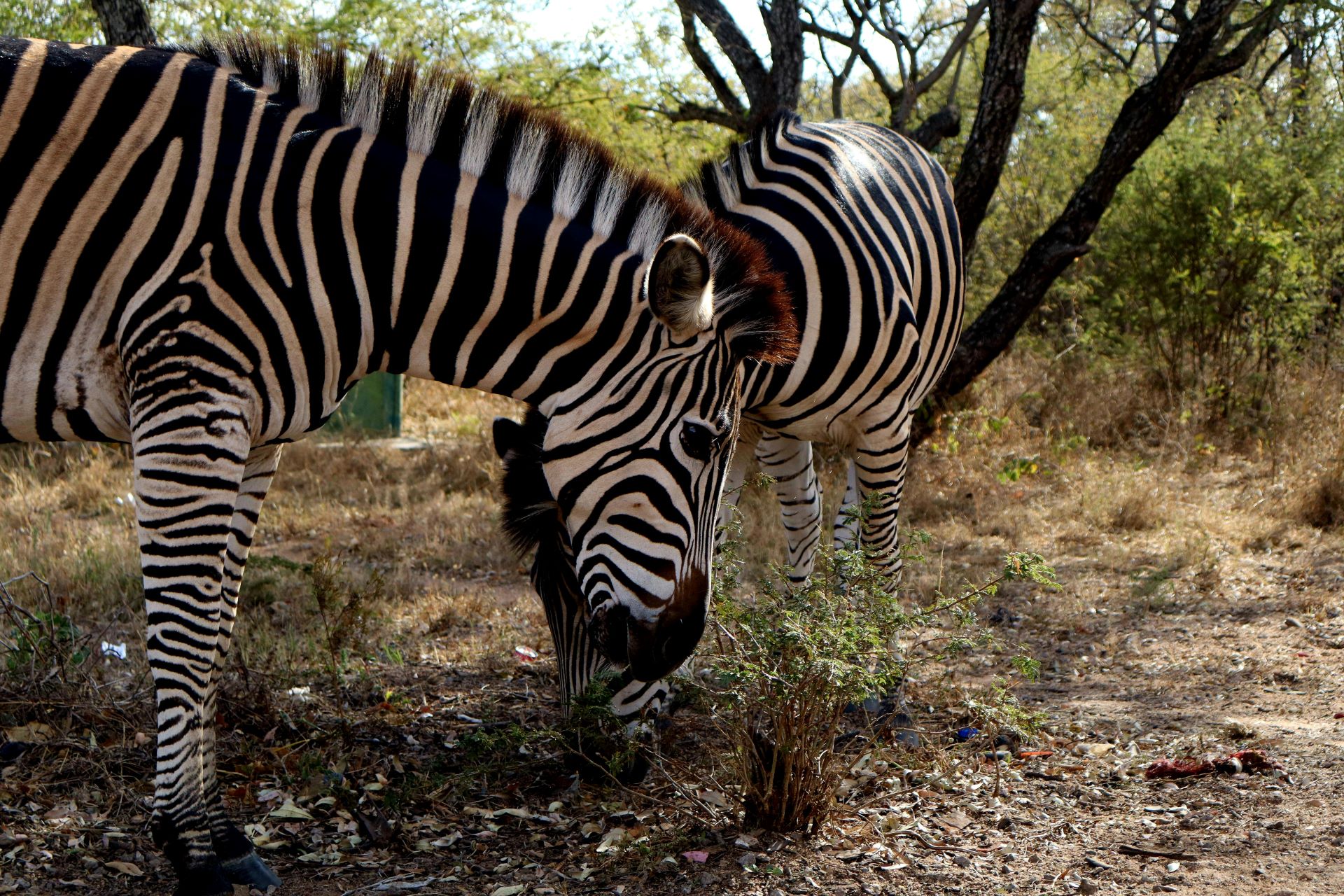
A vital, sometimes overlooked, aspect of wildlife conservation through tourism is community empowerment. South African communities living near protected areas often face economic challenges that can make illegal hunting tempting. By creating employment opportunities in tourism, communities gain a stake in protecting wildlife.
Guiding safaris, running lodges, and participating in eco-tourism programs provide meaningful livelihoods, reducing the incentive for poaching. When locals see direct benefits from conserving wildlife, the relationship between humans and nature transforms from one of conflict to partnership. Tourism thus becomes both a financial lifeline and a social catalyst, strengthening the fabric of community-based conservation.
Promoting Ethical and Responsible Tourism
The effectiveness of tourism in supporting conservation hinges on responsible travel practices. Tourists are encouraged to choose accredited eco-lodges, respect wildlife habitats, and support operators committed to sustainability. Ethical tourism amplifies the impact of contributions, ensuring that financial support reaches conservation and community projects rather than being lost to mismanagement.
South Africa has developed a robust framework of guidelines and certifications to assist travelers in making informed choices. By selecting operators who adhere to these standards, visitors can ensure that their presence supports long-term preservation rather than inadvertently harming the ecosystems they came to enjoy.
Creating Lasting Impact Through Awareness
The benefits of conservation-focused tourism extend far beyond financial support. Every safari, guided tour, or wildlife experience offers an educational opportunity. Tourists leave not only with memories but also with a deeper appreciation of the fragility and resilience of nature. This awareness fosters a culture of advocacy and global responsibility.
Social media, photography, and storytelling allow visitors to share their experiences, spreading the message of conservation worldwide. Each traveler becomes a messenger, amplifying the cause of South Africa’s wildlife and inspiring others to contribute to preservation efforts, creating a ripple effect that extends well beyond the national borders.
Tourism as a Force for Conservation
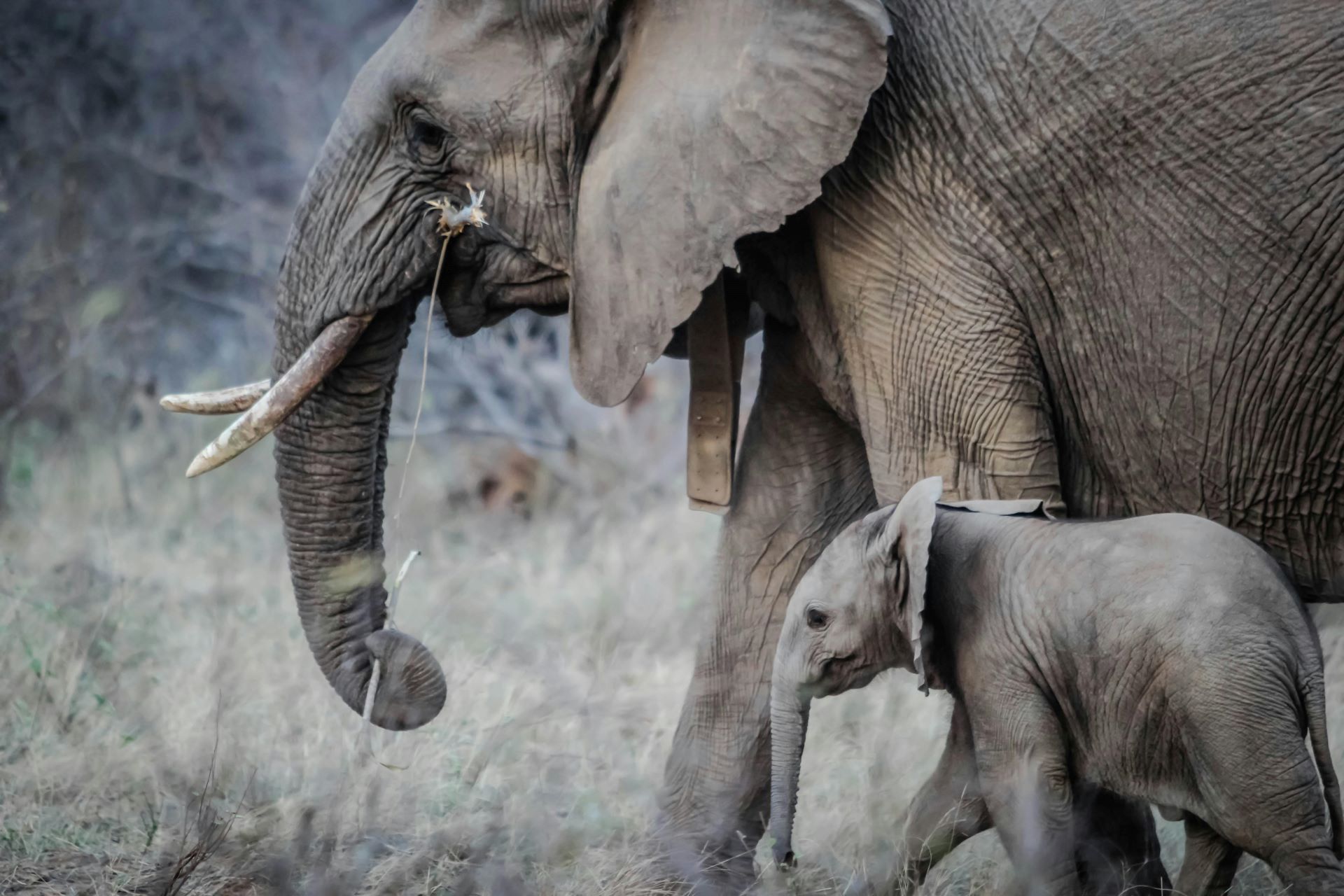
South Africa’s wildlife is a treasure of global significance, and its preservation depends on collective action. Tourism has evolved into a multifaceted force for conservation, offering financial support, advancing research, empowering communities, and educating visitors. Each visitor plays a part in this ecosystem, where economic engagement and environmental stewardship intersect.
By traveling responsibly and supporting conservation-focused experiences, tourists contribute to the survival of iconic species and the restoration of fragile habitats. In doing so, they become partners in a mission that extends beyond borders—a mission to protect South Africa’s natural heritage for generations to come.
Herman
Reporting from the frontlines of the South African tourism renaissance. Bridging the gap between regional stories and global audiences through elite narrative strategy.