

South Africa, a land of breathtaking landscapes and rich cultural diversity, has long been celebrated for its natural beauty, wildlife, and vibrant heritage. Yet, beyond its iconic safaris and world-renowned vineyards, a culinary revolution is unfolding—one that is placing the Rainbow Nation firmly on the global gastronomic map.
Historically, South Africa has not been widely recognized as a fine dining destination on par with France, Italy, or Japan. However, this is rapidly changing. A growing number of chefs, inspired by local traditions and global influences, are elevating South African cuisine to new heights. With an emphasis on indigenous ingredients, bold flavors, and creative storytelling through food, these visionaries are pioneering a fresh and dynamic culinary identity. Though Michelin has yet to establish a dedicated guide for South Africa, the nation’s top-tier restaurants and chefs are drawing international acclaim, enticing discerning travelers and food enthusiasts alike.
Historical Context and Culinary Heritage
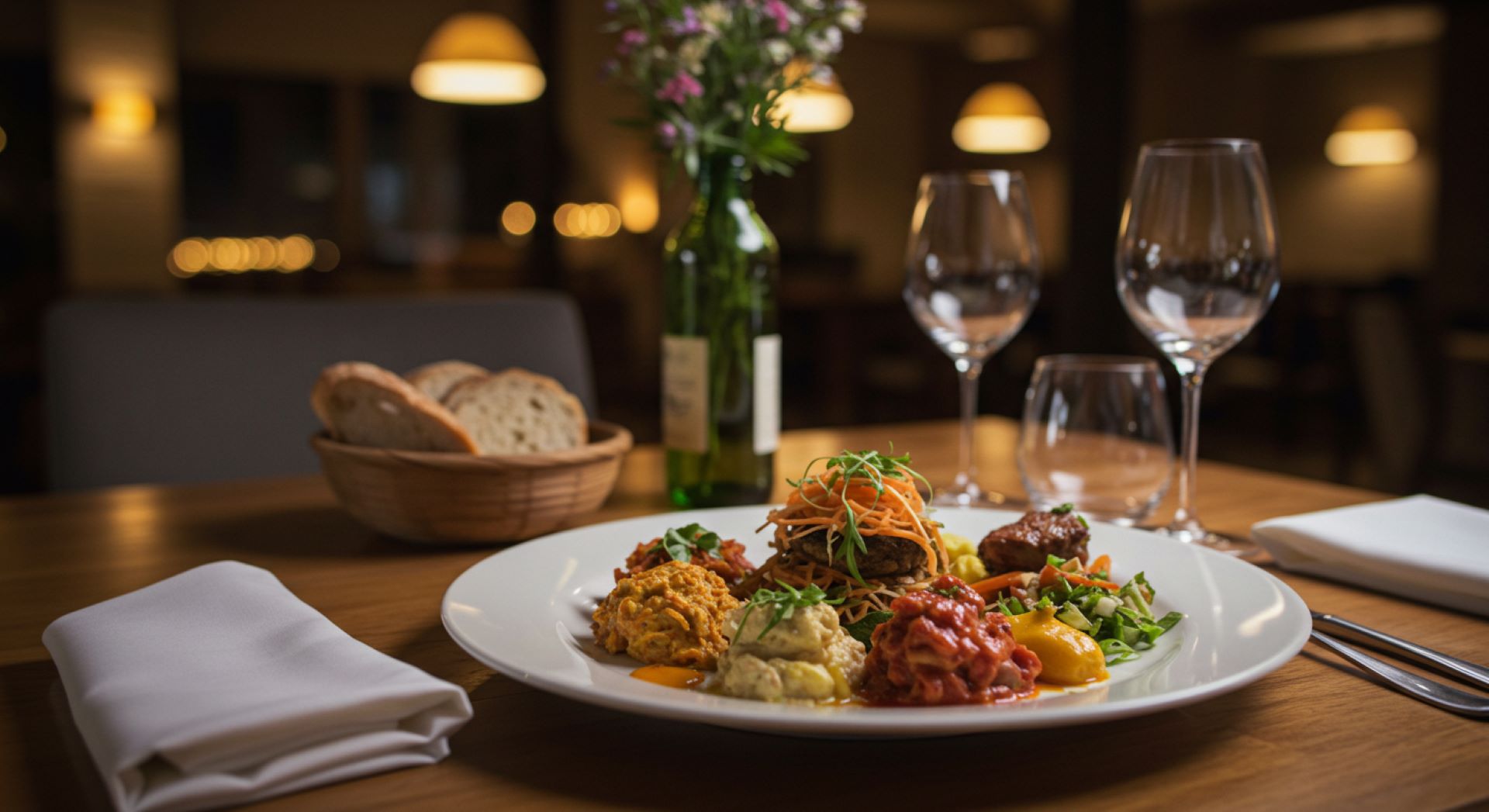
South African cuisine is a vibrant tapestry woven from indigenous traditions and centuries of colonial and immigrant influences. Before European settlers arrived, indigenous communities such as the Khoisan and Xhosa relied on a diet rich in grains, tubers, game meats, and fermented dairy products like amasi. Their cooking methods, including open-fire grilling and slow stewing, remain integral to South African gastronomy today.
With the arrival of Dutch settlers in the 17th century came new agricultural techniques and the introduction of spices from the East Indies. The British brought their love of baking and hearty meat dishes, while enslaved Malays and Indian laborers infused the cuisine with fragrant curries, pickled fish, and roti. The Cape Malay tradition, in particular, is a defining feature of South Africa’s culinary identity, blending sweet and savory flavors in dishes like bobotie and denningvleis.
Over time, these diverse influences merged, giving rise to a unique culinary landscape that reflects the nation’s complex history. Traditional favorites such as boerewors, biltong, pap, and chakalaka are still enjoyed across the country, even as fine dining chefs reinterpret them for contemporary palates.
The Rise of Gourmet and Fine Dining
While South Africa has always been a haven for flavorful, homegrown cuisine, the last two decades have witnessed a remarkable shift toward gourmet and fine dining. This transformation is particularly evident in cities like Cape Town and Johannesburg, where world-class restaurants now rival the best in Europe and North America.
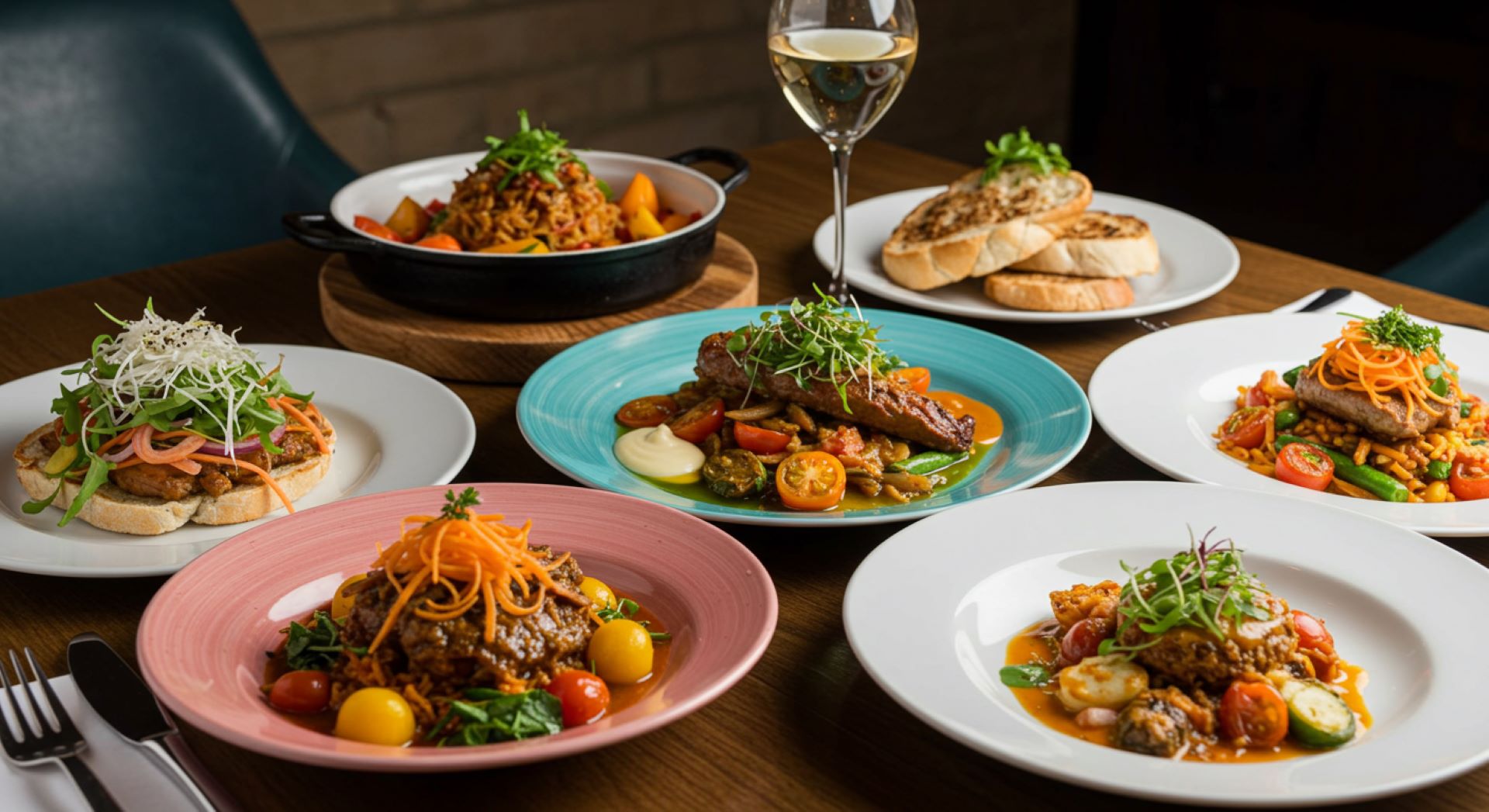
Cape Town, with its breathtaking scenery and cosmopolitan allure, has emerged as a culinary capital. Restaurants such as La Colombe, The Test Kitchen (now reimagined as FYN), and Salsify at The Roundhouse have captivated diners with their innovative tasting menus and artistic plating. Johannesburg, known for its fast-paced energy, is home to trailblazing establishments like Marble and DW Eleven-13, where fire-cooked meats and modernist techniques redefine South African flavors.
What sets South African fine dining apart is its commitment to local ingredients. Chefs are increasingly embracing foraged produce, indigenous herbs, and ethically sourced meats to craft menus that reflect the country’s terroir. From fynbos-infused sauces to Karoo lamb and Kalahari truffles, each dish tells a story of the land and its people.
Profiles of Prominent Chefs and Restaurants
Among the culinary luminaries driving South Africa’s gastronomic rise, a few names stand out. Luke Dale-Roberts, the mastermind behind FYN and the now-closed Test Kitchen, has been instrumental in redefining contemporary South African cuisine. His approach, which seamlessly integrates Japanese influences with indigenous flavors, has earned international accolades.
Bertus Basson, celebrated for his dedication to South African heritage, transforms humble local ingredients into sophisticated plates at establishments like Overture and Eike. His menus pay homage to traditional flavors while pushing creative boundaries.
In the Cape Winelands, Jan Hendrik van der Westhuizen has made history as the first South African chef to receive a Michelin star for his restaurant JAN in Nice, France. He has since opened Restaurant Klein JAN in the Kalahari, where he showcases the rich culinary traditions of the region.
Restaurants such as Wolfgat, led by Kobus van der Merwe, are also gaining global recognition. Located in the small fishing village of Paternoster, Wolfgat is renowned for its hyper-local philosophy, using hand-harvested seaweed, wild herbs, and sustainable seafood to craft an unforgettable dining experience.
Culinary Destinations Beyond the Cities
While Cape Town and Johannesburg are at the forefront of the fine dining movement, South Africa’s culinary gems extend far beyond urban centers. The Cape Winelands, home to world-class vineyards, offers a fusion of exquisite wine and gastronomic delights. Restaurants like Delaire Graff and Rust en Vrede pair award-winning wines with carefully curated tasting menus.
Along the Garden Route, travelers can indulge in farm-to-table experiences at places like The Restaurant at Grootbos, where indigenous fynbos flavors meet contemporary elegance. Meanwhile, the wild coast of KwaZulu-Natal is a haven for seafood lovers, with establishments like 9th Avenue Waterside serving up fresh, locally sourced ocean fare.
The Role of Sustainability and Local Sourcing
Sustainability is at the heart of South Africa’s evolving culinary ethos. Many chefs are championing the use of indigenous and seasonal ingredients to reduce environmental impact. Urban gardens and regenerative farming practices are becoming increasingly prevalent, ensuring that fresh, organic produce is readily available.
Restaurants such as Wolfgat and The Greenhouse emphasize sustainability by minimizing food waste, utilizing traditional preservation techniques, and forging direct relationships with local farmers and fisherfolk. The result is not only an ethical approach to dining but also a deeper connection between food and place.
Challenges and the Road Ahead
Despite its rapid ascent, South Africa’s fine dining industry faces significant challenges. Economic constraints, supply chain disruptions, and the absence of a dedicated Michelin Guide in the region present hurdles to global recognition. However, with a growing focus on authenticity and innovation, the country’s culinary leaders continue to push boundaries.
The future holds promise as more chefs embrace indigenous ingredients and cultural storytelling. The rise of experiential dining—where meals become immersive journeys—also suggests that South Africa’s gastronomic scene will continue to captivate global audiences.
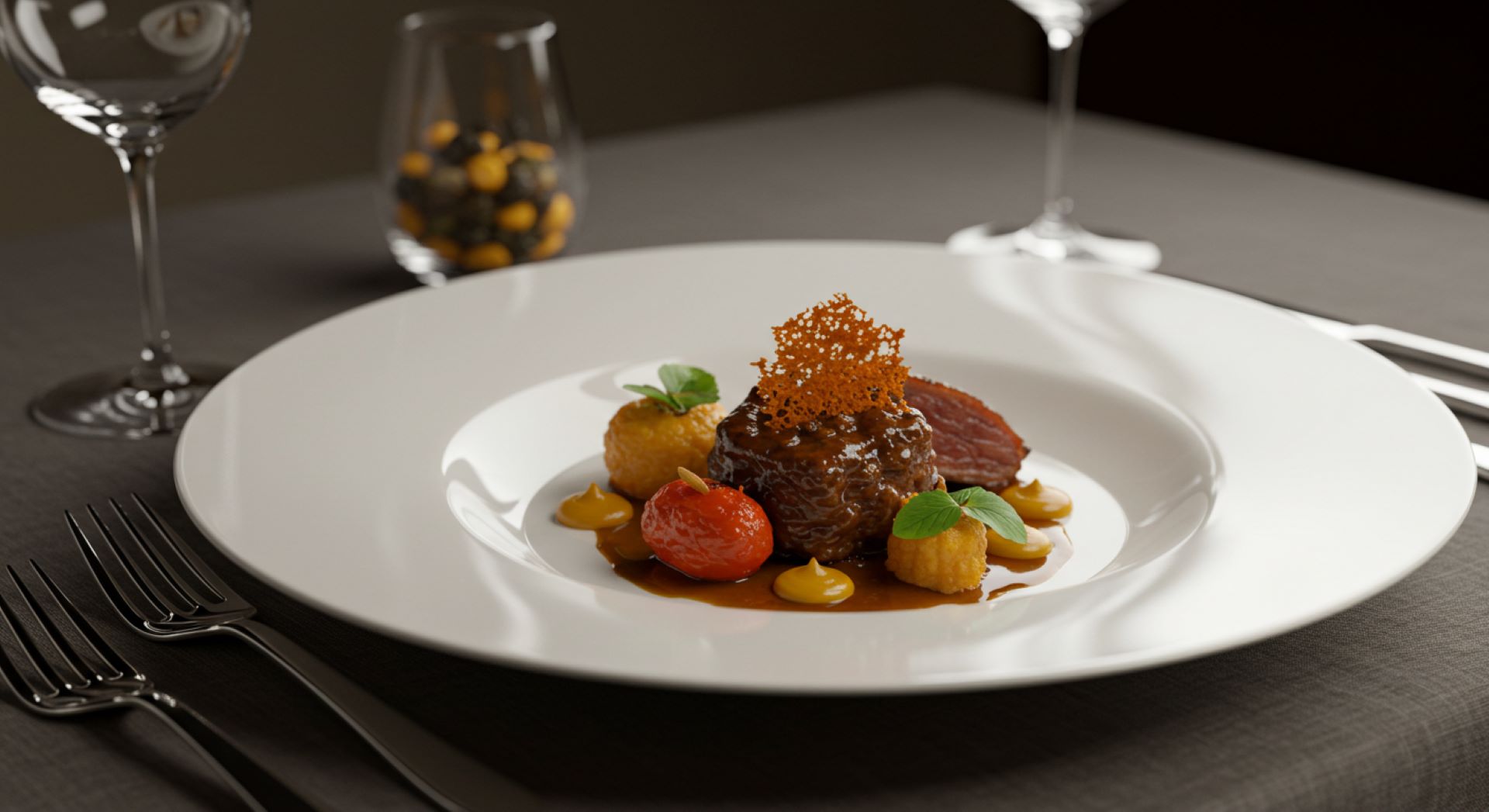
South Africa’s culinary revolution is more than a fleeting trend—it is a powerful movement that bridges tradition and innovation. As the country’s chefs and restaurateurs carve out a unique identity on the global stage, they invite travelers to embark on an extraordinary gastronomic adventure. From the bustling kitchens of Cape Town’s finest establishments to the tranquil landscapes of the Winelands, every plate tells a story of heritage, resilience, and creativity.
For food-loving travelers, South Africa is no longer just a destination for scenic vistas and thrilling safaris—it is a place where flavors speak of history, landscapes whisper through ingredients, and every meal is an unforgettable journey.
Gerald Ferreira
Reporting from the frontlines of the South African tourism renaissance. Bridging the gap between regional stories and global audiences through elite narrative strategy.