

South Africa’s coastline is not just a boundary where land meets ocean. It is a living system of reefs, kelp forests, migratory routes, breeding grounds, and ancient fishing communities. Within this dynamic edge of the country, marine protected areas (MPAs) act as carefully drawn lines in the water, shaping how people interact with the sea.
These conservation zones are increasingly influential in South African tourism. They determine where fishing is allowed, where diving is permitted, and where ecosystems are left to recover without human interference. The result is a delicate balance between protecting biodiversity and enabling sustainable visitor experiences.
For travellers, MPAs often define the quality of their encounter with South Africa’s marine world. For local communities and tourism operators, they introduce both opportunity and constraint. Understanding this tension is essential to understanding coastal tourism in the country today.
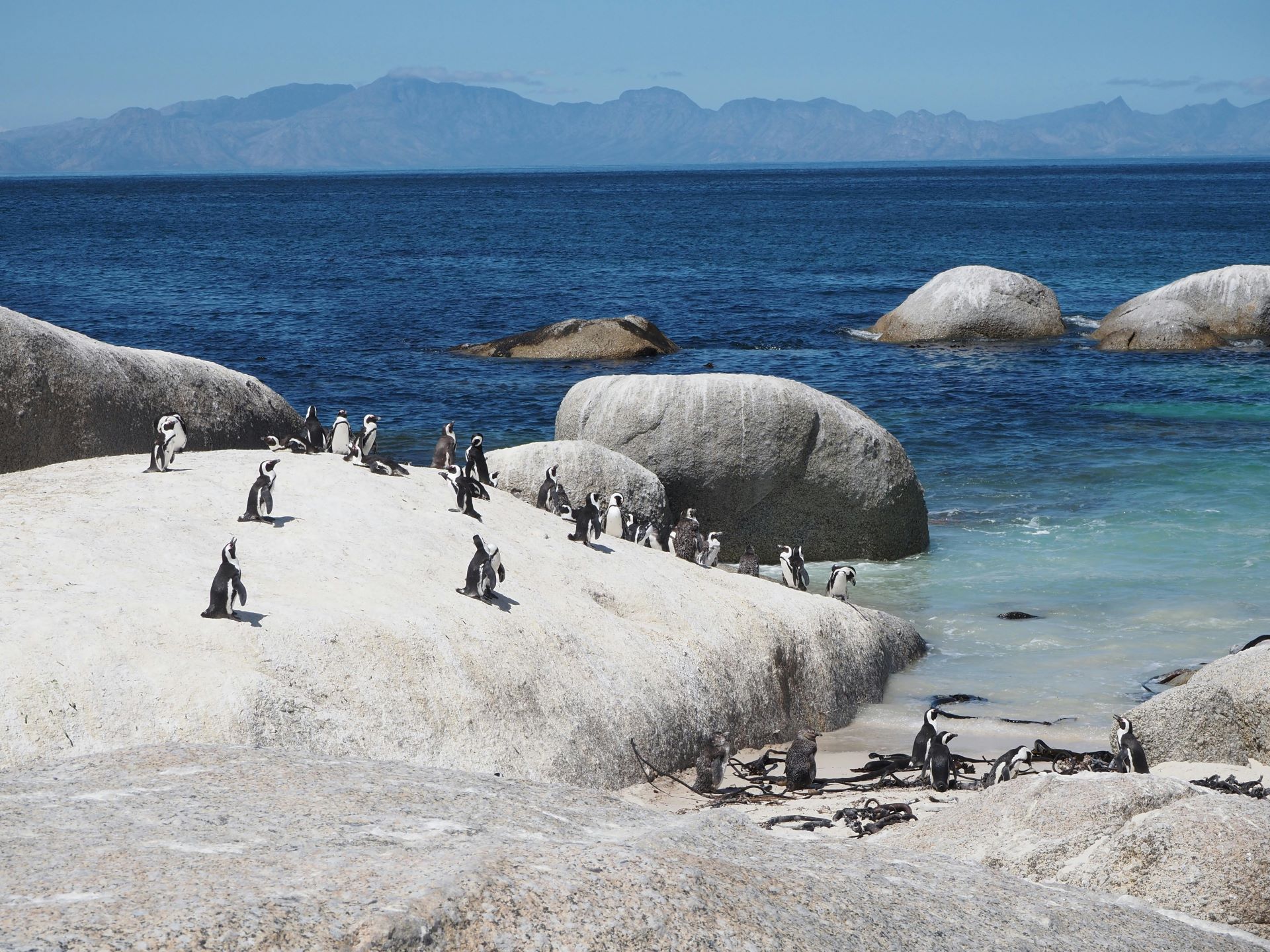
What Marine Protected Areas Mean in South Africa
Marine protected areas are sections of ocean and coastline where human activity is regulated to protect ecosystems and biodiversity. In South Africa, they are established under national environmental legislation and managed by institutions such as the Department of Forestry, Fisheries and the Environment and SANParks.
These areas are not uniform. Some are strict no-take zones where fishing and extraction are entirely prohibited. Others allow limited recreational or subsistence fishing under controlled conditions. A few are multiple-use areas where tourism, research, and regulated fishing coexist.
South Africa has expanded its MPA network significantly over the past two decades, partly in response to global conservation targets and partly due to local ecological pressures. Overfishing, coastal development, and climate-related ocean changes have all contributed to the need for stronger protection.
For tourism, this framework matters because it defines access. A reef that once allowed line fishing or spear fishing may now be a diving-only zone. A coastal stretch that once supported informal harvesting may now be restricted to guided eco-tourism activities. These changes reshape the economic and cultural rhythm of coastal regions.
South Africa’s Key Marine Protected Areas
South Africa’s MPAs stretch across both the Atlantic and Indian Ocean coasts, each with distinct ecosystems and tourism identities.
iSimangaliso Wetland Park Marine Area
The iSimangaliso Wetland Park in KwaZulu-Natal is one of the country’s most significant UNESCO World Heritage Sites. Its marine component includes coral reefs, estuaries, and turtle nesting beaches.
Tourism here is closely tied to conservation. Visitors experience guided snorkelling, seasonal turtle tours, and boat-based wildlife viewing. Fishing restrictions in core zones have allowed reef systems to recover, improving visibility and biodiversity for divers and snorkellers.
The park demonstrates how strict protection can enhance tourism value over time, especially when marketed as an intact natural system rather than a resource extraction zone.
Tsitsikamma Marine Protected Area
Along the Garden Route, the Tsitsikamma Marine Protected Area is one of the oldest in Africa. It features dramatic cliffs, cold-water reefs, and deep kelp forests.
Historically, it was one of the strictest no-take zones in the country. While some regulations have been adjusted over time, it remains a stronghold for conservation-based tourism.
Kayaking, hiking along coastal trails, and guided marine interpretation experiences form the backbone of visitor activity. The absence of fishing pressure has contributed to visible ecological recovery, including increased fish populations and healthier reef structures.
Table Mountain National Park Marine Area
Stretching around Cape Town’s coastline, this MPA integrates urban tourism with marine conservation. It includes iconic sites such as False Bay, Robben Island waters, and the Atlantic seaboard.
This is one of the most complex MPAs in South Africa because it operates in a high-density urban tourism environment. Whale watching, shark cage diving, kayaking, and recreational diving all occur alongside strict conservation rules.
Fishing restrictions here are often a point of debate, especially among recreational anglers. However, the proximity to a major city also makes it one of the most visible examples of how MPAs influence everyday tourism behaviour.
Aliwal Shoal Marine Protected Area
Near Umkomaas in KwaZulu-Natal, Aliwal Shoal is internationally recognised for scuba diving. It is known for shark encounters, coral reefs, and shipwreck sites.
Fishing restrictions have played a critical role in maintaining predator populations, particularly ragged-tooth sharks that attract divers from around the world. Tourism here is highly specialised, built almost entirely around underwater experiences.
Dive operators depend directly on conservation success. Without strong protections, the ecological drawcard of the area would diminish significantly.
De Hoop Marine Protected Area
Located along the southern Cape coast, De Hoop is famous for whale watching from shore, particularly southern right whales during migration season.
The MPA status has helped preserve a calm, low-disturbance environment where marine mammals can breed and calve. Tourism is intentionally low-impact, focusing on walking trails, coastal exploration, and wildlife observation rather than intensive marine activity.
Fishing Restrictions and Their Tourism Ripple Effect
Fishing restrictions are one of the most visible and sometimes controversial aspects of marine protected areas. They directly affect livelihoods, recreation, and tourism operations.
In no-take zones, all forms of extractive fishing are prohibited. This allows fish populations to recover, which can improve ecosystem health and biodiversity visibility. However, it also removes traditional fishing access and can shift local economic patterns.
Recreational anglers often feel the impact most immediately. Areas that were once popular fishing spots may become off-limits or subject to strict seasonal rules. This can create tension between conservation authorities and local communities.
From a tourism perspective, however, these restrictions can create long-term value. Healthier fish populations attract divers, snorkellers, and eco-tourists. Predator species such as sharks and large pelagic fish are more likely to return to protected waters, enhancing marine tourism experiences.
In some regions, a clear shift has been observed:
Reduced fishing pressure
Increased biodiversity visibility
Growth in dive tourism
Higher demand for guided marine experiences
The challenge lies in managing the transition so that communities dependent on fishing are not excluded from the benefits of tourism growth.
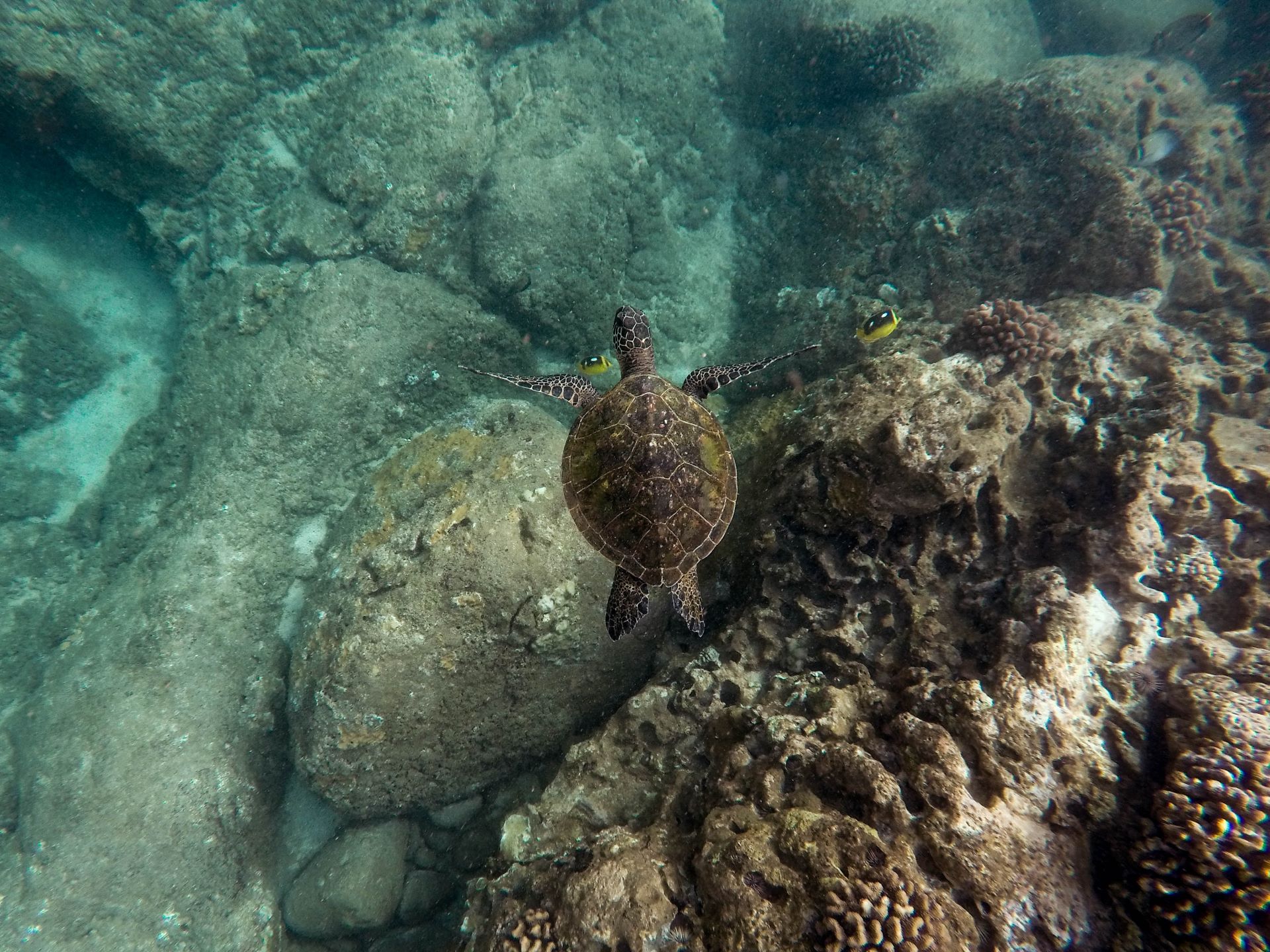
Biodiversity Recovery and the “Return of the Ocean”
One of the most compelling arguments for marine protected areas is biodiversity recovery. When human pressure is reduced, marine ecosystems often respond surprisingly quickly.
In South African MPAs, several patterns have emerged over time.
Fish biomass tends to increase in protected zones, particularly species targeted by fishing. Reef structures become more stable as grazing and destructive harvesting decline. Kelp forests, especially along the Cape coast, show improved density and resilience when disturbance is reduced.
Predators also return. Sharks, often misunderstood and historically persecuted, play a crucial ecological role. Their presence in areas like Aliwal Shoal has become a cornerstone of tourism branding, especially for diving experiences.
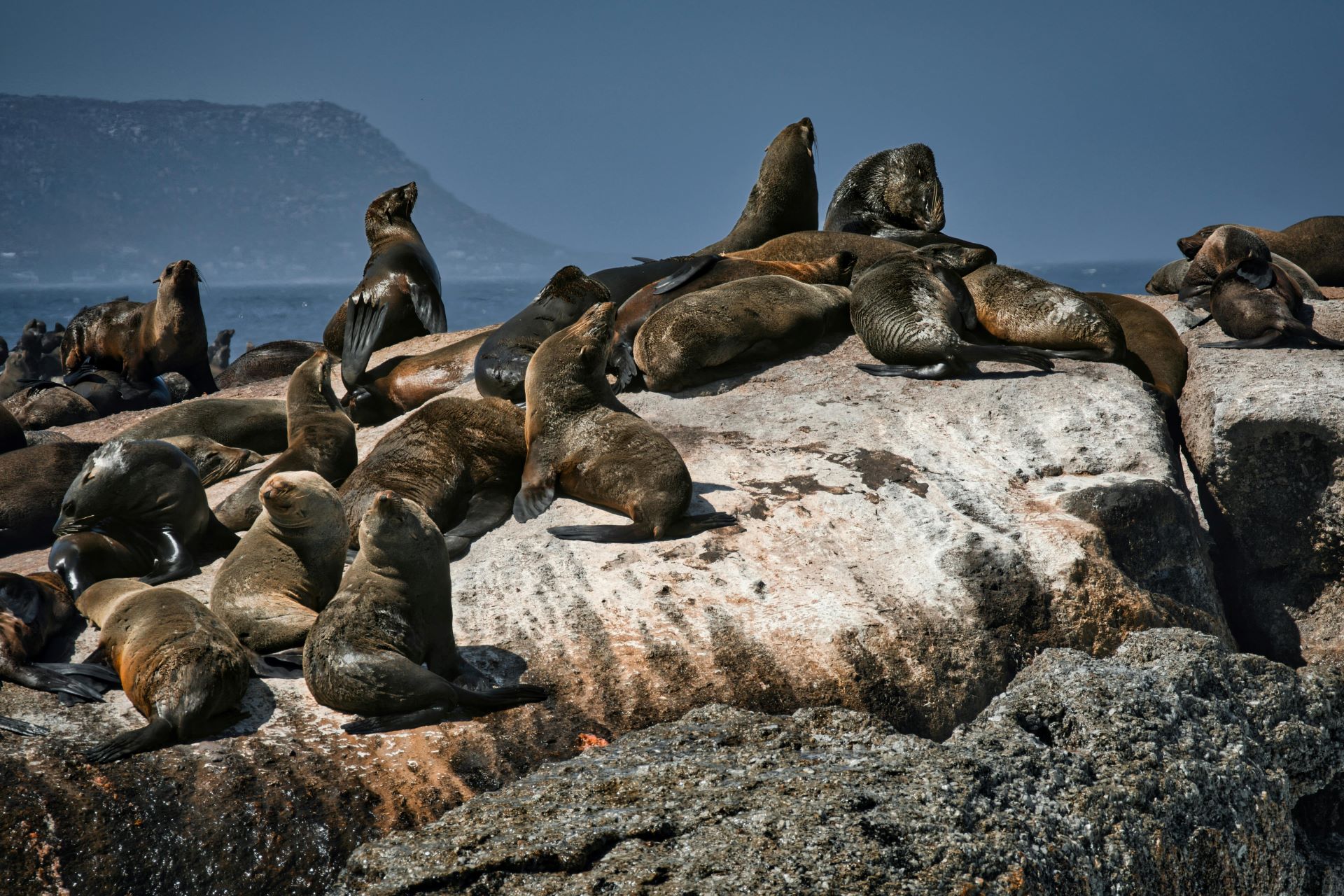
Marine mammals benefit as well. Whales, dolphins, and seals often use protected zones as breeding or resting areas. In places like De Hoop, whale watching tourism has grown in parallel with conservation stability.
Even subtle ecological changes matter for tourism. Clearer water, more abundant fish life, and healthier reef systems all contribute to better visitor experiences. In essence, biodiversity recovery becomes a form of natural infrastructure for the tourism industry.
Eco-Tourism Opportunities Emerging from MPAs
Marine protected areas are not just restrictions. They are also generators of new tourism products and experiences.
In South Africa, eco-tourism linked to MPAs has expanded into several key areas.
Diving tourism is one of the most significant. Locations like Aliwal Shoal and Sodwana Bay rely heavily on healthy marine ecosystems. Divers travel specifically to see intact reefs, sharks, turtles, and complex underwater landscapes.
Whale and dolphin watching has also become a major drawcard. Coastal MPAs provide safe corridors for marine mammals, improving viewing consistency for tourism operators.
Guided interpretation experiences are growing as well. These include marine walks, tide pool exploration, and educational boat trips that focus on ecology rather than extraction.
There is also a growing trend toward citizen science tourism, where visitors contribute to biodiversity monitoring through apps, photography, and structured observation.
However, eco-tourism is not automatically sustainable. It still requires infrastructure, transport, and management. The challenge is ensuring that tourism growth does not recreate the same pressures that conservation areas were designed to prevent.
Trade-Offs Between Conservation and Local Economies
The relationship between marine protected areas and local economies is complex and sometimes emotionally charged.
Fishing communities may experience short-term losses when access is restricted. Tourism operators may benefit, but not always in ways that directly compensate displaced economic activity.
There is also an uneven distribution of tourism revenue. High-end eco-tourism often benefits established operators more than small coastal communities unless deliberate inclusion strategies are implemented.
At the same time, MPAs can create long-term economic resilience. Healthy ecosystems support fisheries outside protected zones through spillover effects, where fish populations increase beyond MPA boundaries.
Tourism can also diversify local economies. Instead of relying solely on fishing, communities can engage in guiding, hospitality, transport services, and conservation work.
The key tension lies in timing. Conservation benefits are often gradual, while economic disruptions are immediate. Managing this temporal imbalance is one of the central policy challenges in South Africa’s coastal development strategy.
Case Studies: Where Protection Meets Tourism Reality
Sodwana Bay: Coral Reef Tourism Engine
Sodwana Bay is one of South Africa’s premier coral reef diving destinations. Its MPA status has helped maintain reef health, making it a global attraction for underwater tourism.
Fishing restrictions have been essential in preserving reef fish diversity. Tourism here is almost entirely dependent on ecological integrity.
False Bay: Urban Conservation Pressure
False Bay illustrates the complexity of urban MPAs. Recreational fishing, shark activity, and tourism coexist in a tightly managed space.
Shark cage diving operations rely on the presence of apex predators, while conservation rules aim to maintain ecological balance in a heavily used marine environment.
Pondoland MPA: Emerging Tourism Frontier
The Pondoland coast represents a more recent conservation focus area. It is less developed for tourism but holds significant biodiversity value.
Here, MPAs are seen as a future opportunity rather than an established tourism engine. The challenge is building infrastructure without undermining ecological integrity.
The Future of Marine Tourism in South Africa
The future of South African coastal tourism is increasingly tied to the health of its marine protected areas. Climate change, ocean warming, and coastal development will continue to pressure ecosystems, making protection more important over time.
Tourism trends suggest a growing demand for authentic, low-impact experiences. Travellers are increasingly interested in conservation narratives, not just scenic beauty.
Technology will also play a role. Digital tracking of marine species, augmented reality interpretation, and real-time ecological data may become part of visitor experiences.
However, success will depend on governance. Effective enforcement of fishing regulations, community inclusion, and sustainable tourism planning will determine whether MPAs remain ecological success stories or become contested spaces.
Protected Oceans, Shared Future
Marine protected areas are reshaping South Africa’s coastline in profound ways. They influence where people fish, where they travel, and how they experience the ocean.
For tourism, they act as both boundary and catalyst. They restrict certain activities while enabling new forms of marine engagement. They reduce extraction while increasing ecological visibility.
The tension between conservation and access is not a flaw in the system. It is the system itself, constantly negotiating between human need and ecological limits.
In South Africa, where ocean identity is deeply tied to culture, livelihoods, and leisure, MPAs are becoming more than conservation tools. They are defining what coastal tourism means in the 21st century.
Elisha Roodt
Reporting from the frontlines of the South African tourism renaissance. Bridging the gap between regional stories and global audiences through elite narrative strategy.