

The Allure of South Africa’s Coastal Wilderness
South Africa’s coastline stretches for over 2,500 kilometers, embracing the Atlantic and Indian Oceans with a rich tapestry of marine life. From the icy waters of the Western Cape to the subtropical realms of KwaZulu-Natal, these waters teem with species that capture the imagination of locals and visitors alike. Among the draws for conscientious travellers are the majestic whales that breach along the shores, playful dolphins that ride the waves, and endangered sea turtles whose nesting rituals are both fragile and extraordinary. For travellers seeking more than just a scenic view, marine conservation tourism offers a gateway to witness, understand, and contribute to the protection of these oceanic treasures.
In recent years, the tourism industry has evolved from passive observation to active stewardship. Visitors now have the opportunity to partake in guided tours designed to support conservation efforts, learn from marine biologists, and engage in initiatives that safeguard the delicate ecosystems of South Africa’s coastal waters. These experiences are not only transformative for the participants but also vital for the survival of the species they encounter.
Whale Watching Responsibly
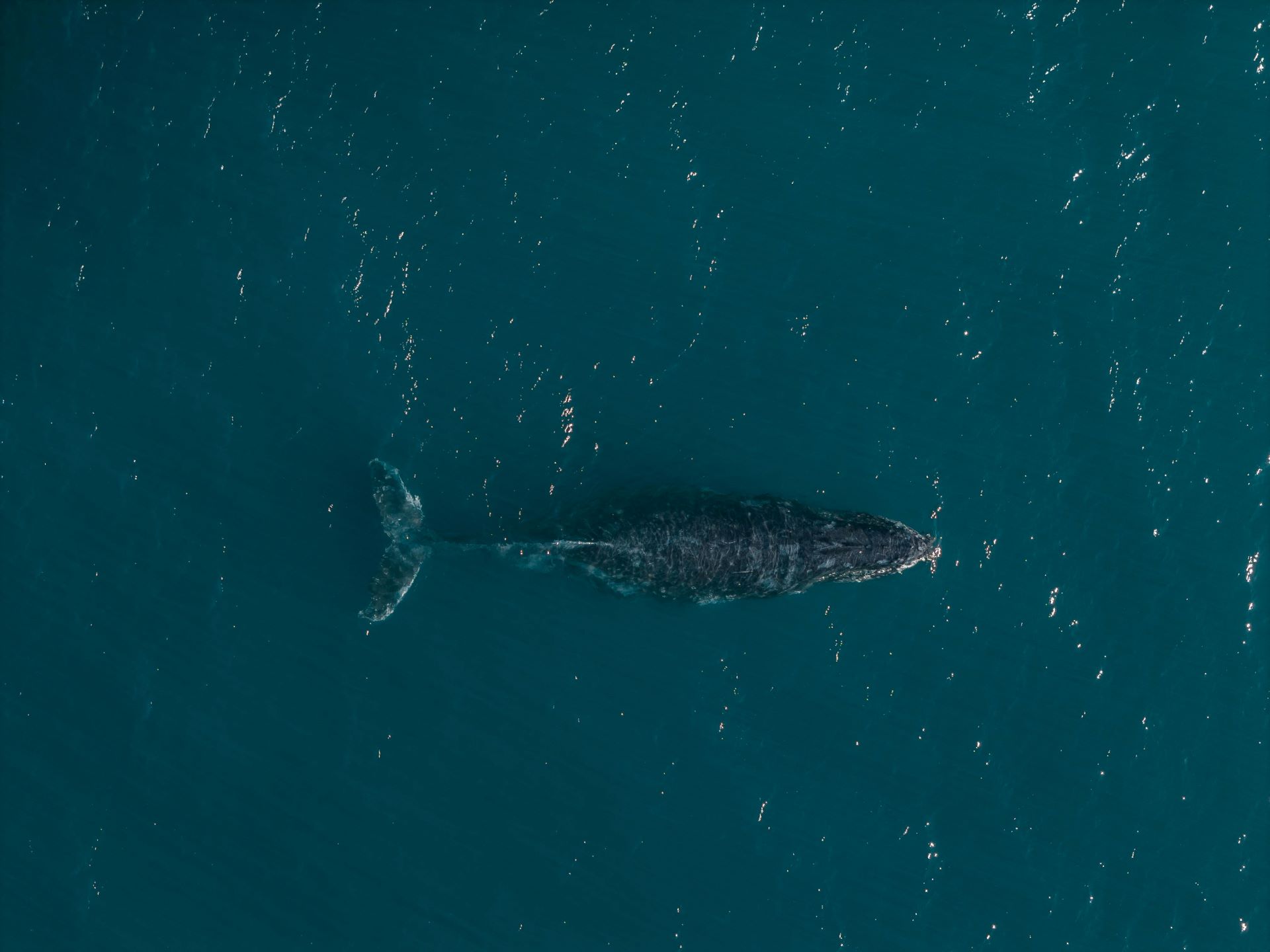
The southern right whale, a symbol of the Western Cape’s coastal allure, returns annually to the sheltered bays of Hermanus, Gansbaai, and Plettenberg Bay, drawing tourists from around the globe. The appeal is irresistible: the immense bodies of these leviathans glide through the surf, sometimes slapping their flukes or breaching the surface with a force that resonates through the very sands of the shoreline. Yet, behind this spectacle lies a delicate balance between human fascination and the welfare of the whales.
Responsible whale watching involves more than keeping a respectful distance. Accredited operators adhere to strict codes that minimise noise pollution, limit the number of vessels, and ensure that whales are not disturbed during critical periods such as calving or nursing. Guides trained in marine biology often accompany tours, providing insight into whale behaviour, migratory patterns, and the threats posed by fishing nets, pollution, and climate change. Through such experiences, tourists become informed advocates, realising that witnessing these giants comes with a responsibility to preserve their habitat.
Communities along the coast have increasingly recognised the economic and ecological value of whale conservation tourism. Local guides, boat operators, and hospitality providers work in tandem with environmental organisations to create immersive experiences that are sustainable both financially and environmentally. By contributing to entry fees, donations, or educational programmes, visitors support not only the survival of whales but the livelihoods of coastal communities who depend on tourism.
Dolphins: Playful Ambassadors of the Sea
While whales inspire awe through their sheer size and majesty, dolphins capture hearts with their intelligence, social behaviour, and unmistakable playfulness. South Africa’s coastal waters are home to several dolphin species, including the common bottlenose dolphin, the humpback dolphin, and the indigenous Indian Ocean humpback. Dolphin encounters, whether on a guided boat tour, kayak excursion, or from the comfort of a glass-bottomed vessel, offer a rare opportunity to witness these mammals’ curiosity and intricate social structures.
Sustainable dolphin tourism goes beyond fleeting entertainment. Ethical operators educate participants on the delicate dynamics of pod life, the significance of dolphin communication, and the human-induced challenges these creatures face. Tourists learn to appreciate why chasing or feeding wild dolphins is harmful and how their behaviour changes when stressed by human interaction. By adhering to best practices, such as maintaining safe distances and avoiding overcrowded tours, visitors contribute to the well-being of these sentient ocean dwellers.
In certain regions, research initiatives have integrated eco-tourism with conservation science. Tourists are invited to participate in citizen science projects, recording sightings, tracking pod movements, or assisting in data collection that informs regional protection policies. The experience is profoundly rewarding: observing dolphins in their natural habitat, while knowing that each interaction fosters knowledge and conservation action, deepens the connection between humans and the marine environment.
Turtle Conservation: Guardians of the Sands
Along South Africa’s subtropical shores, sea turtles undertake epic journeys that span thousands of kilometers, returning to the very beaches where they were born to lay their eggs. Species such as the loggerhead, leatherback, and green turtle face mounting pressures from habitat destruction, poaching, and marine pollution. Turtle conservation projects along the Eastern Cape, KwaZulu-Natal, and Northern KwaZulu-Natal coasts offer tourists the chance to witness and participate in one of nature’s most awe-inspiring cycles.
Nest monitoring, hatchling release events, and beach patrols form the backbone of these initiatives. Trained conservationists guide visitors through the ethical protocols required to protect nests from predators, environmental hazards, and human interference. The gentle release of hatchlings into the ocean is a poignant ritual that underscores the fragility and resilience of these ancient mariners. Tourists not only experience an unforgettable encounter but also leave with an understanding of how their support directly impacts the survival of the species.
Moreover, conservation tourism involving turtles often integrates local communities. Eco-lodges and volunteer programmes collaborate with coastal villages, providing education, employment, and awareness campaigns. Guests gain insight into the interdependent relationship between human communities and marine life, reinforcing the message that protecting turtles is a shared responsibility that extends beyond the beach.
The Intersection of Tourism and Conservation
South Africa’s marine conservation tourism exemplifies a model where economic development and ecological stewardship are not mutually exclusive. Operators, researchers, and local authorities are increasingly adopting a holistic approach: tourism revenues are reinvested into habitat protection, wildlife monitoring, and community education programmes. These initiatives foster a sense of ownership among visitors and locals alike, cultivating advocates who carry the message of conservation far beyond the coastline.
Education plays a pivotal role in this symbiosis. Informative talks, interactive displays, and guided excursions allow tourists to grasp the complexities of marine ecosystems, the delicate balance of predator and prey, and the threats posed by climate change, overfishing, and plastic pollution. By combining adventure with learning, conservation tourism transforms casual observers into engaged participants, reinforcing the notion that every action, however small, has a ripple effect across the ocean.
Sustainable Travel Practices for Marine Tourism
Visitors have a crucial role in ensuring that marine experiences remain sustainable. Simple practices such as choosing operators certified for responsible tourism, avoiding single-use plastics during excursions, and respecting wildlife viewing guidelines contribute significantly to conservation efforts. Travellers are encouraged to support local businesses that prioritize ethical practices, from eco-friendly accommodations to community-run eateries, ensuring that tourism dollars reinforce the principles of sustainability.
Furthermore, travellers can extend their impact by participating in volunteer programmes or supporting organisations that monitor and rehabilitate marine life. Whether it’s joining a beach clean-up initiative, contributing to data collection, or sponsoring a turtle nest, these actions transform tourism into a proactive force for ecological preservation.
Immersive Experiences Along the South African Coast
Certain destinations stand out as epicentres for marine conservation tourism. Hermanus, heralded as the whale capital of the world, offers cliffside viewing, boat tours, and educational workshops that immerse visitors in the rhythms of the ocean. Along the Garden Route, Plettenberg Bay presents a convergence of whale watching, dolphin encounters, and estuarine biodiversity, while the Wild Coast provides intimate turtle conservation projects that allow tourists to engage closely with hatchlings and nests.
KwaZulu-Natal’s coast, from Durban to Sodwana Bay, offers a different palette of experiences. Here, subtropical waters nurture vibrant coral reefs, playful dolphins, and nesting turtles. Eco-tourism operators offer snorkelling and diving excursions with environmental briefings, ensuring that underwater exploration is conducted responsibly. Visitors can glimpse the region’s marine megafauna while leaving minimal ecological footprint, an approach that exemplifies the principles of conservation tourism.
The Emotional and Educational Impact
Beyond the ecological and economic benefits, marine conservation tourism evokes a profound emotional response. Observing a whale breach, a dolphin pod riding the swell, or hatchlings scuttling towards the surf fosters empathy, awe, and a sense of interconnectedness. These encounters are transformative, shaping perspectives and inspiring commitment to protecting marine life.
Education complements emotion. Through guided experiences, participants learn about species behaviour, ecological interactions, and the cumulative impact of human activity. Understanding these dynamics equips visitors with knowledge that informs future choices, whether in travel, consumption, or advocacy. Conservation tourism, therefore, merges the heart and mind, cultivating both appreciation and responsibility.
Challenges and the Path Forward
While marine conservation tourism in South Africa has flourished, it is not without challenges. Over-tourism, climate change, illegal fishing, and pollution threaten the delicate balance between visitation and preservation. Maintaining strict adherence to codes of conduct, monitoring ecological impact, and continuously engaging communities are essential to ensure that tourism supports rather than undermines conservation efforts.
Innovation also plays a role. Technology, such as real-time tracking of whale migration or turtle nesting patterns, enhances both research and visitor engagement. Virtual reality experiences, underwater cameras, and interactive apps allow for remote observation, expanding access while reducing pressure on sensitive sites. South Africa’s commitment to integrating technology with conservation exemplifies forward-thinking stewardship that balances human curiosity with environmental responsibility.
Tourism That Gives Back
South Africa’s coastline is more than a destination; it is a living classroom, a sanctuary for marine life, and a canvas for ethical tourism. Whale watching responsibly, engaging with dolphins, and participating in turtle conservation projects are not merely recreational activities—they are acts of advocacy, education, and support for the ecosystems that define the nation’s coastal identity.
Marine conservation tourism represents a convergence of adventure and altruism, offering experiences that are as enriching as they are responsible. Visitors leave with memories of majestic breaches, playful splashes, and fragile hatchlings, alongside a deeper understanding of their role in preserving the oceans. In South Africa, the call of the ocean resonates with purpose: to inspire, to educate, and to safeguard the fragile beauty of life beneath the waves.
By choosing responsible operators, supporting local communities, and respecting wildlife, travellers become part of a growing movement that ensures South Africa’s marine wonders endure for generations to come. Here, tourism is more than observation—it is participation in the preservation of a vital, irreplaceable ecosystem.
Ronel Ferreira
Reporting from the frontlines of the South African tourism renaissance. Bridging the gap between regional stories and global audiences through elite narrative strategy.