

Ride the Wind: An Insider’s Guide to Kite Surfing in the Western Cape
The Western Cape of South Africa is more than a postcard landscape, it’s a playground for wind‑powered water sports. When the Atlantic swell meets the perfect thermals, and the sandy beaches stretch into inviting blue horizons, a realm of kite surfing magic unfurls. This is a region where both daring and dreamers chase gusts, carve through surf, and find a rhythm between adrenaline and serenity.
In the heart of South African tourism, kite surfing feels both elemental and exhilarating. Whether you’re a curious beginner eager to catch your first flight across the water or a seasoned rider chasing the trade winds, the Western Cape delivers with unmatched diversity.
In this extensive guide, we explore not just where to go and when, but how to prepare, what gear to choose, where to learn safely, and how to align your trip with seasonal winds and tides.
Why the Western Cape? Winds That Call Your Name
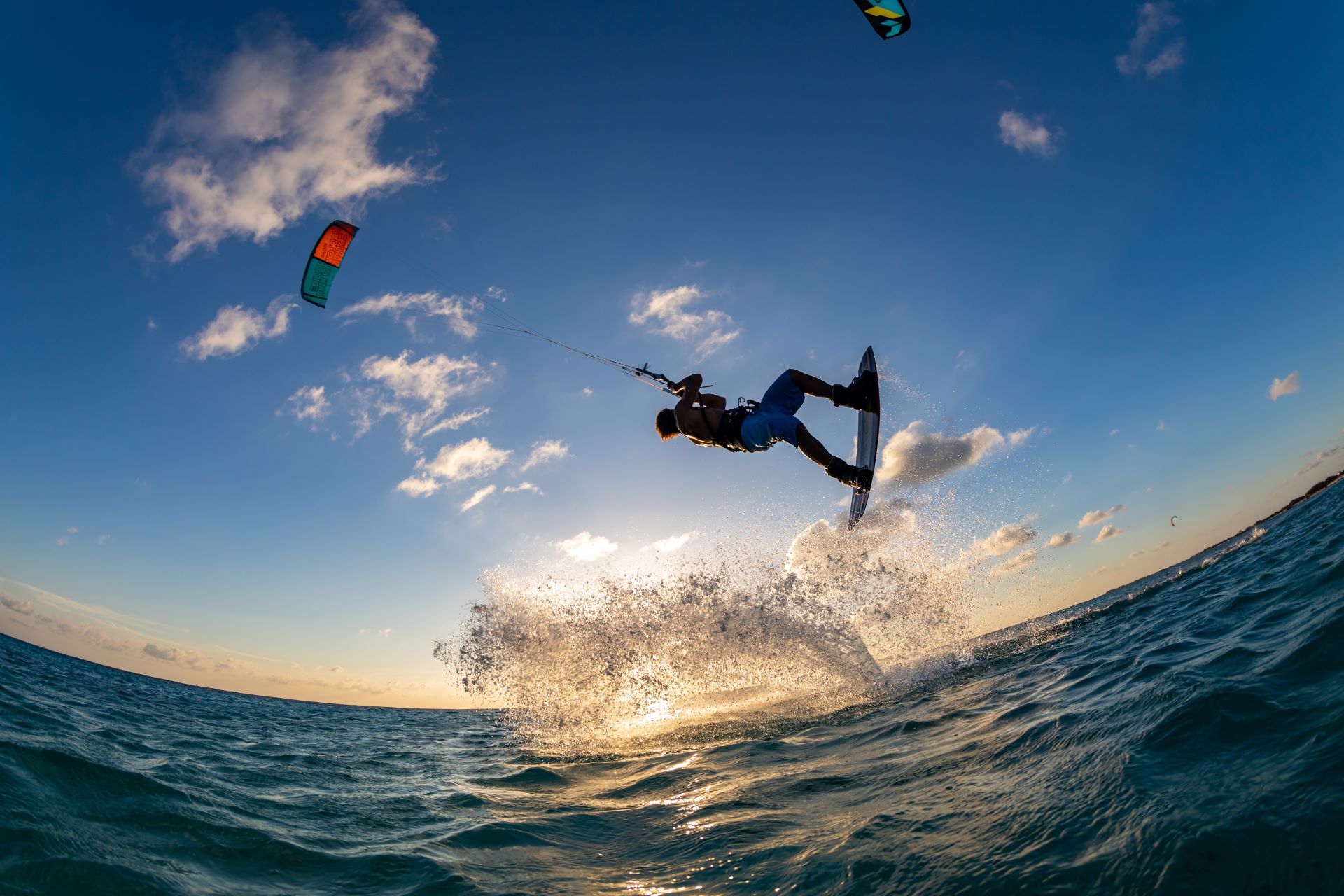
There’s a natural force at play in the Western Cape that kite surfers around the world revere: consistent wind. Unlike many other destinations where wind is fickle and fleeting, the Cape’s coastal geography—marked by the meeting of ocean currents and the dance of summer thermals—creates predictable, strong and sustained wind patterns.
Imagine a place where late morning brings a reliable sea breeze, and afternoons build into steady wind speeds that whisper “kite out.” That’s the Western Cape in summer. Cape Town’s famous “Cape Doctor” southeaster wind is a staple for riders, and when the wind shifts to southwest, it sweeps across beaches with force and favor.
Wind conditions here are not just strong, they are consistent in direction and duration. For tourists seeking reliability, that’s a golden ticket. Every day becomes a potential session, and every session becomes a memory etched in spray and speed.
Scouting the Spots: From Calm Bays to Challenging Reefs
Bloubergstrand: The Classic Playground
Nothing encapsulates Western Cape kite culture quite like Bloubergstrand. With Table Mountain as its backdrop and the broad sweep of Table Bay ahead, this iconic stretch of beach is as photogenic as it is functional.
Here, the wind usually builds steadily in the early afternoon, and the flat water near shore makes it especially friendly for learners. Schools line the beach offering structured lessons. More experienced riders can head further out for wave play near the break.
Bloubergstrand is the place where many kite surfers fall in love with the sport. It’s scenic, social, spirited, and—most importantly—reliable.
Muizenberg: Gentle, Warm, Beginner Friendly
If your goal is to learn with confidence, Muizenberg is a must. Known for its mellow waves and gentler wind, this sandy stretch offers forgiving conditions that are ideal for first flights on a kiteboard.
The vibe here is relaxed. Lessons are oriented toward building foundational skills: flying the kite, body dragging, water starts, and board control—all in a welcoming environment. Plus, the warm waters and slower pace make long sessions feel effortless.
Langebaan Lagoon: Flatwater Heaven
For flatwater fanatics and freestyle aspirants, Langebaan Lagoon is a gem. Just over an hour’s drive from Cape Town, this expansive lagoon protects riders from big swells while providing consistent wind channels.
It’s a favorite for kite schools, camps, and group retreats. Deepwater edges allow learners to progress swiftly, and advanced riders often use the flat surface to practice tricks and jumps.
Paternoster and Velddrif: Untamed Coasts and Open Seas
If solitude and adventure are on your wish list, consider the stretches around Paternoster and Velddrif. Farther from the urban hum of Cape Town, these beaches have a wilder character.
Here the wind can be more variable, and the conditions tougher. But for experienced surfers looking to escape crowds and embrace raw coastal power, this is where the Western Cape feels most pristine.
Seasonality: When to Plan Your Kite Surfing Trip
Understanding seasonality is key to planning an unforgettable kite surfing adventure in the Western Cape. The region’s wind patterns, water temperatures, and beach conditions shift meaningfully throughout the year.
Summer (November to March): Prime Kite Season
Summer is undisputedly the peak time for kite surfing in the Western Cape. The famous southeaster winds pick up reliably, often hovering between 18 to 30 knots in the afternoon. The long, sunny days invite riders to stay out until sunset, riding one session after another.
During these months:
Bloubergstrand and Langebaan Lagoon offer especially consistent winds.
Muizenberg warms up, making the water more welcoming.
Group tours and schools operate at peak capacity, meaning more options but also more riders.
However, summer can also bring crowds. Planning travels and lessons early is wise.
Autumn (April to May): Golden Winds and Mellow Tides
As the Cape transitions into autumn, the winds begin to stabilize in a different rhythm. Wind speeds may soften slightly, but they remain dependable, especially in early autumn.
Autumn offers a quieter beach experience and still plenty of rideable days. Water temperatures might cool, so appropriate wetsuit gear becomes important.
Winter (June to August): Storm Winds and Big Waves
Winter brings a change of mood. The southeaster winds give way to westerlies and southwesterlies. Storm systems churn up the Atlantic, and swells roll in with increased intensity.
This is not beginner territory. But for avid wave riders and big‑water enthusiasts, winter in the Western Cape is a siren’s call. Rugged beaches like those near Paternoster turn into powerful playgrounds.
It’s also low tourist season, meaning fewer crowds and an opportunity to connect with local culture and landscape beyond the water.
Spring (September to October): Reigniting the Wind
Spring begins to tease back the summer thermals. The wind returns but can be more fickle early in the season. It’s a transitional period, yet many days still offer solid sessions.
Spring is excellent for learners looking to avoid peak season crowds while still catching lively breezes.
Choosing the Right Gear: From Boards to Harnesses
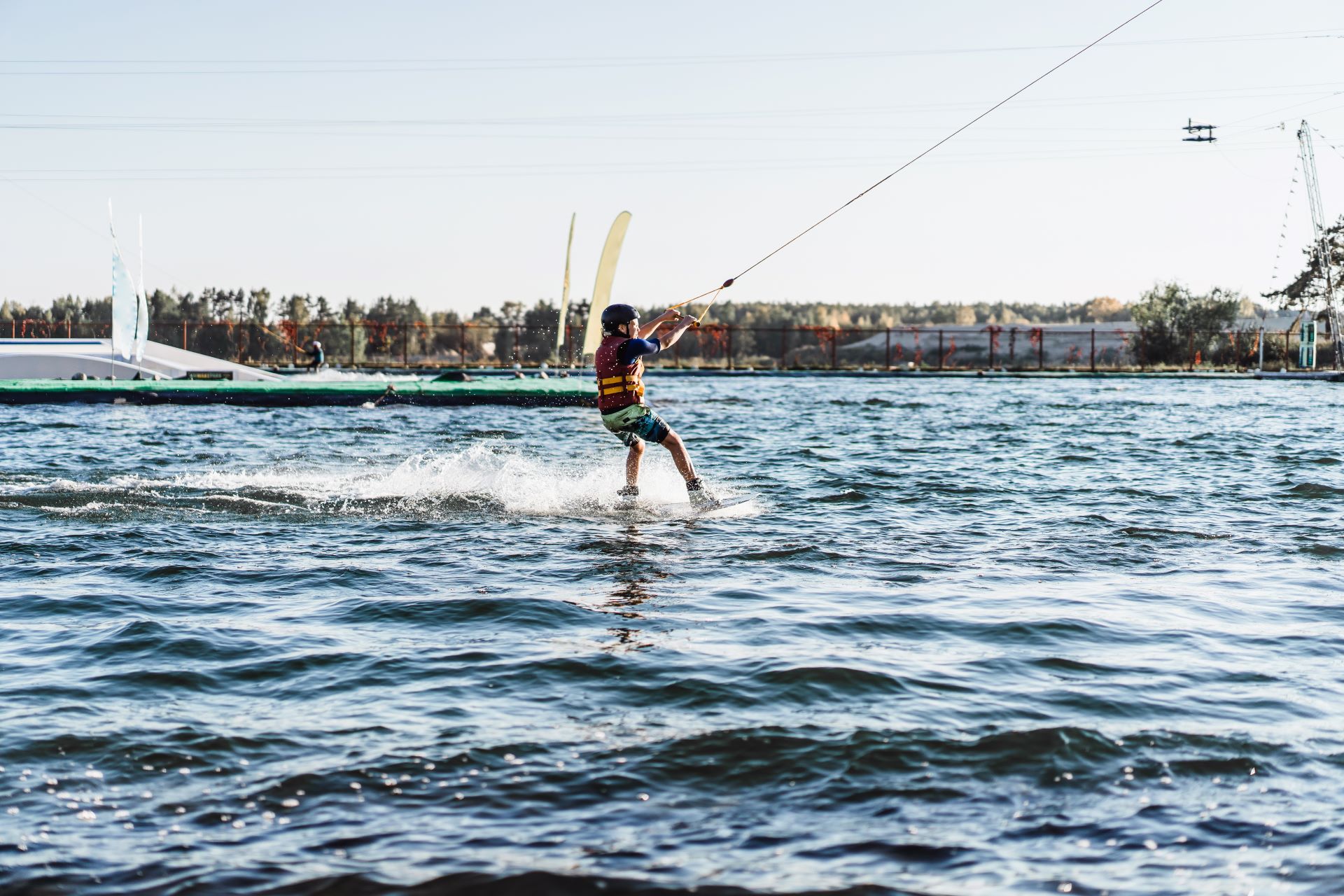
The right gear can transform your kite surfing experience. In the Western Cape’s variety of conditions, versatility is key.
Kite Types and Sizes
Winds here can be robust. A good quiver might include:
A larger freeride kite for lighter wind days.
A smaller, performance‑oriented kite for strong breezes.
A medium kite built for stability and predictability in variable winds.
Modern inflatable kites with stable wind windows help learners build confidence. Experienced riders often mix freeride and wave kites to adapt to changing gusts.
Board Choices
Beginners typically start on larger, twin‑tip boards that provide stability and easier upwind riding. As riders progress:
Smaller twintips offer more maneuverability.
Directional boards unlock wave‑riding potential.
For Lagoon sessions (like Langebaan), plan for a board that excels on flat water.
Harnesses and Safety Gear
A comfortable seat or waist harness reduces fatigue and improves control. Safety must always be paramount:
A reliable quick‑release system is non‑negotiable.
A helmet and impact vest add protection, especially in waves or windier spots.
Wetsuits are essential outside peak summer months, as Atlantic water runs cool even in summer.
Local shops and schools often offer gear rentals. But if you plan an extended stay, bringing your own equipment ensures familiarity and performance.
Lessons: Learning from the Best
Many international kite surfers will tell you that South African instruction is world‑class. Schools across the Western Cape blend safety, skill development, and local insight.
Lessons typically include:
Understanding wind and weather.
Kite setup and safety procedures.
Body dragging and water starts.
Board riding basics and progressive drills.
Advanced technique refinement for experienced kite surfers.
Certified instructors focus on progression and confidence. Learning in safe, supervised conditions makes all the difference, especially when transitioning from beach to open water.
Safety First: Reading Winds, Currents and Surf
Kite surfing is an adventure, but it demands respect for natural forces. Local surf and wind forecasts help riders choose the best windows. Rip currents, tidal changes, and offshore winds can shift conditions quickly.
Always check with local schools or experienced riders before heading out to unfamiliar beaches. Their knowledge of local wind quirks and hazards is invaluable.
Beyond the Water: Culture, Cuisine and Cape Town Life
Kite surfing in the Western Cape isn’t just about wind and waves—it’s about a way of life. After sun‑drenched sessions:
Explore Cape Town’s lively culinary scene.
Sip wine in historic Stellenbosch or Franschhoek.
Wander coastal markets and seaside promenades.
Evenings filled with fresh seafood, stories from fellow riders, and sunsets over the Atlantic make every trip unforgettable.
Your Western Cape Kite Surfing Adventure
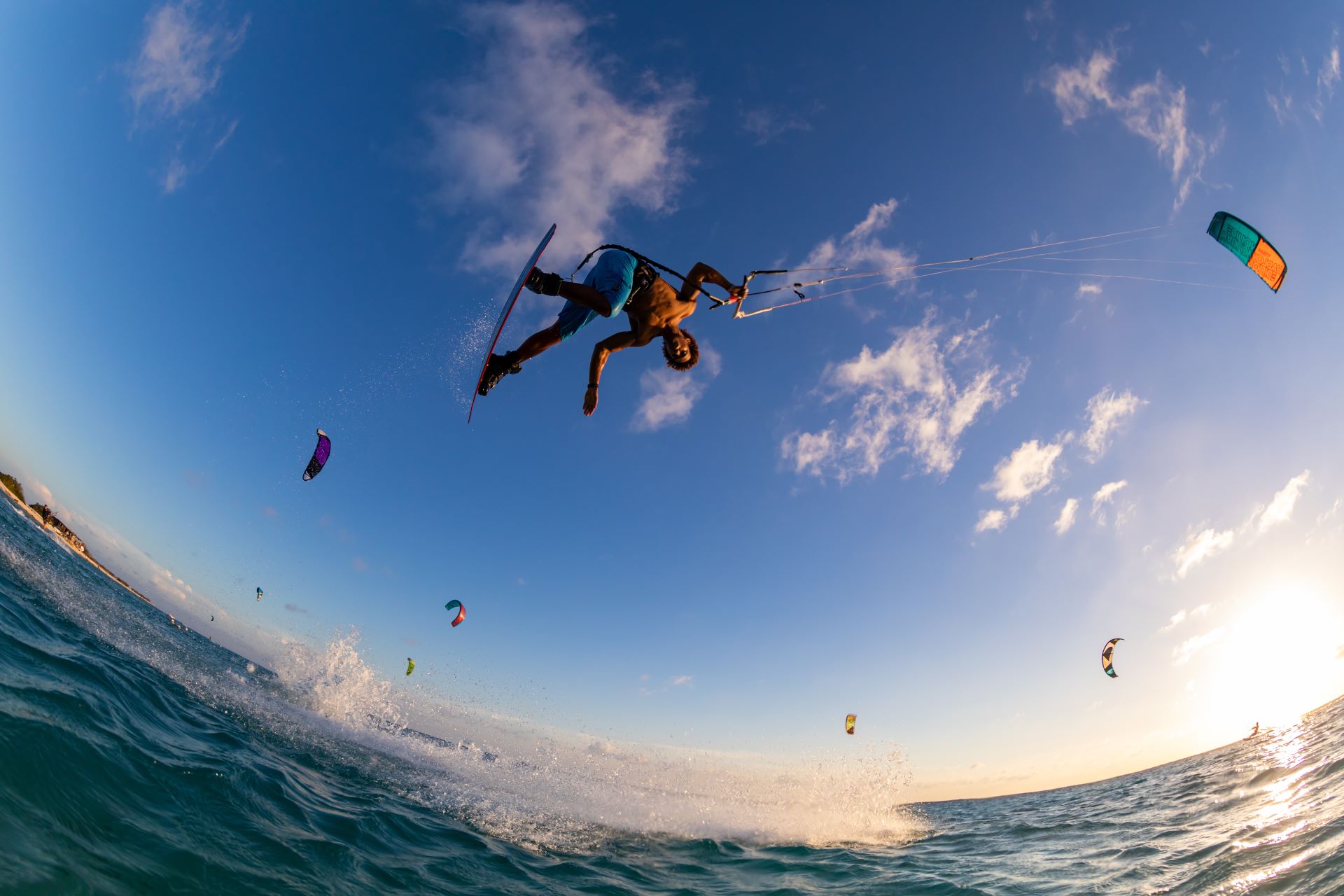
The Western Cape is a tapestry of wind, waves, and wild beauty. It gives beginners a gentle push into the world of kite surfing and invites seasoned riders to chase stronger winds and open oceans. With dependable seasons, diverse locations, abundant lessons, and gear options suited for every level, this region stands as one of the world’s most compelling kite surfing destinations.
Whether your trip is a weekend escape or a season‑long expedition, this coast rewards curiosity with connection—between water and wind, skill and spirit, rider and place.
Kick off your boots. Grab your board. The Western Cape wind is calling.
Jabulani
Reporting from the frontlines of the South African tourism renaissance. Bridging the gap between regional stories and global audiences through elite narrative strategy.