

The Karoo has always been a place of vast horizons and long silences. For decades, travellers treated it as a corridor rather than a destination. They passed through on the N1, refuelled, ordered coffee, and pressed on toward the coast.
Today, that narrative is shifting. Across the semi-arid heartland of South Africa, small towns are quietly reinventing themselves. They are not chasing mass tourism or glossy mega-developments. Instead, they are building deliberate, experience-led hospitality economies anchored in food, art and the night sky.
From the stoic streets of Beaufort West to the carefully curated charm of Prince Albert and the creative pulse of Nieu-Bethesda, a new Karoo is emerging. It is smaller in scale but sharper in identity.
This is not nostalgia. It is strategic rural tourism development in motion.
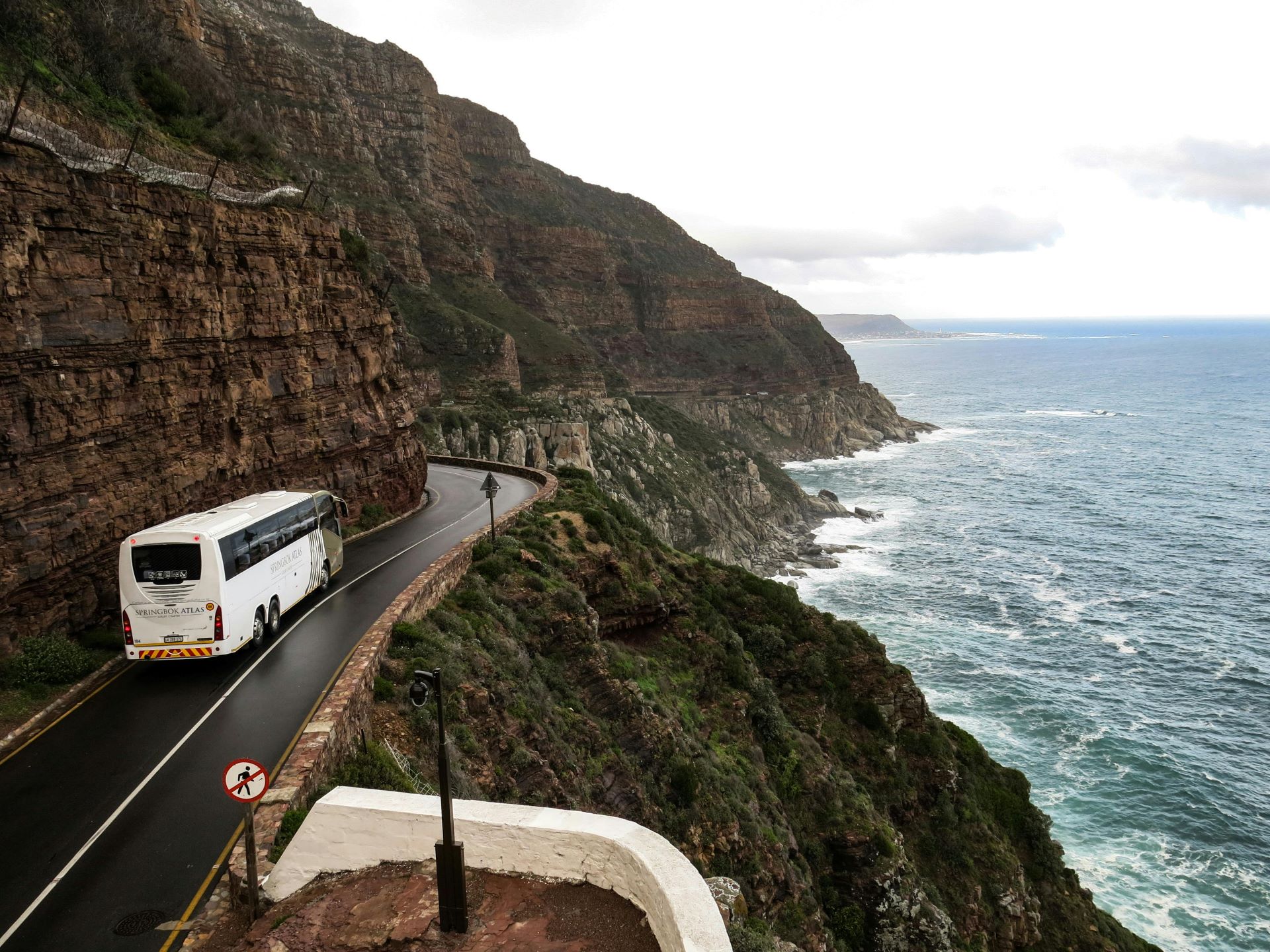
Repositioning the Karoo: From Stopover to Stayover
Historically, Karoo towns relied on passing trade. Their economies were shaped by transport routes, agricultural cycles and seasonal visitors. When fuel stops and roadside chains modernised, many town centres hollowed out.
The revival now underway is rooted in a shift from convenience to character. Instead of competing with highway franchises, towns are leaning into what cities cannot replicate: space, stillness and authenticity.
Tourism operators have reimagined old homes as boutique guesthouses. Karoo architecture, with its thick walls and corrugated roofs, has been restored rather than demolished. Hospitality is no longer transactional. It is personal, often owner-run, and story-driven.
Municipalities and local entrepreneurs increasingly understand that travellers will detour for something distinctive. A compelling food experience, a gallery housed in a historic building, or access to extraordinary stargazing can turn a fuel stop into a two-night stay.
Food as Economic Catalyst
If there is one sector driving small-town revival in the Karoo, it is food.
Karoo lamb has long held near-mythical status in South Africa. Its flavour profile, shaped by indigenous shrubs and arid grazing conditions, is a marketable asset. What has changed is how it is presented. Restaurants are no longer offering generic grills. They are telling provenance stories, partnering with local farmers and experimenting with modern plating.
In towns like Prince Albert, destination dining has become a drawcard. Weekend visitors from Cape Town and Johannesburg plan trips around specific eateries, food festivals and seasonal menus.
Farm-to-table is not a marketing gimmick here. Supply chains are short by necessity. Drought conditions and logistics constraints have forced chefs and guesthouse owners to work closely with local producers. The result is hyper-local cuisine that differentiates the Karoo from coastal culinary scenes.
Food festivals are amplifying this momentum. Events centred on olive harvests, lamb seasons or artisanal products create calendar anchors that extend occupancy beyond peak holiday periods. Hospitality businesses benefit from predictable surges in demand, while local producers gain retail exposure.
Crucially, food tourism spreads economic impact. A single restaurant success story generates demand for accommodation, retail, farm tours and transport services. In small towns with limited industry diversity, this multiplier effect matters.
Art and Cultural Identity
The Karoo’s stark landscapes have long attracted creatives. What is new is the scale and organisation of this presence.
Nieu-Bethesda offers a clear example. Once in decline, it experienced renewed attention following the legacy of Helen Martins and the enduring fascination with the Owl House. That artistic heritage now underpins a broader creative economy.
Studios, galleries and craft markets operate year-round. Visitors can engage directly with artists, attend workshops or purchase locally made ceramics, textiles and sculpture. The town’s identity is inseparable from its art scene.
Elsewhere in the Karoo, similar patterns are emerging. Vacant buildings are being converted into exhibition spaces. Annual arts festivals draw niche audiences who seek intimate, less commercialised alternatives to large urban events.
This growth is not purely aesthetic. It has planning implications. Cultural tourism encourages longer stays and higher per-visitor spend. Guests who attend exhibitions or performances are more likely to book multiple nights, dine out and explore surrounding attractions.
For municipalities, supporting arts infrastructure can be more cost-effective than pursuing heavy industrial development. Small grants, zoning flexibility and marketing partnerships often yield significant returns in tourism visibility.
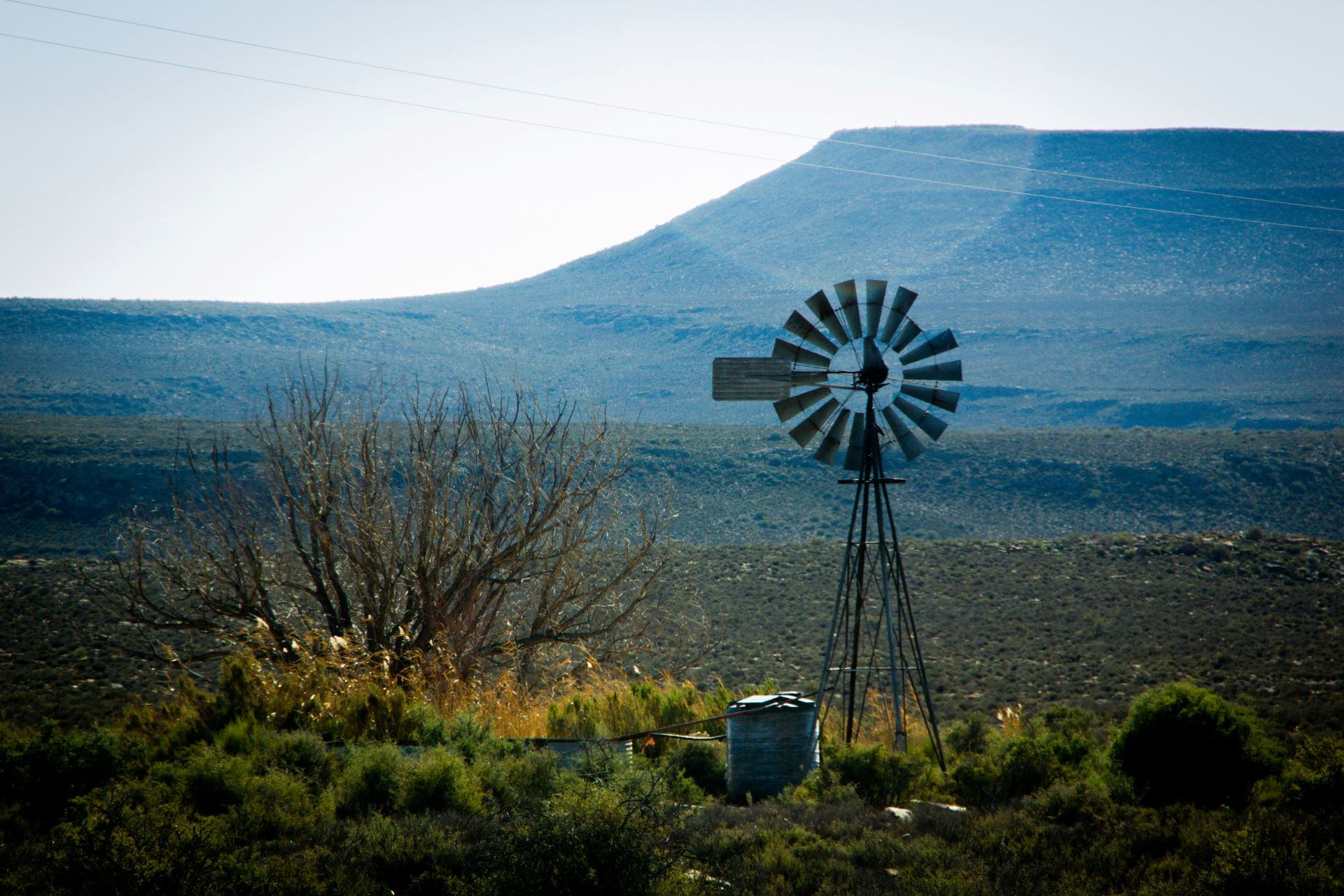
Astro-Tourism: Monetising the Night Sky
Perhaps the most distinctive pillar of the Karoo’s tourism revival is astro-tourism.
The region’s low population density and minimal light pollution create exceptional conditions for stargazing. This natural advantage has been amplified by the presence of the South African Astronomical Observatory and large-scale projects such as the Square Kilometre Array, much of which is located near Carnarvon.
While scientific research facilities are not always open to casual tourism, their global profile elevates the Karoo’s status as a dark-sky destination.
Guesthouses now market telescope-equipped patios. Local guides offer night-sky tours that combine astronomy with storytelling rooted in indigenous cosmology. Educational tourism is growing, with school groups and amateur astronomers travelling inland for clear views of celestial events.
Astro-tourism also diversifies the time-of-day economy. Unlike typical attractions that peak between mid-morning and late afternoon, stargazing extends visitor activity into the evening. This supports restaurant trade and overnight stays.
Importantly, dark-sky branding aligns with sustainability. Efforts to limit light pollution, manage energy use and protect open landscapes reinforce the environmental credentials of Karoo towns. For modern travellers increasingly motivated by responsible tourism, this positioning is strategic.
Accommodation Innovation in Historic Settings
Hospitality growth in the Karoo is not characterised by large hotel chains. Instead, the accommodation sector is dominated by small-scale, design-conscious establishments.
Restored Victorian homes, converted farmsteads and eco-lodges form the backbone of supply. Owners frequently integrate renewable energy systems to mitigate load-shedding risks and water-saving infrastructure to address drought realities.
In towns like Graaff-Reinet, heritage conservation and tourism are closely linked. Historic buildings are assets rather than burdens. Their preservation enhances the townscape and provides atmospheric accommodation options that differentiate the destination.
Pricing strategies reflect this repositioning. Rather than competing on affordability alone, many properties target mid- to high-end domestic travellers seeking curated rural escapes.
Digital platforms have accelerated visibility. A guesthouse in a town of a few thousand residents can now reach international markets through online booking engines and social media storytelling. This democratisation of marketing has reduced reliance on traditional tour operators.
Challenges Beneath the Revival
The Karoo’s tourism resurgence is not without structural constraints.
Water scarcity remains a critical vulnerability. Prolonged drought cycles strain municipal infrastructure and agricultural supply chains. Hospitality operators must invest in storage, recycling and efficient systems to ensure resilience.
Road conditions and public transport access can also limit growth. While self-drive tourism dominates, poor maintenance on secondary routes may deter visitors unfamiliar with rural travel.
There is also the risk of over-commercialisation. Part of the Karoo’s appeal lies in its tranquillity and authenticity. Rapid, poorly managed development could undermine the very qualities drawing visitors.
Local governance capacity varies across towns. Strategic tourism planning, waste management and safety initiatives require coordination between municipalities, provincial authorities and private stakeholders.
Balancing Growth with Community Benefit
For small-town tourism revival to be sustainable, it must deliver tangible benefits to residents.
Employment opportunities in hospitality, food production and creative industries are essential. Skills development programmes can equip local youth for roles in guiding, culinary arts and accommodation management.
Community-owned enterprises and cooperatives offer models for inclusive growth. When tourism revenue circulates within the town rather than flowing outward, multiplier effects strengthen the local economy.
Equally important is cultural respect. As urban visitors arrive seeking authenticity, communities must retain agency over how their stories and heritage are presented.
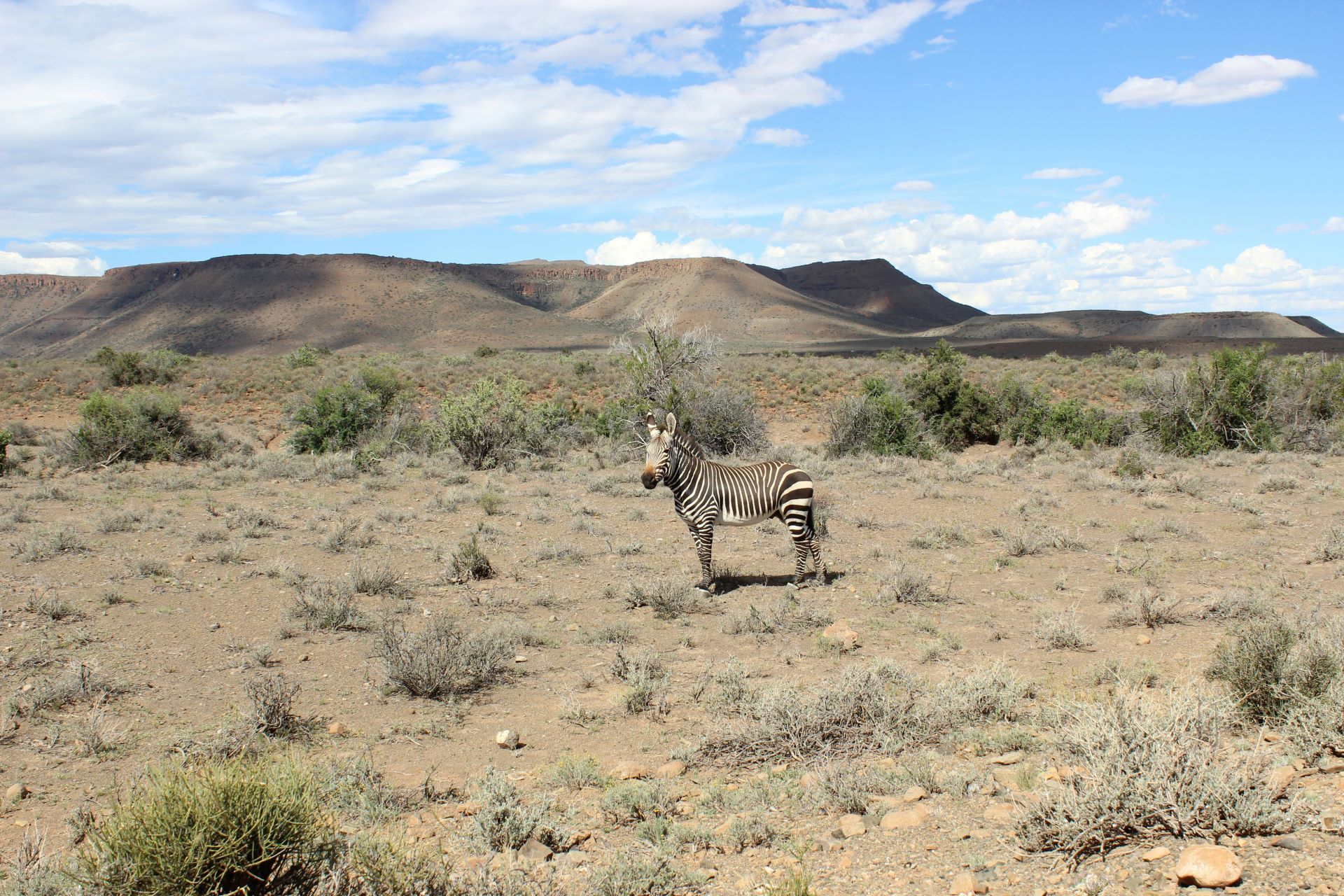
The Future of the Karoo as a Destination
The Karoo’s revival is not a short-term trend. It reflects broader shifts in travel behaviour.
Domestic tourists increasingly value open space, safety and experiential depth. Remote work trends enable longer rural stays. International travellers, once focused primarily on coastal or safari circuits, are showing interest in inland cultural landscapes.
By aligning food heritage, artistic identity and astro-tourism assets, Karoo towns are building diversified tourism portfolios. They are no longer defined solely by geography or agriculture. They are defined by experience.
The transformation is subtle but significant. Where travellers once saw emptiness, they now find intention. Where towns once waited for passing traffic, they now create reasons to arrive.
In the vast stillness of the Karoo, reinvention is unfolding quietly, under wide skies bright with possibility.
Elisha Roodt
Reporting from the frontlines of the South African tourism renaissance. Bridging the gap between regional stories and global audiences through elite narrative strategy.