

A City That Comes Alive When the Sun Goes Down
Johannesburg has always defied expectations. South Africa’s economic powerhouse, once caricatured as a city of gold and grit, has matured into a cosmopolitan playground whose heartbeat quickens after dark. By day, Joburg’s skyline glitters with the ambition of Africa’s wealthiest metropolis. But when the sun dips behind the highveld horizon and the last blush of light catches the tips of its skyscrapers, a different city emerges. The air cools, the city lights glow amber and neon, and a subtle charge of anticipation drifts through the streets.
This is Johannesburg at night—an experience that merges the city’s restless creative spirit with its deep musical heritage and an appetite for good food and fine drink. To understand modern Joburg, you must linger after dark, when rooftop bars catch the evening breeze, when the saxophones and double basses of jazz clubs echo the city’s long love affair with music, and when late-night markets gather a community of artisans and dreamers beneath strings of fairy lights.
Rooftop Horizons: Drinking in the Skyline
Few cities in Africa boast a skyline as dramatic as Johannesburg’s. From the cluster of gleaming towers in the CBD to the art deco silhouettes of Braamfontein, the city’s vertical ambitions create a theatre of light and shadow. Rooftop bars have become the stage from which locals and travellers alike admire the spectacle, glass in hand.
Perched above the streets, these venues offer more than just elevated views. They are a declaration of confidence, a signal that Joburg has embraced its own urban glamour. In Maboneng, once a forgotten industrial zone and now a beacon of urban renewal, Living Room is a garden in the sky. Palms and creepers soften the concrete edges while DJs spin soulful house sets that mingle with the scent of wood-fired pizzas. The view stretches across the city’s east side, where the mine dumps glow softly in the moonlight—a subtle reminder of the city’s golden origins.
In Sandton, the city’s modern financial heart, Marble’s rooftop bar delivers a different kind of theatre. Here, the drama is in the open kitchen’s wood-fired flames and the impeccable service that matches Johannesburg’s reputation for unapologetic luxury. Sipping a craft cocktail while the lights of the north flicker like distant stars is an immersion in Joburg’s contemporary affluence.
Braamfontein, with its edgy student energy and thriving art scene, offers yet another flavour. The rooftop at The Orbit—before its temporary closure—was legendary for sunset views, and newer venues carry the torch with pop-up bars that host art installations and impromptu jam sessions. From these heights, the city reveals itself not merely as a sprawl of highways and high-rises but as a living, breathing organism, restless and infinitely creative.
The Enduring Pulse of Jazz
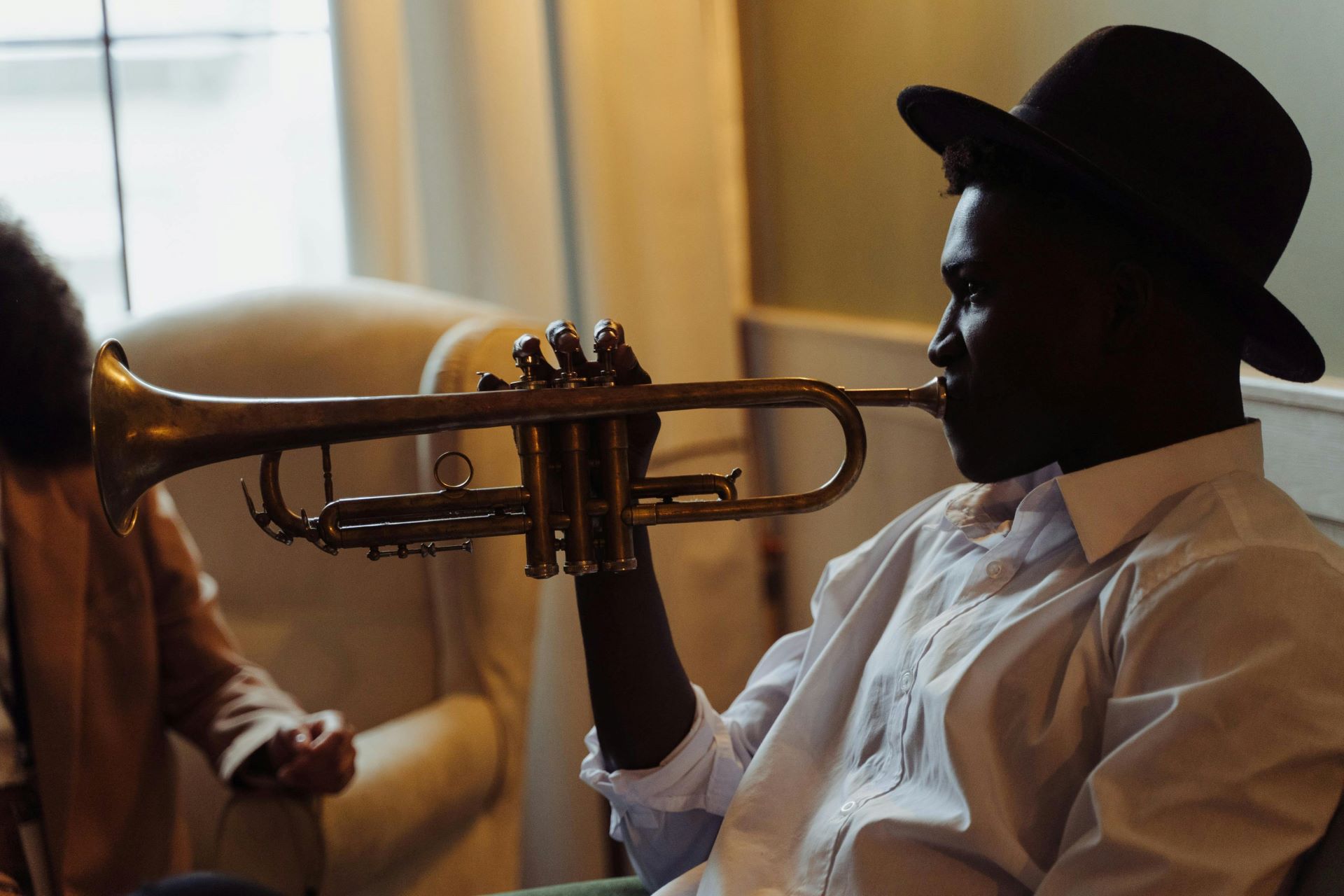
If rooftop bars celebrate Johannesburg’s outward gaze, its jazz clubs draw you inward, into the city’s soul. Jazz in Joburg is not just a genre; it is a birthright. The city’s townships nurtured legends like Hugh Masekela and Miriam Makeba, whose music carried the hopes and defiance of an oppressed nation. Their echoes still linger in the small clubs and hidden lounges where the language of improvisation continues to evolve.
The Sophiatown of the 1950s may be a memory, but its spirit thrives in today’s jazz haunts. The Orbit, before its hiatus, became the city’s premier stage for live jazz, where young musicians and veterans shared the limelight, drawing audiences into late-night conversations over smoky sax riffs. In Newtown, the Bassline has long been a crucible for South African music, its intimate setting allowing every note to resonate like a heartbeat.
Smaller venues carry the tradition with equal passion. The Rand Club, a grand colonial building in the CBD, hosts evenings where contemporary jazz ensembles reinvent standards under glittering chandeliers. In Melville, a neighbourhood that has long welcomed bohemians and night owls, cosy spots like Six Cocktail Bar often surprise visitors with spontaneous live sessions, proof that jazz here is not confined to formal stages.
What makes Joburg’s jazz scene unforgettable is its sense of place. These clubs are not mere entertainment venues—they are storytellers. They bridge the pain of the past and the hope of the present, allowing locals and visitors to share in a music that is both distinctly South African and universally human.
Markets that Stretch Beyond Midnight
As the night deepens, Johannesburg’s appetite for community finds expression in its late-night markets. These are not hurried affairs but curated gatherings where food, art and music meet beneath strings of lights. They reveal a city that loves to linger, to taste, to connect.
Neighbourgoods Market in Braamfontein remains a Saturday favourite, and when special night editions occur, the energy shifts. By evening, the market’s industrial space glows with warm festoon lighting, and the crowd is a tapestry of students, creatives and curious travellers. Gourmet food stalls serve everything from Cape Malay curries to artisanal burgers, while local designers sell fashion and crafts with an unmistakably Joburg edge.
In Maboneng, the Market on Main extends the neighbourhood’s reputation for reinvention. Here, the once-derelict warehouses hum with the sound of live DJs, the clink of craft-beer glasses and the scent of street food. At night, it feels almost like a secret festival, where the city’s artists and entrepreneurs showcase their creativity under the watchful gaze of the skyline.
For a more family-friendly vibe, the Fourways Farmers Market occasionally hosts twilight editions. Under the broad canopy of acacia trees, fire pits glow and musicians play acoustic sets as families and groups of friends savour wood-fired pizzas and locally brewed ciders. The market’s charm lies in its contrast: a rural atmosphere within the city’s northern suburbs, a reminder of Johannesburg’s ability to surprise.
These markets are more than shopping destinations; they are microcosms of the city’s identity. They embody the entrepreneurial spirit that has always defined Johannesburg—an openness to experimentation, a delight in diversity, and a refusal to close the night too early.
The Art of Night-Time Wandering
Experiencing Johannesburg after dark is as much about movement as it is about specific venues. The city invites exploration, whether you’re strolling through the mural-covered streets of Maboneng or slipping into an unmarked door in Melville to discover an intimate speakeasy. The experience is layered: a taxi ride across the Nelson Mandela Bridge reveals the city’s glittering skyline; a walk through Newtown uncovers sculptures and graffiti that tell stories of struggle and triumph; a late-night drive along Empire Road frames the University of the Witwatersrand’s stately buildings in soft sodium light.
Safety, of course, is part of the conversation, and locals know how to navigate it with ease. Visitors are wise to follow their lead: travel in groups, use reputable ride-hailing services, and embrace guided night tours that reveal the city’s nocturnal charms with the confidence of insider knowledge. Far from diminishing the experience, this awareness deepens it, highlighting the resilience and creativity that make Johannesburg such a compelling destination.
Culinary Adventures Beneath the Stars
Johannesburg’s dining scene has evolved into one of Africa’s most exciting, and many of its most memorable meals happen after dusk. From the pan-African flavours of Marble and Saint to the inventive small plates at The Saxon, late-night dining is both indulgent and adventurous. Street food, too, plays its part: smoky boerewors rolls from a food truck in Melville, spicy bunny chow in Fordsburg, or late-night shisa nyama (barbecue) in Soweto, where the aroma of charred meat mingles with the rhythms of kwaito.
These culinary moments are not just about sustenance; they are a continuation of the city’s social narrative. Eating together after dark is a ritual that blurs boundaries, bringing strangers into conversation and turning a meal into a shared memory.
Why Joburg Nights Matter
To experience Johannesburg after dark is to grasp the city’s true nature. By day, it is a metropolis of commerce and ambition, but night reveals its heart: creative, sociable, and unafraid to reinvent itself. Rooftop bars frame the skyline as a work of art; jazz clubs echo the city’s history and its ongoing improvisation; late-night markets celebrate its entrepreneurial spirit and love of community.
For the traveller seeking a South African experience beyond the safari and the wine farm, Joburg at night is both revelation and invitation. It is a place where the past and present dance together, where the city’s gold rush roots meet the rhythms of contemporary culture. And as you watch the first light of dawn creep across the highveld, you understand that Johannesburg, restless and radiant, never truly sleeps.
Mandla Ndlovu
Reporting from the frontlines of the South African tourism renaissance. Bridging the gap between regional stories and global audiences through elite narrative strategy.