

In a land as diverse and storied as South Africa, adventure comes in many forms. While sun-drenched savannahs, rugged mountains, and pristine beaches often dominate travel itineraries, there exists another, quieter thrill: the allure of the unknown. Haunted and mystery tourism, a niche yet rapidly growing sector, invites travellers to explore the spectral shadows of South Africa’s past. From ghost towns frozen in the gold fever of the 19th century, to abandoned forts bearing the weight of colonial conflicts, and eerie hotels where the line between history and the supernatural blurs, the country is rich with stories that intrigue, captivate, and unsettle.
This journey through South Africa’s haunted landscapes is not merely about fear. It is about connecting with history, engaging with folklore, and stepping into the stories of those who came before. It is a tourism that challenges perception, provokes thought, and thrills the senses.

Ghost Towns: The Silence of Forgotten Fortunes
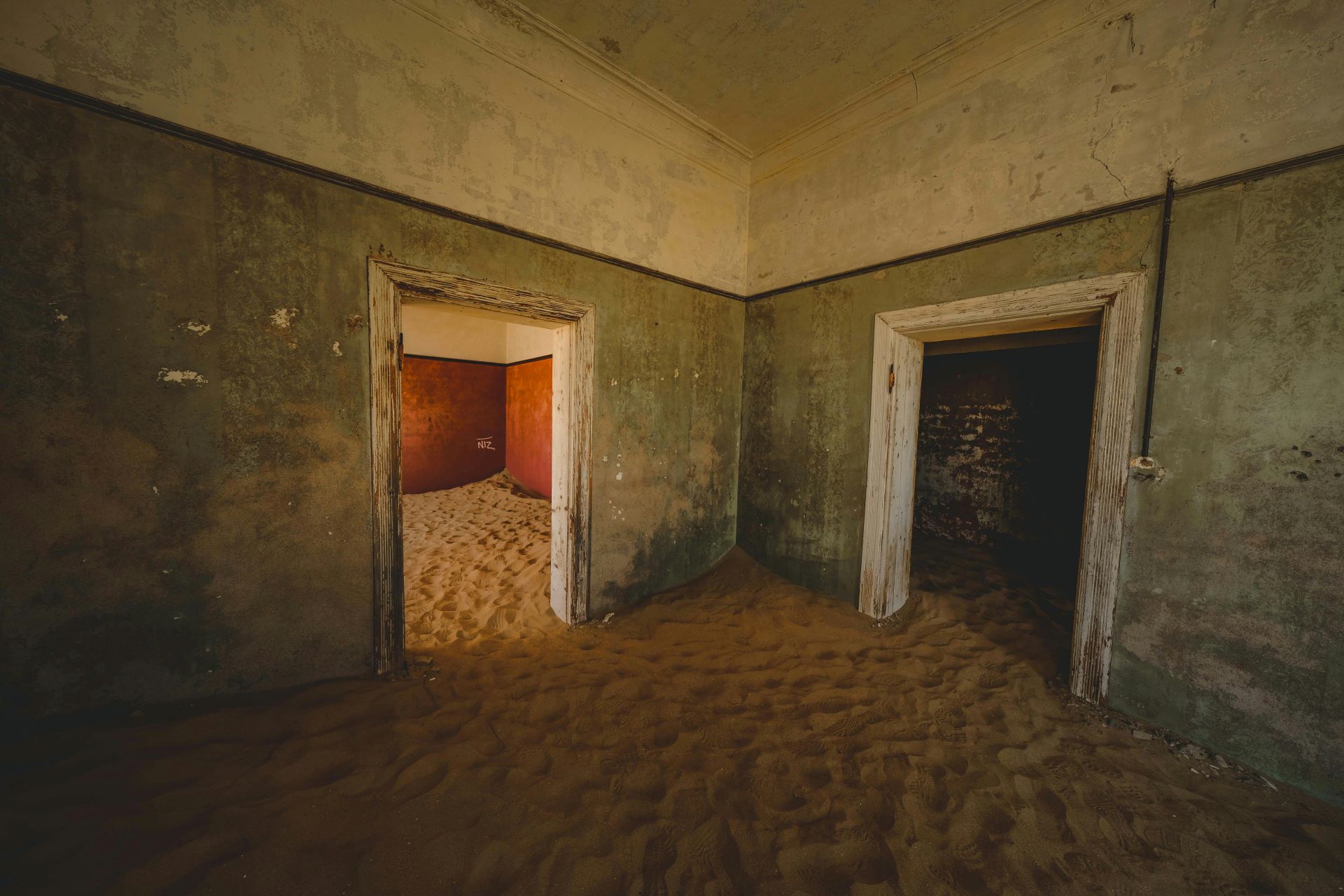
South Africa’s ghost towns are remarkable portals into a past both vibrant and tragic. Towns like Pilgrim’s Rest in Mpumalanga, a former gold rush hub, retain the charm and character of their heyday. Cobbled streets and Victorian façades evoke a period when prospectors chased dreams of fortune, and the air was thick with anticipation, sweat, and the clang of pickaxes against rock. Today, the town is largely preserved as a living museum, yet wandering its outskirts in twilight can feel like stepping into a liminal space where time hesitates. The echoes of miners, merchants, and families linger, palpable to those willing to listen.
Similarly, the remnants of Sutherland’s early mining settlements offer a stark, haunting beauty. Nestled within the arid expanse of the Karoo, these ruins are reminders of ambition tempered by unforgiving landscapes. The silence of abandoned cottages and shops invites reflection, while tales of miners who vanished, fortunes won and lost, and the harshness of life in isolation permeate the imagination. Tours of these towns often include storytelling sessions around a campfire, where guides weave historical fact with legend, immersing visitors in the human drama that shaped these desolate places.
Dullstroom, once a bustling trading post in Mpumalanga, is another site where abandoned structures whisper of the past. Its deserted barns, shuttered stores, and empty streets form a theatre of memory, where the past is both present and elusive. Here, photographers and artists are drawn as much to the aesthetic of decay as to the palpable sense of history frozen in place.
These ghost towns, whether preserved for tourism or left to the ravages of time, offer a unique South African experience: one that blends adventure with contemplation, beauty with melancholy, and curiosity with caution.
Abandoned Forts: Shadows of Conflict
South Africa’s landscape is dotted with forts that once served as strongholds during times of conflict and colonisation. Beyond their architectural grandeur, these sites hold stories that continue to stir the imagination. Fort Beaufort in the Eastern Cape, for example, has long been associated with ghostly sightings – sentries whose footsteps echo in empty corridors, whispers in the wind, and mysterious figures glimpsed from the corners of the eye.
Forts such as these are not merely relics; they are theatres of memory where history and folklore intertwine. Visitors exploring Fort Frederick near Port Elizabeth often report an uncanny sense of being watched, as if the stone walls themselves remember battles fought, loyalties tested, and lives lost. The forts’ strategic hilltop locations, once chosen for defence and surveillance, now offer dramatic vantage points for visitors, enhancing the mystique and tension that accompany twilight explorations.
Tourism operators have embraced this blend of history and the supernatural. Night tours, complete with dramatic storytelling, immerse visitors in the atmosphere of the past. Guests may witness re-enactments of skirmishes or hear tales of local legends, blurring the line between history and myth. These experiences offer more than thrill; they encourage reflection on the complex narratives of South Africa’s past, fostering a deeper appreciation for the country’s layered heritage.
Haunted Hotels: Where the Past Stirs
For those seeking encounters closer to the intimate human scale, South Africa’s haunted hotels provide a compelling lure. The Lord Milner Hotel in Matjiesfontein, a small Karoo village, is famed for its spectral guests and inexplicable phenomena. Visitors have reported seeing shadowy figures in the hallways, hearing footsteps in empty corridors, and sensing sudden drops in temperature. Yet, these experiences are rarely purely frightening; many describe a profound sense of nostalgia, as if the spirits themselves are custodians of memory, guardians of stories long forgotten.
Protea Hotel Fort Akker, perched amidst the tranquility of Mpumalanga’s landscapes, offers another layer of intrigue. Guests recount mysterious sounds – doors creaking, whispers in empty rooms, and fleeting glimpses of figures that vanish when approached. For thrill-seekers, these hotels offer a safe yet exhilarating encounter with the unknown. For those with a penchant for reflection, they provide an intimate space where history, legend, and human imagination converge.
Luxury haunted tourism has also found its niche. Exclusive packages combine comfort with paranormal investigation: guided night tours, access to restricted areas, and interactive storytelling sessions. This approach demonstrates that haunted experiences need not compromise sophistication, offering a unique combination of thrill, education, and indulgence.
Folklore and the Supernatural
South Africa’s haunted tourism experiences are enriched by its extraordinary tapestry of folklore. Indigenous legends, colonial stories, and tragic events all contribute to a narrative landscape that is as diverse as it is mysterious. In KwaZulu-Natal, abandoned sugarcane mills are said to be haunted by the spirits of workers who perished under harsh conditions. In the Eastern Cape, colonial homesteads carry stories of apparitions that roam the grounds, forever bound to the land they once occupied.
Tour guides play a crucial role in animating these legends. By weaving together history and myth, they create immersive experiences that are both educational and thrilling. Visitors are invited to consider not only what is seen, but what is felt: the presence of absence, the weight of memory, and the thin veil separating the living from those who linger.
These narratives are not merely for entertainment. They deepen engagement with South Africa’s cultural heritage, offering travellers a way to interact with history on an emotional, almost spiritual, level. For many, this is the essence of haunted tourism – the opportunity to connect with stories that transcend time, to stand in places where the past is alive and palpable.
Curating the Experience
Effective haunted tourism in South Africa is the result of careful curation. Operators craft experiences that balance thrill, education, and reflection. Night tours through abandoned sites are often accompanied by storytellers or actors who dramatize historical events, while interactive workshops allow visitors to investigate paranormal phenomena using tools like EVP recorders or thermal cameras.
Some operators design themed routes: a “Ghost Town Trail” through Mpumalanga, a “Haunted Forts Circuit” along the Eastern Cape, or a “Spectral Stay” package incorporating overnight stays in haunted hotels. These itineraries create a narrative arc, guiding visitors from the excitement of discovery to moments of introspection, and ultimately to an appreciation of South Africa’s layered histories.
Marketing Haunted South Africa
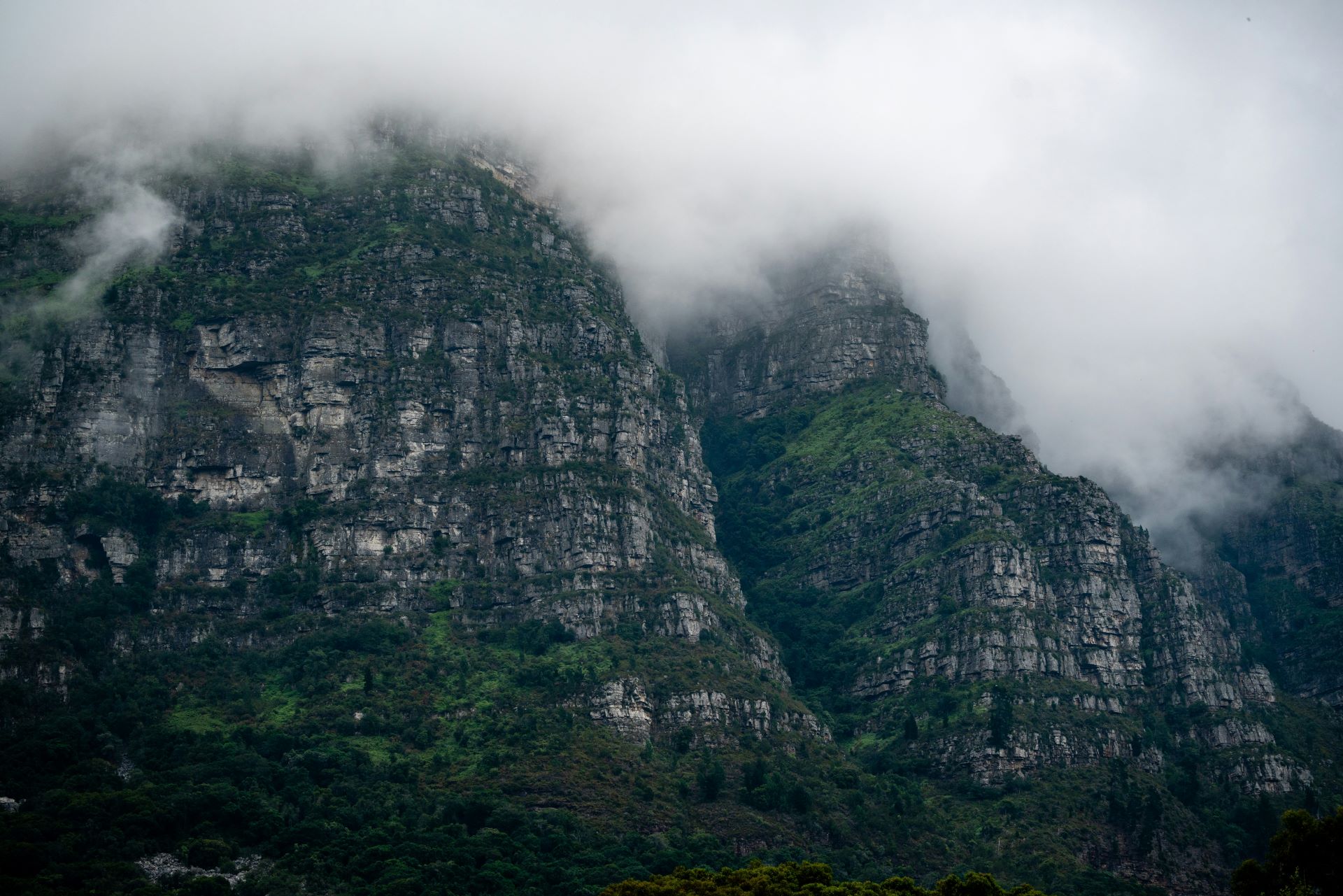
From a marketing perspective, haunted and mystery tourism offers distinctive opportunities. Campaigns can embrace cinematic storytelling, using evocative visuals of fog-shrouded streets, crumbling façades, and moonlit landscapes. Social media platforms serve as natural venues for immersive experiences: short videos capturing ghostly shadows, reels of night tours, and interactive maps highlighting paranormal hotspots all contribute to a sense of engagement and anticipation.
Marketing haunted tourism also aligns with sustainable travel principles. Many ghost towns, forts, and historic hotels exist in fragile ecosystems or small communities. Responsible tourism encourages preservation while providing economic benefits, supporting local guides, artisans, and conservation efforts. This dual emphasis on narrative and stewardship enhances the appeal for conscious travellers seeking meaning alongside adventure.
The Thrill of Exploration
What sets haunted and mystery tourism apart from other travel experiences is its emotional and psychological depth. Visitors confront fear, curiosity, wonder, and nostalgia simultaneously. The thrill is not merely in the shock of a spectral sighting or the chill of an unexplained sound, but in the engagement with history, the connection with place, and the immersion in stories that are both real and imagined.
Whether wandering the empty streets of a ghost town, climbing the ramparts of a wind-swept fort, or sitting in a hotel room that seems to breathe with the memory of the past, travellers are invited to explore a dimension of South Africa that is rarely visible by day. It is a landscape rich in mystery, a canvas for imagination, and a stage upon which history and legend perform in tandem.
Embracing the Spectral South
Haunted and mystery tourism in South Africa is an invitation to engage with the past, to explore spaces where memory lingers, and to encounter stories that transcend time. It is a tourism of nuance, requiring attentiveness, imagination, and openness. By venturing into ghost towns, abandoned forts, and haunted hotels, travellers experience not only the thrill of the unknown but also a profound connection to the cultural and historical fabric of the nation.
This is a South Africa that challenges perceptions and invites introspection. It is a country where history whispers through abandoned streets, where legends roam freely, and where the thrill of exploration extends beyond landscapes to the very essence of memory and myth. For those willing to embrace the spectral, the rewards are both exhilarating and deeply meaningful – a journey into the heart of mystery itself.
Elisha Roodt
Reporting from the frontlines of the South African tourism renaissance. Bridging the gap between regional stories and global audiences through elite narrative strategy.