

A Symphony of Seasons
South Africa is a land defined not just by its breathtaking landscapes but by the rhythm of its seasons, each bringing a unique bounty to its shores, vineyards, and orchards. From the gentle emergence of spring buds to the golden warmth of autumnal harvests, the country invites travellers to savour its seasonal treasures in immersive, flavour-rich experiences. The interplay between land, sea, and climate shapes the gastronomic calendar here, offering a year-round journey that intertwines culture, community, and cuisine. Travellers seeking authentic culinary experiences find themselves at the crossroads of tradition and innovation, where every season presents a fresh narrative, inviting exploration and indulgence.
The concept of seasonal food tourism in South Africa is more than just dining; it is a celebration of heritage, sustainability, and local craftsmanship. Each grape picked, each olive pressed, and each line fish hauled from the Atlantic or Indian Ocean reflects the intimate relationship between people and their environment. Food and wine festivals, farm-to-table experiences, and immersive harvesting rituals offer travellers not just flavours but stories—the stories of farmers, vintners, and fisherfolk whose expertise has been honed over generations.
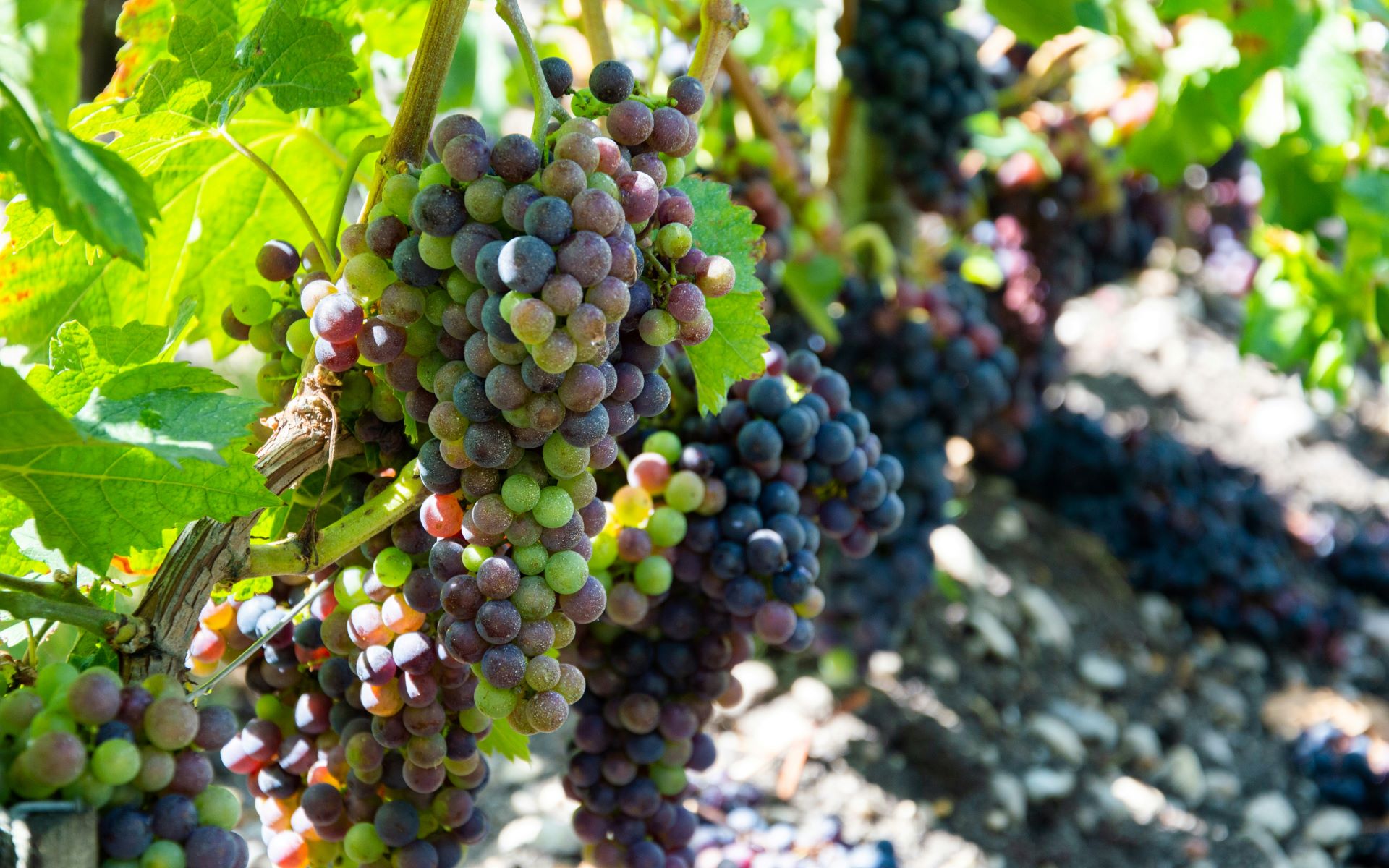
Autumn: Grape Harvests and Wine Country Revelries
As the sun softens its gaze and the vineyards of the Western Cape take on a russet hue, autumn announces the arrival of the grape harvest, known locally as the “vendange.” From late February through April, wine estates across Stellenbosch, Franschhoek, Paarl, and Constantia open their doors to visitors seeking the heart of South Africa’s wine culture. Harvest season is a sensory immersion; the air is filled with the rich aroma of ripening grapes, the warm hum of labouring workers, and the subtle earthiness of vineyards at their peak.
Visitors are welcomed into hands-on experiences, often joining vintners in picking grapes, trampling underfoot in traditional fermenting vats, or observing the delicate process of pressing and fermentation. Beyond the vineyard gates, cellar doors offer tastings of newly pressed wines—vibrant Sauvignon Blancs, opulent Chenin Blancs, and full-bodied Shiraz that carry the essence of their terroir. Many estates pair these tastings with seasonal harvest menus, where chefs craft dishes highlighting local produce, herbs, and artisanal cheeses.
Autumn is also synonymous with wine festivals that attract international gourmets and local enthusiasts alike. The Stellenbosch Wine Festival, for instance, combines tasting sessions with live music, interactive workshops, and culinary demonstrations. Such festivals embody the convivial spirit of the season, where visitors savour not only wine but the rich narratives of winemaking families whose legacies span decades.
A journey through wine country during harvest season is as much about discovery as indulgence. Scenic drives along the Franschhoek Pass or Helshoogte Route offer panoramic views of vineyards blanketed in autumn colours, punctuated by historic Cape Dutch architecture. Boutique accommodation, often on working estates, allows travellers to wake with the dawn chorus of vineyard birds and retire with the glow of a sunset over rolling hills, glass in hand, capturing the slow, celebratory rhythm of the season.
Winter: Olive Harvests and Culinary Craft
As the Western Cape cools and rains begin to replenish the soil, winter ushers in the olive harvest, a quieter yet equally profound ritual in South Africa’s gastronomic calendar. The Overberg and Swartland regions, known for their centuries-old olive groves, welcome visitors to witness the age-old tradition of harvesting olives, many of which are cultivated organically or biodynamically. The harvest season, typically from May to July, is characterised by a mix of rustic charm and modern sophistication, where ancient techniques coexist with contemporary cold-pressing technology.
Olive festivals and farm tours allow travellers to experience the tactile pleasure of the season—shaking trees, collecting olives, and tasting freshly pressed oil that retains the grassy, peppery intensity of the fruit. Olive oils, infused with local herbs such as rosemary, thyme, or fynbos, are paired with artisanal breads, cheeses, and charcuterie, transforming simple ingredients into an exploration of flavour and texture.
Beyond olive oil, winter in South Africa is also a time for preserving and celebrating hearty produce. Citrus groves in the Western Cape come into season, offering an abundance of oranges, lemons, and grapefruits that enrich winter menus. Chefs and artisans often craft preserves, marmalades, and infused oils that capture the essence of the region’s fertile soils. Visitors can join cooking classes or food-foraging excursions, learning how traditional and contemporary techniques merge to create dishes that reflect the land’s seasonal generosity.
Olive harvests also carry a social dimension, fostering community engagement. Many farms offer communal lunches, where locals and travellers share meals prepared with the season’s produce, exchanging stories, recipes, and traditions. The winter olive harvest, quieter than the grape harvest, offers introspection and intimacy—a chance to connect with the land and the rhythms of a culinary culture rooted in respect for nature and sustainability.
Spring: Seafood Seasons and Coastal Feasts
As spring emerges, South Africa’s coastal waters awaken with a bounty that has drawn communities to the shore for centuries. From September through November, seafood comes into prominence, offering travellers a taste of the ocean’s seasonal generosity. The Southern Cape, Eastern Cape, KwaZulu-Natal, and the Western Cape’s West Coast provide a mosaic of seafood experiences, from commercial fisheries to artisanal coastal villages.
Spring marks the arrival of line fish such as yellowtail, snoek, and kingklip, alongside shellfish including mussels, oysters, and crayfish. Markets and festivals celebrate the season with vibrant displays, interactive cooking demonstrations, and opportunities to sample the catch of the day freshly prepared. The Knysna Oyster Festival, held in the heart of the Garden Route, exemplifies this culinary celebration, blending gourmet indulgence with outdoor adventure. Here, travellers can taste oysters straight from the estuary, participate in chef-led masterclasses, and explore the surrounding natural beauty through kayaking or forest trails.
Seafood tourism in spring also offers immersion in local culinary traditions. Coastal communities share recipes that have been handed down through generations—smoked snoek braais, pickled fish, and spiced prawn curries that reflect the multicultural heritage of South Africa. Small-scale operators often emphasise sustainable fishing practices, educating visitors about responsible harvesting, marine conservation, and the importance of protecting fragile ecosystems.
Spring seafood journeys are not confined to the plate; they extend to experiential tourism. Tourists can join fishing excursions, guided tide pool explorations, or educational tours of marine reserves, gaining an understanding of how the ocean’s rhythms dictate the timing and quality of the harvest. The season embodies the dynamic interplay between land, sea, and culture—a living lesson in sustainability and culinary artistry.
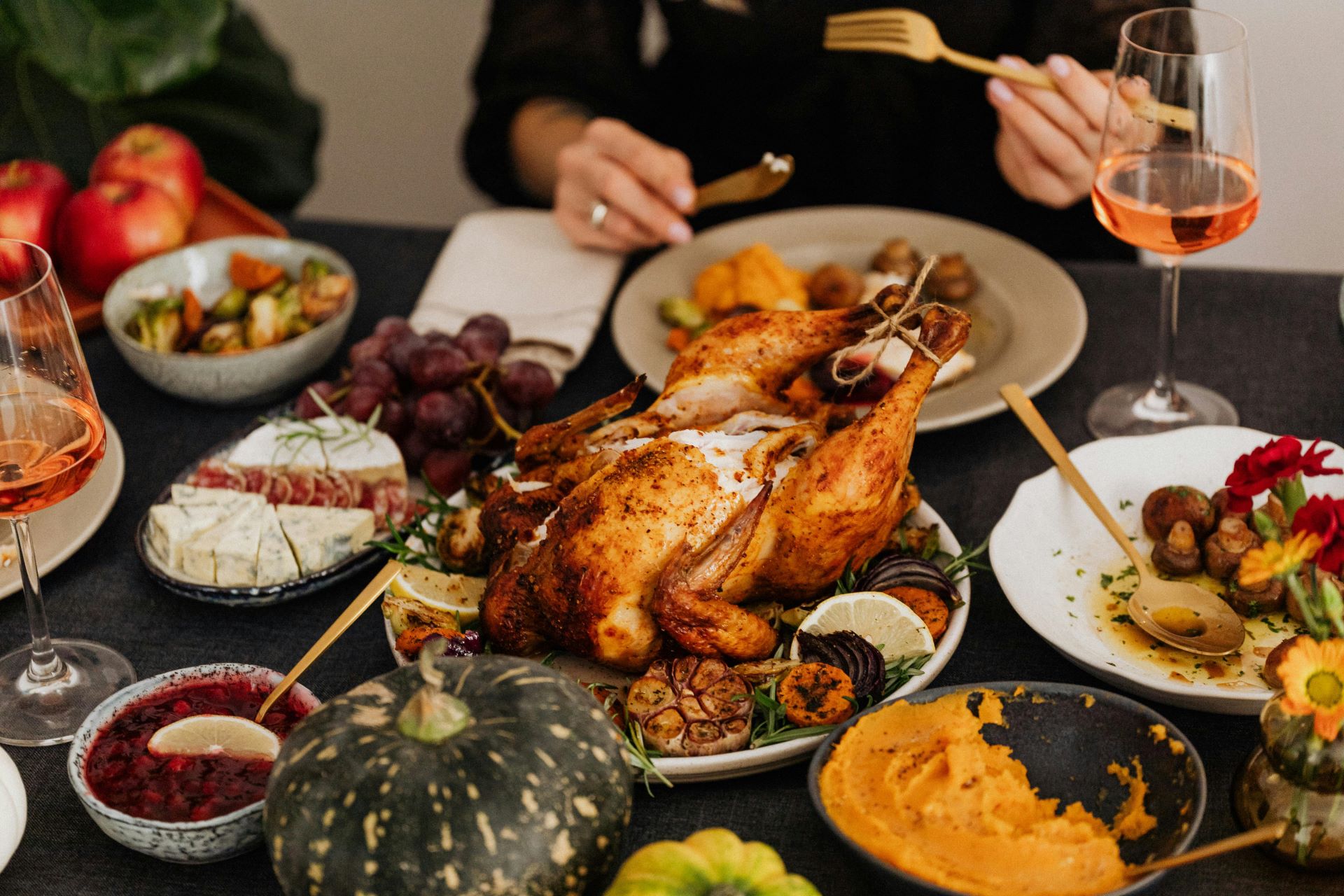
Summer: Vineyard Evenings and Outdoor Gastronomy
Summer in South Africa, spanning December through February, offers a continuation of culinary celebration, particularly in wine regions and coastal destinations. The season is defined by long, sun-drenched days and balmy evenings, perfect for al fresco dining, open-air concerts, and sunset wine tastings. Summer harvests, though not as intense as autumn, focus on late-ripening varietals, berries, figs, and stone fruits, enriching the culinary calendar with vibrant flavours.
Winelands offer twilight experiences, where vineyards transform into stages for music, food, and wine pairings. Summer wine evenings often feature gourmet platters inspired by local seasonal produce—grilled fish, salads with sun-ripened tomatoes, charcuterie, and cheeses that balance the region’s bold reds and crisp whites. Farm-to-table restaurants embrace the abundance of the season, crafting menus that shift daily according to what is freshest from orchards, gardens, and nearby coastal waters.
Summer is also the time for outdoor festivals that celebrate culinary and cultural diversity. Events such as the Hermanus Whale Festival or Knysna Summer Market integrate local produce, wine tastings, and artisanal crafts, offering visitors immersive experiences that stimulate all senses. Picnics in botanical gardens or on pristine beaches allow travellers to enjoy the simplicity of seasonal eating while absorbing the natural beauty that surrounds them.
In summer, South Africa’s seasonal gastronomy becomes experiential, extending beyond flavour to encompass lifestyle, wellness, and connection. Cooking classes, vineyard yoga sessions, and sunset sailing excursions with paired wines allow visitors to engage holistically with the land and its produce. Here, the pleasure of eating merges with the joy of being—an enduring testament to the country’s ability to marry culinary sophistication with natural splendour.
Regional Flavours and Cultural Significance
Seasonal food and wine tourism in South Africa is deeply regional, reflecting the diversity of climates, cultures, and agricultural practices. The Western Cape, with its Mediterranean climate, dominates wine and olive production, while the Eastern Cape and KwaZulu-Natal offer coastal richness, and the Northern Cape’s arid yet fertile valleys produce unique fruits and game meat. Each region has cultivated distinctive techniques, recipes, and festivals, making every visit a layered exploration of identity and heritage.
Beyond the palate, these journeys provide insight into the social and economic significance of seasonal agriculture. Harvests underpin rural economies, support small-scale farmers, and preserve traditional knowledge. Festivals and food tourism create platforms for artisans, chefs, and communities to showcase their craft, fostering cultural pride while promoting sustainable practices. Travellers engaging with these seasons participate in a cycle that honours labour, land, and legacy—each meal and glass of wine carrying the imprint of its origin.
Culinary Immersion and Travel Experiences
South Africa’s food and wine calendar invites travellers to move beyond passive consumption. Many lodges, estates, and coastal resorts offer immersive experiences that integrate harvest participation with storytelling, hands-on cooking, and educational tours. Wine estates often include vineyard walks with sommeliers explaining terroir and varietals, while olive farms host workshops on pressing techniques and sensory evaluation. Coastal fishing villages provide excursions into sustainable harvesting, pairing hands-on learning with gourmet tastings.
Experiential travel deepens connections between visitor and destination. Tourists are not mere spectators; they become part of the seasonal rhythm, understanding how climate, soil, and ocean currents shape what appears on the plate. Culinary guides often introduce elements of local folklore, historical anecdotes, and community initiatives, turning each tasting into a narrative that resonates long after the journey concludes.
Sustainability and Ethical Tourism
Integral to seasonal food and wine tourism is a commitment to sustainability and ethical practice. South African operators increasingly prioritise organic cultivation, water conservation, renewable energy, and fair labour practices. Visitors are encouraged to consider provenance and production methods, supporting farms, fisheries, and estates that uphold environmental and social responsibility. Festivals often highlight these initiatives, with workshops on zero-waste cooking, responsible fishing, and eco-conscious vineyard management.
Sustainable practices enrich the visitor experience. The knowledge that a glass of wine is produced with minimal environmental impact or that an oyster is harvested responsibly enhances both flavour and appreciation. Ethical tourism reinforces the bond between traveller, community, and ecosystem, making every journey not just a culinary indulgence but a mindful act of stewardship.
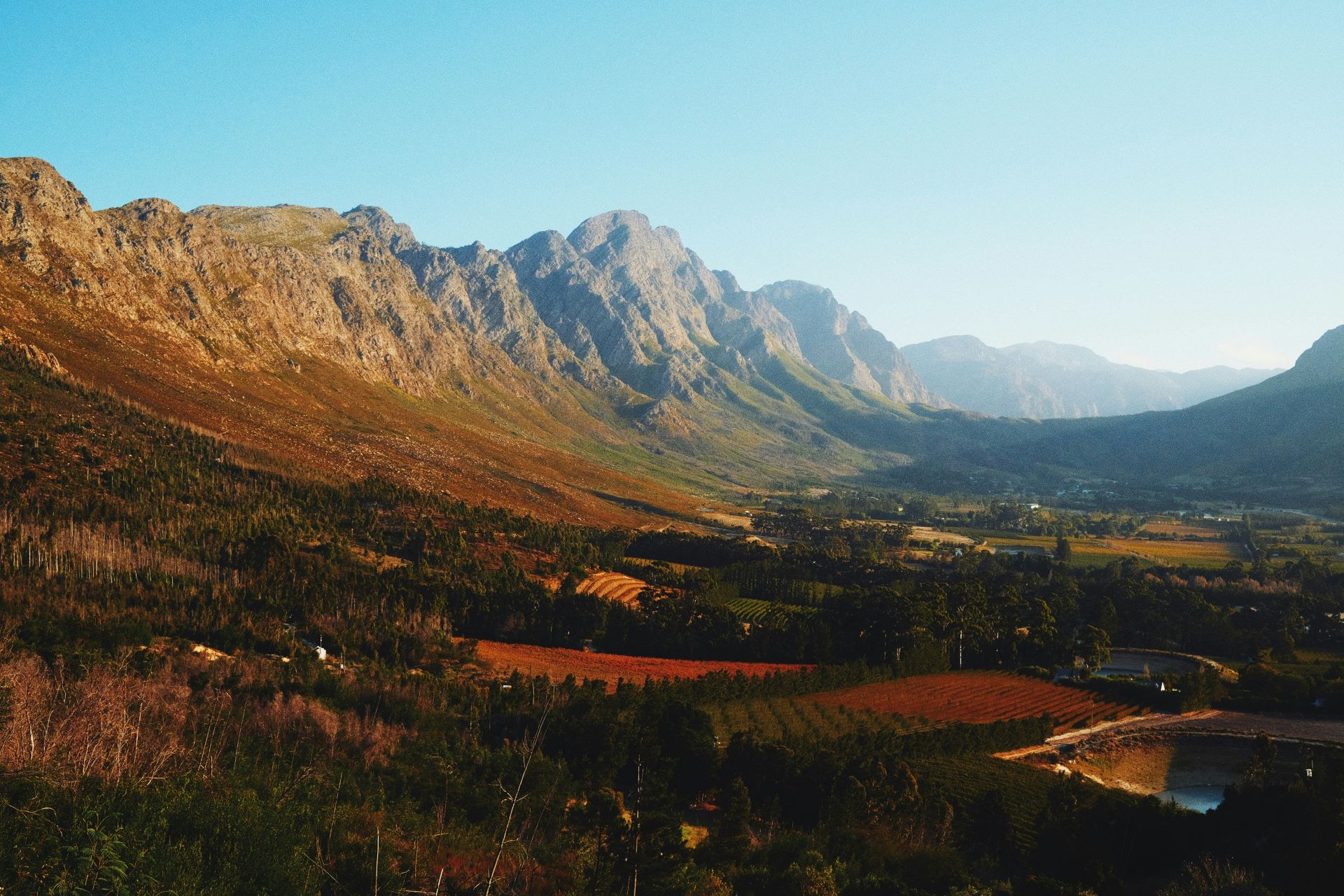
The Year-Round Journey
South Africa’s seasonal food and wine journeys are a living testament to the country’s richness, diversity, and ingenuity. From the autumnal grape harvests to the winter olive presses, spring seafood bounty, and summer vineyard evenings, each season offers an immersive exploration of taste, tradition, and terroir. Travellers are invited to participate in rituals that connect them to land, sea, and culture, where every meal, festival, and tasting tells a story of dedication, heritage, and celebration.
These experiences extend beyond the plate, encompassing scenic drives, coastal excursions, and intimate farm stays. They offer not only sensory pleasure but a deeper understanding of South Africa’s seasonal rhythms, sustainability efforts, and regional identities. In embracing the flow of the seasons, visitors discover a country that celebrates its bounty with generosity, elegance, and authenticity—a place where food and wine become a bridge between people, nature, and history.
For those seeking to chart a culinary map of South Africa, the journey is not merely about what is consumed but how it is experienced. Each season opens a window to the land’s potential, revealing flavours shaped by climate, culture, and community. From harvest to table, South Africa invites travellers into a dialogue with its earth and oceans—a conversation rich with texture, aroma, and meaning. In every sip, bite, and festival, the country’s spirit resonates, leaving a lasting impression on those who follow the rhythms of its harvests and tastes.
Herman
Reporting from the frontlines of the South African tourism renaissance. Bridging the gap between regional stories and global audiences through elite narrative strategy.