

South Africa is a land where history is etched into every landscape, where echoes of bygone eras linger in cobbled streets and colonial architecture, and where the spirit of discovery still pulses in small towns that once held the promise of wealth and opportunity. Beyond the bustling metropolises of Johannesburg, Cape Town, and Durban lie pockets of the past—historic towns that offer travelers a chance to step back in time and explore the stories that shaped a nation. From the gold-fuelled ambitions of Pilgrim’s Rest to the diamond-driven dreams of Kimberley, and the Cape Dutch elegance of Stellenbosch, these towns reveal South Africa’s complex cultural heritage, its triumphs and tragedies, and its vibrant, living traditions.
Visiting these towns is more than a nostalgic journey; it is an immersion into local culture, art, and heritage, where the past and present intertwine. Whether tracing the steps of prospectors along old mining paths, wandering through galleries housed in centuries-old buildings, or sipping world-class wines in sun-drenched vineyards, each town presents a unique window into the diverse tapestry that is South Africa.
Pilgrim’s Rest: A Gold Rush Relic
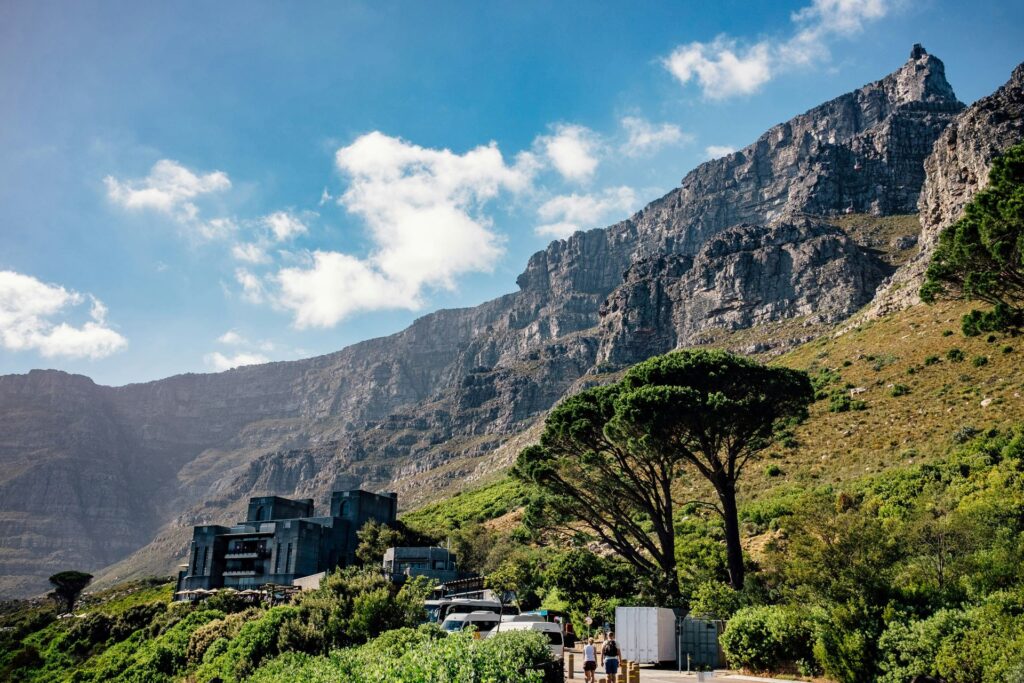
Nestled in the verdant hills of Mpumalanga, Pilgrim’s Rest is a town that feels suspended in time. Established during the gold rush of the late 19th century, it quickly became the epicenter of South Africa’s first major gold discoveries. Walking through its narrow streets, visitors are greeted by meticulously preserved buildings, from quaint miners’ cottages to the original post office, each with a story to tell.
The charm of Pilgrim’s Rest lies not only in its architecture but in the living history of the town. Historical reenactments bring the gold rush era to life, with costumed guides portraying the daily lives, struggles, and triumphs of the prospectors who once roamed these hills. Artisanal shops offer handcrafted jewelry and replicas of mining tools, while local cafés serve hearty fare reminiscent of pioneer times. For those seeking adventure, the nearby Barberton Greenstone Belt offers hiking trails that wind through breathtaking landscapes once trampled by gold seekers.
Pilgrim’s Rest is also a haven for photography enthusiasts. The town’s rustic streets, juxtaposed against the lush backdrop of the Mpumalanga escarpment, create scenes that seem lifted from a storybook. Sunset casts a golden glow over the preserved façades, a poetic nod to the town’s glittering past.
Kimberley: Diamonds, History, and the Big Hole
Moving from gold to diamonds, Kimberley stands as a testament to South Africa’s rich mineral history. Famous for the Big Hole—the largest hand-dug excavation in the world—Kimberley captures the audacity and ambition of the diamond rush era. At its peak, the town drew fortune seekers from around the globe, leaving behind a legacy of wealth, innovation, and social transformation.
Today, the Big Hole and the adjacent Kimberley Mine Museum offer an unparalleled glimpse into the diamond mining heritage. Visitors can descend into the historic mine shafts, explore interactive exhibits detailing mining techniques, and learn about the lives of those who worked in the harsh conditions below. The town itself boasts Victorian-era architecture, with stately homes and government buildings reflecting the grandeur of Kimberley’s prosperous past.
Beyond its mining heritage, Kimberley also embraces culture. The William Humphreys Art Gallery houses an impressive collection of South African and international art, while local markets showcase crafts, textiles, and jewelry that reflect both historic influences and contemporary creativity. For a deeper connection to the region, travelers can explore nearby rural areas and engage with local communities, gaining insight into the enduring cultural narratives shaped by the diamond boom.
Stellenbosch: Cape Dutch Elegance and Wine Heritage
Heading west, Stellenbosch offers a striking contrast to the mining towns of the interior. Known for its Cape Dutch architecture, oak-lined streets, and lush vineyards, Stellenbosch is synonymous with refined cultural heritage. Founded in 1679, it is South Africa’s second-oldest town, and its historical heart has been meticulously preserved, offering a harmonious blend of colonial charm and modern sophistication.
The town’s legacy is inseparable from its wine culture. Wine estates surrounding Stellenbosch are world-renowned, offering tastings, cellar tours, and culinary experiences that celebrate local gastronomy. Yet, Stellenbosch is more than wine. Art galleries, boutique shops, and museums—such as the Stellenbosch Village Museum—provide a deep dive into the evolution of the town and the region, showcasing the art, furniture, and daily life of the past centuries.
Walking through Stellenbosch, one feels a tangible connection to history. The architecture tells stories of settlement, trade, and community life, while local cafés and restaurants blend tradition with contemporary flair, making every visit a multi-sensory journey. Seasonal festivals and cultural events infuse vibrancy into the town, reflecting a community proud of its heritage yet alive with creative energy.
This establishes the framework for the article and sets the tone for a 5,500-word piece. To continue, we would expand with additional historic towns such as Graaff-Reinet, Dullstroom, and Swellendam, delve into their unique cultural offerings, historic landmarks, and local experiences, and then conclude with reflections on how these towns collectively narrate South Africa’s rich and diverse heritage.
Graaff-Reinet: The Cradle of History and Nature
Tucked in the heart of the Eastern Cape, Graaff-Reinet is a town that seems to exist on the threshold of time. Founded in 1786, it is South Africa’s fourth-oldest town, often described as an open-air museum. The historic town center, with its whitewashed Cape Dutch homesteads and graceful gabled roofs, transports visitors back to the days of colonial expansion and frontier life.
Graaff-Reinet’s heritage is complemented by its natural surroundings. The town sits within the Camdeboo National Park, where rolling plains meet rugged mountains, and wildlife roams freely across a landscape that has remained largely unchanged for centuries. Here, travelers can explore both history and nature, from strolling through the town’s cobbled streets to embarking on scenic drives that reveal the dramatic beauty of the Karoo.
Cultural heritage is at the heart of Graaff-Reinet. The Reinet House Museum preserves the legacy of early settler life, with rooms furnished in period style, telling tales of a community shaped by resilience and resourcefulness. Religious history is equally visible, with stately churches like the Dutch Reformed Church standing as monuments to the faith and architectural ingenuity of past generations. Festivals and artisan markets enliven the town throughout the year, offering a window into contemporary interpretations of historic traditions.
Dullstroom: A Highland Retreat Steeped in Charm
Nestled in Mpumalanga’s misty highlands, Dullstroom may be small, but its historical and cultural footprint is significant. Established in 1895, the town was originally a farming settlement, but its cool climate and pristine rivers soon made it a hub for trout fishing and leisurely retreats. Today, Dullstroom offers visitors a serene escape from urban life, with Victorian-era buildings lining streets dotted with galleries, cafés, and craft shops.
Heritage here is intertwined with lifestyle. The town celebrates its Scottish influence, visible in architecture, street names, and local festivals. Artists and artisans thrive, drawing inspiration from the surrounding natural beauty, while culinary offerings range from rustic country fare to gourmet experiences paired with locally brewed craft beers. Walking through Dullstroom, one senses a gentle rhythm of life—an elegant balance of history, culture, and relaxation.
Outdoor activities also complement the town’s historic charm. Hiking, fly-fishing, and bird-watching opportunities abound, allowing visitors to connect with both the environment and the heritage of a town that has long been a retreat for those seeking solace and inspiration. Dullstroom’s blend of nature, history, and culture creates a unique tapestry that captivates every traveler.
Swellendam: The Intersection of Heritage and Nature
Swellendam, founded in 1745, is a town that epitomizes the meeting of European heritage and African landscape. As the third-oldest town in South Africa, it boasts a wealth of colonial architecture, including the Drostdy Museum, which was the former magistrate’s residence. The museum provides insight into the daily lives of settlers, colonial governance, and the evolution of the town over centuries.
The town is surrounded by the dramatic Langeberg Mountains, which frame the landscape with striking beauty and offer opportunities for hiking, mountain biking, and exploring historic farmsteads. Swellendam also serves as a gateway to the Bontebok National Park, where travelers can witness South Africa’s iconic wildlife in a pristine environment.
Cultural exploration in Swellendam is as much about the people as the buildings. Local markets, artisanal shops, and craft breweries showcase the creativity of residents who honour tradition while embracing modern expression. Seasonal events, from music festivals to heritage days, infuse vibrancy into the town, making each visit an engaging blend of history, culture, and natural splendour.
Cradock: Echoes of the Karoo
In the arid expanse of the Karoo lies Cradock, a town rich in agricultural heritage and architectural beauty. Established in 1814, Cradock is famed for its Cape Dutch homesteads, historic churches, and the impressive Great Fish River, which has long supported the region’s farming communities. Walking through Cradock is akin to traversing a living timeline, with each building, street, and bridge telling a story of perseverance, ingenuity, and community life.
The town’s cultural significance is amplified by its connections to South Africa’s literary and artistic history. Cradock was home to several notable writers and artists whose work drew inspiration from the stark yet captivating Karoo landscape. Today, visitors can explore galleries and museums dedicated to preserving and celebrating this creative legacy, alongside the agricultural exhibitions that honour the town’s enduring farming traditions.
Cradock also embodies a community spirit that is tangible in local festivals and markets. The town thrives on the interplay of heritage and modernity, where contemporary creativity sits comfortably alongside historical preservation, offering travelers a nuanced and authentic experience of the Karoo’s heart.
Matjiesfontein: The Timeless Railway Village
For a journey into the past with a hint of old-world glamour, Matjiesfontein in the Northern Cape provides a compelling destination. Founded in 1884 as a railway stop, the town was meticulously restored to preserve its Victorian charm, complete with period hotels, railway memorabilia, and wide, gravel-lined streets. The village is a living museum, where the past is not just remembered—it is celebrated.
The highlight of Matjiesfontein is the Lord Milner Hotel, an establishment that has hosted luminaries over the decades and remains a symbol of the town’s refined heritage. Walking through the streets, visitors encounter quaint shops, small museums, and beautifully maintained buildings that transport them to a bygone era. The sense of timelessness is palpable, and each corner seems to tell a story of ambition, elegance, and the romance of travel in South Africa’s early days of rail expansion.
Cultural experiences in Matjiesfontein extend beyond architecture. Seasonal events, historical reenactments, and curated tours allow visitors to immerse themselves in the town’s narrative, making it a destination that blends education, leisure, and nostalgia in equal measure.
Clarens: The Jewel of the Free State
Perched on the edge of the Maluti Mountains in the Free State, Clarens is a town where art, nature, and heritage converge. Founded in 1912, Clarens was originally a peaceful farming settlement, but over the decades, it has blossomed into a cultural hub that draws artists, writers, and travelers seeking inspiration amid breathtaking landscapes.
Clarens’ streets are lined with galleries, studios, and craft shops, offering everything from hand-painted ceramics to locally woven textiles. Each piece reflects the town’s creative ethos, drawing on both historical influences and contemporary artistic trends. The town’s Cape Dutch and Victorian-style buildings provide a charming backdrop, echoing the architecture of earlier times while housing modern cafés, bookshops, and artisan markets.
Nature and heritage are inseparable here. The nearby Golden Gate Highlands National Park presents dramatic sandstone cliffs, rolling grasslands, and trails that invite exploration. Visitors can experience guided hikes that weave together natural beauty and historical anecdotes, revealing the region’s geological history and the stories of early settlers. Seasonal arts festivals, live music, and community events further animate Clarens, making it a destination where culture and landscape are perfectly intertwined.
Tulbagh: Vineyards, Valleys, and Vintage Charm
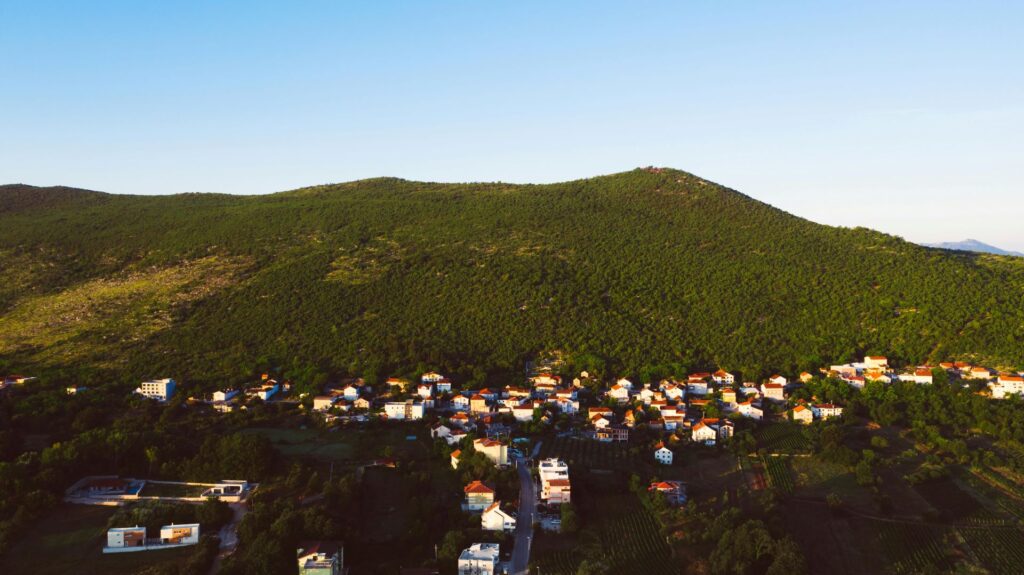
Nestled in the heart of the Cape Winelands, Tulbagh is a town that blends viticultural heritage with colonial history. Founded in the early 18th century, its story is one of resilience, having been rebuilt after a devastating earthquake in 1969, yet maintaining its 18th- and 19th-century character. The result is a town that harmoniously balances history and modernity.
Tulbagh’s historical allure is inseparable from its vineyards. The surrounding valley is home to some of South Africa’s most renowned wine estates, where cellar tours, wine tastings, and gourmet dining experiences celebrate centuries of winemaking tradition. Beyond wine, Tulbagh offers architectural treasures, such as the old Dutch Reformed Church and restored homesteads, which provide insight into colonial life and community development over generations.
The town thrives on culture and experiences. Art galleries showcase works inspired by the valley’s landscapes, while local markets offer artisanal foods, crafts, and textiles. Tulbagh’s festivals—ranging from wine harvest celebrations to heritage days—invite visitors to engage with both history and contemporary local life. Here, the past is not a relic but a living, dynamic presence that informs the town’s identity and charms all who visit.
Paternoster: Coastal Heritage and Timeless Simplicity
On the western coast of South Africa, Paternoster is a fishing village that offers a distinctly different flavor of history. Its origins trace back to the 19th century, and the town has retained much of its traditional character, from whitewashed fishermen’s cottages to the rhythmic pulse of life tied to the sea. Unlike larger tourist hubs, Paternoster maintains an intimate, authentic charm, where the heritage of fishing and coastal living is palpable.
Visitors can stroll along pristine beaches, watch fishing boats return with their daily catch, or explore galleries and shops that celebrate local craftsmanship. Culinary experiences here are exceptional, with seafood restaurants offering dishes that reflect both tradition and contemporary culinary artistry. Paternoster is also a haven for birdwatchers and nature enthusiasts, with the surrounding wetlands and coastal dunes providing habitat for diverse wildlife.
Cultural heritage in Paternoster is living and functional, rooted in the daily rhythms of the community. Storytelling, oral history, and artisanal fishing traditions provide a window into coastal life as it has endured for generations, making Paternoster a town where history, nature, and culture converge in a serene, memorable experience.
Cultural Journeys: Experiencing the Living Past
While each town offers its own unique history, visitors who venture through South Africa’s historic towns often discover common threads: the interplay between natural beauty and human endeavour, the resilience and creativity of communities, and the ways in which history is celebrated, preserved, and transformed. Guided tours, heritage walks, and storytelling sessions allow travelers to engage deeply with the past, while local artisans, performers, and culinary experts bring culture to life in the present.
In towns like Stellenbosch and Tulbagh, wine estates and culinary experiences bridge centuries of agricultural and cultural evolution, highlighting how heritage can evolve into contemporary luxury and lifestyle. Meanwhile, smaller towns like Dullstroom, Clarens, and Paternoster emphasize authenticity, offering travelers intimate encounters with history and local culture that feel personal and memorable. Even in mining towns such as Pilgrim’s Rest and Kimberley, the narrative extends beyond the past to contemporary cultural expressions—art, theatre, and music that echo historical experiences while remaining relevant today.
This fusion of history and living culture ensures that travelers are not mere spectators. Each visit becomes an interactive journey, where heritage is experienced through taste, sound, sight, and even the rhythm of everyday life in these towns. Visitors leave not only with photographs but with stories, experiences, and memories that linger long after they depart.
Heritage Festivals and Local Celebrations
No exploration of South Africa’s historic towns would be complete without acknowledging the festivals and local events that bring history and culture to life. From the Tulbagh Harvest Festival to the Graaff-Reinet Arts Festival, these events celebrate both heritage and innovation, highlighting music, art, theatre, and gastronomy.
In Pilgrim’s Rest, reenactments of the gold rush provide both education and entertainment, while Kimberley’s Diamond Festival draws visitors to celebrate its historic mining legacy through exhibitions, performances, and local crafts. Small coastal towns like Paternoster and St. Francis Bay celebrate their maritime heritage with seafood festivals and art markets, fostering a strong sense of community pride while inviting travelers to participate in local traditions.
Festivals provide a lens through which visitors can experience the past and present simultaneously. They offer an understanding of how history shapes cultural identity while demonstrating the vibrant, evolving nature of South African communities. Travelers gain more than insight—they gain connection, feeling part of the living narrative of the town they are exploring.
Franschhoek: A French Legacy in the Heart of the Cape
Franschhoek, meaning “French Corner,” is a town where history, culture, and gastronomy converge in the most elegant fashion. Founded in 1688 by French Huguenot settlers, its streets tell a story of migration, resilience, and the preservation of heritage. Cobbled streets wind between Cape Dutch architecture and modern boutiques, while old wine estates echo the past through centuries-old vineyards that continue to produce world-class wines.
The town’s heritage is inextricable from its culinary scene. Gourmet restaurants blend centuries-old techniques with contemporary flair, offering a taste of history alongside cutting-edge cuisine. Art galleries, museums, and the Huguenot Memorial Museum provide cultural depth, preserving the stories of the early settlers and the evolution of the Franschhoek Valley. Seasonal markets and music festivals animate the town, creating a living, breathing cultural experience where history and modernity coexist harmoniously.
Beyond the town itself, the surrounding valley is ideal for exploration. Scenic drives, hiking trails, and wine tours offer immersive experiences that connect visitors to both the natural landscape and the historical narratives that have shaped the region.
Clanwilliam: Rooibos Roots and Architectural Charm
In the Western Cape’s rugged Cederberg mountains, Clanwilliam offers a unique blend of agricultural heritage, natural beauty, and historic architecture. Founded in the early 18th century, the town has long been a hub for farmers and traders, but it is most famous for its rooibos tea production. Visitors can tour the fields where this iconic South African crop is grown, learning about traditional harvesting methods and the centuries-old connection between the land and its people.
Clanwilliam’s streets are dotted with Cape Dutch homesteads and quaint buildings that reflect the town’s colonial past. The Cederberg mountains provide a dramatic backdrop, offering hiking trails, rock art, and opportunities to explore the rugged terrain that has shaped both the culture and livelihoods of the area. Local craft markets, galleries, and artisanal workshops allow visitors to engage with the town’s creative community, preserving cultural knowledge while fostering innovation.
The combination of natural and human heritage ensures that Clanwilliam is not only a place to observe history but also a space to experience it actively, from tasting rooibos tea to exploring centuries-old buildings against the striking mountain scenery.
Hogsback: Enchanted Forests and Literary Legends
In the misty forests of the Eastern Cape lies Hogsback, a town steeped in mystery, myth, and literary history. Founded in the early 20th century, it has long inspired writers, artists, and adventurers, earning a reputation as a place of enchantment. The town’s heritage is inseparable from its environment—towering trees, cascading waterfalls, and moss-covered paths create a landscape that feels both ancient and alive.
Hogsback’s cultural significance extends to the arts and literature. The town has connections to renowned South African writers, and its creative community continues to flourish with galleries, craft shops, and workshops that draw inspiration from the surrounding forests. Annual arts festivals and local cultural events showcase music, poetry, and visual art, offering visitors an immersive experience that blends nature with heritage.
For travelers, Hogsback provides a chance to engage with history in a poetic and imaginative way. Walking trails and scenic routes offer glimpses of centuries-old natural landmarks, while local storytelling, guided tours, and craft workshops bring the town’s narratives to life.
Experiential Heritage Travel: Living History Across the Country
Across these towns, a common thread emerges: heritage is not static. It is a living, evolving experience, woven into daily life, art, cuisine, and community events. Visitors are invited to engage actively, whether by participating in gold-panning demonstrations in Pilgrim’s Rest, attending wine harvest festivals in Tulbagh and Franschhoek, or joining storytelling sessions in Hogsback and Clanwilliam.
Heritage trails across the country link these experiences, creating journeys that span centuries and landscapes. Travelers can follow the routes of early settlers, miners, and artisans, discovering both historical landmarks and the stories of the people who inhabited them. Culinary tourism adds another layer of depth, as local recipes, traditional ingredients, and artisanal techniques tell stories of adaptation, creativity, and cultural fusion.
Photography, art, and craft workshops in towns like Clarens and Dullstroom allow visitors to leave with tangible memories, while guided tours and historical reenactments deepen understanding and connection. This form of tourism emphasizes participation and immersion, transforming travelers into active participants in the preservation and celebration of South Africa’s past.
Reflections on South Africa’s Historic Towns
Exploring South Africa’s historic towns is a journey through the nation’s layered past. Each town, whether famous for gold and diamonds or celebrated for wine, art, and natural beauty, tells a story of human ambition, cultural fusion, and resilience. Together, these towns form a tapestry of heritage, where history is not confined to textbooks but lived daily through architecture, community life, cuisine, and artistic expression.
The appeal of these towns lies not only in their historical significance but in their ability to connect visitors to the living culture of South Africa. They are spaces where the past informs the present, where local communities honor traditions while embracing modernity, and where travelers can experience a narrative that spans centuries yet feels immediate and intimate.
For those seeking more than a conventional holiday, these towns offer depth, engagement, and inspiration. They are destinations where the glitter of gold, the shimmer of diamonds, and the elegance of Cape Dutch architecture converge with vibrant culture, natural beauty, and human stories. In exploring them, travelers not only witness history—they become part of it.
From Gold to Culture
South Africa’s historic towns are treasures of heritage and culture, each offering a unique lens into the country’s complex and rich history. From the bustling mining towns of Pilgrim’s Rest and Kimberley to the wine valleys of Stellenbosch, Franschhoek, and Tulbagh, and from the creative enclaves of Clarens and Hogsback to the coastal simplicity of Paternoster, each destination invites travelers to step into living history.
These towns celebrate the resilience, creativity, and cultural richness of the communities that built them. They offer experiences that engage all the senses—taste, sight, sound, and touch—creating journeys that linger in memory long after departure. In exploring South Africa’s historic towns, travelers embark on an immersive odyssey through time, discovering not only the legacy of the past but the enduring spirit of the present.
Whether drawn by gold, diamonds, wine, art, or natural beauty, visitors find themselves enchanted by the stories, landscapes, and people that define these remarkable towns. From gold to culture, South Africa’s historic towns are more than destinations—they are living chronicles, waiting to be explored, experienced, and cherished.
Jabulani
Reporting from the frontlines of the South African tourism renaissance. Bridging the gap between regional stories and global audiences through elite narrative strategy.