

South Africa, often referred to as the "Rainbow Nation," is a land where diverse cultures converge, creating a rich tapestry of traditions, languages, and, notably, cuisines. This fusion of influences has given rise to a culinary landscape as varied and vibrant as the country itself. From the aromatic stews of the indigenous peoples to the spicy curries introduced by Indian laborers, South African cuisine offers a journey through history, culture, and flavor.
The country's geographical diversity, ranging from coastal plains to mountainous regions, has also played a significant role in shaping its food culture. Coastal communities have long relied on the bounties of the sea, while inland areas have developed hearty, meat-based dishes. The fertile lands of the Western Cape have given rise to world-renowned vineyards, further enriching the nation's gastronomic offerings.
Embarking on a culinary journey through South Africa means exploring a mosaic of flavors and traditions. This article delves into the historical influences that have shaped South African cuisine, highlights iconic traditional dishes, explores regional specialties, examines modern culinary trends, and offers practical tips for food-loving travelers eager to experience the country's rich gastronomic heritage.
History and Influence
The roots of South African cuisine are deeply intertwined with the country's complex history, reflecting a blend of indigenous practices and external influences.
Indigenous Culinary Traditions
Long before the arrival of European settlers, indigenous groups such as the Khoisan, Zulu, and Xhosa inhabited the region, each with their own distinct food customs. The Khoisan, comprising the Khoikhoi and San peoples, were primarily hunter-gatherers and pastoralists. Their diet included game meat, edible plants, and fermented milk products. Techniques like drying meat for preservation, which led to the creation of biltong (a form of dried cured meat), are still prevalent today.
The Zulu and Xhosa communities practiced agriculture and cattle herding, incorporating grains like sorghum and millet into their diets. Dishes such as umngqusho, a porridge made from stamped corn and beans, remain staples in Xhosa cuisine.
Colonial and Immigrant Influences
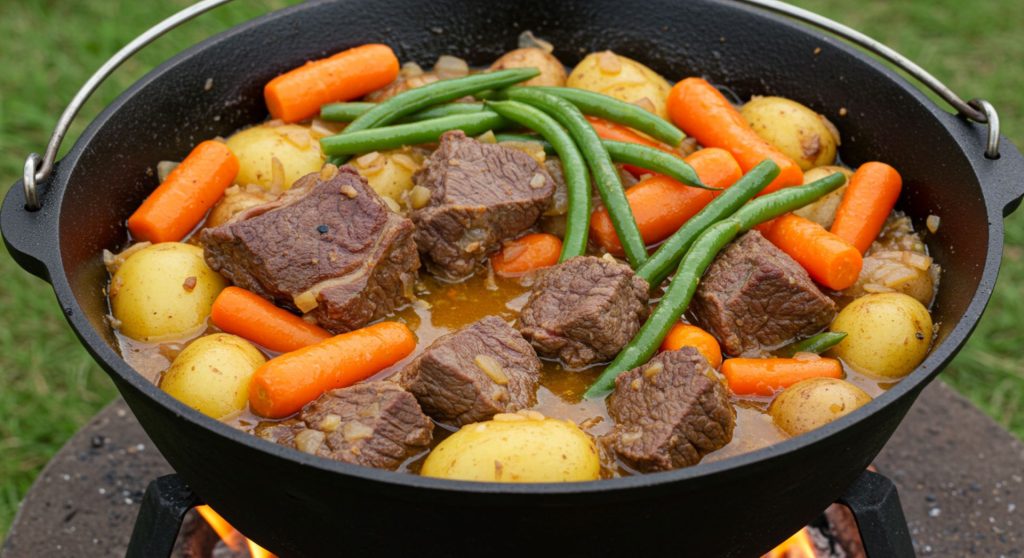
The 17th century marked the arrival of European settlers, notably the Dutch, who established the Cape Colony. They brought with them culinary traditions that blended with local practices. The introduction of the Dutch oven led to the creation of dishes like potjiekos, a slow-cooked stew prepared outdoors in a cast-iron pot.
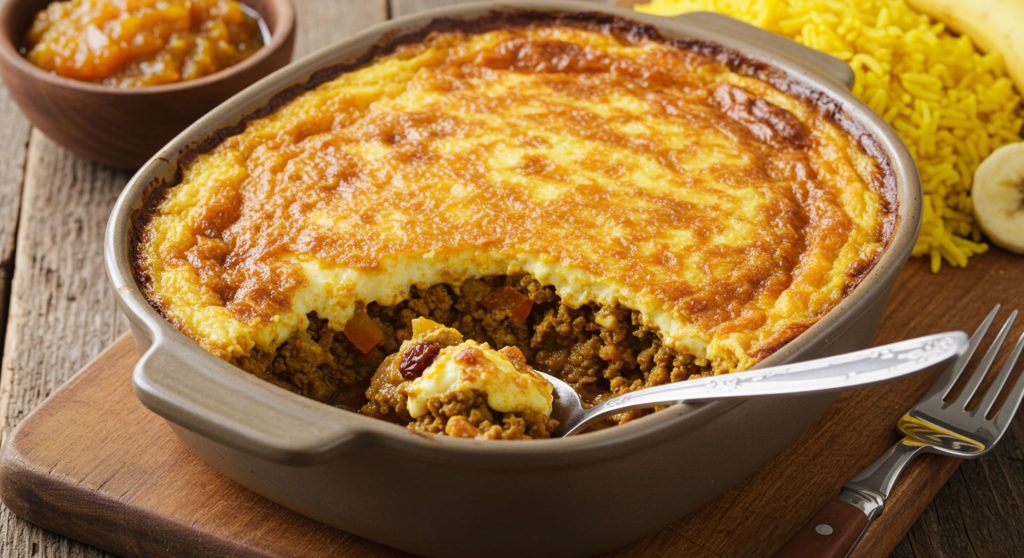
The Dutch East India Company also imported slaves and laborers from Indonesia, Malaysia, and other parts of Africa, leading to the emergence of the Cape Malay community. This group's influence is evident in the adoption of spices and cooking techniques that resulted in dishes like bobotie, a spiced meat casserole with a custard topping.
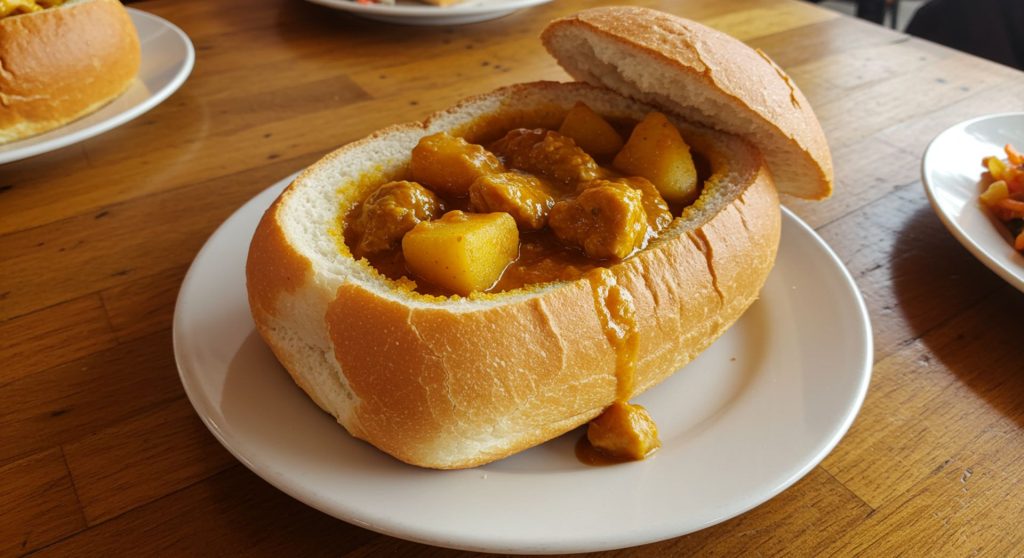
In the 19th century, the British colonized the region, bringing their own culinary preferences, including a penchant for afternoon tea and baked goods. Simultaneously, indentured laborers from India arrived to work on sugar plantations, introducing a variety of spices and curries to the South African palate. This fusion is perhaps best exemplified by the creation of bunny chow, a hollowed-out loaf of bread filled with curry, which has become a beloved street food, especially in Durban.
Traditional South African Dishes
South Africa's traditional dishes are a testament to its diverse cultural influences, each telling a story of the people and history that shaped them.
Braai
At the heart of South African social life is the braai, an Afrikaans term for barbecue. However, a braai is more than just a method of cooking; it's a cultural institution. Unlike typical barbecues, a braai is characterized by cooking over wood fires, imparting a distinct smoky flavor to the meat. It's a communal event, bringing together friends and family to share not just food but also stories and camaraderie. Common items on a braai include boerewors (a coiled sausage made from minced meat and spices), lamb chops, and marinated chicken. Side dishes often feature pap (a maize porridge) and chakalaka (a spicy vegetable relish).
Bobotie
Bobotie is a quintessential Cape Malay dish that showcases the fusion of flavors resulting from historical trade routes and cultural intermingling. It's a savory-sweet casserole made from spiced minced meat, typically beef or lamb, mixed with dried fruits like sultanas, and topped with a creamy egg custard. The use of spices such as curry powder, turmeric, and bay leaves reflects the Malaysian and Indonesian influence on South African cuisine. Often served with yellow rice and chutney, bobotie offers a harmonious blend of flavors and textures.
Bunny Chow
Despite its name, bunny chow contains no rabbit. This iconic street food originated in the Indian community of Durban and consists of a hollowed-out loaf of white bread filled with spicy curry, traditionally made with beans, chicken, or mutton. The portable nature of bunny chow made it a popular meal among laborers, and it has since become a beloved fast food across the country. Its exact origins are debated, but one theory suggests that it was created as a way to serve take-away curry to those who were not allowed to eat in certain establishments during apartheid.
Potjiekos
Potjiekos, meaning "small pot food" in Afrikaans, is a traditional stew cooked outdoors in a round, cast-iron, three-legged pot over an open fire. This method of cooking dates back to the Voortrekkers, Dutch settlers who migrated inland. The stew typically includes meat (such as lamb, beef, or game), vegetables (like carrots, cabbage, and potatoes), and is slowly simmered to allow the flavors to meld. The communal aspect of cooking and sharing potjiekos makes it a cherished tradition at social gatherings.
Pap and Chakalaka
Pap, a stiff porridge made from maize meal, is a staple across many South African communities. Its neutral flavor makes it the perfect accompaniment to a variety of dishes. One popular pairing is with chakalaka, a spicy relish made from onions, tomatoes, peppers, carrots, and beans. The origins of chakalaka are believed to trace back to the townships of Johannesburg, where migrant workers would create simple, flavorful dishes from available ingredients. Together, pap and chakalaka represent comfort food for many South Africans.
Regional Specialties
South Africa's vast landscapes and cultural diversity have given rise to regional specialties, each reflecting the unique characteristics of their locale.
Western Cape: Wine and Cuisine
The Western Cape, with its Mediterranean climate, is renowned for its wine production. Regions like Stellenbosch and Franschhoek are dotted with vineyards producing world-class wines. The cuisine here often features fresh seafood, reflecting the province's extensive coastline. Dishes like waterblommetjiebredie, a stew made from local water flowers and lamb, are unique to this area. The town of Franschhoek, originally settled by French Huguenots, has a rich culinary heritage that blends French techniques with local ingredients.
Jabulani
Reporting from the frontlines of the South African tourism renaissance. Bridging the gap between regional stories and global audiences through elite narrative strategy.