

South Africa’s rich tapestry of cultures finds its most vibrant expression in the country’s festivals. Across bustling cities and serene rural landscapes, the rhythm of music, the palette of art, and the pulse of dance coalesce into a kaleidoscope of experiences. From internationally renowned music events to intimate local art gatherings, the nation’s festival calendar is a living testament to its diversity, history, and creative spirit. These celebrations are not merely entertainment; they are windows into the heart of South African identity, showcasing the interplay of heritage, innovation, and communal joy.
The Musical Pulse of South Africa
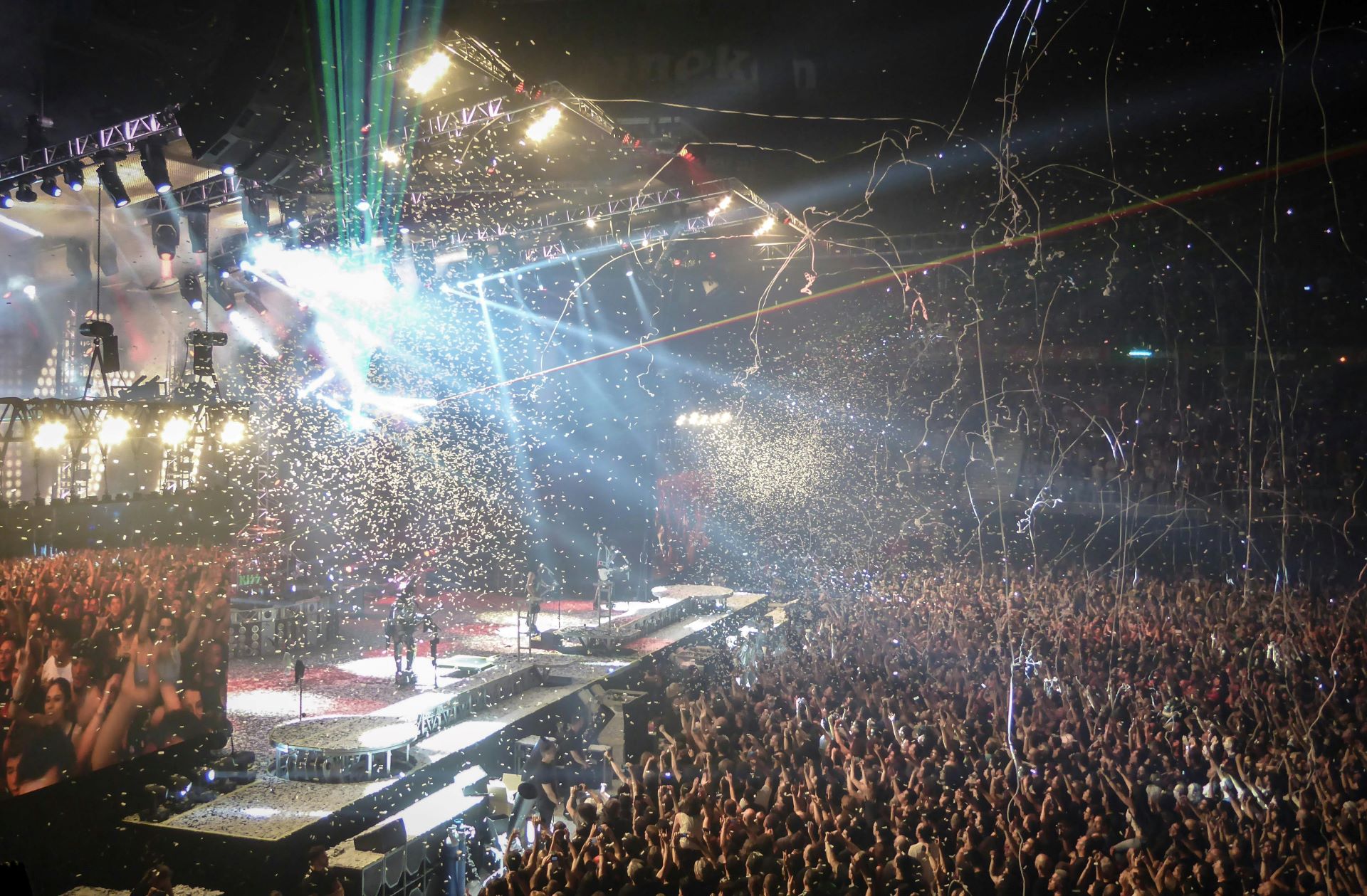
Music in South Africa is more than sound; it is a narrative thread that weaves communities together. The nation’s festival scene is particularly distinguished by its eclecticism, spanning genres as diverse as jazz, electronic, rock, and indigenous rhythms. The Cape Town International Jazz Festival, often hailed as “Africa’s Grandest Gathering,” epitomises this synthesis. Each year, the festival draws luminaries from around the globe while simultaneously providing a platform for local talents whose voices echo the country’s storied past and contemporary dynamism. The jazz itself is a conversation between eras and identities, blending traditional African percussion with contemporary improvisations to create a dialogue that transcends borders.
Further inland, events such as the Oppikoppi Music Festival in Limpopo offer a distinctly South African rock and alternative experience. Here, the undulating terrain becomes a natural amphitheater where the raw energy of local bands fuses with a sense of communal freedom. Attendees often describe the festival as a rite of passage, where the rugged landscapes mirror the unrestrained spirit of the music. In Johannesburg, electronic music festivals have taken root, embracing a cosmopolitan blend of house, techno, and Afro-fusion beats. These festivals are as much about the sound as they are about the immersive atmospheres created through lighting, visual projections, and performance art, crafting a multi-sensory celebration that resonates long after the final track fades.
Music festivals in South Africa also serve as bridges between generations and cultures. Traditional forms, such as mask dances accompanied by rhythmic drumming in KwaZulu-Natal, coexist with contemporary genres, demonstrating the nation’s unique capacity to honour heritage while embracing modernity. The dialogue between the past and the present manifests not only in sound but also in community engagement. Many festivals actively involve local musicians in workshops and outreach programmes, fostering a sense of continuity and mentorship that ensures the preservation of South Africa’s rich musical lineage.
Visual Art: Canvases Across the Continent
Art festivals in South Africa offer an equally compelling narrative, transforming public spaces into living galleries. The vibrant streets of Cape Town, Johannesburg, and Durban provide stages for artists to present work that challenges, inspires, and provokes thought. The Infecting the City festival in Cape Town exemplifies this approach, merging visual art, performance, and audience participation into a public spectacle that reimagines urban spaces. Murals, installations, and site-specific works transform streets into immersive experiences, inviting passersby to engage with creativity in unexpected ways. The festival’s ethos is grounded in accessibility, breaking down the traditional barriers between artist and audience while reflecting the city’s socio-political landscape through aesthetic exploration.
Meanwhile, the National Arts Festival in Grahamstown (now Makhanda) stands as the continent’s largest arts festival, encompassing theatre, visual art, and literary performances. Within the historic streets and halls of the town, visitors encounter a spectrum of creativity: from experimental theatre productions that interrogate contemporary social issues to intricate paintings that convey narratives of memory, displacement, and identity. The festival functions as a crucible for artistic innovation, where emerging voices meet seasoned practitioners, and where South Africa’s multifaceted histories are interrogated and celebrated. It is not merely an exhibition but a living dialogue between creator and observer, highlighting the transformative power of art to provoke reflection and communal understanding.
Art festivals in smaller towns and rural settings, too, play a critical role in fostering cultural exchange. Events like the Aardklop National Arts Festival in Potchefstroom provide platforms for regional artists, connecting them with national audiences while celebrating local heritage. Sculptures, photography exhibitions, and interactive installations often draw inspiration from the surrounding landscapes, embedding the work within the lived experience of the community. These festivals underscore the notion that art in South Africa is both a mirror and a lens, reflecting societal nuances while offering fresh perspectives on identity, history, and aspiration.
Dance as a Living Language
If music is the heartbeat and art the soul of South African festivals, dance is their living language. Dance in South Africa transcends performance, functioning as both a medium of storytelling and a vessel of cultural memory. Traditional dances, such as the energetic Zulu Indlamu or the expressive Xhosa umteyo, retain ceremonial significance while being reinterpreted in contemporary festival contexts. These dances, performed during community gatherings and urban events alike, bridge the temporal gap between ancestors and modern audiences, allowing movement to convey histories that words alone cannot.
Urban dance festivals, particularly in Johannesburg and Cape Town, have embraced this continuum, blending street dance, contemporary choreography, and indigenous forms. Events such as Dance Umbrella provide platforms for choreographers to challenge norms, experimenting with form, space, and cultural commentary. Audience interaction often becomes part of the performance, dissolving the boundaries between performer and spectator and reinforcing dance as a communal experience. The visceral immediacy of movement, paired with musical accompaniment, invites participants to inhabit narratives that explore identity, resilience, and social consciousness.
Dance at festivals also operates as a bridge across cultures. Many events incorporate international ensembles, fostering dialogue between South African traditions and global forms. The cross-pollination of styles—combining Capoeira from Brazil with local gumboot rhythms, or contemporary ballet with African improvisational structures—demonstrates the adaptive and integrative nature of South African dance. Festivals become laboratories of creativity, where cultural heritage is neither static nor isolated but continually reinterpreted, ensuring its relevance in an ever-globalizing world.
Festivals as Cultural Mirrors
South African festivals, in their diversity and vibrancy, reflect the nation’s complex social fabric. They offer insight into the intersections of race, class, and geography, highlighting both challenges and triumphs. For instance, township-based festivals often foreground community resilience and innovation, transforming historically marginalized spaces into sites of celebration and visibility. Markets, workshops, and pop-up performances intertwine with the central festival activities, creating an ecosystem where economic empowerment and cultural expression coexist. These events are both celebratory and political, affirming identity while fostering dialogue on social issues such as inclusion, equity, and historical memory.
Urban festivals, in contrast, frequently highlight cosmopolitan narratives, merging international and local influences to explore contemporary cultural dynamics. They illuminate the tensions and harmonies inherent in a post-apartheid society, where tradition and modernity intersect, sometimes uneasily, but always compellingly. Whether in the graffiti-strewn alleys of Johannesburg or the chic precincts of Cape Town’s V&A Waterfront, festivals become microcosms of the nation’s evolving identity, offering spaces for reflection, experimentation, and dialogue.
Tourism, Economy, and Community Impact
Beyond cultural enrichment, festivals in South Africa have significant economic and social impacts. The tourism generated by major events contributes substantially to local economies, stimulating sectors such as hospitality, transport, and retail. International visitors bring attention to lesser-known regions, encouraging investment in infrastructure and services while providing artists and performers with broader exposure. Moreover, festivals often create opportunities for small businesses and informal traders, enabling local entrepreneurs to engage with audiences that extend far beyond their immediate communities.
Community engagement is central to the festival experience. Many organizers prioritize inclusive programming, offering workshops, educational initiatives, and participatory events that involve residents in meaningful ways. These initiatives foster pride, skill development, and intergenerational exchange, ensuring that the benefits of cultural events extend well beyond their temporal footprint. In doing so, South African festivals exemplify the potential of art, music, and dance to catalyze social cohesion and sustainable development, transforming celebratory occasions into platforms for empowerment and growth.
The Future of Festivals in the Rainbow Nation
As South Africa continues to evolve, so too does its festival landscape. Emerging technologies, including virtual reality, digital art installations, and live-streamed performances, are expanding accessibility and creative possibilities. Festivals are increasingly mindful of environmental impact, integrating sustainable practices into planning and execution, from waste management to renewable energy utilization. These innovations not only enhance visitor experiences but also reflect a broader cultural consciousness attuned to global challenges and opportunities.
The future promises greater hybridity, with festivals blending traditional and digital realms, local and international influences, and participatory and observational experiences. This evolution underscores a fundamental truth: South African festivals are not static; they are living, adaptive, and reflective of the nation’s vibrant complexity. They continue to celebrate diversity while embracing innovation, ensuring that the rhythms, colors, and movements of the Rainbow Nation resonate both at home and abroad.
A Nation in Celebration
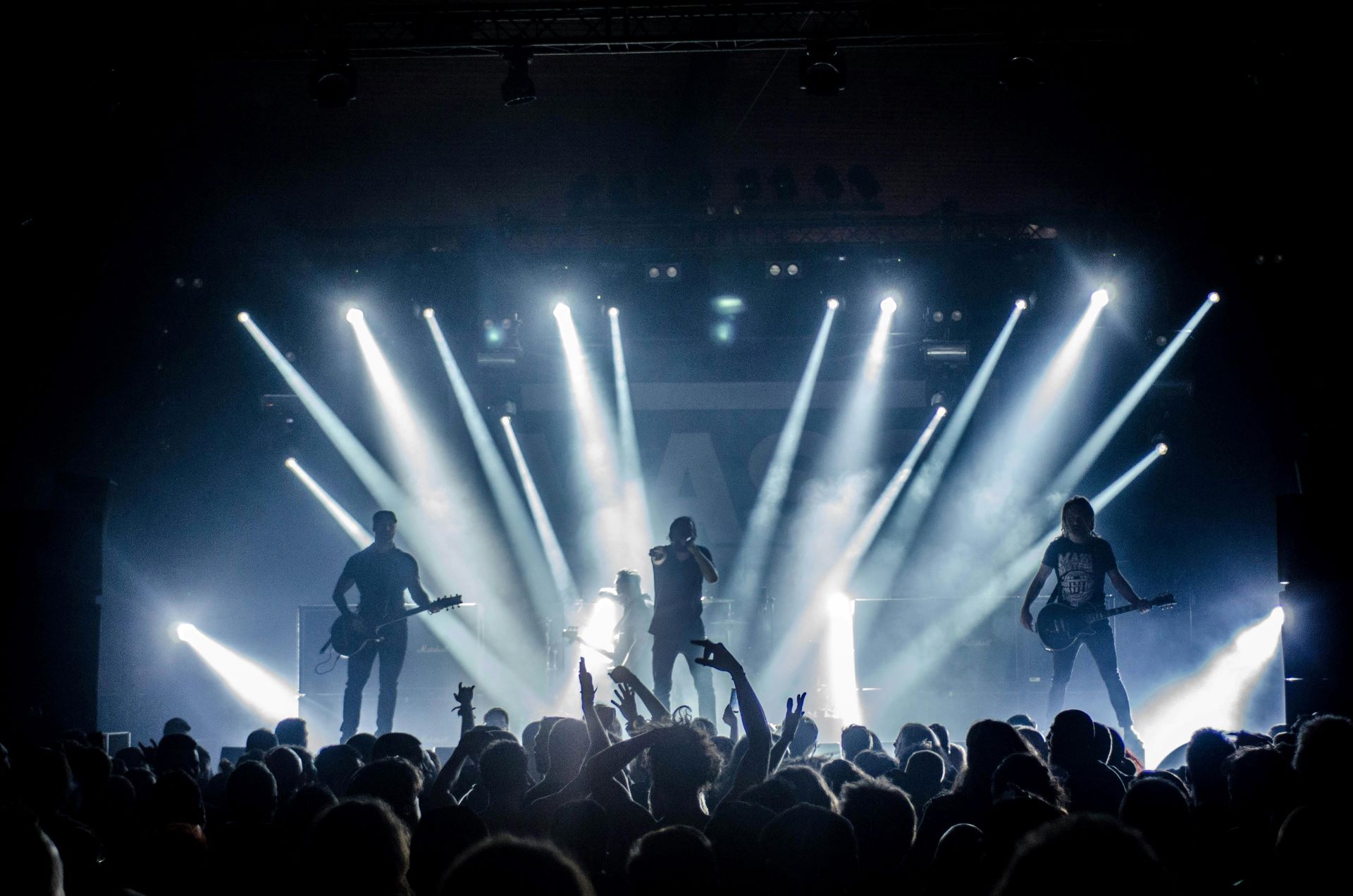
Festivals across South Africa offer more than music, art, and dance—they offer glimpses into the soul of a nation. They are arenas where history meets contemporary life, where communities gather to celebrate identity, creativity, and resilience. From the jazz-soaked nights of Cape Town to the experimental art spaces of Makhanda, from traditional dance ceremonies to cosmopolitan street performances, festivals serve as both mirror and canvas for the Rainbow Nation.
In these spaces, every beat, brushstroke, and step tells a story—stories of struggle and triumph, of memory and aspiration, of individuals and communities intertwined. Festivals transform ordinary days into extraordinary experiences, affirming South Africa’s place on the global cultural stage while nurturing a deep sense of local pride and belonging. They are living testaments to the power of music, art, and dance to unite, inspire, and celebrate the infinite possibilities of human expression.
Herman
Reporting from the frontlines of the South African tourism renaissance. Bridging the gap between regional stories and global audiences through elite narrative strategy.