

Tourism in modern South Africa is not only about landscapes, wildlife and coastal sunsets. It is increasingly about flavour, heritage and the experience of eating food that tells the story of the land itself. The relationship between hospitality demand and agriculture has grown into one of the more quietly powerful economic loops supporting rural development and culinary identity.
The role of South African Tourism in promoting destination experiences has helped shift visitor expectations. Travellers arriving in South Africa are no longer satisfied with generic hotel buffets. Instead, they are searching for meals that carry a sense of place, prepared from ingredients that travelled fewer kilometres than the guest who is tasting them.
Hospitality operators across the country are responding by strengthening procurement relationships with local farmers, artisanal producers and regional cooperatives. This is not simply a marketing gesture. It is a supply chain philosophy built around resilience, authenticity and economic circulation.
The tourism sector functions like a living marketplace where appetite drives production planning. When lodges in conservation areas or boutique hotels in urban centres commit to sourcing vegetables, dairy and meat from nearby farms, they generate predictable demand signals. Those signals allow farmers to invest in better irrigation, improved seed varieties and more reliable labour management.
The result is a feedback ecosystem where tourism consumption supports agricultural stability while agriculture enhances destination competitiveness. South African tourism is discovering that the taste of a place can be as memorable as the view from a coastal cliff or a wildlife safari track.
Farm-to-Table Branding and Destination Identity
Farm-to-table tourism is not just a logistical practice; it is a narrative strategy. Visitors want stories with their meals. They want to know the soil, the season and sometimes even the farmer who grew the ingredients on their plate.
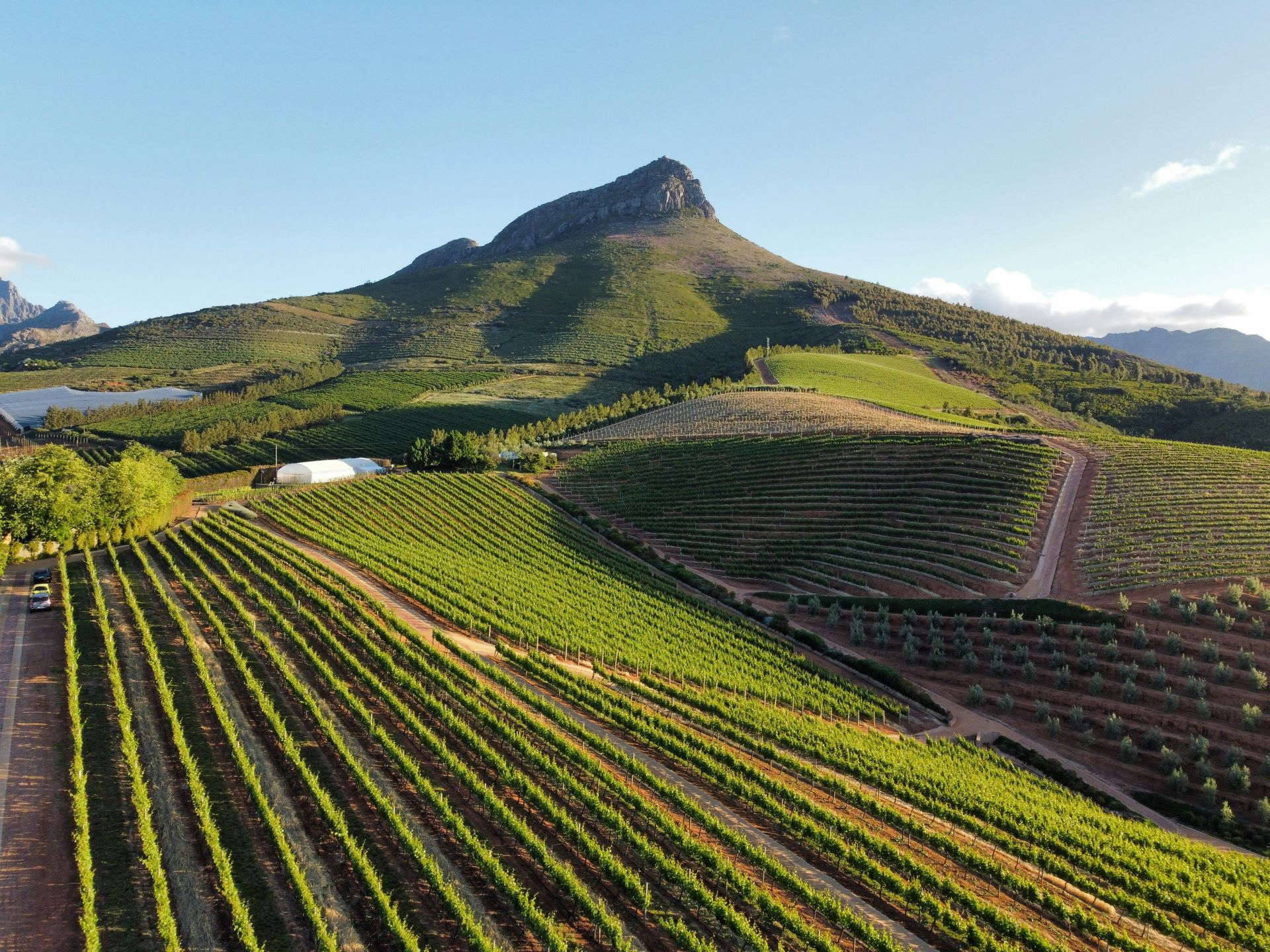
In destinations such as Cape Town, farm-to-table experiences are increasingly integrated into wine estates, mountain retreats and urban culinary districts. The region’s agricultural diversity provides a natural advantage. Wine grapes, citrus, fresh seafood and heritage vegetables converge into a gastronomic identity that feels both cosmopolitan and rooted in landscape.
Destination branding agencies are beginning to market South African regions not only as travel locations but as edible geographies. This means tourists are encouraged to explore routes where food production and leisure travel overlap. The idea is that a visitor can follow a culinary trail from farm orchard to restaurant table without feeling disconnected from the source.
Local food branding also strengthens cultural tourism. Traditional dishes prepared with regionally sourced ingredients carry deeper authenticity than imported substitutes. When tourism establishments highlight indigenous crops and heritage cooking techniques, they reinforce South Africa’s historical and cultural continuity while creating a commercial advantage.
Urban tourism hubs such as Johannesburg are also embracing this model. Rooftop gardens, urban micro-farms and community-supported agriculture networks are gradually entering hotel procurement systems. Although urban agriculture cannot fully replace rural production, it helps stabilise supply chains for high-turnover hospitality environments.
Hospitality Procurement and Agricultural Inclusion
One of the most significant advantages of tourism-driven food demand is its ability to integrate small-scale farmers into commercial supply networks. South Africa’s agricultural sector is dualistic, consisting of highly industrialised commercial farms alongside emerging smallholder producers.
Tourism procurement policies can bridge this divide by creating entry pathways for local producers who might otherwise struggle to reach large retail markets.
Hotels and safari lodges often require consistent quality rather than enormous volume. This makes them ideal customers for niche producers of organic vegetables, free-range poultry and artisanal dairy products. When purchasing agreements are structured fairly, tourism operators become long-term partners rather than price-driven buyers.
However, inclusion requires infrastructure. Small farmers must have access to cold storage facilities, transport logistics and predictable ordering schedules. Without these elements, the farm-to-table concept risks becoming symbolic rather than economically transformative.
Public-private collaboration can address this challenge. Government-supported agricultural extension programmes combined with hospitality sector partnerships can improve production standards while preserving local ownership of supply.
Tourism operators also benefit from diversified procurement. Relying on a single large supplier creates vulnerability during droughts, transport disruptions or seasonal harvest fluctuations. By contrast, sourcing from multiple regional farms distributes risk across the supply network.
Seasonal Tourism and Agricultural Planning
Agriculture is governed by weather rhythms, and tourism is governed by human movement patterns. When these two cycles are synchronised, economic efficiency improves.
South Africa’s tourism peaks often align with school holidays, international travel seasons and major cultural events. Agricultural planners can anticipate these demand surges by scheduling planting and harvesting cycles accordingly.
For example, summer tourism influxes along coastal regions can be supported by vegetables and fruits that mature during warmer months. Winter tourism in inland game reserves can be paired with storage crops, preserved products and livestock supply systems.
Climate variability remains a challenge. Drought episodes can disrupt both tourism aesthetics and agricultural output. Water scarcity affects hospitality landscaping, food production and even visitor perception of destination quality.
Adaptive water management technologies therefore become essential. Many hotels are investing in rainwater harvesting systems and low-irrigation kitchen gardens. These systems are not merely environmental gestures. They function as operational safeguards.
Farm-to-table tourism also encourages seasonally inspired menus. Chefs design dishes around what is available rather than forcing supply chains to deliver out-of-season ingredients. This practice reduces transportation costs, improves freshness and supports local farming cycles.

Culinary Heritage as a Competitive Advantage
South Africa’s tourism competitiveness is increasingly tied to its culinary storytelling capacity. International travellers are not only visiting wildlife reserves but also seeking gastronomic encounters that reflect the country’s multicultural heritage.
Indigenous crops such as sorghum, marula fruit and traditional leafy vegetables are slowly re-entering restaurant menus. When combined with modern culinary techniques, these ingredients create a fusion identity that feels simultaneously ancient and contemporary.
The hospitality industry is learning that heritage cuisine is not about nostalgic preservation alone. It is about economic activation. By purchasing local heritage crops, hotels stimulate agricultural biodiversity. Farmers gain incentives to cultivate varieties that might otherwise disappear under commercial monoculture pressures.
Culinary tourism festivals are also becoming important marketing platforms. Food and wine events allow producers to interact directly with visitors, shortening the distance between production and consumption.
These festivals function as live supply chain exhibitions. Visitors can taste, purchase and learn about production methods in a single location, strengthening emotional attachment to destination brands.
Logistics, Technology and Supply Chain Transparency
Modern farm-to-table tourism cannot function without digital coordination. Hospitality groups are increasingly adopting inventory tracking platforms that connect kitchen demand with farm production schedules.
Blockchain-style traceability systems, although still emerging, promise to allow tourists to verify the origin of their meal ingredients. Imagine scanning a restaurant menu code and discovering that the beef was raised in the grasslands of the Highveld or that the tomatoes were harvested from a small cooperative outside a coastal town.
This level of transparency enhances consumer confidence. It also supports ethical sourcing certification.
Transport infrastructure remains one of the largest cost components in South African food distribution. Rural farm locations often lie far from major tourism hubs. Efficient cold chain logistics are therefore essential to maintaining freshness and reducing waste.
Electric refrigerated transport vehicles and shared distribution networks are gaining attention as sustainability pressures increase. Tourism companies that participate in cooperative logistics models can reduce per-unit food transportation costs.
Sustainability, Conservation and Land Stewardship
South African tourism is closely linked to environmental conservation. Safari tourism in particular depends on healthy ecosystems.
Farm-to-table supply chains can support conservation goals by encouraging sustainable land use practices. When tourism operators prioritise suppliers who follow soil conservation, responsible grazing and biodiversity protection standards, market incentives shift toward ecological stewardship.
This alignment is especially important in regions surrounding wildlife reserves. Agricultural expansion that conflicts with natural habitats can undermine long-term tourism value.
Water-efficient farming technologies, organic pest management and rotational grazing systems help maintain environmental balance. Tourism enterprises that communicate these sustainability commitments to visitors often enjoy stronger brand loyalty.
International travellers are increasingly willing to pay premium prices for experiences that demonstrate ethical sourcing and ecological responsibility.
Challenges Facing Farm-to-Table Tourism Integration
Despite its promise, the farm-to-table model is not without friction.
Supply consistency remains the most immediate concern. Small agricultural producers may struggle to meet large hospitality orders during peak tourist seasons. Crop failures caused by unpredictable rainfall patterns can also disrupt contracts.
Pricing negotiation is another sensitive area. Local producers must receive fair compensation while tourism operators manage competitive accommodation and dining prices.
Skills development is equally important. Farmers need training in packaging standards, quality grading and food safety compliance. Hospitality staff must also be educated about seasonal procurement and local ingredient storytelling.
There is also the risk of commercialisation overshadowing authenticity. Some destinations may attempt to simulate farm-to-table experiences without establishing real supply chain relationships. Visitors are becoming more perceptive and can often distinguish between marketing theatre and genuine local sourcing.
The Future of Tourism-Driven Food Economies
The next phase of South African tourism will likely involve deeper integration between agriculture, hospitality and digital commerce.
Smart destination management systems may allow tourists to pre-book culinary experiences linked to specific farms or harvest seasons. Visitors could arrive knowing that they will participate in grape picking, cheese making or indigenous cooking workshops.
Rural tourism development holds particular promise. Many agricultural communities possess scenic landscapes suitable for guest accommodation, farm tours and cultural storytelling.
Youth employment opportunities may emerge in agro-tourism technology, culinary entrepreneurship and heritage interpretation services.
The farm-to-table movement also aligns with global travel preferences shifting toward meaningful consumption. Travellers increasingly want their spending to contribute positively to local communities rather than merely purchasing transient leisure.
South Africa’s diverse agricultural zones offer an almost orchestral palette of flavours waiting to be composed into tourism experiences. From coastal seafood routes to highland meat and grain regions, the country possesses the raw material for a globally competitive culinary destination.

Tourism and agriculture in South Africa are gradually learning to speak the same economic language. Hospitality demand is becoming a stabilising force for farming communities, while local food supply chains are enriching destination branding.
Farm-to-table tourism is more than a dining trend. It is a structural relationship between visitor experience and rural economic vitality. When managed carefully, it can support sustainable development, strengthen cultural heritage and improve the resilience of both the tourism and agricultural sectors.
As South Africa continues to position itself as a world-class travel destination, the story of its future may not be told only through wildlife photographs or skyline views, but also through the quiet dignity of soil, harvest and the shared table where visitor and community meet.
Gerald Ferreira
Reporting from the frontlines of the South African tourism renaissance. Bridging the gap between regional stories and global audiences through elite narrative strategy.