

South Africa’s wine regions are a treasure trove for anyone who loves a good glass of wine, but exploring them doesn’t have to drain your wallet. From the iconic vineyards of Stellenbosch and Franschhoek to the hidden gems of the Western Cape, there are ways to enjoy world-class wine experiences without splurging. For travelers keen to savor fine wine while keeping costs manageable, careful planning, timing, and a bit of insider knowledge can make all the difference. This guide walks you through the best strategies for budget-friendly wine adventures, combining tastings, picnics, and off-peak visits that let you immerse yourself in the region’s beauty and culture.

Choosing the Right Wine Region
South Africa boasts several wine regions, each with its own unique character, scenery, and price points. Stellenbosch is the most famous, with its historic estates and wide variety of wine styles. While some wineries here can be expensive, many offer entry-level tasting experiences that are surprisingly affordable. Look for boutique wineries slightly off the main routes; they often provide tastings at lower costs, with the added benefit of a more intimate atmosphere.
Franschhoek, known as the “French Corner,” offers a blend of culinary excellence and fine wines. Many estates here host food and wine pairing experiences, which can be surprisingly reasonable if booked during weekdays or outside peak holiday seasons. Paarl, another gem, is often less crowded, making it ideal for budget-conscious visitors seeking tastings and scenic walks without the high costs of the more tourist-heavy regions.
For those who prefer a mix of exploration and relaxation, the Coastal Region near Hermanus and Elgin provides stunning vineyard views alongside opportunities to enjoy picnics by lakes or rivers. Visiting less frequented estates in these areas often offers the best value.
Planning Tastings Without Overspending
Wine tastings can be one of the priciest elements of a vineyard visit, but there are several strategies to enjoy them affordably. Many estates offer tiered tasting experiences, where the most basic tasting is often just a fraction of the cost of premium flights. Booking tastings during off-peak times, such as weekdays or early mornings, can sometimes attract discounts or waived fees, particularly at smaller wineries.
Joining wine clubs or signing up for newsletters in advance can also unlock complimentary or discounted tastings. Some estates offer free tastings for members of their mailing list, or coupons for local tourism promotions. Additionally, consider splitting tastings with a travel companion; sharing a single flight can allow both participants to sample a variety of wines at a fraction of the cost.
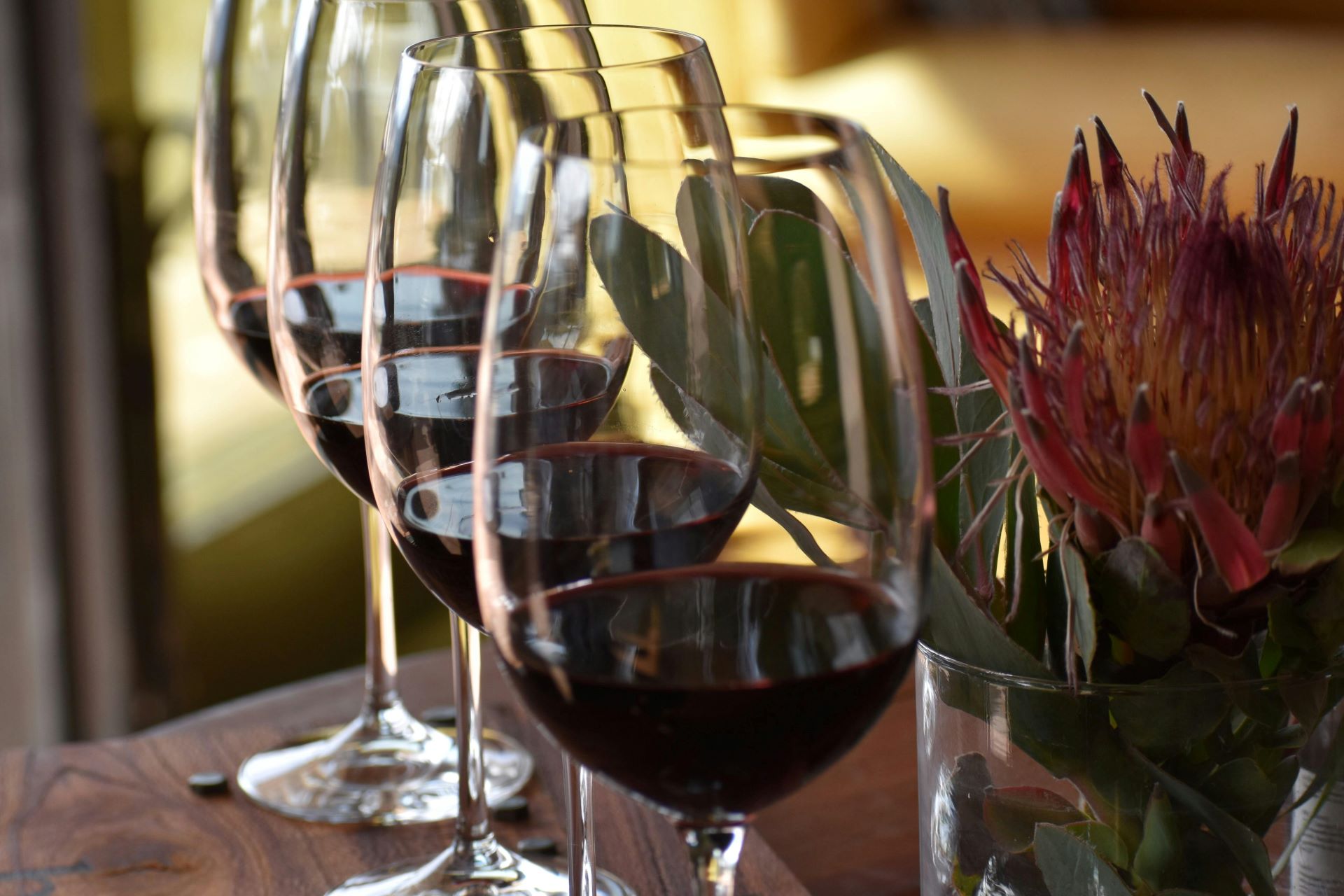
Many estates also offer outdoor tasting experiences where the scenic environment is as much a part of the enjoyment as the wine itself. By choosing these settings, visitors often find they get more value for their money: the visual experience, the interaction with winemakers, and the chance to linger without feeling rushed can turn even a modest tasting into a memorable outing.
Picnics and Self-Catering Adventures
One of the most cost-effective ways to experience South African wine estates is to combine your visit with a picnic. Several vineyards allow visitors to bring their own food, providing an affordable way to enjoy the setting without relying on estate restaurants, which can be pricey. Pack local cheeses, breads, and fruits from farmers’ markets or specialty stores; pairing these with a tasting flight purchased on-site can create a gourmet experience without the hefty bill.
Some estates offer picnic baskets for hire, which can be a mid-range option if you prefer not to pack your own. These baskets often include a selection of wines, locally sourced charcuterie, and utensils, giving a curated experience that’s still more affordable than a full lunch at the estate’s restaurant.
Finding estates with scenic picnic areas can also be part of the adventure. Look for properties with vineyards overlooking mountains, rivers, or historic architecture. Not only does this enhance the experience, but it allows for hours of enjoyment without incurring additional costs. Adding a blanket, some cushions, and a bottle of your favorite wine transforms a simple outing into a leisurely day of indulgence.
Timing Your Visits for Savings
When it comes to budget-friendly wine tourism, timing is everything. Peak seasons such as December holidays, Easter, and local long weekends often see higher prices and crowded estates. Visiting during off-peak periods – usually mid-week, late autumn, or early spring – can lead to lower tasting fees, quieter estates, and better deals on accommodation nearby.
Certain estates also host mid-week specials or promotional days where tasting fees are reduced or waived. These often coincide with new releases or harvest celebrations. Planning your itinerary around these promotions allows you to enjoy premium experiences at a fraction of the standard cost.
Another key factor is booking in advance. While spontaneous visits can be delightful, many estates offer discounts for online reservations or package deals combining tastings, cellar tours, and picnics. Keeping an eye on local tourism websites and estate newsletters can provide insider knowledge on these savings opportunities.
Exploring Beyond the Vineyard
South African wine tourism isn’t limited to just tasting rooms. Many estates provide additional free or low-cost experiences that enhance the visit. Walking or cycling through vineyards, enjoying scenic photography, and attending informal wine talks or demonstrations are often complimentary. Some estates have small art galleries, historical exhibits, or outdoor music events that add cultural value to your visit.
Engaging with local wine tours can also be cost-effective if you plan carefully. Group tours often provide discounted entry to multiple estates in one day, making them more economical than individual visits. Public transport or shared shuttle services can reduce costs further, allowing you to experience multiple regions without the expense of private transfers.
Insider Tips for Budget Wine Travel
While budget wine tourism might seem challenging, a few insider strategies make it surprisingly manageable. Start by researching lesser-known estates – these smaller, family-run vineyards often offer high-quality wines at lower tasting fees than their more famous counterparts. Engage directly with winemakers; many estates are happy to offer additional pours or guidance on affordable bottles if visitors show genuine interest.
Consider combining wine tourism with other free or low-cost attractions. Nature reserves, hiking trails, and local markets nearby can provide full-day experiences while keeping your overall spending in check. Be flexible with your itinerary; sometimes estates have unexpected promotions, last-minute availability, or seasonal events that create excellent value opportunities.
Finally, savor the slower pace. Spending time wandering vineyards, engaging with staff, and simply enjoying the scenery creates memorable experiences that go beyond what you spend. Budget wine tourism isn’t just about finding the cheapest options; it’s about maximizing enjoyment through smart planning, timing, and curiosity.
Exploring South Africa’s wine estates on a budget is more than possible; it can be deeply rewarding. With careful planning, strategic timing, and a willingness to explore off the beaten path, travelers can enjoy tastings, picnics, and scenic visits without overspending. The key lies in balancing affordability with the rich experiences that make South African wine tourism exceptional. Whether it’s a leisurely day in Stellenbosch, a hidden vineyard in Franschhoek, or a riverside picnic in the Coastal Region, budget-conscious visitors can immerse themselves fully in the culture, history, and natural beauty of the country’s wine lands. By prioritizing smart choices and embracing the slower rhythm of vineyard life, every wine lover can sip, savor, and celebrate the essence of South Africa – one affordable glass at a time.
Elisha Roodt
Reporting from the frontlines of the South African tourism renaissance. Bridging the gap between regional stories and global audiences through elite narrative strategy.