

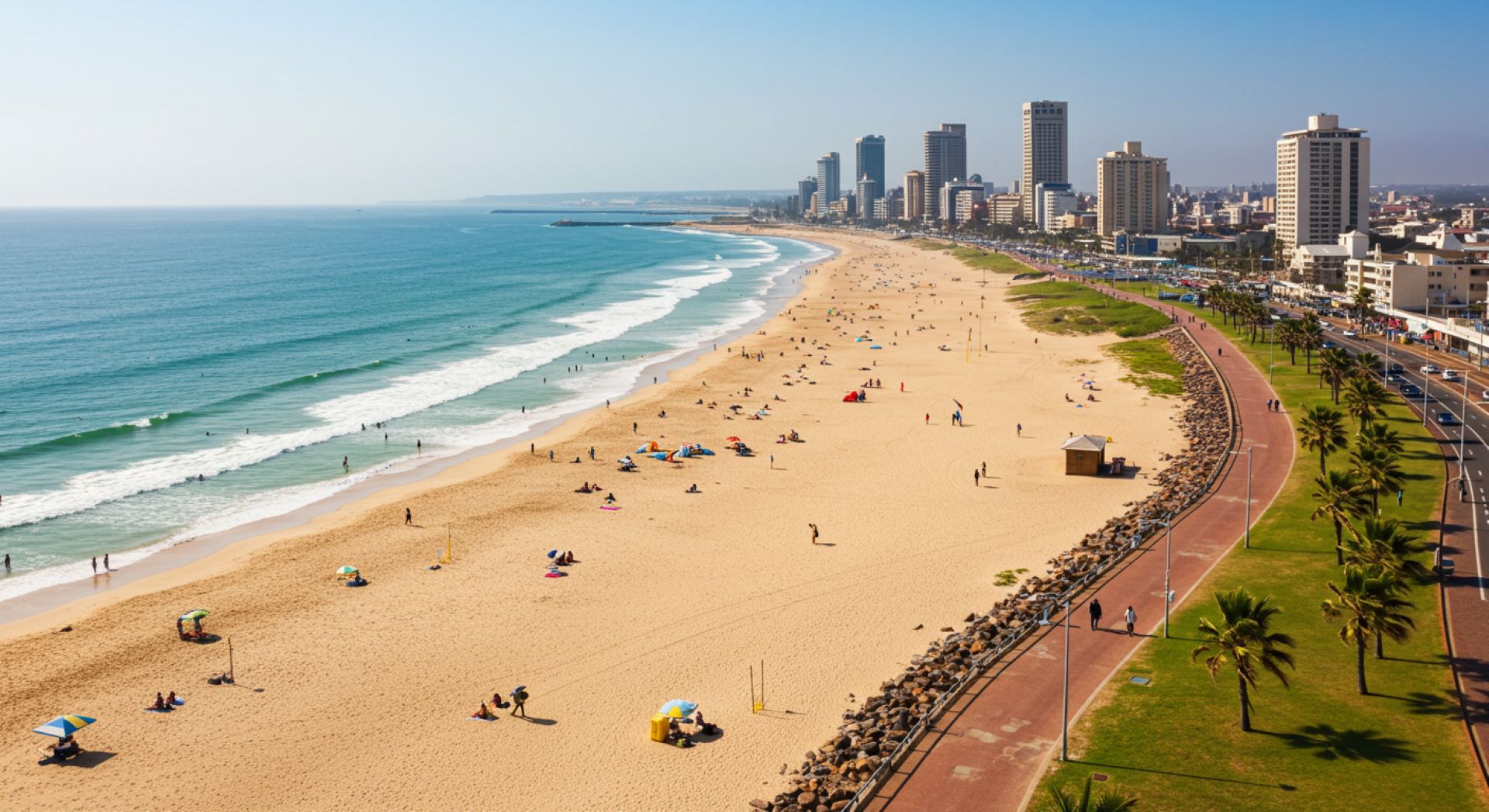
Durban, perched along the sun-kissed shores of South Africa’s east coast, is a city that brims with life and vibrancy. Its warm subtropical climate, bustling port, and expansive golden beaches make it a popular tourist destination—but for the discerning food enthusiast, Durban’s true enchantment lies in its dynamic culinary landscape. From savory street-side bites to refined multi-course experiences in elegant eateries, the city’s food scene beckons travelers and locals alike to embark on a multi-sensory voyage.
Walking through Durban’s neighborhoods reveals an enthralling tapestry woven from diverse cultural threads. Zulu traditions meet Indian spice markets; British colonial influences intermingle with modern global trends. This confluence of cultures is not merely background noise—it defines the city’s gastronomic identity. The fragrance of coriander, cumin, and masala wafts through the air as you pass by a bustling curry house; smoky scents of marinated meats sizzle on open grills under the wide African sky. Each dish tells a story, reflecting Durban’s heritage and its people’s unyielding passion for good food.
Beyond the iconic beachfront, sprawling urban gardens and leafy avenues conceal a host of hidden culinary gems. Within these enclaves are family-run eateries, artisanal bakeries, and contemporary bistros that reinvent time-honored recipes while honoring local produce. Street markets come alive at dawn, presenting baskets brimming with fresh fruits, aromatic spices, and daily catches of fish—an enticing prelude to the city’s ceaseless culinary dance.
Over the coming pages, we will delve into Durban’s gastronomic odyssey. We begin by tracing the historical footprints that gave rise to the city’s epicurean diversity. We then savor the traditional flavors that anchor Durban’s culinary reputation—such as fragrant curries and the beloved Bunny Chow—before discovering the stylish, innovative dining experiences that define the city’s contemporary food culture. We will wander through bustling street food markets and sample Durban’s spirited culinary festivals, then turn our attention to local beverages and their perfect food pairings.
Finally, we shall conclude with a toast to Durban’s future: a culinary horizon that continues to grow and evolve, led by passionate chefs, farmers, and epicureans. So loosen your belt, sharpen your appetite, and prepare for a journey that explores the heart and soul of one of South Africa’s most enticing gastronomic destinations.

Historical Context (Approximately 400 Words)
Durban’s culinary roots stretch back centuries, tracing a pathway marked by waves of cultural exchange. Originally home to the Zulu people—whose traditions remain woven into the city’s identity—Durban became an important trade outpost for Arab and Portuguese explorers well before the British formally established a settlement in 1824. As trade routes expanded, new ingredients and cooking techniques found their way into local kitchens, leaving an indelible mark on the emerging gastronomic culture.
However, it was the arrival of indentured laborers from India in the mid-19th century that brought one of Durban’s most defining culinary elements: the complex tapestry of Indian spices and techniques. Hailing primarily from the south of India, these laborers brought age-old recipes that seamlessly merged with local produce to give rise to a distinctly Durban Indian cuisine. Over time, masala blends acquired unique twists—some hotter than typical Indian curries, many prepared with local vegetables and seafood, and all served in portions generous enough to nourish entire families.
During the British colonial era, Victorian sensibilities meshed with the rich culinary diversity already present in the city. British tastes introduced concepts of afternoon tea, baked puddings, and roasts, which local cooks adapted to include local spices and produce. European settlers, with their preference for wheat-based breads and pastry-making techniques, played a significant role in shaping Durban’s bakery culture—evident today in the city’s artisanal bread scene and its beloved pastry shops.
Alongside these varied influences emerged a deep respect for Zulu culinary heritage. Traditional staples such as mielie pap (maize porridge) and amasi (fermented milk) gained fresh interpretations in modern restaurants eager to honor the city’s indigenous past. Zulu cooking traditions—especially the communal braai (barbecue) and the use of clay pots—stand out as enduring hallmarks of Durban’s heritage, bridging the chasm between ancient practices and contemporary palates.
This intricate fusion of Zulu, Indian, and colonial gastronomic legacies set the stage for Durban’s unique food tapestry. Today, you can sample a broad spectrum of flavors—from robust curries to elegantly spiced pastries—each bearing whispers of the city’s storied past. As Durban continues to grow and develop, the echoes of its history remain ever-present, seasoning every plate with the flavors of adventure and cultural interplay.
Traditional Dishes and Ingredients
Bunny Chow: Durban’s Iconic Specialty
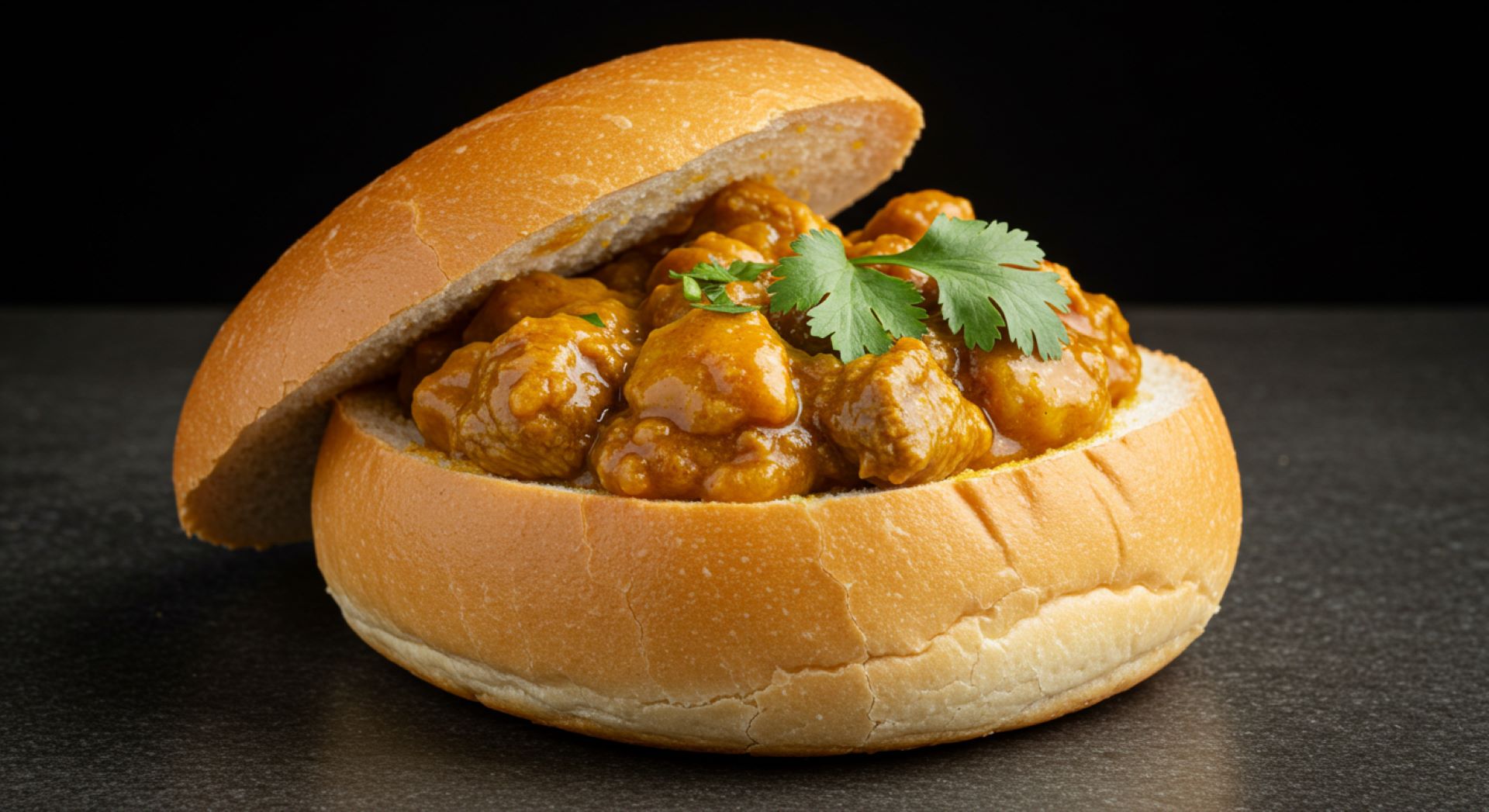
No exploration of Durban’s cuisine would be complete without mention of the city’s most famous dish: Bunny Chow. In its simplest form, this mouthwatering specialty is a hollowed-out loaf of bread filled with a fragrant curry—most commonly, a rich mutton or chicken curry, though vegetarian and bean-based variations are equally adored. Rumored to have originated in the Indian communities of Durban, Bunny Chow emerged as a practical way to serve curry to laborers who did not have access to plates or cutlery during their lunch breaks. Over time, it has transcended its humble origins to become a culinary icon, equally prized by locals and visitors.
The allure of Bunny Chow lies partly in its textural interplay. Soft, pillowy bread soaks up the curry, turning every bite into a medley of spice, warmth, and comfort. The thick gravy is typically infused with aromatic spices—garam masala, turmeric, coriander, and chili—that deliver a slow-building heat. Whether you sample it from a street stall or a refined bistro, the Bunny Chow embodies Durban’s creative spirit and its Indian-inspired legacy.
Curries: The Heartbeat of Durban
While Bunny Chow is a standout, Durban’s obsession with curry extends far beyond bread bowls. Curries of every hue and heat level are a mainstay, reflecting the region’s Indian heritage with a distinctly local flair. Durban curries typically feature a more pronounced chili kick than their Northern Indian counterparts, often accompanied by robust, smoky undertones. Spices like mustard seeds, curry leaves, and fenugreek are frequently used, and coconut milk sometimes makes an appearance, nodding to the city’s coastal location.
Mutton curry is one of the most beloved, the slow-cooked meat yielding to a spicy, rich gravy. Chicken, fish, and prawn curries also claim their own loyal followings, each with its own flavor profile. For those craving a taste of local produce, vegetable-based curries—often featuring pumpkin, beans, or brinjals—underscore Durban’s love affair with fresh, vibrant ingredients.
Chef Kevin Joseph, a celebrated figure in Durban’s culinary scene and Executive Chef at a renowned seaside hotel, once remarked, “A Durban curry is like a summer breeze—it can blow hot, but it carries the warmth of our traditions.” His words ring true in kitchens across the city, from home cooks perfecting secret masala blends to high-end restaurants offering tasting menus that spotlight Durban curry as a signature course.
Braai: The Communal Feast
Beyond its Indian culinary heritage, Durban proudly upholds the quintessential South African tradition of the braai (barbecue). The braai is a communal cooking style that celebrates the joy of gathering around open flames. Meats like boerewors (a spiced sausage), marinated chicken, and tender lamb chops sizzle over hot coals. The aromas of smoke and spice intermingle, drawing people together in the spirit of camaraderie.
In Durban, the braai sometimes takes on subtle flavor twists—marinades may incorporate local spices, and side dishes frequently include Indian-influenced salads or chutneys. Pap (maize meal), grilled mielies (corn on the cob), and chakalaka (a tangy vegetable relish) round out the feast, paying tribute to the city’s multicultural tapestry. The braai is more than just a meal; it is a social event that merges Durban’s Zulu heritage with South Africa’s broader barbecue culture, creating a relaxed, festive atmosphere.
Key Local Ingredients
Central to Durban’s culinary identity are the vibrant ingredients that make each dish sing. Spices—particularly chili, turmeric, coriander, cumin, and curry leaves—are absolute pillars. These spices are not merely additives; they are integral to Durban’s flavor DNA, turning humble vegetables and cuts of meat into feasts for the senses.
Seafood is another cornerstone, thanks to the city’s coastal location. Local fishermen bring in fresh catch daily—everything from succulent prawns to line-caught fish and crayfish. These finds often feature in curries or are served grilled with lemon and garlic, emphasizing their natural flavors.
Tropical fruits such as mango, banana, and pineapple grow in abundance in KwaZulu-Natal’s balmy climate. A sweet mango pickle can offer a divine counterpoint to a fiery curry, while fresh pineapple in a salsa or fruit salad offers a cool respite on a hot day. Street vendors often sell these fruits sliced and sprinkled with chili, sugar, and salt—a refreshing treat that exemplifies Durban’s harmonious balance of sweet, spicy, and salty.
No discussion of Durban’s ingredients would be complete without mentioning sugar cane. KwaZulu-Natal is a major producer of sugar, and the sweet, grassy cane juice often appears at roadside stands. Zulu cuisine leverages this local resource in both sweet and savory forms, weaving subtle sweetness into traditional dishes.
From its iconic Bunny Chow to its smoky braais, Durban’s repertoire of traditional dishes is vast, catering to every preference. Whether you crave a searingly hot curry or a languid afternoon braai by the sea, each plate carries the city’s soul—a testament to its storied past and the myriad cultures that have called Durban home.
Contemporary Dining Scene
Modern Eateries and Chic Restaurants
Durban’s culinary landscape is not confined to its classic favorites; the city also bristles with contemporary eateries that offer fresh interpretations of time-honored recipes. Restaurants in trendy enclaves like Morningside or Umhlanga champion a refined approach to Durban’s signature flavors. Here, you might encounter unexpected twists on a Bunny Chow, such as a fine-dining version served in an artisanal bread bowl with slow-cooked lamb shank and roasted vegetables. Traditional curries, meanwhile, are deconstructed or paired with surprising sides—like coconut foam or pickled exotic mushrooms.
Several upscale dining establishments around Durban’s Golden Mile and near Florida Road place emphasis on seasonality. Their menus shift with the harvest, spotlighting local produce such as baby aubergines, organic spinach, and heritage tomatoes. These ingredients, meticulously sourced from nearby farms, find new expression under the stewardship of imaginative chefs eager to showcase the richness of KwaZulu-Natal’s soils. The result: plates that exude both elegance and a palpable sense of place.
Influential Chefs and Restaurateurs
A number of accomplished chefs are shaping Durban’s modern culinary identity, each bringing their own flair to the city’s gastronomic repertoire. Chef Vineet Bhatia, a Michelin-starred pioneer of progressive Indian cuisine, has been known to collaborate with local venues, infusing Durban’s vibrant heritage with cutting-edge culinary techniques. His influence lingers in the emphasis on precision and presentation that many Durban-based chefs now practice.
Local restaurateur Lungi Miya has made waves with her boutique eatery that melds Zulu culinary traditions with global influences. Her menu boasts dishes like samp risotto—a creative twist on a Zulu staple—and grilled lamb served with umngqusho (hominy and beans). By weaving her heritage into forward-thinking dishes, Miya demonstrates how Durban’s cultural tapestry can be reimagined for a cosmopolitan audience.
Another figure making a stir is Chef Gugu Mpungose, who focuses on farm-to-table dining, forging direct relationships with local farmers and fishermen to ensure the utmost freshness. She cites Durban’s historic love of spices as a constant wellspring of inspiration. “Every dish I create,” she says, “must have a flavor memory that reminds me of home—whether that’s a sprinkling of roasted masala or a hint of braised wild spinach.” This passion resonates with diners who crave authenticity in every bite.
Fusion Cuisine and Reinvention
Durban’s contemporary chefs frequently embrace fusion, integrating elements from African, Indian, and global cuisines. Such experimentation is not merely culinary playfulness; it is a testament to the city’s ethos—one that celebrates multiplicity and cross-cultural collaboration. These fusions might showcase Japanese-inspired sushi rolls using durban masala-infused mayo, or Cape Malay spices blended into an Italian ragù served over polenta.
Street-food-inspired concepts have also found new life in fashionable restaurants. Traditional samoosas, for instance, are reimagined with fillings like wild mushrooms and goat cheese, while desserts often feature local fruit coulis coupled with foreign techniques such as sous-vide infusions. Even the classic braai experiences an upscale reinvention, with premium cuts like Wagyu beef seared and then topped with a chili-infused butter sauce that highlights Durban’s beloved fiery zing.
The push toward reinvention also extends to the city’s approach to health and sustainability. Increasingly, chefs are swapping out refined ingredients for more wholesome alternatives—such as using organic, stone-ground maize for pap or opting for unprocessed cane sugar in desserts. Menus now commonly include vegan and vegetarian curries, often showcasing the abundant produce of local small-scale farmers. These changes reflect a broader shift: a desire to both protect and promote Durban’s bountiful resources while ensuring that the spirit of its cuisine endures for future generations.
Atmosphere and Ambience
Durban’s modern restaurants often favor design elements that complement the city’s coastal elegance: large windows that usher in natural light, sea views that harmonize with breezy interiors, and open kitchens that invite patrons to witness the artistry of food preparation. The emphasis is on relaxed sophistication—a reflection of Durban’s laid-back beach culture, now refined to meet the tastes of an ever-evolving gastronomic scene.
Whether feasting on a minimalist plate of prawn curry foam or savoring a rustic bowl of artisanal pasta inspired by Durban’s Indian heritage, diners in the contemporary scene can expect an experience that blends innovation with tradition. Food is art here—an evolving canvas where bold flavors, time-honored techniques, and avant-garde aesthetics converge to propel Durban into the global culinary spotlight.
Street Food and Local Markets
The Soul of the City: Durban’s Bustling Street Food Culture
Durban’s street food scene is a lively extension of its multifaceted culinary identity. While upscale restaurants polish the city’s repertoire, street food vendors preserve its soul. The vibrant stalls scattered around markets and busy intersections offer an unfettered glimpse into local life—bustling, energetic, and unashamedly flavorful. Here, food is immediate and unpretentious, embodying the spirit of a city that unabashedly loves to eat.
Sizzling grills stand shoulder to shoulder with aromatic curry pots; hawkers serve heaping plates of spicy fried snacks to hungry office workers and adventurous tourists. You’ll encounter quintessential Durban street fare such as bunny chows in quarter-loaf portions, samoosas bursting with aromatic fillings, and grilled corn brushed with chili-lime butter. These quick bites serve as miniature ambassadors of the city’s culinary heritage, each stall carrying a story passed down through generations.
Victoria Street Market: A Kaleidoscope of Flavors
A pilgrimage to Durban’s street food realm would be incomplete without visiting Victoria Street Market. Located in the heart of the city, this sprawling indoor bazaar is an assault on the senses—in the best possible way. Vibrant stalls display jewel-toned spices in neat pyramids, from turmeric to garam masala, while others feature dried fish, colorful saris, and African crafts. Navigating these narrow aisles is a voyage of discovery: you’ll likely emerge with a bag of freshly roasted spices, a new appreciation for Durban’s cultural mosaic, and a belly full of fragrant street treats.
The food stalls here are legendary, offering specialties like vada (savory Indian fritters) and chili bites (spicy battered peppers). Fresh roti wraps filled with curried vegetables or minced chicken are a favorite grab-and-go option. The market’s eclectic nature means you could find yourself savoring a Zulu-inspired tomato and onion relish alongside an authentic North Indian masala dish, all in the same meal. It is a glorious cross-section of Durban’s gastronomic tapestry—where each bite resonates with history, culture, and unadulterated flavor.
Warwick Junction: An Intersection of Cultures
Just a short distance away, Warwick Junction stands as another epicenter of Durban’s street food allure. This multifaceted marketplace encompasses a series of interconnected sectors—the Early Morning Market for fresh produce, the Bovine Head Market for adventurous palates, and the Brook Street Market, among others. Each area hums with commerce, conversation, and the clatter of cooking utensils.
An outing here might start with a fresh fruit juice, pressed from local pineapples or sugar cane. As you wander deeper, inhaling the mingled aromas of grilled meat and boiling corn, you’ll encounter stalls specializing in traditional African dishes—pap and chakalaka, stewed tripe, or steamed dumplings filled with spiced meat. Alongside these stand vendors offering Indian curries, braised biryanis, and pillowy naan bread. Lines of people wait patiently for their turn at the busiest stalls, testament to the mouthwatering delights served daily.
For intrepid travelers, Warwick Junction offers a taste of Durban that is as authentic as it is diverse. Street performers, fortune-tellers, and herbalists practicing traditional African remedies add further layers to this bustling tapestry. The atmosphere is lively, at times chaotic, but always deeply captivating—an urban ballet performed to the sizzling rhythm of hot oil and the laughter of market-goers.
The Cultural Importance of Street Food
Street food in Durban is more than cheap eats; it is a conduit of history and heritage that invites diners to connect with the city’s layered cultural fabric. Street vendors, often operating from the same spot for decades, forge relationships with their patrons, remembering favorite orders and personal anecdotes. These small acts of familiarity turn culinary transactions into communal gatherings—a microcosm of Durban’s spirit of inclusivity and hospitality.
In many ways, street food also serves as an incubator for culinary innovation. Aspiring chefs, often lacking formal training or access to established restaurants, test new recipes at market stalls, iterating based on real-time feedback from their loyal customers. Some of today’s most sought-after restaurants in Durban originated from humble street vendors who honed their craft on the city’s sidewalks.
Thus, exploring Durban’s street food and local markets is to witness a living archive of tradition, resilience, and creativity. It offers an authentic encounter with the city’s day-to-day pulse—one you simply cannot replicate through fine dining alone. Follow your nose, embrace the local customs, and savor each bite of Durban’s soulful street cuisine.
Culinary Festivals and Events
Celebrating Durban’s Gastronomic Heritage
Durban’s love for food and celebration merges seamlessly in the city’s robust lineup of culinary festivals and events. These gatherings pay homage to Durban’s multicultural legacy, inviting visitors and locals to indulge in the wide-ranging flavors that define the city. Food enthusiasts find themselves amidst bustling stalls, cooking demonstrations, and live entertainment, all reflecting the city’s zest for gastronomy.
One of the standout annual events is the Durban Curry Festival, an occasion dedicated to celebrating the city’s iconic curry culture. Spanning a weekend of spicy revelry, the festival showcases everything from classic Durban chicken and mutton curries to experimental fusion dishes that blend Indian, Zulu, and global flavors. Celebrity chefs hold live cook-offs, local producers exhibit spice blends unique to KwaZulu-Natal, and festival-goers are encouraged to vote for their favorite curry creations. The aroma alone is worth the visit—an intoxicating blend of chili, turmeric, ginger, and garlic that envelops you from the moment you arrive.
The East Coast Radio House & Garden Show
Though not solely focused on food, the East Coast Radio House & Garden Show dedicates a substantial portion of its lineup to culinary arts. Visitors can explore cooking demonstrations led by acclaimed chefs, sample artisanal products from gourmet stalls, and attend workshops that highlight local produce and sustainable cooking practices. This multi-faceted event acts as a platform for upcoming food entrepreneurs and fosters a supportive network among the city’s culinary professionals.
Street Food Festivals
Durban’s street food festivals further exemplify the city’s passion for accessible, flavor-forward cuisine. Hosted in different neighborhoods throughout the year—sometimes near the beachfront, other times tucked away in leafy suburbs—these festivals bring together a diverse assortment of vendors. Expect an array of dishes that span cultures and cooking styles: Durban curries, Indian chaats, Zulu stews, grilled boerewors rolls, and sweet treats drizzled with local honey. Lively music, dance performances, and interactive art installations accompany the feast, turning these gatherings into lively block parties where the entire community converges.
Impact on Local and Global Perceptions
These culinary events have played a significant role in elevating Durban’s reputation both nationally and abroad. By shining a spotlight on the city’s gastronomic treasures, they invite media coverage and attract food tourists from across the globe. This influx of visitors benefits local artisans, farmers, and eateries, thus reinforcing the city’s culinary ecosystem. Moreover, these gatherings facilitate cultural exchange, allowing people from different backgrounds to share their stories and recipes, thereby strengthening the bonds that unite Durban’s diverse population.
For food enthusiasts, attending these festivals is an immersion into the heart of Durban’s culinary ethos—a place where tradition meets innovation, and community spirit prevails. Each event is a reminder that Durban’s cuisine is not confined to bricks-and-mortar restaurants; it is alive in the streets, markets, and grand festivities that continue to redefine the city’s gastronomic narrative.
Pairing Food with Local Beverages
Craft Beers and Refreshing Brews
South Africa’s craft beer revolution has not bypassed Durban. The city boasts a flourishing craft brewing scene, with microbreweries tailoring their creations to complement Durban’s distinct flavor profiles. Beers infused with hints of chili or ginger align seamlessly with spicy dishes, amplifying or tempering the heat. Crisp lagers cut through rich curries, offering a refreshing counterpoint. Meanwhile, pale ales with citrusy undertones enhance the brightness of seafood or fresh, tropical salsas.
Local favorites like Zulu Blonde or brews from That Brewing Co. capture the essence of coastal living—light, drinkable, yet layered with subtle complexities. Brewing tours often run from the city center out to scenic spots along the coast, where you can pair panoramic sea views with a cold pint. These tours illuminate the artisan processes behind the brews, deepening appreciation for the craft.
Teas and Rooibos Inspirations
Though craft beers are popular, tea culture also runs deep in Durban, reflecting its colonial legacy and strong Indian influence. Traditional chai teas—aromatic and spiced with cardamom, cloves, and cinnamon—are often served piping hot, balancing the zing of spicy curries. Local tea houses and cafés infuse creativity, offering iced versions for scorching Durban summers and pairing them with subtle pastries or freshly fried samoosas.
Rooibos, South Africa’s famed red tea, also features prominently, particularly in fusion menus where chefs experiment with rooibos-infused marinades or sauces. Its naturally sweet and slightly nutty flavor serves as a gentle foil to piquant spices. For a sophisticated twist, some bartenders in Durban craft rooibos-based cocktails—think rooibos-infused gin mixed with fragrant syrups and fresh herbs, a nod to both local tradition and innovative flair.
Wine Selections for Every Palate
While Durban may not be as close to the Cape Winelands as Cape Town, South African wines still hold pride of place on most menus. Thanks to efficient distribution networks, Durban’s restaurants offer robust selections of Stellenbosch Cabernet Sauvignon, Franschhoek Chardonnay, and other varietals from well-known wine-growing regions. Sommeliers often curate pairings that highlight Durban’s culinary diversity.
For a classic Durban curry—especially one that leans toward fiery flavors—a slightly off-dry Riesling or a well-chilled Chenin Blanc provides a refreshing contrast. Rich tannic reds like Pinotage can stand up to grilled meats, especially at braai gatherings, bringing smoky notes that echo charred marinades. Meanwhile, a crisp Sauvignon Blanc is an ideal partner for local seafood, enhancing fresh oceanic flavors without overpowering them.
A Culture of Collaboration
Pairing food with local beverages in Durban is not simply a matter of taste; it reflects a culture of collaboration that underpins the city’s entire gastronomic scene. Chefs frequently work hand-in-hand with brewers, tea blenders, and winemakers to create cohesive experiences, ensuring that every sip and bite resonates harmoniously. Whether you’re a casual diner sipping on a cold craft beer alongside a Bunny Chow or a connoisseur partaking in a refined wine-and-food pairing dinner, Durban’s beverage offerings richly complement its effervescent culinary landscape.
From the spicy zest of a hoppy ale to the soothing warmth of a spiced chai, these beverages frame Durban’s cuisine in new and exciting ways—prompting us to linger a little longer and savor each moment of this remarkable coastal city’s gastronomic delights.
Durban is a city that wears its culinary heart on its sleeve, inviting all who visit to share in a grand feast of cultures, flavors, and stories. From its historic Zulu roots to the lingering fragrances of Indian spices—and from the echo of colonial-era afternoon teas to the modern-day fusion revolution—Durban’s food scene is a living tribute to the power of cultural exchange. The city’s chefs, farmers, street vendors, and restaurateurs work in unison, upholding traditions while pushing boundaries, ensuring that every plate serves as an emblem of South Africa’s spirit of innovation.
A bite of Bunny Chow reveals the intricate legacy of Indian laborers who transformed local ingredients into a globally revered dish. The communal braai, a centuries-old practice, connects families and friends around flickering flames, reinforcing a sense of unity over perfectly grilled fare. Meanwhile, contemporary restaurants fuse fresh produce, global techniques, and culinary artistry, showcasing Durban’s adaptability and creative prowess. Street food markets thrum with energy, forging intimate bonds between vendors and patrons, while culinary festivals champion local talent and foster global interest.
Each chapter of Durban’s gastronomic story brims with color and vitality, leaving no shortage of reasons for food enthusiasts to wander its streets in search of the next sumptuous discovery. Whether you’re drawn to the fiery allure of Durban’s curries, the robust simplicity of its braai feasts, the sweet relief of a sugarcane juice, or the elegance of a multi-course tasting menu by the sea, Durban serves up an experience that is at once comforting and exhilarating.
As the city continues to evolve, so does its food scene—fresh faces, contemporary twists, and global influences keep the culinary tapestry vibrant and ever-changing. Yet, through all these transformations, Durban’s essential flavor endures: a distinctive blend of tradition, warmth, and ingenuity. So, set aside time to venture into Durban’s markets, sip its craft beers, sample its fragrant curries, and engage with its welcoming community of food lovers. In doing so, you’ll not only taste extraordinary dishes—you’ll become part of the ongoing narrative that makes Durban an essential stop on any culinary journey.
In the grand mosaic of world gastronomy, Durban remains a bright, spirited tile—a place where heritage meets innovation in every mouthful. And, with every new generation of chefs and food artisans, the future of Durban’s cuisine promises to be as deliciously diverse as its storied past.
Ronel Ferreira
Reporting from the frontlines of the South African tourism renaissance. Bridging the gap between regional stories and global audiences through elite narrative strategy.