

South Africa hums quietly with the wings of nearly a thousand bird species, a natural orchestra stitched into mountains, savannas, wetlands and coastal skies. For travellers taking their first steps into birdwatching, the country offers something unusually welcoming. You do not need expert knowledge, advanced gear, or years of experience to start enjoying this hobby. Birdwatching tourism in South Africa is built around accessibility, diversity and the simple joy of observing life that flies.
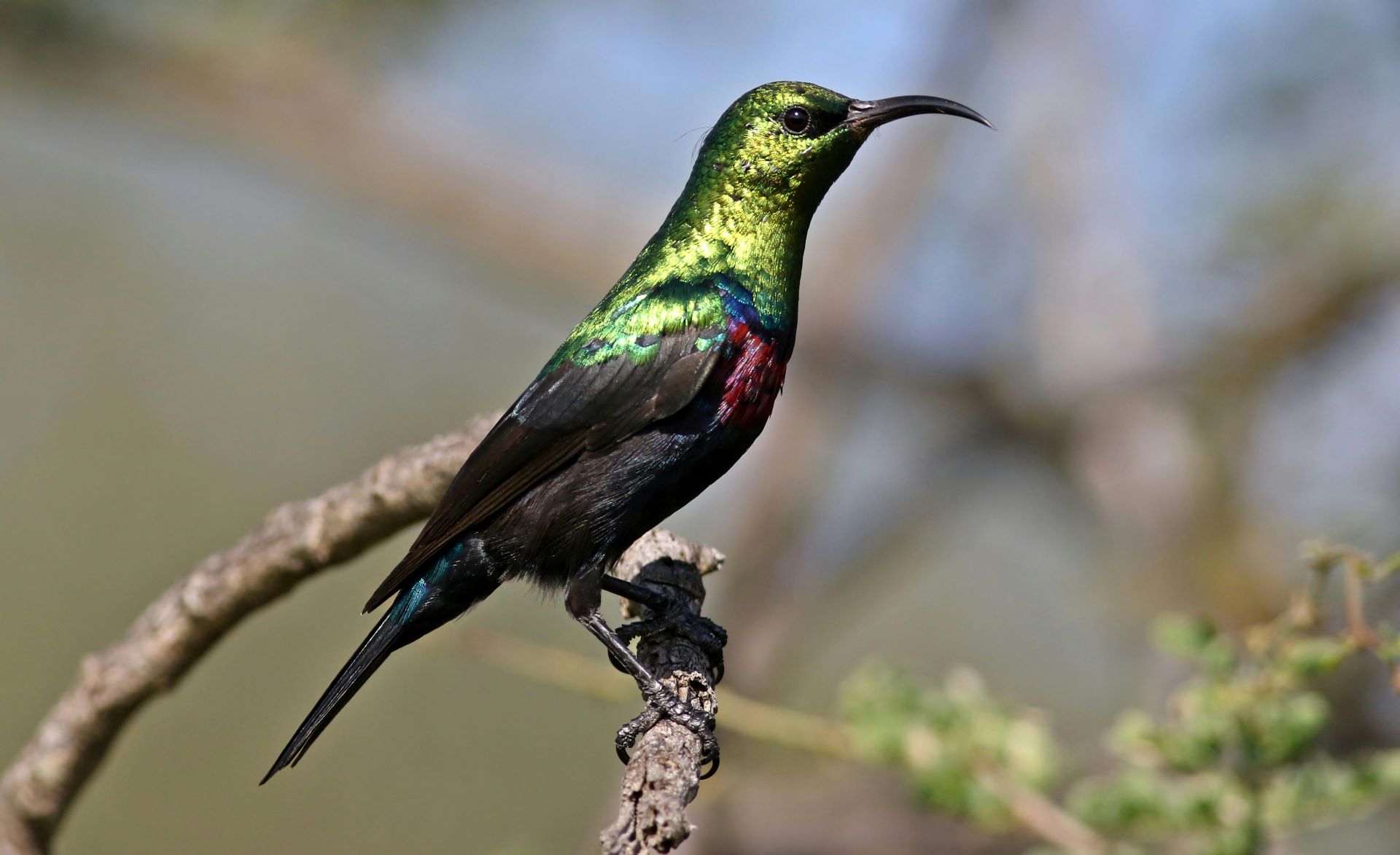
The country is considered one of the world’s premier birding destinations because of its ecological variety. From semi-arid Karoo plains to lush subtropical forests and dramatic oceanfront ecosystems, South Africa functions like a grand aviary without walls. Even casual visitors can encounter flamboyant sunbirds sipping nectar in hotel gardens or watch majestic raptors circling high above game reserves.
Beginner birding tourism is growing steadily as travellers look for slower, nature-focused experiences. Organisations such as BirdLife South Africa have played a significant role in promoting ethical and educational birding practices. Their work helps visitors understand that birdwatching is not about collecting sightings like trophies but about building patience, awareness and appreciation.
This guide introduces South African birdwatching from a beginner’s perspective, focusing on accessibility, suitable destinations and the basic equipment you need to begin your journey into the sky.
Why South Africa Is a Global Birding Hotspot
South Africa’s reputation as a birdwatching paradise is built on its extraordinary ecological crossroads. The country sits where different climate zones converge, creating habitats that support both endemic species and migratory visitors.
One of the greatest advantages for beginners is that birding does not require venturing into remote wilderness zones. Many excellent sightings happen in public reserves, coastal parks and even urban botanical gardens.
Locations such as Kruger National Park remain iconic for wildlife tourism, including birdwatching. Although the park is famous for the “Big Five”, its avian population is equally remarkable, with hundreds of species recorded across its rivers, floodplains and savanna woodlands.
Further south, Cape Town offers another dimension of birding magic. Here, ocean winds bring seabirds along the Atlantic coast while mountain ecosystems host unique species found nowhere else on Earth.
The country’s diversity means beginners can experience multiple birding styles in a single trip. Coastal birding, forest birding, and savanna birding each provide different sensory experiences. Sometimes the reward is not just seeing a bird but hearing its call echo softly through morning air.
Accessible Birdwatching Tourism for First-Time Visitors
Accessibility is one of the strongest features of South African birding tourism. Many reserves have paved walking routes, observation hides and visitor-friendly information boards.
Beginner birdwatchers should remember that patience matters more than skill. Birds are rarely performers on demand. Instead, the experience is about slowing down, watching branches move slightly before spotting a small flutter of colour, and learning the language of natural rhythm.
One of the best entry points for new travellers is coastal birdwatching, particularly in wetlands and estuaries. Sites such as West Coast National Park offer relatively easy terrain, spectacular seasonal flower displays, and abundant waterbird populations. Flamingos, herons and various migratory visitors often gather in shallow lagoons, making identification easier for newcomers.
Another beginner-friendly environment is found in game reserves with well-developed tourism infrastructure. Addo Elephant National Park is an excellent example. Visitors travelling for mammals often find themselves unexpectedly fascinated by the park’s birdlife, which includes colourful kingfishers and striking raptors.
Guided birding walks are widely available in major tourism regions. Local guides help visitors recognise species through behaviour, habitat and call patterns rather than relying solely on visual identification. This approach is especially helpful for beginners who may feel overwhelmed by the number of species.
The Gentle Art of Starting: Birdwatching Mindset
Birdwatching is often misunderstood as a technical pursuit, but beginner tourism in South Africa emphasises experience over expertise.
The first skill to develop is stillness.
South African birding environments reward quiet observation. Sudden movement or loud conversation can disrupt wildlife behaviour. Instead, visitors are encouraged to walk slowly, pause frequently and allow the landscape to reveal its inhabitants gradually.
The second skill is curiosity.
Beginners should ask questions about habitat, feeding behaviour and seasonal presence. Why does a bird prefer this tree? What insects are appearing after rainfall? These small intellectual puzzles transform birdwatching into an interactive ecological story.
The third skill is acceptance of imperfect sightings.
Not every bird will be clearly visible. Sometimes the experience is simply hearing the rattling song of a hidden species inside dense foliage or catching a silhouette against sunset clouds. South African birding culture celebrates these partial encounters because they represent the living mystery of nature.
Simple Equipment for Beginner Birdwatchers
One of the biggest attractions of birdwatching tourism is that it does not require expensive technology. Beginners can start with minimal equipment and gradually expand their toolkit.
• Binoculars are the single most important tool. Entry-level models are perfectly acceptable for first experiences. Look for lightweight designs with comfortable eye relief for extended viewing.
• A field guide helps with identification. Many travellers carry pocket guides featuring common South African species.
• Comfortable walking shoes are essential because birdwatching often involves slow exploration rather than long-distance trekking.
• A hat and sunscreen are practical necessities under South Africa’s bright skies.
• A smartphone can function as a beginner’s recording tool for photographs and bird call notes.
Advanced equipment such as high-magnification cameras or professional spotting scopes is unnecessary for first trips. The philosophy of beginner tourism is about removing technological barriers so more people can enjoy the experience.
Understanding Bird Behaviour: What Beginners Should Watch For
Instead of immediately trying to identify species names, beginners are encouraged to study behaviour patterns.
Observe feeding style. Some birds probe mudflats with long beaks, others catch insects mid-air with sudden acrobatic dives.
Watch movement rhythm. Certain species move in short bursts while others glide silently between branches.
Listen carefully. Bird calls are often more reliable identification clues than colour alone.
South African birding environments are particularly suitable for learning these behavioural patterns because many species are visible in open habitats.
Seasonality and Migration Patterns
Birdwatching tourism changes with the seasons, offering different experiences throughout the year.
Summer months generally bring migratory species arriving from Europe and other parts of Africa. Wetlands become especially vibrant during this period.
Winter months are often excellent for viewing resident species because vegetation is thinner and visibility improves.
Spring is arguably the most visually spectacular season, when flowering plants attract nectar-feeding birds and breeding behaviours become more visible.
Travel planning should therefore consider seasonal ecological cycles rather than focusing solely on accommodation availability.
Urban Birdwatching: A Surprising Gateway
Not all birding tourism requires travelling deep into wilderness.
Urban South Africa contains numerous hidden birdwatching gems. Botanical gardens, university campuses and coastal promenades frequently host diverse species.
Many visitors are surprised to discover how much wildlife exists inside metropolitan environments. Even busy cities maintain ecological corridors that support bird populations.
For travellers staying in accommodation within major tourism hubs, early morning walks can produce rewarding sightings without leaving the city.
Responsible Birdwatching Tourism
Ethical behaviour is essential for sustainable birding tourism. Visitors are encouraged to respect wildlife by maintaining distance from nesting areas and avoiding feeding wild birds.
Conservation awareness is particularly important in South Africa, where biodiversity protection supports both environmental health and tourism livelihoods.
Organizations such as BirdLife South Africa promote responsible tourism practices that protect fragile ecosystems while allowing visitors to enjoy natural beauty.
Travelers should follow park guidelines, stay on designated paths and keep noise levels low. Photography should never disrupt nesting behaviour.
Birdwatching as a Wellness Travel Experience
Many tourists are discovering birdwatching as a form of mindful travel.
The slow rhythm of observation encourages mental relaxation. The natural soundtrack of rustling leaves, distant water and occasional bird calls creates a sensory environment that contrasts sharply with urban noise.
South African birding destinations are increasingly marketing themselves as wellness tourism spaces where visitors can reconnect with nature’s quiet conversations.
Some travellers combine birdwatching with hiking, coastal walks or wildlife photography, creating multi-layered travel experiences.
Where Beginners Should Start Their Birding Journey
First-time visitors to South Africa should consider beginning their adventure in well-developed tourism zones.
The Western Cape coastline offers spectacular marine and wetland bird species.
The Kruger region provides classic savanna birding experiences alongside traditional wildlife safaris.
The Eastern Cape offers a balance of forest and game reserve environments.
Many tour operators now provide beginner-friendly packages that include transportation, guided observation and educational interpretation.
The Emotional Appeal of Birdwatching Tourism
Birdwatching is ultimately about wonder. It is about discovering that nature does not rush, that colour can live inside feathers smaller than a human hand, and that the sky is not empty but inhabited by travellers of wind.
For many visitors, the first successful bird sighting becomes a memory that lingers longer than photographs. It is the moment when the natural world stops feeling distant and starts feeling personally familiar.
South Africa’s birdwatching tourism industry thrives because it offers this emotional connection. The country does not demand expert knowledge from newcomers. Instead, it invites curiosity, patience and open eyes.
Start Your Birdwatching Journey in South Africa
South Africa stands among the world’s most welcoming destinations for beginner birdwatchers. With accessible reserves, diverse ecosystems and supportive tourism infrastructure, the country makes it easy to explore avian life without intimidation.
Whether standing beside a coastal lagoon watching flamingos paint the water pink, or listening to forest birds whispering inside mountain valleys, first-time birdwatchers will discover that South Africa’s greatest travel treasure sometimes arrives on wings.
Mandla Ndlovu
Reporting from the frontlines of the South African tourism renaissance. Bridging the gap between regional stories and global audiences through elite narrative strategy.