

South Africa is often celebrated for its sweeping landscapes, sun-drenched coastlines, and iconic wildlife. Yet beneath the familiar horizons, the country harbours a secret world—an intricate network of caves, canyons, and underground chambers sculpted over millennia. These subterranean marvels, ranging from the grandeur of the Cango Caves to the fossil-laden Sterkfontein Caves, offer both a geological feast and a journey into deep time. Exploring them is more than an adventure; it is a pilgrimage into the very history of our planet, where every stalactite, limestone pillar, and fossil tells a story of Earth’s ever-evolving form.
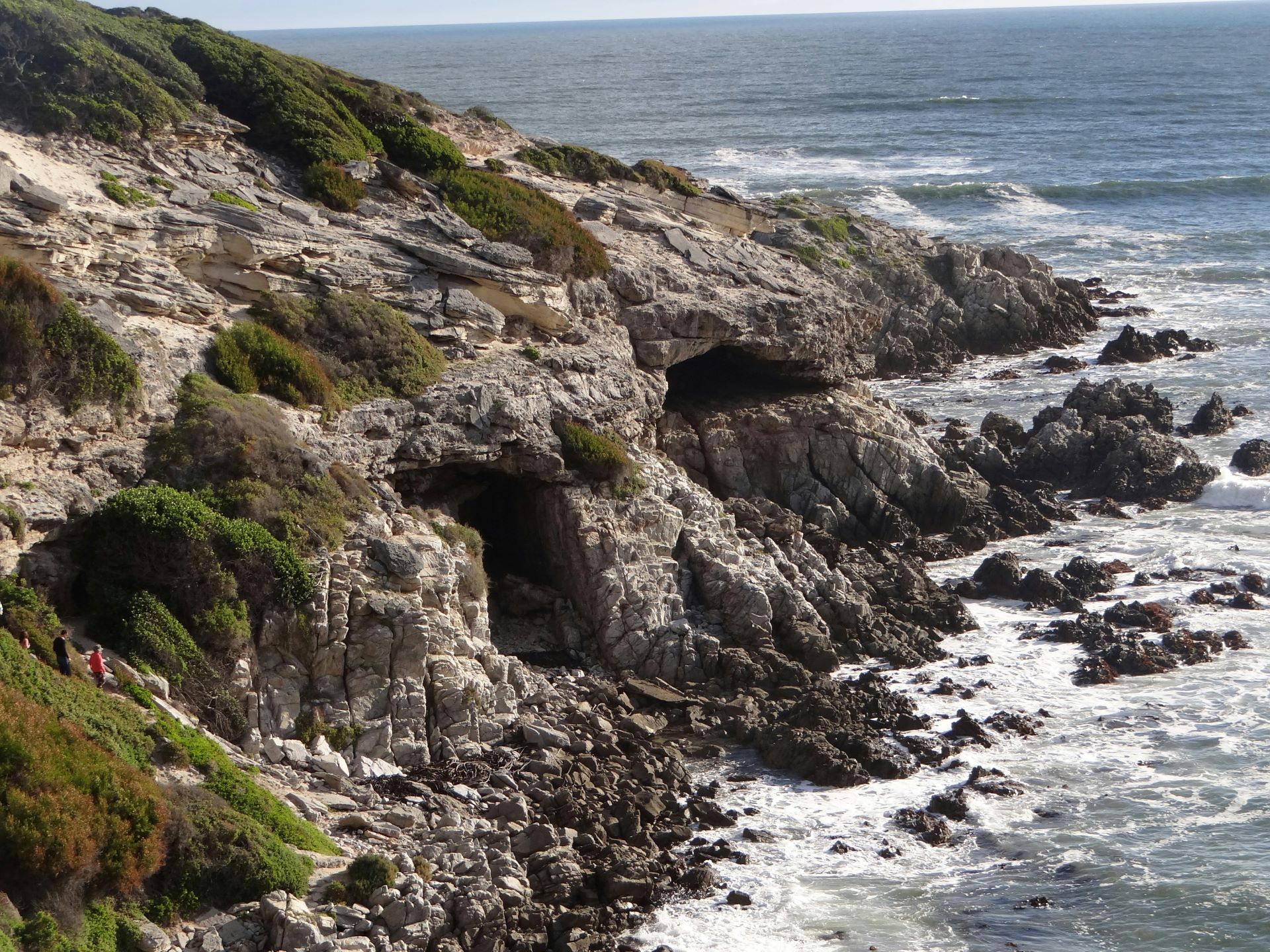
Cango Caves: Nature’s Subterranean Cathedral
Nestled in the Klein Karoo, near Oudtshoorn in the Western Cape, the Cango Caves are one of South Africa’s most famous underground attractions. These limestone caverns, carved over 20 million years by the persistent seepage of water through dolomitic rock, reveal a staggering array of formations. The caves are divided into the more accessible Heritage Tour and the adventurous Adventure Tour, each offering a unique glimpse into the underground world.
Walking through the Heritage Tour, visitors are greeted by vast halls like the “Hall of Wonders,” where towering stalagmites rise from the floor, countered by stalactites descending from the ceiling. Some formations resemble giant draperies, delicate sheets of rock that shimmer when illuminated by strategically placed lights. The experience is almost cathedral-like, with the echoes of footsteps and dripping water creating a symphony of silence.
The Adventure Tour, by contrast, plunges explorers into narrow tunnels, requiring them to crawl and squeeze through tight passageways. It is an intimate experience, giving a visceral sense of how the caves have been shaped over millennia. Guides recount tales of early explorers and the palaeontological significance of the caves, which hold remnants of ancient fauna, including evidence of extinct species that roamed the region long before humans arrived.
Cango Caves are not just visually spectacular; they are a living laboratory for geologists and ecologists. The delicate balance within the cave ecosystem, including colonies of bats and unique microbial life, is a testament to nature’s resilience and subtle artistry. Conservation efforts ensure that this underground wonder remains intact, allowing future generations to marvel at its beauty without compromising its fragile environment.
Sterkfontein Caves: Cradle of Humankind
While the Cango Caves captivate with their grandeur, the Sterkfontein Caves in Gauteng offer an extraordinary glimpse into our own evolutionary history. Part of the Cradle of Humankind UNESCO World Heritage Site, Sterkfontein has yielded some of the most important hominin fossils in the world. Excavations here have uncovered Australopithecus fossils dating back over three million years, earning the site the moniker “Cradle of Mankind.”
Visiting Sterkfontein is a journey not just through space but through time. The caves themselves are limestone labyrinths, with passages that once served as natural traps for prehistoric fauna and early hominins. Today, guided tours allow visitors to explore the main chamber and view ongoing excavations, where scientists painstakingly uncover fragments that will reshape our understanding of human evolution. The juxtaposition of rugged underground corridors with carefully preserved fossil sites gives the experience a profound sense of discovery.
Beyond fossils, Sterkfontein is a site of scientific collaboration. Teams of archaeologists, palaeontologists, and geologists work together to piece together a picture of ancient ecosystems. Fossilized bones of extinct animals, alongside primitive stone tools, illustrate the complex interactions between early humans and their environment. Visitors leave not just with memories of limestone chambers, but with a profound appreciation for the deep history embedded in South Africa’s subterranean world.
The Drakensberg Canyons: Sculpted by Time
While caves offer a hidden world beneath the surface, South Africa’s canyons reveal dramatic geological artistry above ground. The Drakensberg Mountains, stretching over 1,000 kilometres across KwaZulu-Natal and the Free State, are home to a series of striking canyons and gorges carved by the relentless action of rivers over millions of years.
Among the most impressive is the Tugela Gorge, through which the mighty Tugela River plunges to form the world’s second-highest waterfall. The sheer cliffs of the gorge, composed of basalt and sandstone layers, bear witness to ancient volcanic activity and erosive forces that have sculpted the landscape. Hiking trails along the canyon rim offer breathtaking panoramas, while more adventurous explorers can navigate river paths that lead to hidden pools and dramatic drops.
Other notable canyons in the Drakensberg, such as the Monks Cowl and Giant’s Castle areas, reveal the interaction of geology and ecology. The canyons are home to endemic plant species, ancient San rock art, and nesting sites for birds of prey. Exploring these formations is a sensory immersion: the crisp mountain air, the echo of water cascading over cliffs, and the tactile texture of ancient rock all contribute to an unforgettable experience.
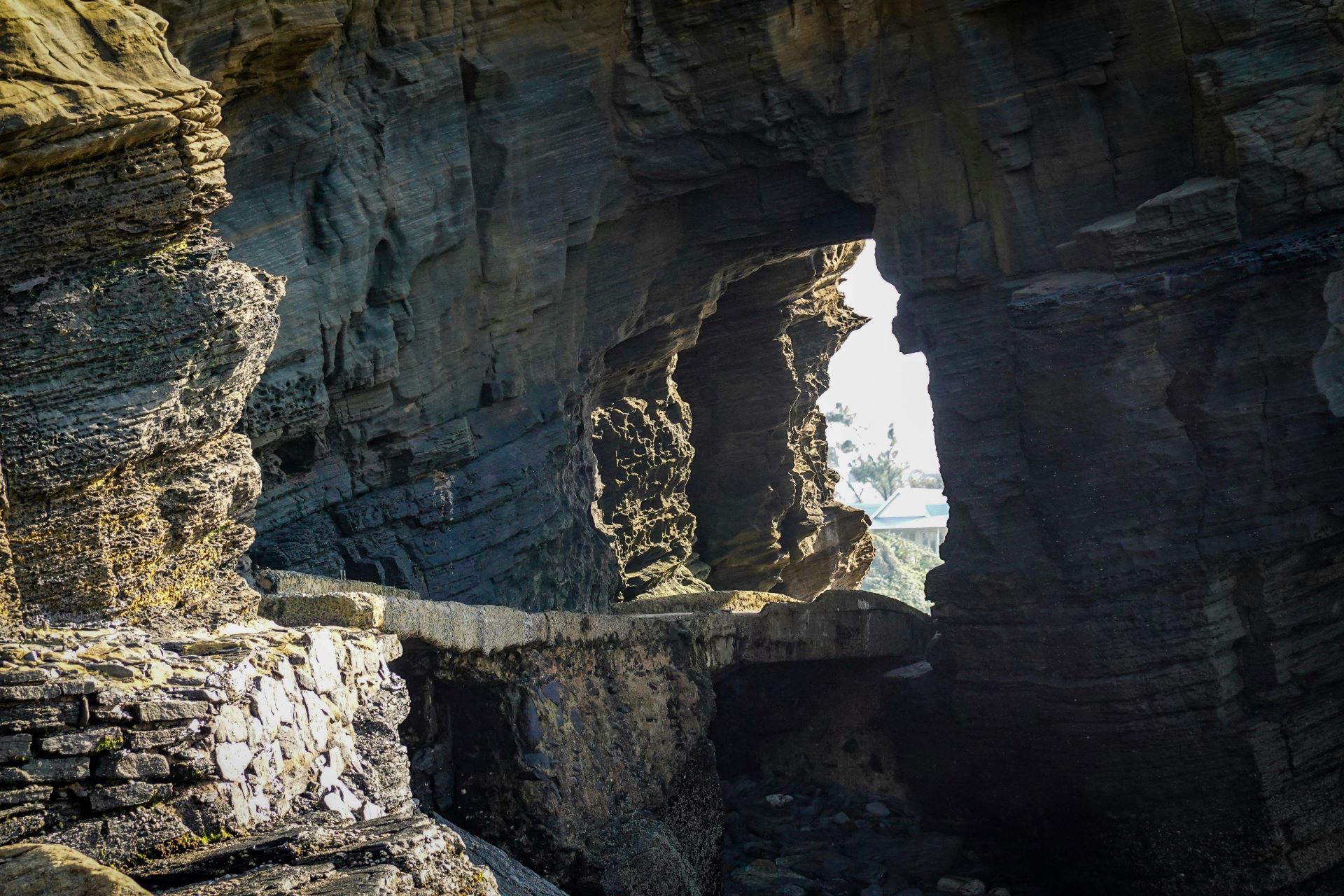
Wonder Caves and Other Hidden Treasures
South Africa is dotted with lesser-known caves that, while not as famous as Cango or Sterkfontein, hold their own charms. The Wonder Cave in the Cango Cave complex is a smaller chamber, yet it captivates visitors with its exquisite stalactites and stalagmites, some appearing to reach out and touch each other, frozen mid-embrace.
In Mpumalanga, the Sudwala Caves present a different geological narrative. These dolomite caves, believed to be over 240 million years old, are a testament to the slow but inexorable forces of water and time. Guided tours delve into chambers adorned with flowstones and fossils, and the occasional glow of subterranean lights transforms the caves into a surreal landscape. Concerts and events held within these chambers exploit the natural acoustics, adding an artistic layer to the natural wonder.
The Cederberg Mountains in the Western Cape conceal another underground gem: the Wolfberg Arch and nearby rock shelters, where sandstone formations create labyrinthine passages. Though smaller in scale, these caves carry cultural significance, with San rock engravings hinting at the spiritual connection between ancient humans and the natural world. Exploring them evokes a sense of intimacy with both history and geology, where every nook conceals a story waiting to be uncovered.
Geological Insights: How Caves and Canyons Form
Understanding South Africa’s caves and canyons requires a brief dive into geology. Limestone caves, such as Cango and Sterkfontein, are primarily formed through a process known as chemical weathering. Rainwater, slightly acidic due to dissolved carbon dioxide, seeps into the ground, gradually dissolving the limestone over millions of years. This creates voids, which eventually expand into chambers and tunnels. Stalactites and stalagmites grow as mineral-laden water drips from ceilings or pools on the floor, forming delicate and often breathtaking formations.
Canyons, by contrast, are shaped by physical erosion. Rivers and streams carve through rock layers, removing softer sediments and leaving behind dramatic cliffs and gorges. Volcanic activity, tectonic shifts, and glacial movements further influence their shape, resulting in the awe-inspiring landscapes seen in the Drakensberg and other regions. The interplay of geology and hydrology in these formations makes each canyon unique, with distinct stratification, sediment types, and erosion patterns that tell the story of Earth’s dynamic processes.
Adventure Tourism: Beyond Sightseeing
Exploring South Africa’s underground and canyon landscapes is not purely academic; it is a thriving hub of adventure tourism. From abseiling down canyon walls to spelunking in limestone caverns, the country offers experiences that combine thrill with education.
Adventure tour operators provide guided caving expeditions, ensuring that both safety and conservation are prioritised. Crawling through tight passages, navigating subterranean rivers, and observing delicate formations up close are experiences that connect visitors with nature in a profoundly tactile way. Some caves even offer night tours, where the absence of natural light amplifies the sense of mystery and the sounds of the underground environment become more pronounced.
Canyon excursions often involve hiking, rock climbing, and kayaking, depending on the location. Trails are carefully marked, and guides provide context on the geological, ecological, and cultural significance of the area. These activities are not only physically rewarding but also intellectually enriching, fostering an appreciation for the forces of nature that have shaped the landscape over millions of years.
Cultural and Historical Context
South Africa’s caves and canyons are steeped not only in geological history but in human history. Many of these sites bear evidence of early human habitation, from tool marks to rock art. The San people, for instance, left behind intricate paintings and engravings depicting hunting scenes, spiritual rituals, and daily life. These artworks provide invaluable insight into the relationship between early humans and their environment, connecting the visitor to a past that is both tangible and mysterious.
Caves were also refuges during periods of conflict or climatic stress. Archaeological studies reveal that early humans and animals sought shelter in these underground spaces, preserving remnants that are still studied today. Understanding the historical context adds depth to the experience of exploring these natural formations, reminding visitors that they are traversing landscapes that have witnessed countless generations and millennia of change.
Ecological Significance
Beneath the surface and within the canyons, ecosystems thrive that are often isolated from the outside world. Bats, cave crickets, and unique microbial communities play crucial roles in these delicate environments. The constant temperature and humidity of caves create microhabitats that support species found nowhere else. Conservation initiatives aim to protect these fragile ecosystems from human impact, including controlling visitor numbers and monitoring environmental changes.
Canyons, too, support rich biodiversity. Endemic flora clings to cliffs and riverbanks, while birds, small mammals, and reptiles find shelter in the rugged terrain. Many of these species are adapted specifically to the microclimates of canyon environments, highlighting the interconnectedness of geological formations and living organisms. Responsible exploration is therefore not just about safety; it is about stewardship of these natural wonders for generations to come.
Planning Your Exploration
For those planning a journey into South Africa’s underground and canyon landscapes, several practical considerations enhance the experience. Guided tours are strongly recommended, as they provide both safety oversight and expert knowledge. Visitors should wear sturdy footwear, carry headlamps for adventure tours, and be prepared for changes in temperature and humidity. Photography is permitted in many locations, though flash usage is often restricted to protect delicate formations and artwork.
Seasonal timing also plays a role. Winter months generally offer cooler, more comfortable conditions, while summer may bring increased rainfall that affects river levels and cave accessibility. Regardless of season, the spectacle of South Africa’s subterranean and canyon worlds remains captivating, offering a journey that is both physically engaging and intellectually stimulating.
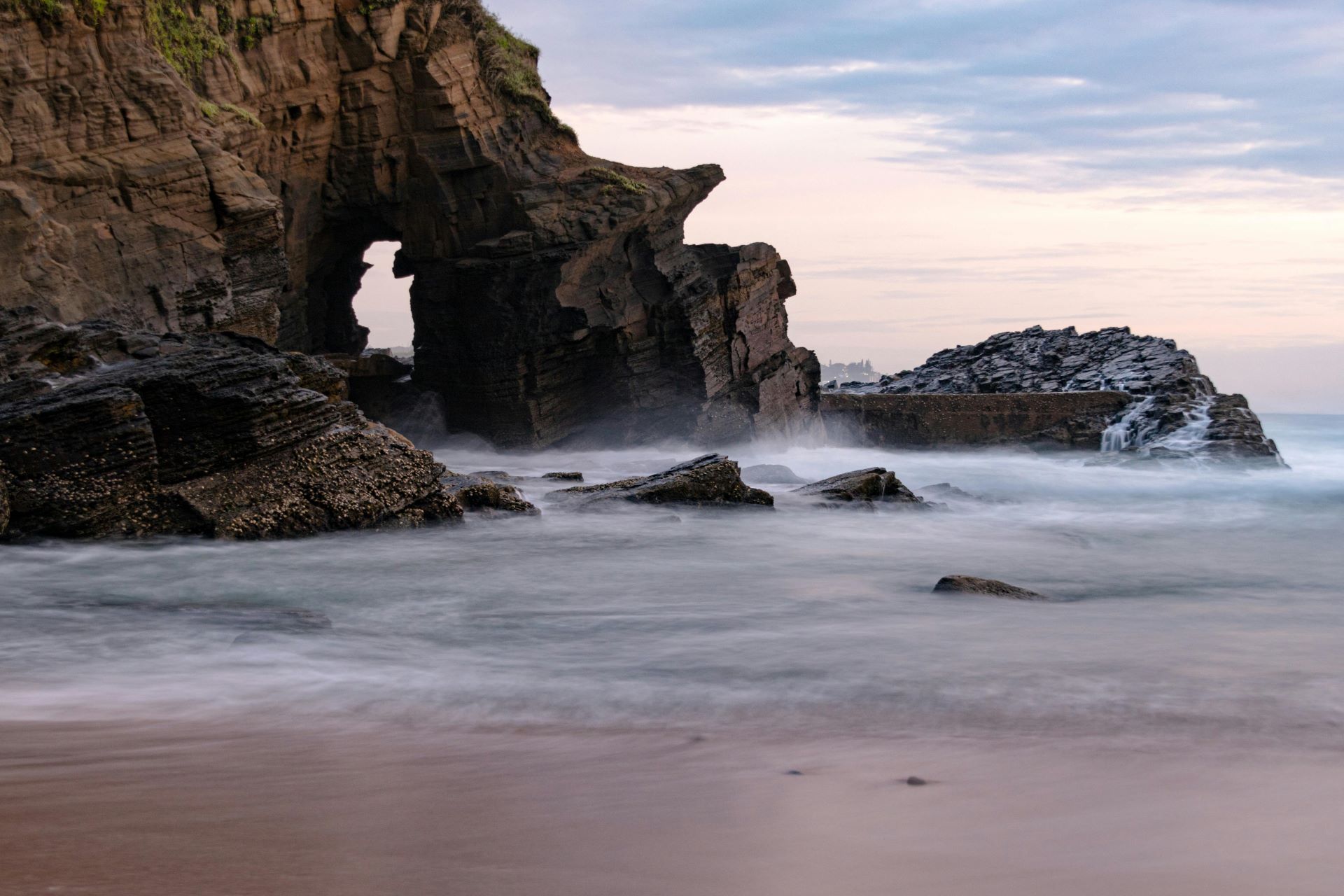
South Africa’s Hidden Landscapes
Exploring South Africa’s caves and canyons is an invitation to witness the sublime interplay between geological time and human history. From the awe-inspiring stalactites of Cango Caves to the fossil-rich chambers of Sterkfontein, and from the soaring cliffs of the Drakensberg to the quiet intimacy of hidden sandstone passages, these landscapes challenge perceptions of scale, time, and beauty. They reveal a world shaped over millions of years, where water, rock, and life converge in intricate harmony.
For the adventurous traveler, these underground and canyon explorations offer more than sightseeing; they provide connection—to Earth’s deep past, to the earliest humans, and to the delicate ecosystems that continue to thrive beneath our feet. Each chamber, each gorge, and each fossil is a reminder that South Africa’s wonders extend far beyond the surface, waiting for those willing to descend, explore, and be awed.
In embracing these hidden landscapes, we discover a South Africa that is at once timeless, mysterious, and profoundly alive—an invitation to look beyond the familiar and into the depths of Earth’s own story.
Jabulani
Reporting from the frontlines of the South African tourism renaissance. Bridging the gap between regional stories and global audiences through elite narrative strategy.