

Discover the Perfect Blend of Scenic Beauty, Biodiversity, and Adventure at Cape Town's Premier Nature Destination
Majestic Landscapes and Geological Wonders
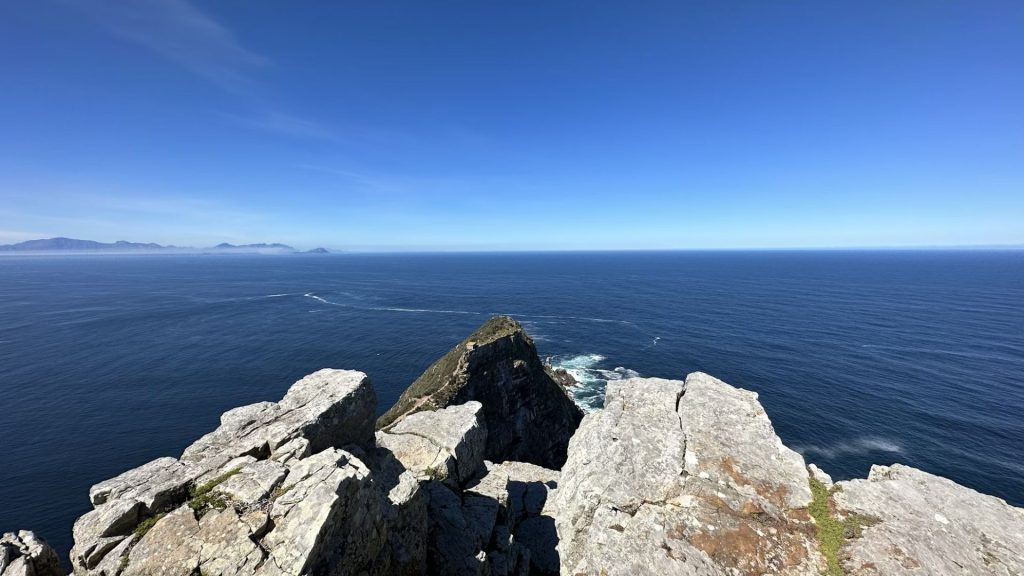
Cape Point showcases some of the most formidable coastal panoramas, where precipitous cliffs ascend sharply from the tumultuous sea below. These austere escarpments, sculpted by relentless erosive forces over eons, present an awe-inspiring tableau of nature’s raw power. The interplay of light and shadow on the jagged rock faces enhances the dramatic scenery, making it a quintessential spot for both contemplative observation and striking photography. The juxtaposition of the azure Atlantic and Indian Oceans against the stark, granite outcrops creates a mesmerizing visual symphony that captivates every visitor.
The Convergence of the Atlantic and Indian Oceans
While Cape Agulhas is geographically the southernmost point of Africa, Cape Point is famed for the dynamic convergence of the Atlantic and Indian Oceans. The Benguela Current, cold and nutrient-rich from the Atlantic, collides with the warm Agulhas Current from the Indian Ocean, fostering a unique marine environment. This oceanic intersection generates diverse marine habitats, supporting an abundance of marine life and promoting high levels of biodiversity. The resultant turbulence not only influences local climate patterns but also contributes to the region’s rich fishing grounds, making it a vital ecological and economic zone.
Geological Significance and Formation
The geological tapestry of Cape Point is a testament to the Earth’s complex tectonic history. The rugged cliffs and intricate rock formations are remnants of ancient geological processes, including volcanic activity and tectonic plate movements. These formations offer invaluable insights into the region’s paleoenvironment, revealing layers of sedimentary deposits and fossil records that chronicle millions of years of natural history. Understanding the geological underpinnings of Cape Point enriches the visitor’s appreciation of its enduring landscapes and the forces that have meticulously crafted this iconic landmark.
Diverse Ecosystems and Wildlife Encounters
Rich Biodiversity and Fynbos Flora
Nestled within the Cape Floristic Region, Cape Point is a sanctuary of unparalleled botanical diversity. The fynbos biome, endemic to this region, is characterized by its resilient, evergreen shrubs and a plethora of endemic species. In October, the reserve is adorned with a vibrant display of wildflowers, including proteas, ericas, and restios, which flourish in the temperate spring climate. This biodiversity hotspot not only enhances the aesthetic allure of Cape Point but also plays a crucial role in ecological stability, supporting a wide array of pollinators and contributing to the region’s rich genetic reservoir.
Wildlife Spotting and Endemic Species
Cape Point serves as a haven for diverse fauna, offering ample opportunities for wildlife observation. The presence of chacma baboons, known for their intelligent and social behavior, adds a dynamic element to the reserve’s ecosystem. Larger mammals such as eland and the endangered bontebok grace the open terrains, while the elusive Cape mountain zebra occasionally graces the landscape with its distinctive stripes. October’s mild climate ensures heightened animal activity, providing enthusiasts with exceptional sightings and the chance to witness these species in their natural habitats, contributing to conservation awareness and ecological education.
Marine Life and Birdwatching
The marine biodiversity surrounding Cape Point is equally impressive, with the confluence of ocean currents creating a thriving aquatic ecosystem. Seabirds such as African black oystercatchers and Cape cormorants dominate the skies, while the nutrient-rich waters support populations of dolphins and the occasional sighting of migrating southern right whales. The rocky shores and coastal cliffs provide ideal nesting grounds for various bird species, making Cape Point a premier destination for ornithologists and marine biologists. The vibrant interplay between marine and avian life forms a complex web of ecological interactions that underscore the reserve’s environmental significance.

Adventure Trails and Historical Insights
Hiking Trails for Every Level
Cape Point offers an extensive network of hiking trails designed to accommodate a spectrum of fitness levels and interests. From the leisurely Dias Beach Trail, which meanders through secluded beaches and verdant foliage, to the more strenuous Cape of Good Hope Trail, each path unveils unique facets of the reserve’s natural splendor. These trails traverse diverse terrains, including rocky outcrops, dense fynbos, and panoramic viewpoints, providing hikers with immersive experiences and breathtaking vistas. October’s favorable weather conditions enhance the hiking experience, ensuring comfortable temperatures and minimal precipitation for uninterrupted exploration.
Exploring Maritime History and Shipwrecks
The treacherous waters surrounding Cape Point have historically posed significant challenges to mariners, resulting in numerous shipwrecks that now serve as poignant reminders of the region’s maritime legacy. The Shipwreck Trail offers a guided journey to these historic sites, including the remnants of the SS Thomas T. Tucker and the Nolloth. These sites provide invaluable insights into past navigational hazards and the resilience of seafaring communities. Exploring these shipwrecks amidst the dramatic coastal backdrop offers a profound connection to the maritime history that has shaped Cape Point’s enduring narrative.
Iconic Lighthouses and Panoramic Views
The lighthouses at Cape Point, including the historic Old Lighthouse and the operational second lighthouse, are emblematic of the region’s navigational heritage. Accessible via the Lighthouse Keeper’s Trail and the Flying Dutchman funicular, these structures offer unparalleled panoramic views of the surrounding oceans and landscapes. The Old Lighthouse, perched precariously on the cliffs, provides a vantage point for observing the vast expanse of the Atlantic and Indian Oceans, while the newer lighthouse ensures safe passage for modern vessels. These iconic landmarks not only serve functional purposes but also stand as architectural testaments to Cape Point’s enduring significance in maritime navigation.

Visitor Essentials and Practical Tips
Practical Information for Visiting in October
October is an optimal month to explore Cape Point, characterized by mild temperatures and low precipitation, which enhance the overall visitor experience. Planning hikes during the cooler morning hours can help avoid midday heat and crowded trails, ensuring a more serene and enjoyable exploration. Essential preparations include securing entrance fees in advance, wearing appropriate footwear for rugged terrains, and carrying necessities such as sunscreen, water, and navigation tools. Early arrival is recommended to maximize daylight hours and fully immerse in the reserve’s multifaceted offerings.
Accommodation and Accessibility Options
Cape Point’s proximity to Cape Town makes it an accessible destination for both day-trippers and those seeking extended stays. Accommodation options range from luxurious hotels with panoramic ocean views to quaint guesthouses nestled within the surrounding landscapes. The Sandton Convention Centre provides modern amenities and convenient access to the reserve, while well-maintained roads and public transportation options facilitate seamless travel. Accessibility is further enhanced by clearly marked trails and visitor facilities, ensuring that all guests, including those with mobility challenges, can experience the reserve’s natural grandeur with ease.
Tips for an Unforgettable Experience
To fully capitalize on a visit to Cape Point, adhering to practical tips can significantly enhance the experience. Starting hikes early not only offers cooler temperatures but also increases the likelihood of encountering diverse wildlife. Engaging in guided tours can provide deeper insights into the reserve’s ecological and historical contexts, enriching the visitor’s understanding and appreciation. Respecting wildlife by maintaining safe distances and adhering to designated paths ensures both personal safety and the preservation of the natural environment. Additionally, leveraging local resources such as visitor centers and informational displays can offer valuable guidance and enhance the overall journey through this natural sanctuary.

Frequently Asked Questions
What is the best time of year to visit Cape Point Nature Reserve?
October is an exceptional month to visit Cape Point Nature Reserve, as it coincides with the southern hemisphere's spring season. During this time, the weather is typically mild and pleasant, with clear skies and vibrant green vegetation in full bloom. The temperatures are comfortable for outdoor activities, and rainfall is minimal, making it ideal for hiking, wildlife spotting, and photography. Additionally, the spring flora, including the diverse fynbos species, adds a burst of color to the landscapes, enhancing the overall visitor experience.
How can I access Cape Point Nature Reserve from Cape Town?
Cape Point Nature Reserve is conveniently accessible from Cape Town, approximately 70 kilometers away. Visitors can drive via the scenic Chapman’s Peak Drive, which offers breathtaking coastal views and a memorable start to the journey. Alternatively, public transportation options such as buses and tour operators provide reliable services to the reserve. For those preferring guided tours, numerous companies offer comprehensive packages that include transportation, guided hikes, and entrance fees. Ensuring your mode of transport aligns with your itinerary and comfort preferences will enhance your visit to this premier nature destination.
What activities are available for visitors at Cape Point Nature Reserve?
Cape Point Nature Reserve offers a plethora of activities tailored to diverse interests and fitness levels. Hiking enthusiasts can explore a network of trails ranging from leisurely walks to challenging treks, each unveiling unique aspects of the reserve’s natural and historical features. Wildlife spotting is a popular activity, with opportunities to observe endemic species such as chacma baboons, eland, and Cape mountain zebras. Additionally, visitors can enjoy birdwatching, photography, and exploring historical landmarks like the iconic lighthouses and shipwreck sites. The reserve also provides educational tours and interactive exhibits at the visitor center, enriching the overall experience.
Are there any accommodation options within or near Cape Point Nature Reserve?
While Cape Point Nature Reserve itself does not offer on-site accommodation, there are numerous lodging options in the surrounding areas, particularly in nearby towns like Simon's Town and Noordhoek. These accommodations range from luxury hotels and beachfront resorts to charming guesthouses and budget-friendly hostels, catering to various preferences and budgets. Additionally, some tour operators provide packages that include accommodation, transportation, and guided activities, ensuring a seamless and comfortable stay. Booking in advance is recommended, especially during peak seasons, to secure the best rates and availability.
What should I bring when visiting Cape Point Nature Reserve?
To ensure a comfortable and enjoyable visit to Cape Point Nature Reserve, it is advisable to come prepared with essential items. Sturdy, comfortable footwear is a must for navigating the rugged trails and uneven terrains. Sunscreen, a wide-brimmed hat, and sunglasses are recommended to protect against the strong sun, even on cloudy days. Bringing sufficient water and snacks will keep you hydrated and energized during your explorations. Additionally, a camera or smartphone with ample storage is ideal for capturing the stunning landscapes and wildlife. Depending on the activities planned, items such as binoculars for birdwatching and a light jacket for cooler mornings or evenings can enhance your experience.
Is Cape Point Nature Reserve suitable for visitors with mobility challenges?
Cape Point Nature Reserve strives to be inclusive and accessible to all visitors, including those with mobility challenges. The main lookout areas and certain trails are equipped with accessible pathways, allowing individuals with limited mobility to enjoy the panoramic views and natural beauty. However, some of the more rugged trails may present challenges and are better suited for able-bodied visitors. It is recommended to contact the reserve in advance to inquire about specific accessibility needs and available facilities. Additionally, guided tours can provide tailored experiences to ensure that all guests can appreciate the reserve’s offerings comfortably and safely.
Are there any guided tours available at Cape Point Nature Reserve?
Yes, Cape Point Nature Reserve offers a variety of guided tours designed to enhance the visitor experience. These tours are led by knowledgeable guides who provide in-depth insights into the reserve’s ecology, geology, and maritime history. Options include guided hikes, wildlife safaris, and educational tours focused on the unique fynbos biome and endemic species. Additionally, specialized tours such as birdwatching excursions and historical shipwreck explorations are available. Booking a guided tour is highly recommended for first-time visitors or those seeking a more comprehensive understanding of the reserve’s multifaceted environment.
What are the conservation efforts in place at Cape Point Nature Reserve?
Cape Point Nature Reserve is committed to preserving its unique ecosystems and biodiversity through rigorous conservation initiatives. These efforts include habitat restoration projects, invasive species management, and the protection of endangered species such as the bontebok and Cape mountain zebra. The reserve also engages in educational programs aimed at raising awareness about the importance of biodiversity and sustainable practices. Collaborative partnerships with local and international conservation organizations help bolster these initiatives, ensuring the long-term sustainability of the reserve’s natural and cultural resources. Visitors are encouraged to support these efforts by adhering to park guidelines and participating in conservation-friendly activities.
Can I camp overnight at Cape Point Nature Reserve?
Camping within Cape Point Nature Reserve is limited and subject to specific regulations to minimize environmental impact. Designated camping areas may be available, but they often require advance booking and adherence to strict guidelines regarding waste disposal, fire safety, and noise levels. It is advisable to check with the reserve’s visitor center or official website for the most current information on camping policies and availability. For those seeking overnight accommodations, nearby towns offer a wide range of lodging options that provide comfort and convenience while still allowing easy access to the reserve’s attractions.
What measures are in place to ensure visitor safety at Cape Point Nature Reserve?
Visitor safety is a paramount concern at Cape Point Nature Reserve, and several measures are implemented to ensure a secure and enjoyable experience. Clearly marked trails and signage help guide visitors and prevent accidental straying into hazardous areas. The reserve employs trained staff and rangers who monitor the trails, assist visitors, and respond to emergencies promptly. Safety information and guidelines are provided at the visitor center, emphasizing the importance of staying on designated paths, respecting wildlife, and being prepared for changing weather conditions. Additionally, first aid facilities are available, and visitors are encouraged to carry basic safety essentials such as water, appropriate clothing, and navigation tools.
Mandla Ndlovu
Reporting from the frontlines of the South African tourism renaissance. Bridging the gap between regional stories and global audiences through elite narrative strategy.