

Urban Tourism Finds a Natural Ally
Cities are often associated with concrete skylines, traffic congestion and dense commercial districts. Yet within many urban environments lies a quieter and equally valuable attraction: botanical gardens. These spaces function as living museums of plant diversity while also providing vital green infrastructure for city dwellers and visitors alike.
In South Africa, botanical gardens play a particularly meaningful role in shaping urban tourism. With the country recognised as one of the most botanically diverse regions on the planet, gardens located within cities provide accessible gateways to extraordinary plant ecosystems. Visitors who may not have the opportunity to travel to remote mountain ranges, fynbos reserves or subtropical forests can encounter many of these environments in curated landscapes within urban areas.
For tourists, botanical gardens provide an experience that differs from typical sightseeing activities. They offer a slower pace, immersive natural scenery and an educational dimension that connects visitors to South Africa’s ecological heritage. At the same time, residents use these gardens for recreation, relaxation and cultural events, ensuring that they remain vibrant public spaces rather than static attractions.
Across the country, botanical gardens have evolved beyond their original scientific mandates. Today they operate as multi-purpose destinations that combine conservation research, environmental education, public recreation and tourism development. This convergence of roles positions them as important assets in the broader urban tourism economy.

South Africa’s Exceptional Botanical Heritage
South Africa’s botanical richness is widely recognised in global conservation circles. The country hosts approximately ten percent of the world’s plant species despite occupying less than one percent of the Earth’s land surface. Much of this diversity is concentrated in the Cape Floristic Region, but significant plant ecosystems also occur across grasslands, savannas and desert landscapes.
Botanical gardens within South African cities act as microcosms of this national biodiversity. Institutions such as Kirstenbosch National Botanical Garden, Pretoria National Botanical Garden and Durban Botanic Gardens have developed specialised collections that represent a wide range of indigenous plants.
For international visitors, these gardens offer an introduction to South Africa’s unique flora without requiring travel to remote natural areas. Tourists can observe iconic fynbos species, cycads, proteas and medicinal plants within curated landscapes designed to interpret their ecological context.
Local tourists also benefit from this accessibility. Urban botanical gardens often function as introductory spaces where people learn about the natural heritage of regions they may later explore in national parks or wilderness reserves. In this sense, botanical gardens serve as educational gateways that inspire broader travel within the country.
The presence of rare and endemic species further enhances the tourism appeal of these gardens. Visitors interested in botany, horticulture or environmental science often travel specifically to see plant collections that cannot be easily found elsewhere in the world.
Conservation at the Heart of Botanical Gardens
While botanical gardens attract visitors through scenic landscapes, their most important work occurs behind the scenes. Conservation remains a central mission for many gardens, particularly in a country facing increasing environmental pressures.
South Africa’s rapid urbanisation, agricultural expansion and climate variability place considerable strain on natural ecosystems. Botanical gardens help mitigate these challenges by maintaining ex situ plant collections, conducting research and supporting habitat restoration programmes.
Living plant collections allow botanists to cultivate species that may be threatened in the wild. By preserving genetic diversity in controlled environments, gardens create safeguards against extinction while also providing material for scientific study. Seed banks and propagation programmes further strengthen these conservation efforts.
The work of organisations such as South African National Biodiversity Institute illustrates the scale of this commitment. SANBI oversees a network of national botanical gardens that collectively support plant conservation, ecological research and public education.
For tourists, the conservation role of botanical gardens adds a deeper layer of meaning to their visit. Interpretive displays, guided tours and exhibitions explain how plant species are protected and why biodiversity matters for ecological stability. Visitors leave with a stronger understanding of environmental stewardship and the importance of preserving South Africa’s botanical heritage.
This educational element transforms botanical gardens from passive landscapes into spaces where tourism actively contributes to conservation awareness.
Educational Experiences for Visitors
Education forms one of the most important connections between botanical gardens and urban tourism. Gardens provide accessible platforms for communicating complex ecological concepts to diverse audiences.
Interpretive signage throughout gardens explains plant adaptations, ecological relationships and cultural uses of various species. Visitors learn how indigenous plants survive in challenging environments, how pollinators interact with flowers and how traditional communities have used certain plants for food or medicine.
Guided tours deepen this learning experience. Trained horticulturists and botanists often lead groups through themed sections of the garden, explaining the scientific and cultural significance of different plant collections. These tours are especially popular among international visitors who may be encountering South African ecosystems for the first time.
Educational programmes extend beyond casual tourism. Many botanical gardens host workshops, school visits and citizen science initiatives that encourage community participation in environmental learning. Visitors may attend lectures on urban gardening, sustainable landscaping or biodiversity conservation.
Such activities create lasting connections between tourism and environmental education. Instead of simply observing plants, visitors become participants in a broader conversation about sustainability and ecological responsibility.
Recreation and Wellbeing in Urban Landscapes
One of the reasons botanical gardens attract both tourists and locals is their recreational value. Urban residents increasingly seek access to green spaces where they can escape the pressures of city life. Botanical gardens provide precisely this type of environment.
Walking paths wind through carefully designed landscapes, offering opportunities for exercise and relaxation. Families picnic on lawns shaded by indigenous trees, while photographers capture seasonal blooms and birdlife. Joggers, yoga enthusiasts and nature lovers all find ways to integrate these gardens into their daily routines.
For tourists, this recreational atmosphere offers a welcome contrast to busy sightseeing schedules. After exploring museums, historical landmarks or shopping districts, visitors can spend a few hours in a tranquil setting surrounded by natural beauty.
Botanical gardens often host outdoor concerts, food markets and cultural festivals that further enhance their appeal as social spaces. These events attract both residents and travellers, creating shared experiences that strengthen the connection between tourism and local culture.
The psychological benefits of urban green spaces are also increasingly recognised. Studies show that exposure to nature can reduce stress, improve mood and enhance overall wellbeing. Botanical gardens therefore contribute not only to tourism but also to the quality of life within cities.
Botanical Gardens as Cultural Landscapes
Many South African botanical gardens hold historical significance that adds another dimension to their tourism appeal. Some gardens were established during the colonial era and reflect early scientific efforts to document the country’s flora. Others have evolved alongside the cities that surround them, becoming integral parts of urban identity.
The Durban Botanic Gardens, for example, is one of the oldest surviving botanical gardens in Africa. Its historical collections include rare cycads and heritage trees that have grown there for over a century.
These gardens serve as cultural landscapes where history, science and recreation intersect. Architectural features such as conservatories, herbariums and research facilities reveal how botanical study has developed over time. Heritage trails and interpretive exhibits allow visitors to explore these narratives while enjoying the surrounding natural environment.
In this way, botanical gardens function not only as ecological attractions but also as historical sites that reflect the evolution of South African science, conservation and urban planning.
Urban Biodiversity and Sustainable Cities
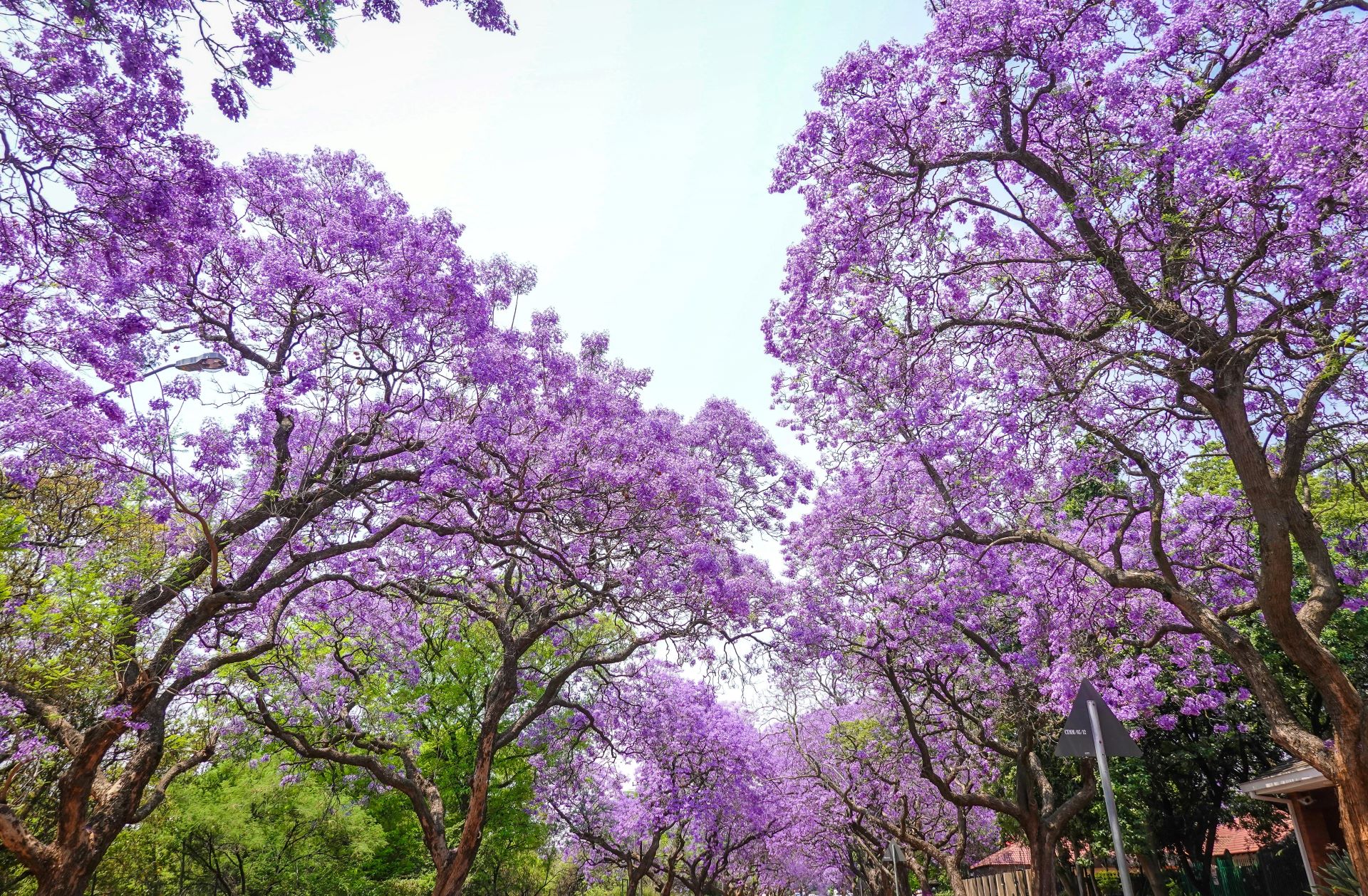
As cities expand, maintaining biodiversity within urban environments becomes increasingly important. Botanical gardens play a critical role in this effort by acting as refuges for plant and animal species within densely populated areas.
Urban gardens provide habitats for birds, insects and small mammals that might otherwise struggle to survive in built-up environments. Pollinators such as bees and butterflies benefit from diverse flowering plants, while trees and wetlands support birdlife.
These ecological functions contribute to broader urban sustainability goals. By preserving biodiversity within city boundaries, botanical gardens help maintain ecosystem services such as pollination, carbon storage and temperature regulation.
For tourists interested in sustainable travel, botanical gardens offer visible examples of how cities can integrate nature into urban planning. Visitors witness firsthand how green infrastructure improves environmental resilience while enhancing the attractiveness of urban destinations.
Tourism Infrastructure and Accessibility
The success of botanical gardens as tourism attractions depends heavily on their accessibility and supporting infrastructure. South African gardens have increasingly invested in visitor facilities that improve the overall experience.
Well-designed visitor centres provide orientation information, educational exhibits and ticketing services. Cafés and restaurants allow guests to spend extended periods in the gardens, while gift shops offer locally produced crafts and botanical-themed merchandise.
Accessibility improvements also ensure that gardens welcome diverse audiences. Wheelchair-friendly pathways, multilingual signage and digital guides make these spaces easier to navigate for both domestic and international visitors.
Transport connections play a significant role as well. Many botanical gardens are located near major urban transport routes, allowing tourists to include them easily within broader city itineraries. Partnerships with tourism boards and travel operators further strengthen their visibility within destination marketing campaigns.
These infrastructure developments demonstrate how botanical gardens have evolved into professionally managed tourism assets capable of supporting growing visitor numbers.
Seasonal Tourism and Events
Unlike many urban attractions that remain static throughout the year, botanical gardens change with the seasons. Flowering cycles, migratory bird patterns and climate variations create dynamic landscapes that encourage repeat visits.
Spring blooms often attract large crowds eager to witness displays of indigenous flowers such as proteas, aloes and wild orchids. Autumn foliage provides dramatic colour contrasts in gardens that feature deciduous trees, while summer months bring lush greenery and vibrant wildlife activity.
Seasonal festivals and horticultural exhibitions amplify these natural changes. Gardens frequently host plant fairs, orchid shows and sustainability events that draw both local residents and tourists.
These seasonal attractions extend the tourism calendar and encourage visitors to return at different times of the year. The result is a steady flow of tourism activity that supports both garden operations and surrounding businesses.
Economic Contributions to Urban Tourism
Although botanical gardens are primarily cultural and scientific institutions, they also contribute to the urban economy. Tourism generated by these gardens supports local employment, hospitality services and small businesses.
Visitors often combine garden visits with other nearby attractions such as museums, restaurants and shopping districts. This integrated tourism experience increases spending within urban destinations.
Event hosting further strengthens economic impact. Outdoor concerts, weddings and conferences held within botanical gardens generate revenue while attracting visitors who may extend their stay in the city.
In cities where tourism diversification is a priority, botanical gardens provide a valuable complement to traditional attractions. They appeal to a wide range of demographics, from families and school groups to international travellers interested in nature and sustainability.
The Future of Botanical Gardens in Urban Tourism
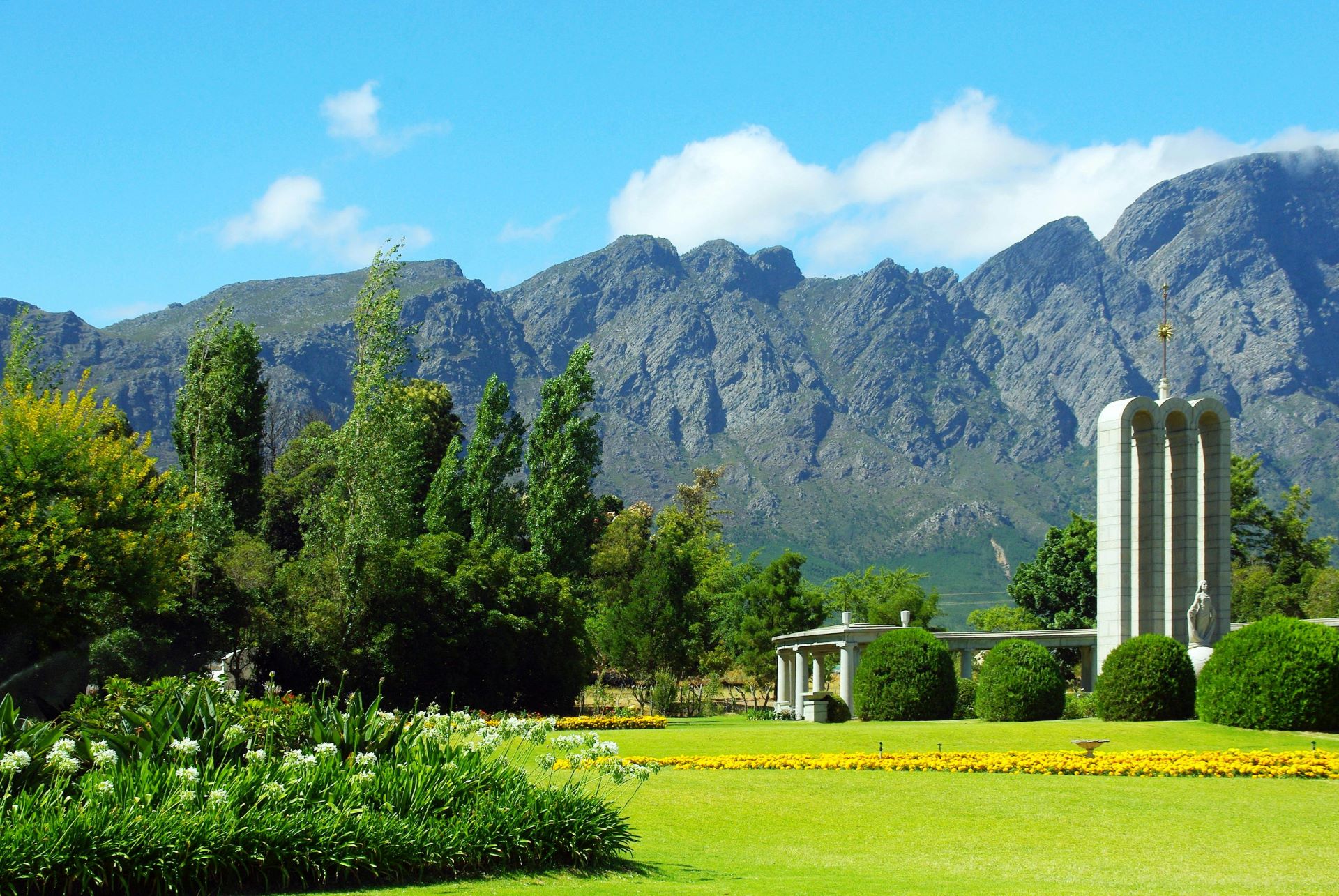
As global travel trends increasingly favour sustainable and nature-based experiences, botanical gardens are likely to become even more prominent within urban tourism strategies. Visitors today often seek destinations that offer environmental authenticity and educational value alongside recreation.
South Africa’s botanical gardens are well positioned to meet this demand. Their unique plant collections, conservation expertise and scenic landscapes create experiences that cannot easily be replicated elsewhere.
Future developments may include expanded digital interpretation tools, climate research initiatives and stronger partnerships with tourism authorities. Gardens may also play larger roles in urban resilience strategies as cities respond to climate change and environmental challenges.
Ultimately, botanical gardens demonstrate how tourism and conservation can coexist in mutually beneficial ways. By protecting biodiversity, educating visitors and providing recreational green spaces, these institutions enrich both urban environments and travel experiences.
For South Africa, a country defined by its extraordinary natural heritage, botanical gardens offer a compelling reminder that even within bustling cities, nature continues to flourish.
Gerald Ferreira
Reporting from the frontlines of the South African tourism renaissance. Bridging the gap between regional stories and global audiences through elite narrative strategy.