

The Rising Flight of Bird Tourism
In the world of nature-based travel, birdwatching has quietly transformed from a niche pursuit into one of the fastest-growing segments of global tourism. Enthusiasts now travel continents not simply for big-game safaris, cultural encounters, or sun-soaked coasts, but for the chance to glimpse a rare warbler, crane, or eagle in its natural habitat. South Africa, a nation celebrated for its Big Five safaris and staggering biodiversity, has become an equally compelling destination for those who seek the feathered kind of wildlife. The country’s landscapes—stretching from coastal estuaries and montane forests to desert scrublands and highveld grasslands—form a mosaic of habitats that collectively shelter over 860 recorded bird species, more than 70 of which are endemic or near-endemic. This extraordinary concentration makes South Africa not merely a stop on the international birding circuit, but a pilgrimage site for serious ornithologists and casual bird lovers alike.
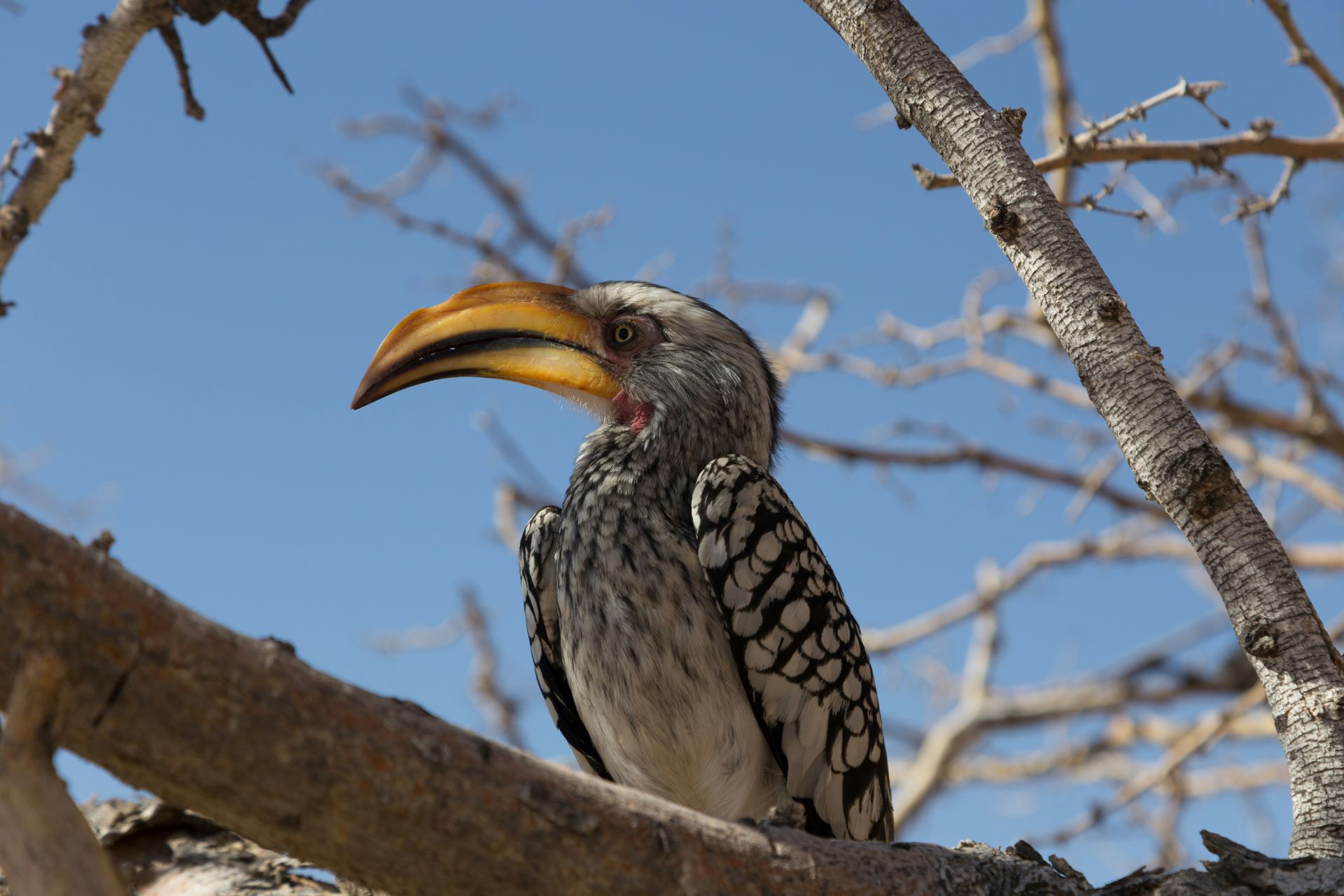
A Land of Contrasts, a Land of Birds
South Africa’s geography alone is reason enough for its avian richness. Straddling temperate and subtropical zones, the nation’s varied climate and topography have created pockets of ecological diversity that few other countries can rival. The cold Benguela Current along the west coast gives rise to nutrient-rich waters and thriving seabird colonies, while the warm Agulhas Current along the east coast sustains mangroves and estuaries teeming with waders. Inland, the highveld grasslands stretch wide under big skies, offering ideal hunting grounds for raptors such as the martial eagle, while the Drakensberg Mountains nurture forest specialists found nowhere else on Earth. The Karoo, arid and seemingly stark, rewards the patient birder with larks and coursers that epitomise adaptation and resilience.
This spectrum of habitats ensures that a single trip through South Africa offers more avian variety than weeks spent in some other countries. A traveler might begin the day with penguins waddling across the Cape shoreline, continue inland to hear the melodious calls of the Cape rockjumper, and finish by watching flamingos take to the skies in dazzling synchrony above a salt pan.
Endemics: South Africa’s Feathered Treasure Chest
For birders, the word “endemic” is golden. It signifies a species that occurs naturally in one place and nowhere else in the world. South Africa’s portfolio of endemics is an undeniable magnet. The Cape sugarbird, its long tail streaming as it hovers over proteas, has become an emblem of the fynbos biome. The Drakensberg rockjumper, forever darting along boulder-strewn slopes, is another species sought after by international birders. Knysna turacos, with their brilliant green plumage and crimson wings, bring a dash of tropical flamboyance to southern forests.
Then there are the subtler stars—species like the Karoo korhaan, the Orange-breasted sunbird, and the Southern bald ibis. For veteran birders chasing lifers, these endemic species turn a South African trip into a journey of global significance. Unlike mammals, which can often be seen in zoos or game farms elsewhere, endemic birds draw travelers specifically to the region. Each sighting is a moment that cannot be replicated anywhere else.
Birding Meets Big Game: The Dual Appeal
One of South Africa’s most significant advantages is its ability to offer birdwatching alongside its already world-renowned safari industry. While East Africa boasts the spectacle of vast herds and wide savannahs, South Africa’s protected areas often provide more diverse experiences. Kruger National Park, for instance, may be famous for lions and elephants, but birders treasure it for sightings of Southern ground hornbills, lilac-breasted rollers, bateleurs, and an impressive array of waterbirds along its rivers and pans.
Private reserves adjacent to Kruger, such as Sabi Sand and Timbavati, have also embraced bird tourism. Luxury lodges now increasingly employ guides trained not just in tracking leopard spoor, but in identifying warblers by call or locating a nesting raptor. This combination means that families or couples with mixed interests—some enthralled by mammals, others captivated by birds—can share a single destination without compromise.
The Cape: Where Sea and Fynbos Collide
If Kruger is the kingdom of the Big Five and bushveld birds, the Western Cape is South Africa’s crown jewel for avian diversity. Birders flock to Cape Town not only for its dramatic scenery but for pelagic trips into the Atlantic Ocean, where albatrosses, shearwaters, and petrels patrol the waves. Few experiences compare with the thrill of standing on a boat as a wandering albatross, wings spanning more than three metres, glides effortlessly above the swells.
Closer to shore, the Cape Peninsula offers treasures such as the African penguin colony at Boulders Beach, Cape gannets diving like arrows into shoals of fish, and endemic sugarbirds flitting among proteas on Table Mountain. The Western Cape also boasts the Overberg region, where wheat fields host blue cranes—the elegant national bird of South Africa—often seen in family groups, their bugling calls echoing across farmlands.
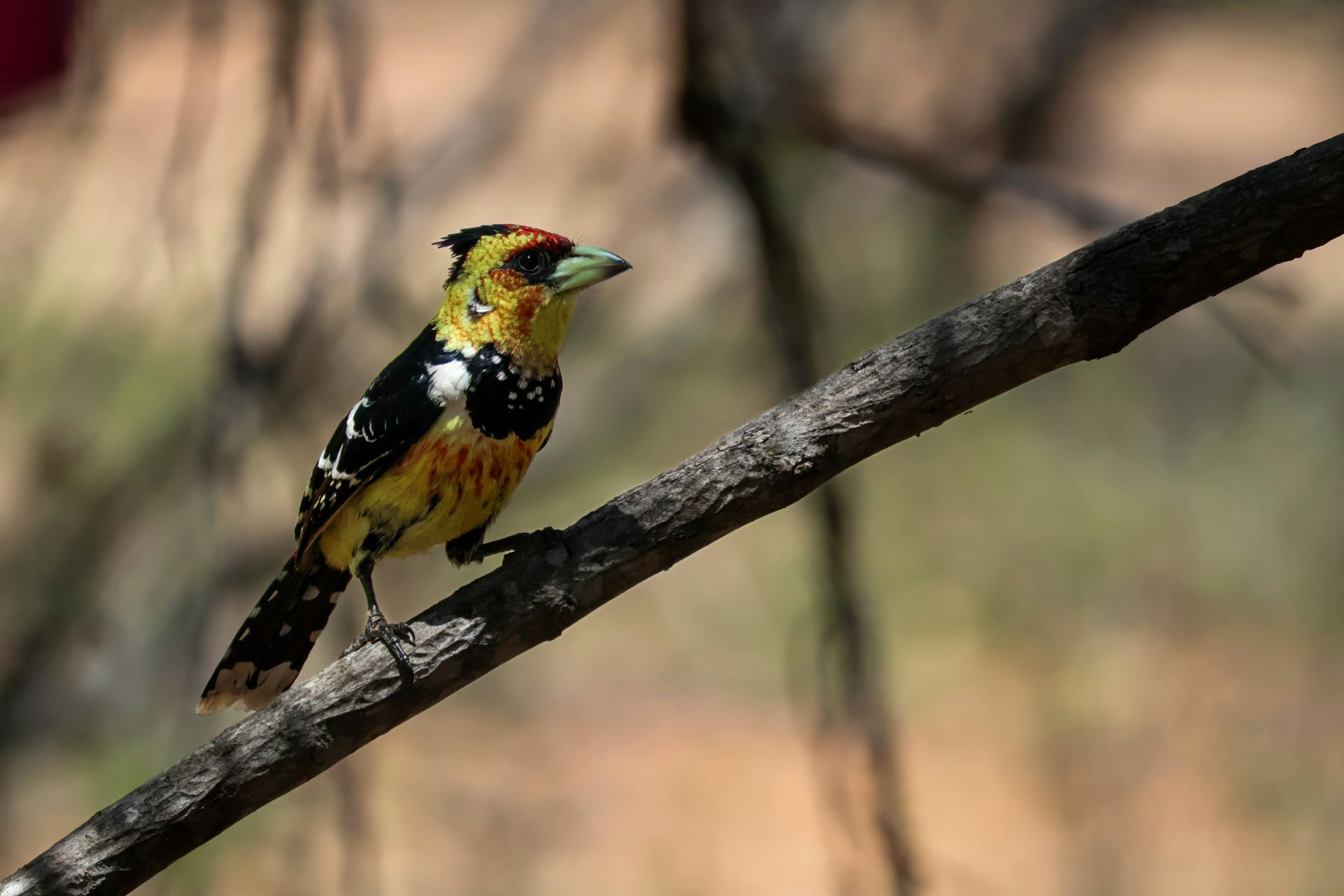
KwaZulu-Natal: Forests and Wetlands of International Renown
KwaZulu-Natal, stretching along South Africa’s eastern seaboard, offers habitats of a completely different character. The province’s subtropical forests shelter species at the southern limits of their ranges, including the elusive green twinspot and the fiery-necked nightjar, whose haunting nocturnal call has become a soundtrack of summer nights. The iSimangaliso Wetland Park, a UNESCO World Heritage Site, is home to more than 500 recorded bird species. Here, flocks of flamingos feed in lagoons, African fish eagles patrol waterways, and palmnut vultures nest in rare raffia palms.
The Drakensberg Mountains form another highlight, offering opportunities to encounter bearded vultures, Cape vultures, and high-altitude specialists. For those willing to trek into montane grasslands, sightings of mountain pipits and siskins add to the rewards of spectacular scenery.
Conservation and Community: The Human Element in Bird Tourism
Birdwatching in South Africa is not simply about tallying species. It is also entwined with conservation and community development. Organisations such as BirdLife South Africa have championed the protection of Important Bird and Biodiversity Areas (IBAs), ensuring that fragile habitats continue to support both birds and people. Tourism revenue from birding often flows into rural communities that guide birders through their local wetlands or forests. In parts of Limpopo and Mpumalanga, community-owned lodges have trained bird guides whose local knowledge enriches the visitor experience while creating sustainable livelihoods.
The human connection is critical because it turns birding into more than passive observation. A birder in Zululand, for example, might be guided to a site for pink-throated twinspot by a community guide whose family has lived there for generations. That encounter, equal parts cultural and ecological, deepens the meaning of the sighting.
Birding Festivals and Growing Infrastructure
South Africa has embraced its birding potential through festivals, trails, and infrastructure that make the experience accessible. The annual Sasol Bird Fair in Johannesburg is one of Africa’s largest gatherings of birders, combining conservation talks, photography workshops, and field outings. Across the country, birding routes have been mapped out—from the Zululand Birding Route to the Cape West Coast Birding Route—connecting small towns, reserves, and community projects into coherent travel experiences.
These routes not only help visitors structure their trips but also spread tourism benefits to less-visited areas. A birder might find themselves in a remote Karoo village that seldom sees international travelers, thereby supporting local businesses and preserving heritage landscapes.
Why Birders Return Again and Again
Perhaps the most telling sign of South Africa’s birding strength is that travelers rarely stop at a single visit. With its vast range of ecosystems, the country defies completion. A summer trip, when migrants arrive from Europe and Asia, offers an entirely different checklist from a winter visit. Even seasoned South African birders admit that their life lists remain incomplete, testimony to the depth of the avifauna.
The allure lies not just in the rarity of a species but in the immersion of the experience. Birding in South Africa is inseparable from the rustle of reeds in a wetland dawn, the distant drumming of a woodpecker in a forest, or the sight of a fish eagle silhouetted against a sinking sun. Each encounter tells a story of adaptation, resilience, and interconnectedness, reminding travelers why birds are such powerful ambassadors for the health of ecosystems.
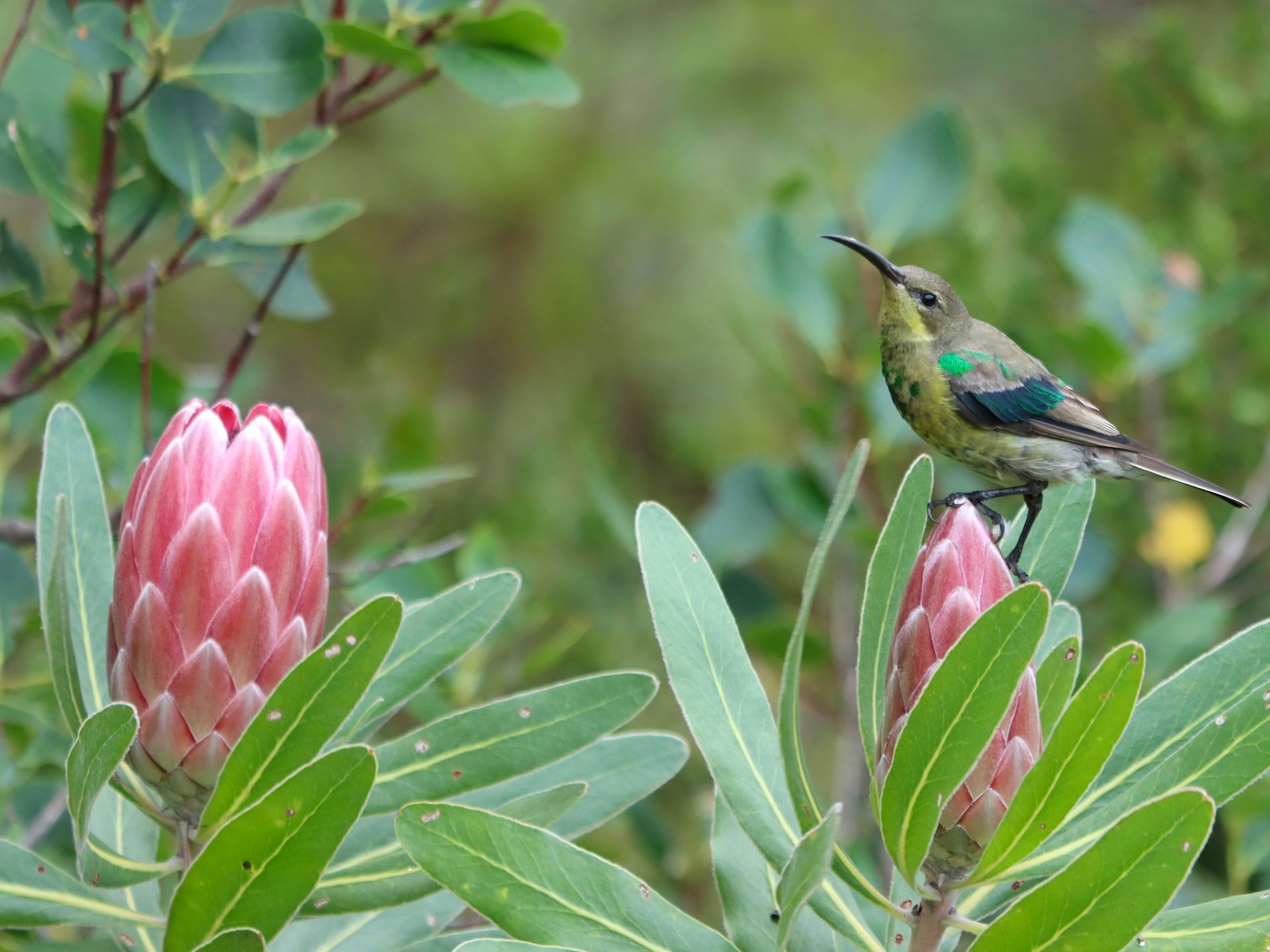
South Africa’s Place in the Global Birding Map
In an age when tourism is increasingly seeking authenticity and meaning, birding has become more than a pastime—it is a lens through which travelers connect deeply with landscapes and communities. South Africa stands at the forefront of this movement, offering a tapestry of habitats, a wealth of endemic species, and an infrastructure that supports both visitor and conservation goals.
From the penguin colonies of the Cape to the raptors of the Lowveld and the flamingos of the highveld pans, South Africa’s birds are not only a spectacle but also a promise—that protecting biodiversity and celebrating it through tourism can be mutually sustaining. For those seeking to understand the world through wings and feathers, South Africa is not just a destination. It is, quite simply, a revelation.
Mandla Ndlovu
Reporting from the frontlines of the South African tourism renaissance. Bridging the gap between regional stories and global audiences through elite narrative strategy.